Ever wondered what it's really like to turn your passion for quilting into a thriving business? Let's dive into the honest truth about the longarm life.
You know that moment when you're scrolling through Instagram, seeing all those gorgeous longarm quilting photos, and thinking "Maybe I could do this professionally too"? Well, you're not alone! The longarm quilting business has been growing like crazy, and for good reason. But before you dive headfirst into entrepreneurship, let's have an honest conversation about what it really takes to succeed.
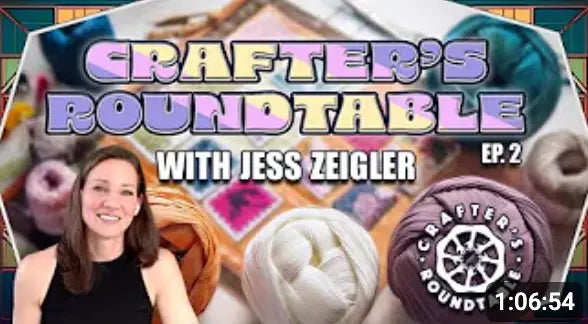
I recently came across a fantastic discussion with Jess Zeigler about navigating the business side of longarm quilting, and it got me thinking about all the questions I wish someone had answered when I was starting out. So grab your favorite quilting beverage (coffee, tea, or maybe something stronger after a long day of troubleshooting tension issues), and let's talk about the real deal.
The Dream vs. The Reality
We've all been there – you see those stunning custom quilts on social media, the satisfied customer testimonials, and think "This looks like the perfect work-from-home opportunity!" And honestly? It absolutely can be. But like any business, there's so much more happening behind those beautiful finished photos.
The truth is, running a longarm quilting business is part artist, part technician, part customer service representative, part accountant, and part therapist. Yes, you read that right – therapist. You'll be amazed how many customers want to share the stories behind their quilts, and trust me, some of them will bring you to tears.
Let's Talk Money (Because Someone Has To)
One of the biggest misconceptions I see is that longarm quilting is easy money. "Just load a quilt and press go, right?" Oh, sweet summer child, if only it were that simple!
Here's what most people don't consider when they're calculating potential income:
The setup time is real. For every hour you spend actually quilting, you're probably spending 30-45 minutes on setup, takedown, and quality checks. That gorgeous edge-to-edge pantograph that takes two hours to quilt? Add another hour for prep work.
Machine maintenance isn't optional. Your longarm is like a high-performance sports car – it needs regular care, quality oil, and the occasional professional tune-up. Budget for this from day one, not when your machine starts making that concerning noise.
The learning curve is steeper than you think. Sure, you might nail straight-line quilting pretty quickly, but custom work? Feathers that don't look like angry chickens? Consistent tension across different fabric types? That takes time, practice, and patience.
The Business Side Nobody Talks About
When you're starting out, you're probably thinking about thread colors and batting choices. But successful longarm business owners spend just as much time thinking about contracts, scheduling software, and tax deductions.
Customer management becomes a huge part of your day. You'll need systems for intake, tracking projects, communicating timelines, and handling the inevitable "When will my quilt be ready?" calls. Some customers are absolute angels who trust your expertise completely. Others... well, let's just say they have very specific opinions about thread color choices.
Pricing your work appropriately is crucial and surprisingly challenging. Too low, and you'll be working for less than minimum wage while your machine depreciates. Too high, and you'll price yourself out of your local market. Finding that sweet spot takes research, math, and sometimes a few uncomfortable conversations with yourself about what your time is actually worth.
The Balancing Act
Here's where things get really interesting. Most longarm quilters I know didn't start this business to become workaholics. They wanted flexibility, creativity, and the satisfaction of helping other quilters bring their visions to life. But it's surprisingly easy to find yourself working 60-hour weeks because "just one more quilt" always seems manageable.
Setting boundaries becomes essential. This means having set business hours (and sticking to them), learning to say no to rush jobs that don't fit your schedule, and resisting the urge to check on that quilt "just one more time" at 10 PM.
Managing the feast or famine cycle is another reality check. Some months, you'll be booked solid with a waiting list. Other months, you'll be wondering if you should post another "I have openings!" message on Facebook. Building a steady customer base takes time, and having a financial cushion for the slower periods is crucial.
The Technical Side That Keeps You Humble
Let's be honest – longarm machines are amazing, but they're also complex beasts with their own personalities. You'll become intimately familiar with tension adjustments, needle changes, and the subtle art of loading a backing fabric without wrinkles.
Thread breaks will happen at the most inconvenient times. Usually right in the middle of an intricate feather design, naturally. You'll develop lightning-fast reflexes for catching these issues before they become major problems.
Fabric challenges are real. That gorgeous batik that photographs beautifully? It might fight you every step of the way. Minky backing? Prepare for a workout. Vintage fabrics that are more holes than fabric? Time to channel your inner diplomat when explaining why some projects need special handling.
Building Your Reputation (One Quilt at a Time)
In the quilting world, word of mouth is everything. Your reputation is built on consistency, communication, and quality work. One perfectly quilted wedding quilt can lead to referrals for years. One project that goes sideways can take months to recover from.
Photography skills become surprisingly important. Your finished quilts are your best marketing tool, and good photos can make the difference between a customer choosing you or your competitor. Natural lighting, clean backgrounds, and showing both overall shots and detail work will serve you well.
Social media presence isn't optional anymore. Customers want to see your work, your process, and get a sense of your personality. But here's the thing – you don't need to be posting constantly. Consistent, quality content beats daily mediocre posts every time.
The Unexpected Joys
Despite all the challenges I've mentioned, there's something magical about this business that keeps people coming back. Maybe it's the satisfaction of taking someone's pieced top and transforming it into a finished heirloom. Or the joy in a customer's voice when they see their quilt for the first time.
The quilting community is unlike any other. Your customers often become friends. Other longarm quilters become your support network, sharing tips, troubleshooting problems, and celebrating successes together.
The creative fulfillment is real. Yes, you'll do plenty of simple edge-to-edge work, but you'll also get projects that challenge you artistically. Custom quilting allows you to be part of someone else's creative vision while adding your own artistic touch.
Making the Decision
So, should you take the plunge into longarm quilting as a business? Here are some questions to ask yourself:
Do you genuinely enjoy the process of quilting, not just the finished results? Because you'll be doing a lot of it, and some days it will feel more like work than play.
Are you comfortable with the business side of things? Marketing, bookkeeping, customer service – these aren't optional parts of the job.
Do you have realistic expectations about income and timeline? This isn't a get-rich-quick scheme, and building a sustainable business takes time.
Can you handle the physical demands? Longarm quilting is more physical than many people realize. Your back, shoulders, and feet will feel it, especially when you're starting out.
The Bottom Line
Running a longarm quilting business can be incredibly rewarding, both personally and financially. But like any business, success requires planning, dedication, and realistic expectations. The quilters who thrive are those who approach it as a real business from day one, not just a hobby that happens to make money.
If you're considering making the leap, start by connecting with other longarm quilters in your area. Most are incredibly generous with advice and honest about both the challenges and rewards. Take a longarm quilting class, rent time on a machine, or volunteer to help at a quilting retreat to get hands-on experience.
And remember – there's no shame in keeping quilting as a beloved hobby instead of a business. Sometimes the best way to preserve your love for something is to not turn it into your livelihood.
What's your experience with longarm quilting? Are you considering making it a business, or are you happily keeping it as a creative outlet? I'd love to hear your thoughts and experiences in the comments below!
Thinking about starting your own quilting business? Subscribe to our newsletter for more real-talk advice about turning your passion into profit – the honest way.