
Hey there, quilting friends!
Have you ever watched someone create those gorgeous, intricate quilting designs and wondered how on earth they make it look so effortless? Well, let me introduce you to something that might just change your quilting game: QISS dot-to-dot templates!
I recently came across Linda's Electric Quilters' tutorial on this technique, and I'm honestly a little obsessed. If you're like me and love finding ways to make beautiful quilts without the stress, you're going to want to keep reading.
What Exactly Are Dot-to-Dot Quilting Templates?
Think back to those connect-the-dots puzzles you loved as a kid (or maybe still do – no judgment here!). Dot-to-dot quilting templates work on the same principle, but instead of revealing a picture, you're creating stunning quilted designs.
These templates have strategically placed dots that guide your stitching path. You simply follow the dots to create consistent, professional-looking quilting patterns. It's like having a GPS for your quilting machine!
Why I'm Loving This Technique:
- No more wonky spacing (we've all been there!)
- Perfect for beginners who want professional results
- Saves SO much time on design planning
- Great for building confidence before tackling freehand quilting
Getting Started: What You'll Need
Before you dive in, here's what I recommend having on hand:
Essential Supplies:
- Dot-to-dot quilting templates (obviously!)
- Water-soluble or air-erasable fabric markers
- A good quilting ruler
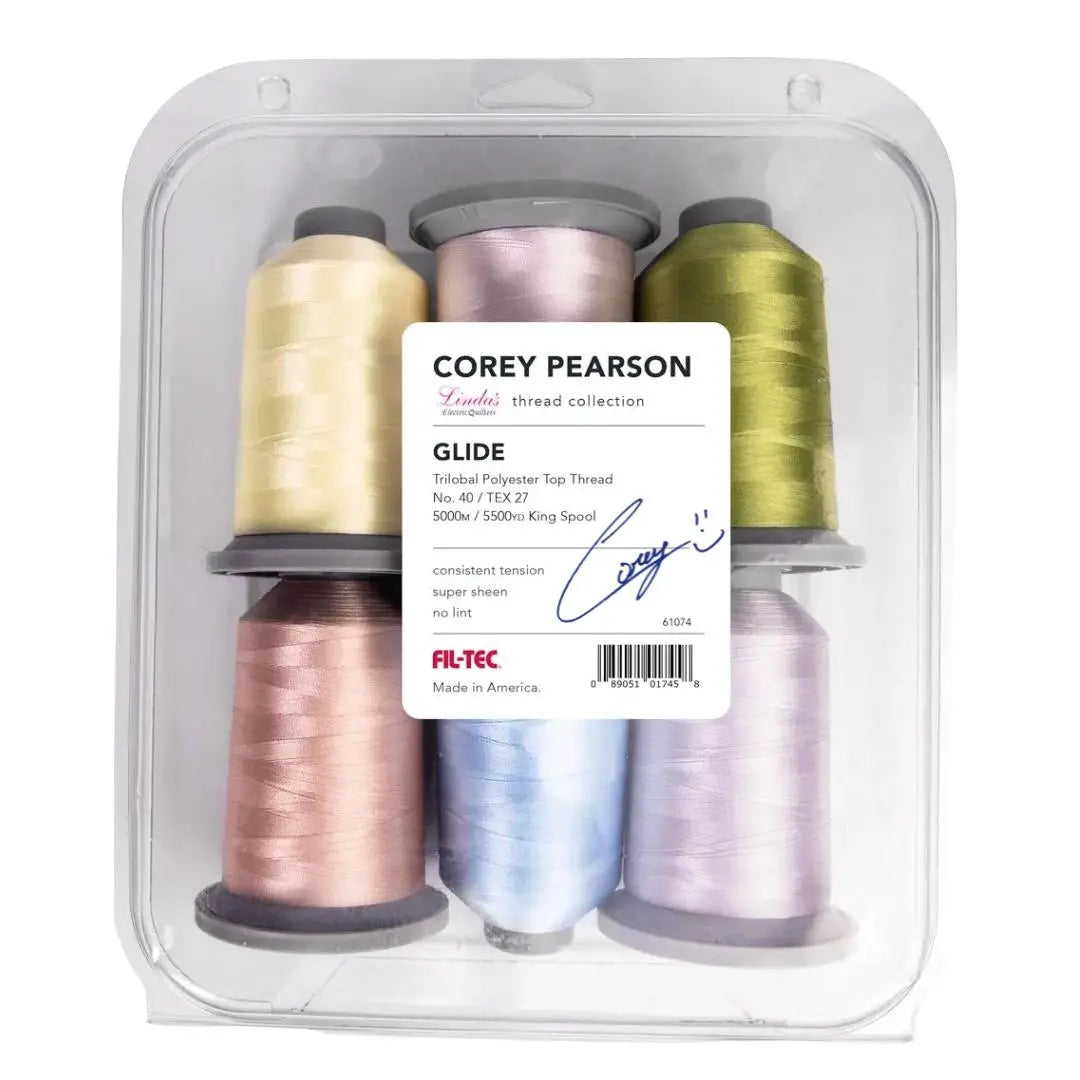
- Quality quilting thread
- Your trusty sewing machine or longarm
Pro tip: Start with a simple geometric pattern for your first attempt. Trust me on this one – you'll thank me later!
My Step-by-Step Process
Here's how I approach dot-to-dot quilting (and how you can too):
1. Choose Your Template Wisely
Don't go crazy with a super complex design right off the bat. I learned this the hard way! Pick something that matches your current skill level.
2. Mark Those Dots
Take your time here, friends. Use a ruler and mark each dot clearly on your quilt top. Good lighting is your best friend during this step.
3. Plan Your Path
Before you start stitching, trace the path with your finger. This helps you visualize the design and catch any potential issues.
4. Start Stitching!
Begin connecting those dots with smooth, even stitches. Don't rush – this isn't a race!
Tips That Actually Work (From Someone Who's Made All the Mistakes!)
For My Fellow Beginners:
- Practice on scraps first – seriously, do this!
- Use high-contrast markers so you can actually see the dots
- Take breaks to avoid hand fatigue and maintain consistent tension
- Don't be afraid to start over if something doesn't look right
For More Experienced Quilters:
- Try varying your stitch length between dots for texture
- Mix and match templates to create unique designs
- Experiment with different thread weights and colors
- Document your favorites – you'll want to recreate them!
Common Oops Moments (And How to Avoid Them)
Let's be real – we all make mistakes. Here are the ones I see most often:
- Rushing the marking process – slow down, it's worth the extra time
- Ignoring your fabric's personality – some fabrics are just more cooperative than others
- Inconsistent tension – practice makes perfect here
- Skipping the practice round – don't be that person!
Beyond Basic Quilts: Fun Ways to Use This Technique
Once you get comfortable with dot-to-dot templates, the possibilities are endless:
- Wall hangings that look like expensive art pieces
- Table runners for special occasions
- Pillow covers that add texture to your living space
- Baby quilts with sweet, consistent patterns
- Tote bags with quilted panels (so cute!)
Caring for Your Templates
These babies are an investment, so treat them well:
- Store them flat or rolled (never folded!)
- Clean gently with appropriate cleaners
- Keep them organized by difficulty or theme
- Replace worn templates before they affect your work quality
Building Your Skills Over Time
Here's what I've learned about growing with this technique:
Month 1-2: Master basic geometric patterns Month 3-4: Try combining simple templates Month 5-6: Experiment with your own modifications Beyond: Start creating your own dot patterns!
Why This Technique Is Perfect for Today's Quilters
We're all busy, right? Between work, family, and everything else life throws at us, we want our quilting time to be enjoyable, not stressful. Dot-to-dot templates give us that perfect balance of structure and creativity.
Plus, there's something so satisfying about seeing a beautiful design emerge as you connect those dots. It's like meditation, but with prettier results!
Ready to Give It a Try?
If you're feeling inspired to try dot-to-dot quilting (and I really hope you are!), start small and be patient with yourself. Every expert quilter started exactly where you are right now.
Remember, quilting should be fun! If you're not enjoying the process, you're probably pushing too hard. Take breaks, celebrate small wins, and don't forget to share your creations with our amazing quilting community.
What's your experience with quilting templates? Have you tried dot-to-dot techniques before? I'd love to hear about your adventures (and misadventures!) in the comments below.
Happy quilting, friends!
P.S. – If you try this technique, I'd love to see your results! Tag me on social media or send me a photo. There's nothing I love more than seeing what fellow quilters are creating.
Looking for more quilting tips and tutorials? Subscribe to my newsletter for weekly inspiration delivered straight to your inbox!