
Hey everyone. Today you will learn why a quilted jacket is really two projects living in one coat.
Here we go.
Most folks treat a quilted jacket like a small quilt.
Top. Batting. Backing. Sew it into sleeves.
Oh my goodness. That is where the puffy problem starts.
A jacket is a hybrid, y'all.
Batting does one job in there.
Interfacing does a completely different job.
Use batting everywhere, and you know the look.
Soft. Round. Puffy all over.
Folks call it the Michelin look.
It is warm. It is just not shaped.
Why it happens
Batting warms the body.
It traps air between the outer fabric and the lining.
That trapped air is the insulation.
That is exactly what you want across the back.
Across the chest. Down the sleeves.
Those are the big, moving panels.
They need to bend. They need to drape.
Low-loft batting does that really really well.
Interfacing has the opposite job.
It adds crispness where a garment needs structure.
Think about a collar.
It should stand up a little. It should roll clean.
Batting cannot do that. Batting just puffs.
Same story on the facings.
Facings frame the front opening.
Without support, they curl and flop.
Same story at the zipper front.
A zipper sewn into a soft, puffy layer waves.
It puckers. It argues with you.
A light fusible behind that front steadies it.
Then the zipper sits flat, just like that.
Two middles. Two jobs.
We are not reinventing the wheel here.
Quilts taught us the warm part.
Garment sewing taught us the shaped part.
A good jacket listens to both teachers.
What to do about it
Start by mapping the jacket before you cut.
Body and sleeves? That is batting country.
Pick a low-loft batting, cotton or a blend.
High loft will fight every seam in a garment.
It eats your throat space. It bulges at the arms.
Quilt those panels lightly.
Lines about 2 to 3 inches apart work well.
Or do a simple meander or echo.
About 8 to 10 stitches per inch keeps it soft.
Now mark the interfacing country.
Facings. Collar. Cuffs, if your pattern has them.
And a narrow strip behind each zipper front.
That strip can be just 1 inch wide.
Small strip. Big difference.
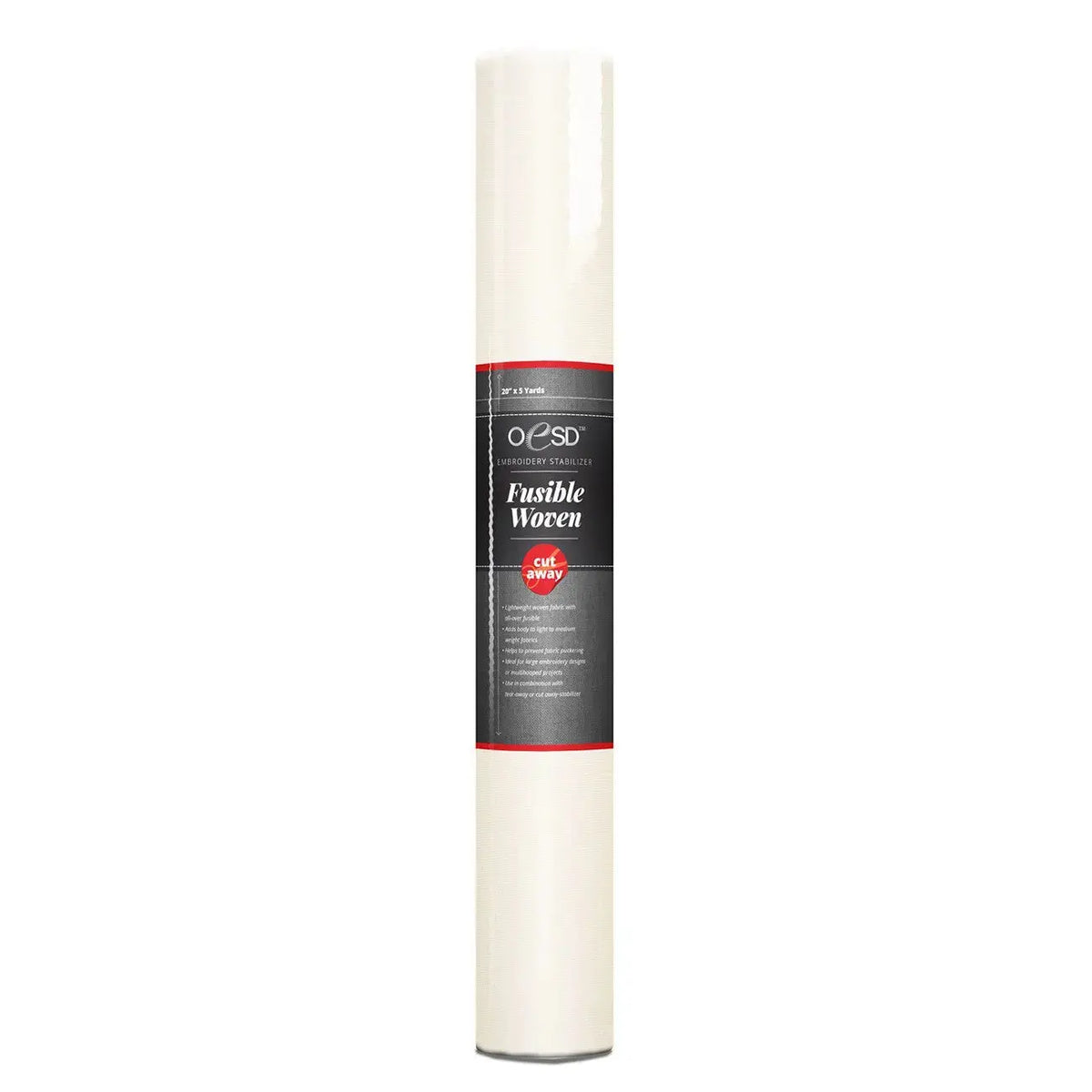
Choose a woven fusible for those pieces.
Woven acts like fabric. It moves with the garment.
It crisps without turning board-stiff.
Fuse it to the facing or the fashion fabric.
Not to the batting. Never to the batting.
Lift and press. Do not slide the iron.
Press each spot for about 10 seconds.
Lift. Move. Overlap a little. Press again.
Sliding shears the glue and traps bubbles.
Slow down here, or the collar tells on you.
Let each piece cool flat before you move it.
Warm fusible is still making up its mind.
Here is my personal proof, folks.
I made my first jacket with batting everywhere.
The collar would not stand. The front waved.
I looked very warm. And very round.
The fix was not more quilting.
The fix was taking batting out of the facings.
And putting interfacing in its place.
Same jacket pattern. Completely different jacket.
Do your test first.
Make one quilted sleeve. Fuse one facing sample.
Try them on. Bend your arm. Zip the test zipper.
You will learn everything in ten minutes.
And hear your permission beat.
It does not have to be perfect.
You are your own worst critic.
Take your time. It is not a race.
If I can do this, y'all can do it.
When it matters / project notes
This matters most on a jacket you will wear weekly.
A chore coat. A quilt coat for cool mornings.
The collar and fronts are what people see first.
Get those crisp, and the whole coat looks made.
It matters less on a soft, slouchy wrap jacket.
No collar. No zipper. No structured front.
There, batting alone can be just right.
Completely up to you.
One more project note on fit.
Batting takes up room inside the seams.
So give a quilted jacket a touch of extra ease.
That quilted sleeve test will warn you early.
Tight before quilting means tighter after.
Alrighty. Map the two middles first.
Batting where you move and need warmth.
Interfacing where you need a clean edge.
That is the whole hybrid secret.
Thank you so much for learning with me today. We'll see you next time. Bye.
Shop Fusible Woven White 20in x 5 yds at Linda's Electric Quilters.


