Episode 8: Set Up Your Sewing Machine for Quilting Success
Episode 8: Set Up Your Sewing Machine for Quilting Success: In episode 8 of Exquisite Quilt, we dive into the exciting process of quilting with the sewing machine! Join me as I share my step-by-step setup on my beloved Bernina 570 QE. While I’ll be demonstrating on this model, feel free to follow along with your own sewing machine by consulting your manual.
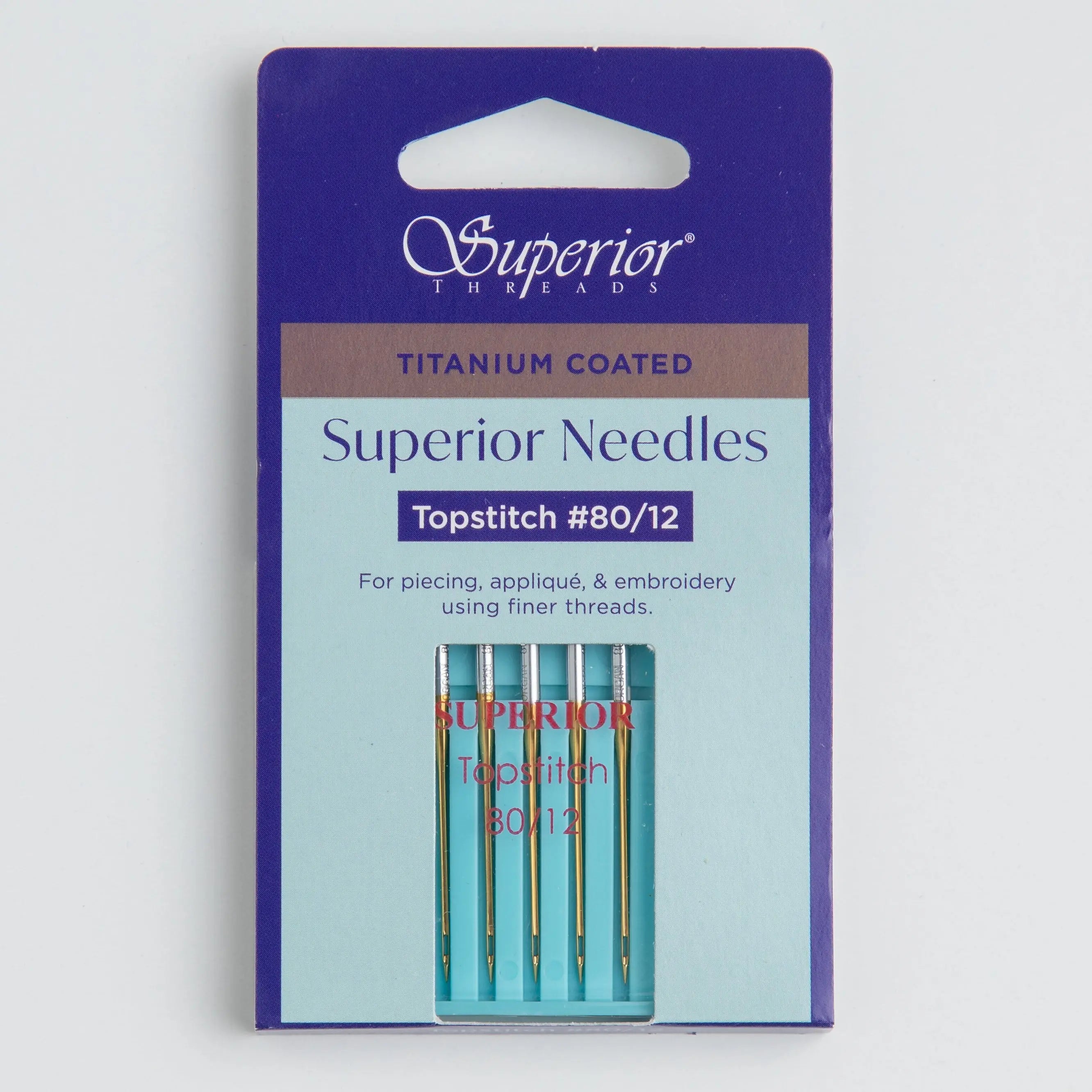
We’ll explore the essential tools and techniques, from adjusting your machine settings to choosing the right presser foot and thread. I’ll explain why I prefer an 80-weight fine thread and demonstrate how to avoid common threading issues by using the Wonderfil thread dispenser. Plus, I’ll walk you through choosing the right needles, using a sew slip mat, and adjusting foot pressure for smoother quilting, especially on tighter curves.
Companion Notes: A Setup Checklist You Can Reuse
Pauline demonstrates on her Bernina 570 QE, but the setup sequence applies to any domestic machine. Work through it in this order and you'll prevent most quilting-day frustrations:
- Clean first. Remove the needle plate, brush out lint from the bobbin area and feed dogs, and oil only if your manual calls for it. Lint is the number one cause of "sudden" tension problems.
- Fit a fresh needle matched to your thread — a new quilting or topstitch needle for each project is cheap insurance against skipped stitches.
- Thread deliberately. Raise the presser foot before threading so the thread seats between the tension discs. Pauline's preference for an 80-weight fine thread in this series keeps bulk out of the design lines; keep top and bobbin threads compatible, and use a thread stand or dispenser (she uses a Wonderfil dispenser) so fine thread feeds without twisting.
- Set foot pressure for the sandwich. Reduce pressure slightly for quilted blocks so the foot glides over batting instead of plowing it — especially important on the tighter curves coming in later episodes.
- Add grip and glide. A sew-slip mat and a supported machine bed keep the block moving evenly; support the block's weight so nothing drags.
- Sew a test seam on a scrap sandwich and check both sides before touching a real block.
Write your final settings on a note kept with the project — stitch length, pressure, needle, thread. When you return to the quilt next week, you'll restart in seconds instead of re-testing everything.