
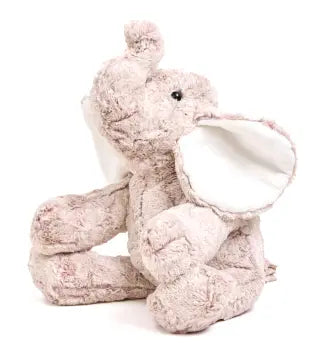
What Is a Cuddle Critter Kit?
If you have wanted to try sewing with minky but a full-size plush quilt feels like a big first step, a critter kit is a gentler place to start. The Harper Quartz Cuddle Critter Kit, from Shannon Fabrics and sold by High Country Quilts through Linda's Electric Quilters, is a minky plush kit built around one small project: a stuffed animal. The kit gives you the cut pieces for a small stuffed critter, so your time goes into sewing and finishing rather than planning.
Harper is the design name in Shannon Fabrics' Cuddle Critter Kit collection, and Quartz is the colorway. The fabric is 100% polyester, the fiber behind the soft, plush hand that Cuddle and minky fabrics are known for. A small stuffed animal in Quartz makes a sweet handmade gift or nursery accent, and its small size makes it a low-risk way to learn how minky behaves before you commit to a larger blanket.
What the Kit Makes and What Is Included
The finished project is a small stuffed animal sewn from minky plush. The listing describes the kit as containing the cut pieces for that stuffed animal, which is the defining convenience of the critter format: the shapes you need arrive ready to work with, matched to the Harper design in the Quartz colorway.
Because this is a fabric kit rather than a finished toy, plan on supplying your own basic sewing notions — machine, thread, pins or clips, and scissors — and check the kit contents when it arrives for anything else the instructions call for, such as stuffing, before you sit down to sew. The description does not list a finished size, so confirm dimensions before you start if they matter. The "45 inch wide fabric per yard" wording in the title describes the fabric format, not the finished critter.
Skill Level and Time Commitment
The description calls critter kits "a manageable first project in minky," and that is the right way to read the skill level: this is approachable for a confident beginner who can sew a basic seam, and a relaxing, quick make for a more experienced sewist. There are no quilt blocks to square up, no binding to attach, and no large yardage to wrestle across your table — just a small set of pieces to join, turn, stuff if the instructions call for it, and close.
Allow an unhurried afternoon session. Careful seam allowances and tidy finishing make a critter look charming rather than hurried, and first-timers should budget extra time to get used to how plush fabric feeds.
Tips for Success With Minky Plush
First, respect the nap: Cuddle fabrics have a directional pile, so keep your pieces oriented the same way as you lay them out, or your finished animal can look subtly two-toned in changing light. Second, pin or clip generously — plush polyester can creep as it feeds, and extra pins along a short seam cost seconds and save unpicking. Third, lengthen your stitch slightly compared with quilting cotton; a very short stitch can pucker plush and make seams harder to turn neatly.
Fourth, expect fluff. Cutting and handling minky releases fine fibers, so shake pieces out away from your machine, keep a lint roller nearby, and clean your machine when you finish. Finally, take any hand-sewn closing seam slowly — an invisible, well-spaced ladder stitch gives a stuffed animal its finished, shop-quality look.
Why Start With a Critter Kit?
A kit like Harper Quartz removes the two things that stall most first minky projects: fabric selection and cutting. You get Shannon Fabrics' Cuddle quality, a coordinated design and colorway, and pieces prepared for one defined outcome. Finish this small animal and you will know whether you enjoy sewing plush — and you will have the core skills for larger Cuddle quilts and blankets if you do.
Shop the Harper Quartz Cuddle Critter Kit 45" wide fabric per yard at Linda's Electric Quilters.


