
What This Fabric Is
The Natural Tea Stain Cotton Sateen Wideback Fabric, sold by the yard at Linda's, is a cotton backing made by Fabri-Quilt for PBS Fabrics — and it is wider than most. Where a standard wideback measures 108 inches, this one measures 118 inches. That extra 10 inches is the whole story: it lets you back larger quilts in a single, seamless piece, with no piecing, no center seam to keep straight, and no seam allowance creating a ridge through the middle of your finished quilt.
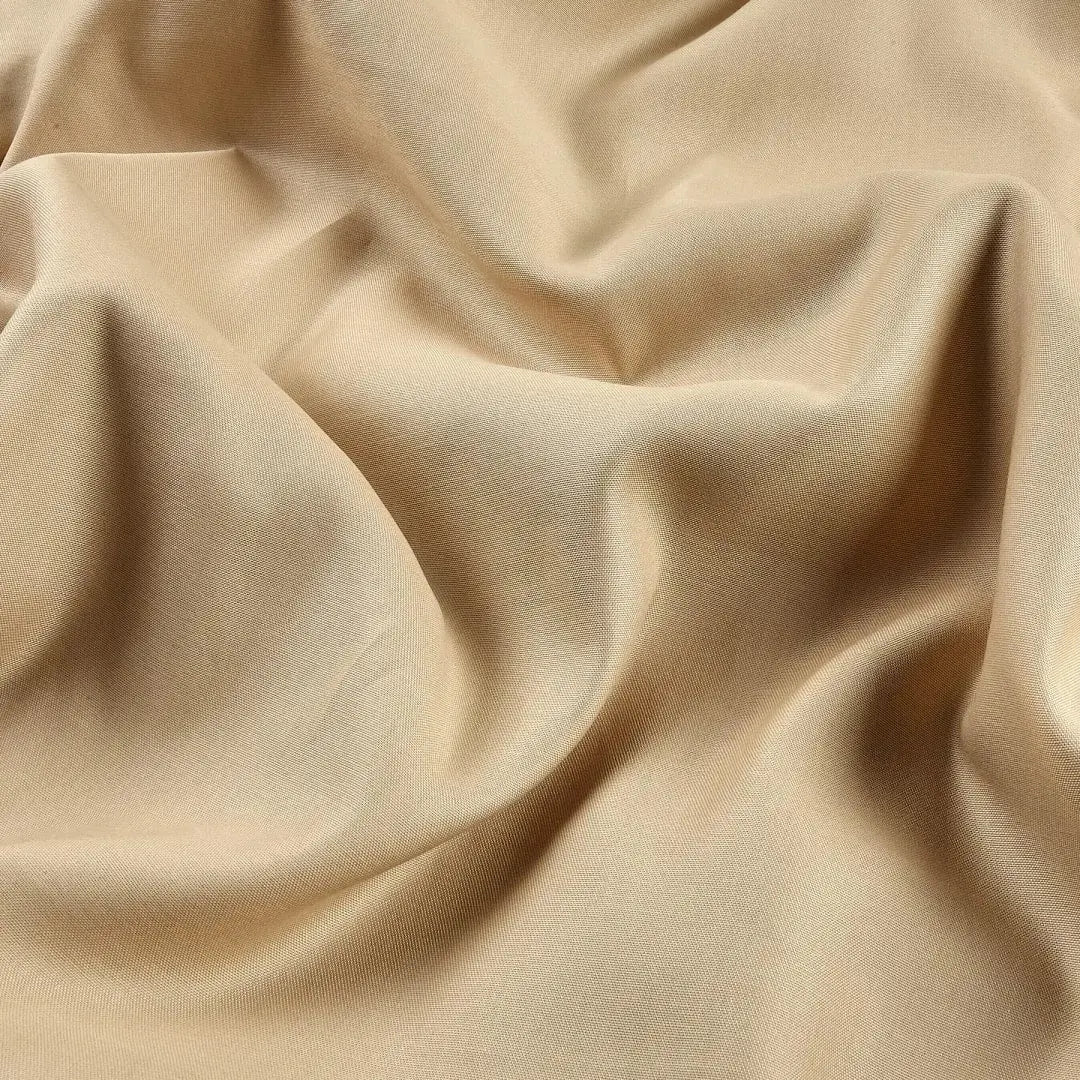
The color is in the name. Tea stain is a warm, natural beige — the soft, aged tone of fabric steeped in tea. It is a forgiving neutral behind warm, vintage, reproduction, and earth-toned tops, and it does not show everyday use like a stark white backing can. As a cotton sateen, it has the smooth hand sateen weaves are known for, giving the back a finished feel.
How to Choose a Backing: Start With the Size Math
Use the standard rule before you order any backing: your backing should measure your quilt top plus 8 inches in both directions — 4 extra inches on every side. That overhang gives a longarm quilter room to load and advance the quilt, and gives a home quilter room to baste, quilt right to the edges, and square up cleanly afterward.
Now run the numbers for a 118-inch width. A queen top at 90 by 95 inches needs a backing of 98 by 103 inches. One width covers the 98-inch side with room to spare, so you only buy for length: 103 inches is just under 3 yards. A king top at 100 by 100 inches needs 108 by 108 inches — too wide for a 108-inch wideback without piecing, but still inside 118 inches, so 3 yards of this fabric covers it in one piece. Only when your top's shorter side plus 8 inches passes 118 inches do you need to think about piecing a backing at all.
Cotton vs. Minky vs. Flannel
A cotton wideback like this one is the stable, breathable, all-purpose choice. It presses well, behaves like the cotton in most quilt tops, and quilts predictably on domestic machines and longarms. Minky is the comfort choice — plush and warm for cuddle quilts, but with more give to manage. Flannel sits in between, brushed and cozy with extra warmth, though it can shrink more and is usually narrower. For a classic finish and the widest seamless coverage, cotton sateen is hard to beat.
Working Tips: Folds, Prewashing, and Loading
Pressing the fold: widebacks arrive folded, and fold lines can be stubborn. Unfold the fabric and let it relax, then press on a cotton setting, working from the center outward. A little steam helps persuade a lingering crease flat before basting or loading.
Prewashing: cotton can shrink slightly, so many quilters prewash a cotton backing — especially if the quilt top itself was prewashed. If you do, wash it the way you plan to wash the finished quilt, dry it, and press it before you measure and cut. Whatever you choose, keep the top and backing consistent so the finished quilt washes evenly.
Longarm loading: a seamless wideback loads quickly because there is no piecing seam to center or avoid. Load it straight, check that the edges are even, and keep tension consistent across the full 118 inches — the wider the fabric, the more a small drift on one side can show by the end of the quilt.
Care
Finished quilts backed in cotton are made to be used and washed. Wash in cool to warm water on a gentle cycle with similar colors, and tumble dry on low or line dry. The warm tea stain tone holds up well to regular washing, and storing the quilt out of harsh, prolonged sunlight will help all of its fabrics — top and back alike — keep their color.
Shop the Natural Tea Stain Cotton Sateen Wideback Fabric per yard at Linda's Electric Quilters.


