
Why Flannel Feels Different on the Back of a Quilt
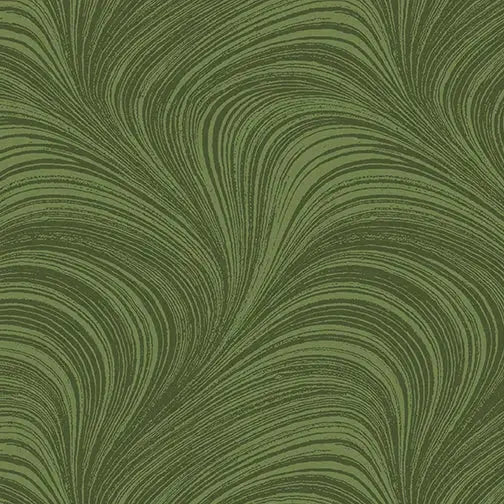
A quilt top gets most of the attention, but the backing is the side that actually touches the person under the quilt. That is where a flannel wideback earns its place. The Green Color Wave Texture Flannel Wideback Fabric from Benartex is a 108-inch-wide cotton flannel, sold by the yard. Its green color and wave texture add depth and a touch of nature to the finished quilt, while the flannel surface brings the soft, comfortable feel the product description highlights for quilting, crafting, and home décor projects.
Because it is a true wideback, one width covers most quilt backs without a seam down the middle — no bulky seam to quilt over, no pattern matching, and a smoother drape across the whole quilt.
Doing the Size Math First
Start with your finished quilt top, then add 8 inches to both dimensions. That extra allowance gives you 4 inches of overhang on every side, which is what a longarm quilter needs to load and tension the backing, and it gives a home quilter room for the small shifts that happen during quilting. So a 60 by 80 inch throw needs a backing at least 68 by 88 inches.
Now check that against the fabric width. At 108 inches wide, this flannel easily covers the 88-inch length across its width, so you only need to order for the other dimension: 68 inches is just under 2 yards. As a guide, a lap quilt usually takes 2 yards, a throw 2 to 2.5 yards, a queen about 3 yards, and a king 3 to 3.5 yards. Always round up — extra inches are cheaper than a backing that comes up short.
Cotton, Minky, or Flannel?
Standard quilting cotton widebacks are crisp, stable, and easy to handle, and they quilt up with a familiar, flat finish. Minky is a plush polyester with a soft pile; it is wonderfully cuddly but has stretch and slip that call for extra pinning and a walking foot. Flannel sits between the two. It is cotton, so it behaves like the fabrics in your top, but its brushed surface feels warmer and cozier against the skin, grips the batting instead of sliding, and hides quilting texture beautifully. For a quilt meant to be snuggled under in winter, gifted to a child, or draped over a couch, flannel is often the most forgiving and comforting choice of the three.
Working Tips for Flannel Widebacks
Prewash flannel before you cut. Flannel is known for shrinking more than flat quilting cotton, and washing first also removes the fold lines and softens the fabric further. Wash and dry it the way the finished quilt will be laundered, then press it well.
Pressing the fold matters on a 108-inch width. Open the fabric fully, press from the center outward with steam, and let stubborn creases relax rather than forcing them with a hot iron dragged sideways, which can distort the weave.
On a longarm, load flannel with the brushed side facing the way you want it to feel in use, keep tension even but not drum-tight, and note that the grippy surface helps keep layers from shifting. On a domestic machine, support the quilt's weight so the flannel does not drag, and check the bobbin area often — flannel produces more lint than flat cotton.
Care Once the Quilt Is Finished
Follow the same gentle routine you used for prewashing: a cool to warm wash and a low to medium dry will keep the brushed surface soft and limit further shrinkage. Expect the flannel to get softer with use, which is part of its charm. Avoid very hot drying, which can dull the color and wear the nap faster.
If you want a backing that adds warmth, texture, and a nature-inspired green finish without a single seam, this Benartex flannel wideback is a practical and cozy way to complete the quilt.
Shop the Green Color Wave Texture Flannel Wideback Fabric per yard at Linda's Electric Quilters.


