Thirties reproductions are the comfort food of quilting fabric. These are the feedsack and calico prints our grandmothers actually sewed with, redrawn and reprinted on modern quilting cotton. If you're making a Grandmother's Flower Garden, a Dresden Plate, or anything with a scrap-quilt soul, this is the wall to shop. Here are the three reproduction programs we carry at Linda's and how to tell them apart.
Aunt Grace (Marcus Fabrics)
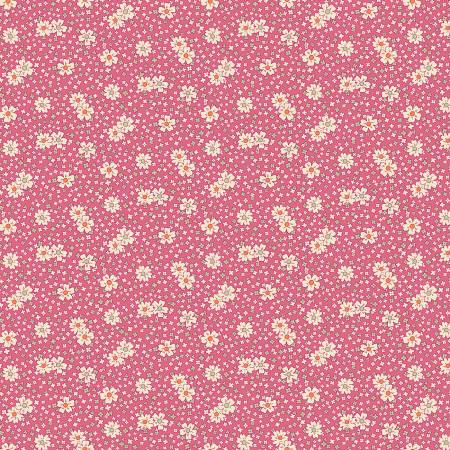
Judie Rothermel's Aunt Grace line is the longest-running thirties reproduction program in the industry, and the prints are pulled from real Depression-era feedsacks. The Calicos group is the current sweet spot: Pink Lattice, Pink Blooms, and Yellow Picnic, plus Lattice in Blue. Rounding out the shelf: Aunt Grace 6262-0376 and 6260-0333. Aunt Grace prints are small-scale by design - they read as texture from across the room, which is exactly what a thirties quilt wants.
Nana Mae (Henry Glass)
Henry Glass's Nana Mae series is the softer, sweeter take - more nursery pastel than feedsack. We stock pieces across several series: Nana Mae V in Green, Nana Mae 6 in Aqua Green, and Nana Mae 365 in Aqua. If you're mixing programs, Nana Mae aquas and greens sit beautifully next to Aunt Grace pinks and yellows - the palettes were built from the same era.
Everything But the Kitchen Sink (RJR)
RJR's Everything But the Kitchen Sink is the deep-catalog feedsack program - the name is the point, since the original sacks printed everything from florals to novelty conversationals. Current pieces on the wall: 3307-002, 3313-001, Angel's Breath in Lemon Zest (series XVI), 5402-MG, RJ65111-CA4, and 6112-AP5. RJR also runs the coordinating Dots and Stripes basics that work as bindings and sashing for any thirties project.
Corey's Tips for Thirties Quilts
Repro quilts want a background. The classic move is a soft white or unbleached muslin between blocks so the small prints get room to breathe - our solids and muslin wall has plenty of candidates. Buy fat quarters wide rather than yardage deep: thirties quilts live and die on print variety, and a stack of 20 different prints beats 5 yards of 4. And don't over-match - the original quiltmakers used what the feed store had that week, and the charm is in the clash.
Frequently Asked Questions
What are 1930s reproduction fabrics?
They're modern quilting cottons printed with designs copied from Depression-era feedsacks and dress goods. Programs like Aunt Grace, Nana Mae, and Everything But the Kitchen Sink reproduce authentic 1930s prints in period-accurate pastels on today's quilt-shop-quality cotton.
Can I mix Aunt Grace, Nana Mae, and RJR reproductions in one quilt?
Absolutely - all three programs draw from the same era's palette of soft pinks, aquas, yellows, greens, and lavenders, so they blend seamlessly. Scrap variety is the whole point of a thirties quilt.
What quilt patterns work best with reproduction fabrics?
Classic Depression-era patterns: Grandmother's Flower Garden, Dresden Plate, Sunbonnet Sue, Double Wedding Ring, and simple scrap patterns like Nine Patch. Small-scale repro prints shine in small pieces.
What background fabric goes with thirties reproductions?
Soft white, ivory, or unbleached muslin is the traditional choice - it mimics the flour-sack backgrounds of original quilts and lets the small prints read clearly.