A Sharp Blade Is a Safe Blade
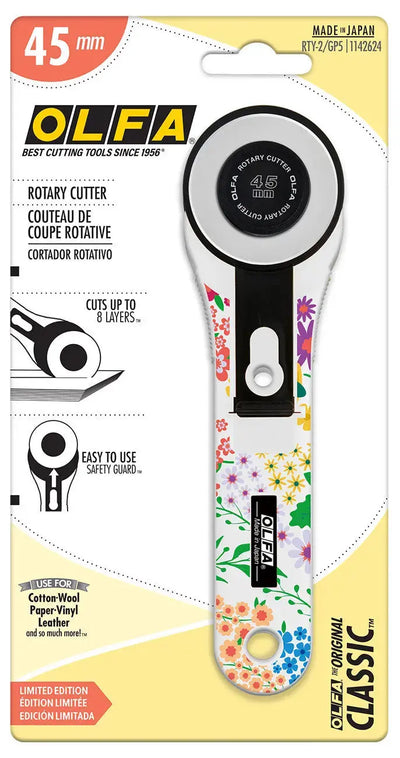
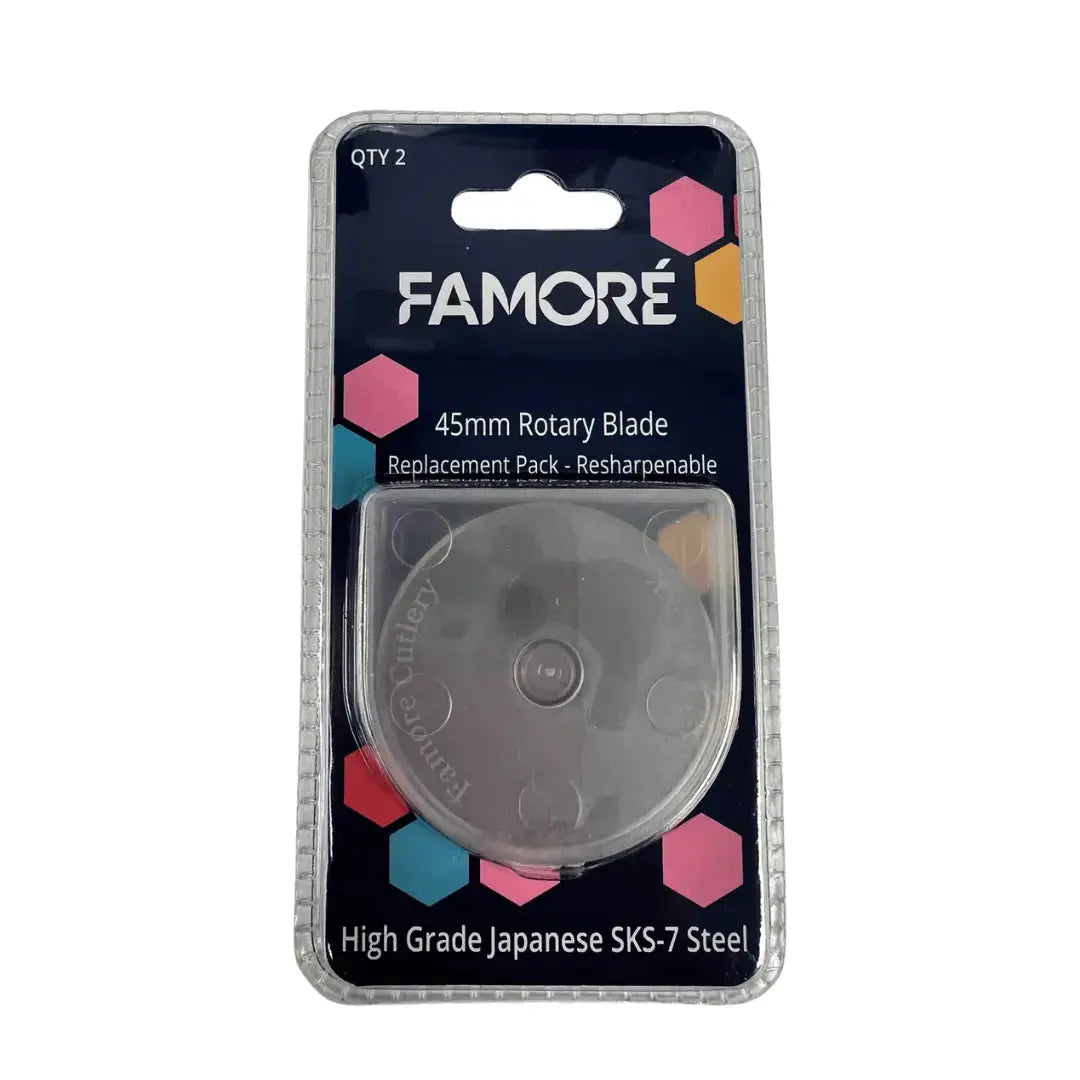
The single most common mistake quilters make with rotary cutters is using a dull blade far past its useful life. A sharp blade cuts cleanly with light pressure. A dull blade requires heavy pressure, creates ragged edges, and -- counterintuitively -- is more dangerous than a sharp one because the increased force needed to complete cuts reduces control. Famore 45mm Rotary Cutter Replacement Blades are the purpose-made replacement for Famore cutters including Linda's 45mm Ergonomic Rotary Cutter and the Famore 400RT, keeping your precision cutter performing as it was designed to perform.
When to Replace Your Blade
Replace your rotary blade when: you notice the cutter skipping over threads rather than cutting them cleanly, you need to apply noticeably more pressure to complete a cut, the cut edge of your fabric is ragged or slightly frayed rather than clean, or you hear a scraping sound rather than a smooth rolling sound during cutting. Do not wait for the blade to become completely non-functional -- at that point you have already been producing sub-optimal cuts for some time. A good practice is to replace the blade at the start of every major project or after approximately 8 to 10 hours of active cutting.
Top 10 Reasons to Keep Replacement Blades on Hand
- Maintain Cutting Precision -- A fresh blade is the single biggest determinant of cut accuracy after the ruler and mat.
- Reduce Hand and Wrist Fatigue -- Sharp blades require minimal pressure; dull blades require force that accumulates as fatigue.
- Eliminate Ragged Cut Edges -- Clean, sharp blades produce the precise edges that accurate piecing demands.
- Reduce Fabric Fraying -- Sharp blades cut fibers cleanly without dragging; dull blades drag fibers and create fraying at cut edges.
- Never Stop a Project for a Blade Change -- Keeping a 2-pack on the shelf means a blade change is a 2-minute break, not a trip to the store.
- Safety Through Control -- Sharp blades cut with light pressure and consistent control; dull blades are the leading cause of slipping accidents.
- Maintain Your Premium Cutter Investment -- You bought a premium Famore or Linda's cutter for a reason; replace the blade regularly and the cutter delivers on that investment continuously.
- Batch Cutting Efficiency -- For extended batch cutting sessions (cutting a full quilt's worth of strips and squares), starting with a fresh blade maintains speed and precision throughout.
- Cost-Effective Maintenance -- Blades are inexpensive relative to the cost of recutting fabric due to imprecise cuts from a dull blade.
- Teaching Environments -- Keep replacement blades available for classes where student use accelerates blade wear faster than individual use.
How to Replace a Rotary Blade Safely
Always close the safety shield before handling the blade area. Disassemble the cutter over a flat surface (not your lap). Remove the used blade carefully -- it is sharp even when dull. Place the used blade in a protective container or the original packaging before disposal. Never place a loose used blade in a trash can where it can injure someone. Install the new blade following the cutter's assembly instructions, ensuring all components seat properly before tightening. Test the safety mechanism before the first cut.
Compatibility
These replacement blades are made for Famore cutters including Linda's 45mm Ergonomic Rotary Cutter and the Famore 400RT. They use the standard 45mm blade format and are compatible with most 45mm rotary cutters from other manufacturers as well.
Frequently Asked Questions
How many cuts does a blade last?
Blade life depends on cutting surface, fabric type, and technique. On a quality self-healing mat cutting quilting cotton, a blade can last 6 to 10 hours of active cutting. On rougher surfaces or through multiple thick layers, life shortens. When performance drops, replace -- don't calculate.
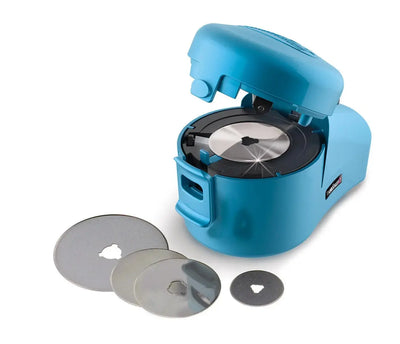
Can I sharpen rotary blades instead of replacing them?
Rotary blade sharpeners exist but produce inconsistent results. Premium replacement blades are inexpensive enough that replacement is more reliable and economical than sharpening.
Are the blades appropriate for cutting other materials?
These blades are optimized for fabric. Using them on paper, vinyl, or other materials dulls them rapidly and should be avoided to preserve blade life for fabric cutting.
Shop Famore 45mm Rotary Cutter Replacement Blades
Two fresh blades, ready when you need them. The most cost-effective performance upgrade in your cutting station.