Ball Point vs. Sharp Point: The Critical Distinction
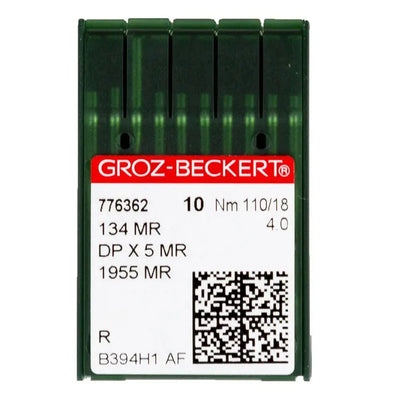
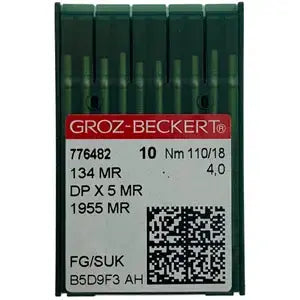
The two standard #18 needle options serve fundamentally different fabric types through their point geometry. The #18 MR 4.0 R-Point (Regular Sharp) pierces through fabric weave -- appropriate for standard woven quilting cotton. The #18 MR 4.0 FG Ball Point pushes fabric fibers aside rather than piercing them -- the correct choice for tightly woven fabrics, stretch fabrics, densely woven batiks where a sharp point could cut individual fibers, and Minky/fleece where the pile fibers need to be pushed aside cleanly. Using a sharp needle on fabrics that need a ball point can cause fabric damage, skipped stitches, and irregular stitch appearance.
When to Choose Ball Point Over Sharp
The guidelines are straightforward: for standard woven quilting cotton, the R-Point (sharp) is the standard. For tightly woven batiks and high-thread-count cottons where skipped stitches occur with the sharp, switch to ball point. For Minky and plush fabrics like Cuddle 3 Minky, ball point is always the better choice. For stretch fabrics and knit quilting materials, ball point prevents the fabric damage that sharp points cause. For silk, ball point protects the fiber structure from sharp-point cutting.
Top 10 Uses
- Batik and High-Thread-Count Cotton Quilting -- Tightly woven batik fabric benefits from the ball point that pushes fibers aside rather than cutting them.
- Minky and Plush Fabric Quilting -- The standard needle for Minky-backed quilts and plush fabric work.
- Stretch and Knit-Content Fabric -- Any fabric with stretch content should be quilted with a ball point needle.
- Silk and Silk-Blend Fabric -- Ball point protects delicate silk fiber structures from sharp-point damage.
- High-Density Quilting Cotton -- Very tight weave cotton where the sharp point causes skipped stitches, switching to ball point often resolves the issue.
- Flannel Quilting -- Flannel's soft, slightly fuzzy surface accepts ball point needle penetration most cleanly.
- Fleece and Polar Fleece Work -- Any polar or anti-pill fleece fabric benefits from ball point needle penetration.
- Troubleshooting Skipped Stitches -- When skipped stitches occur on specific fabrics with a sharp needle, switching to ball point frequently resolves the issue.
- Mixed-Fabric Quilts With Stretch Elements -- When the quilt top includes any stretch or knit fabrics among the standard cotton pieces.
- Completing the #18 Needle Set -- Stock both R-Point and FG ball point #18 needles to be prepared for any fabric type at the standard needle size.
Frequently Asked Questions
Can I use ball point needles for all quilting cotton?
Ball point needles work on standard quilting cotton, but the R-Point (sharp) typically produces slightly cleaner stitch definition on standard woven cotton. For the best results on standard cotton, use the sharp. Switch to ball point when the fabric specifically benefits from it.
How do I know if I need ball point vs. sharp?
If you experience skipped stitches or hear popping sounds during needle penetration, ball point may help. Test on a scrap of the specific fabric before committing to the full quilt.
Shop Groz-Beckert #18 MR 4.0 FG Ball Point Needle
The ball point standard. For batiks, Minky, stretch fabrics, and any tightly woven fabric that benefits from pushed-aside fibers.