Join Batting Without a Ridge
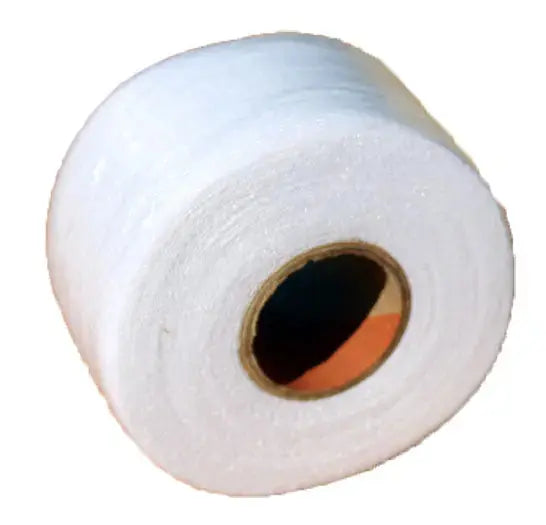
Occasionally, the batting you have is not quite wide enough -- a 96-inch roll for a king top that runs 100 inches, a partial roll that ends just short of the next quilt's length, or a project that requires a custom batting width that no standard roll provides. The standard approach is to seam two pieces of batting together with a whip stitch or machine zigzag. The problem with stitched seams is that they create a ridge line that can show through the quilt surface as a subtle raised line in the finished quilting. Heat Press Batting Together Tape eliminates this problem: a fusible batting tape that joins two batting edges with an iron-activated adhesive, creating a flat, invisible joint that performs like a continuous batting surface. Applied with a reliable iron like the Reliable Velocity, it turns batting remnants back into usable inventory.
How the Tape Works
Heat Press Batting Together Tape is a narrow, iron-activated fusible tape designed specifically for batting-to-batting bonding. Position two batting edges butted together without overlap. Place the tape centered over the joint. Press firmly with a dry iron at the cotton setting for 10 to 15 seconds. The heat activates the adhesive, bonding both batting edges to the tape and holding them flat and aligned. The resulting joint has no ridge, no seam, and no visible line through the quilt surface. It can be quilted across normally without any evidence of the join.
Top 10 Uses
- Extending Narrow Batting for Wide Tops -- Add a strip to a 96-inch roll to cover a king top that exceeds 96 inches.
- Joining Partial Roll Remnants -- Use up short end-of-roll pieces by joining them for the next project.
- Custom Width Batting Construction -- Build any batting width needed from available stock without ordering a new roll.
- Repairing Batting Tears -- Repair a batting piece that was accidentally torn during loading without discarding it.
- Length Extension -- Join two pieces for a longer batting when the roll runs short.
- Joining Different Batting Types -- Bridge a batting transition for a project that requires a specific total batting dimension.
- Waste Reduction -- Use batting scraps and remnants that would otherwise be discarded.
- Competition Quilts Where Batting Seam Is Disqualifying -- Eliminate a visible seam ridge that judges would note as a technical flaw.
- Client Quilts Requiring Precise Batting Coverage -- Ensure adequate batting coverage on every client quilt without waste.
- Production Efficiency -- Stock a single roll width and extend as needed rather than maintaining multiple roll widths in inventory.
Tips for Best Results
Butt the batting edges without overlap -- the tape bridges the gap and any overlap creates a ridge. Use a dry iron rather than steam for the initial bond. Press firmly with the iron flat against the batting surface. Allow the bond to cool completely before handling the joined batting. Load on the longarm with the joint running perpendicular to the quilting direction when possible, as this orientation distributes any stress on the joint more evenly during quilting.
Frequently Asked Questions
Is the joined batting safe to wash?
Yes. The heat-pressed bond maintains integrity through washing. The batting can be laundered normally once the finished quilt is complete.
How wide is the tape?
Heat Press Batting Together Tape is approximately 3/4 to 1 inch wide -- wide enough for a secure bond without adding visible bulk at the joint.
Can it be used on all batting types?
Yes -- compatible with cotton, polyester, cotton-poly blend, and wool battings. Test on a scrap first for very delicate or specialty battings.
Shop Heat Press Batting Together Tape
Invisible batting joins, no ridge, no seam line. The solution for every batting width challenge.