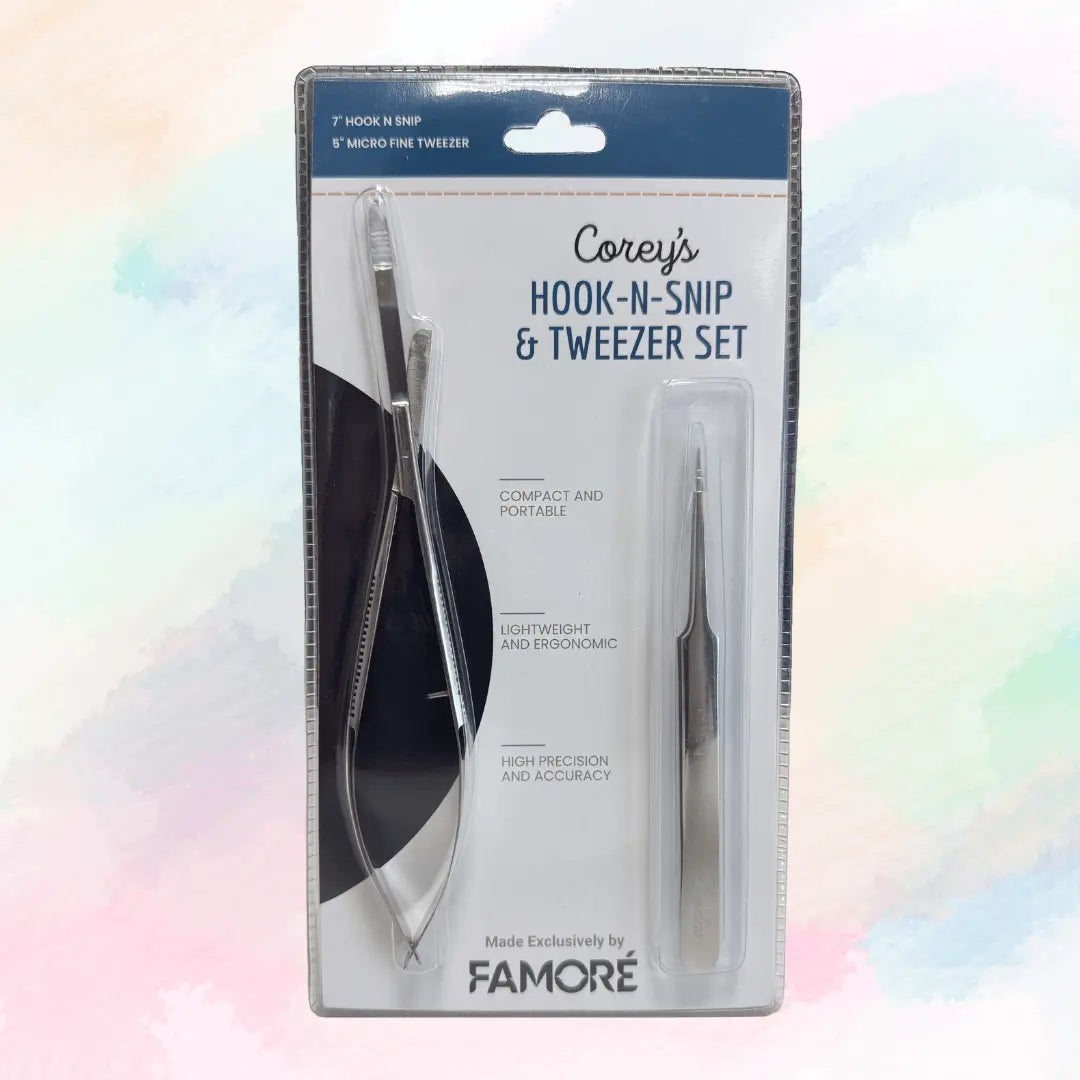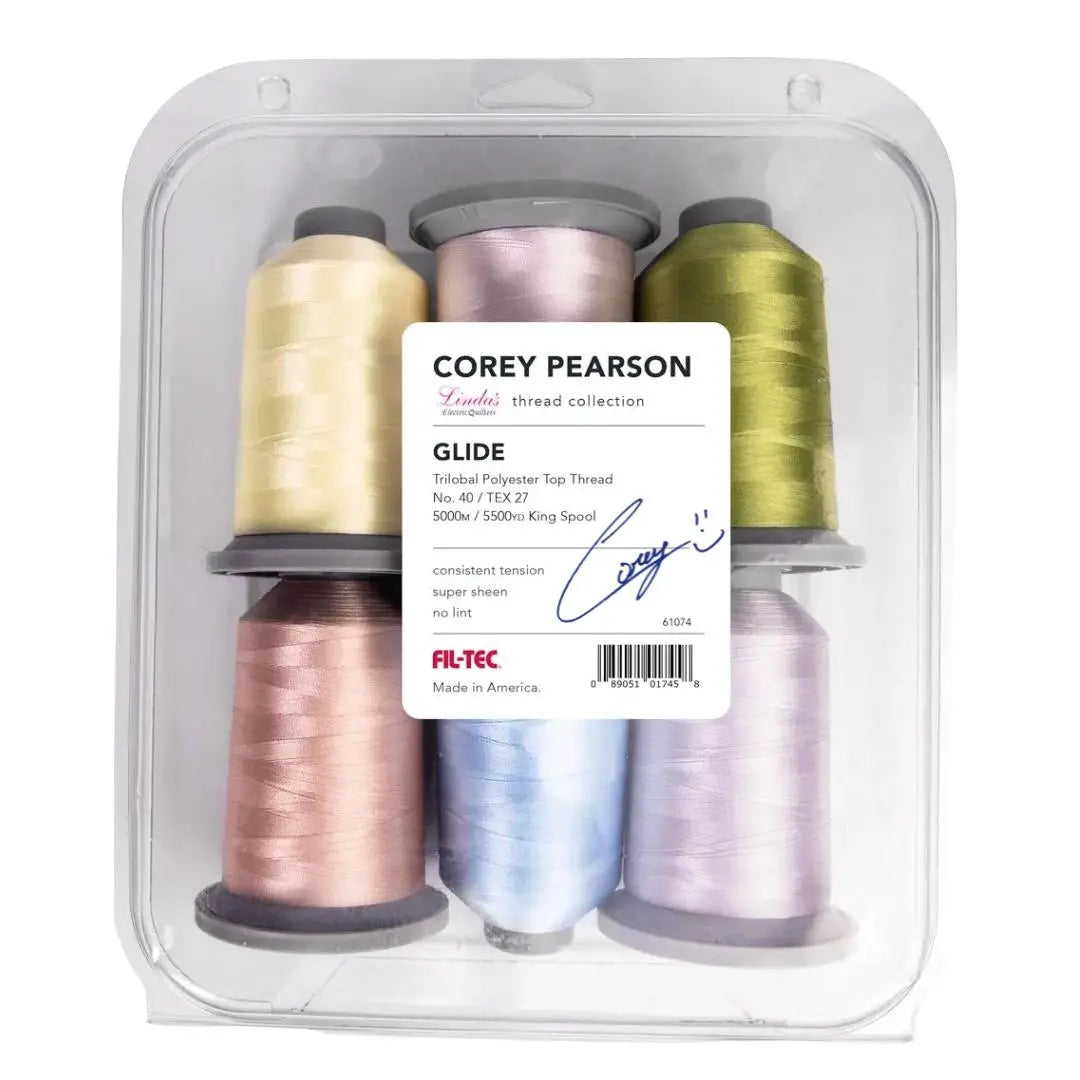

If you're standing in front of a wall of hoops, floss, needles, and little gadgets wondering what you need, you're not alone. Most new stitchers don't need a giant shopping basket. They need the right starting point. For cross stitch, that starts with 14-count Aida fabric, six-strand cotton floss, a size 24 tapestry needle, and fine-point embroidery scissors, which are the foundational standards described in this cross stitch accessories guide. Once those are in place, the rest of the accessories for cross stitch should solve a specific problem such as uneven tension, tangled floss, or hand fatigue.
At Linda's in McKinney, Texas, we help beginners sort through that exact confusion every day. Our team handles plenty of quilting and sewing tools, but the same practical rule applies in cross stitch too. Buy tools that fix a problem you already have, not tools that only look useful in the package.
Suggested URL slug: /blog/accessories-for-cross-stitch
Meta description: Learn which accessories for cross stitch you really need. Shop smart at Linda's and get the right tools to finish your next project.
Starting Your Journey The Right Accessories for Cross Stitch
You sit down ready to start stitching, then realize you've spent more time comparing tools than making a single X. That's usually the first hurdle. The good news is that most accessories for cross stitch fall into three clear tiers: must-have, should-have, and advanced.
The must-have tier gets you stitching today. The should-have tier makes stitching easier and neater. The advanced tier helps you handle larger, fussier, or more polished projects with less frustration. If you think of the aisle that way, the choices get much simpler.

What belongs in your first basket
Start with tools that create a clean, stable stitching setup:
- Fabric: Aida is the usual beginner canvas because the grid is easy to see.
- Floss: Six-strand cotton floss gives you flexibility in coverage and texture.
- Needle: A tapestry needle glides through the holes instead of piercing threads.
- Scissors: Fine-point embroidery scissors keep thread cuts clean and controlled.
Then add one tensioning tool. A hoop or frame changes how the fabric behaves in your hands, which changes how your stitches look. That single choice often matters more than people expect.
Practical rule: If a tool doesn't help you see better, hold tension better, cut cleaner, or manage thread better, you probably don't need it for your first project.
If you're gathering supplies for the first time, a beginner kit can save you from mismatched tools and uncertain choices. It's also an easy way to move from browsing to stitching without overbuying. If you'd like a simple place to start, take a look at beginner-ready supplies and kits on Linda's.
The Core Four Must-Have Cross Stitch Supplies
Walk into the cross stitch aisle for the first time and everything can look equally important. It is not. The easiest way to shop is to sort tools by the problem they solve. In the must-have tier, you need four supplies that let you count accurately, form clean stitches, and cut thread without a fight: Aida fabric, cotton embroidery floss, tapestry needles, and fine-point scissors.

Why 14-count Aida is the usual starting fabric
Fabric is the floor of the whole project. If that floor is easy to read, everything else gets easier too.
14-count Aida is the usual beginner choice because the holes are visible and evenly spaced. That clear grid helps you place each stitch in the right spot instead of squinting, recounting, and second-guessing yourself. For a new stitcher, that solves the first big problem: losing your place.
It also pairs well with a size 24 tapestry needle. The needle slides through the existing holes rather than forcing its way between threads, which helps the fabric stay neat and helps your hands settle into a rhythm.
A quick store-shelf note helps here. Not every fabric that looks attractive is meant for counted stitching. For example, “Monterey Gate” Embossed Chenille Fabric is a polyester upholstery fabric for home decor and structured sewing projects, not a cross stitch ground fabric. It is a good reminder that fabric type matters just as much as color or texture.
Why floss belongs in the must-have tier
Floss solves the obvious problem. You need something to make the design. But the right floss also solves a beginner issue that shows up fast: coverage that looks too thin or too bulky.
Six-strand cotton embroidery floss gives you options because you can separate the strands. That means you can adjust how full your stitches look without changing the pattern itself. If your stitches seem heavy, use fewer strands. If the fabric shows through more than you like, use more.
That flexibility is part of why cotton floss is the standard starting point. It behaves predictably, which matters when you are still learning how tightly to pull and how to keep your top stitches lying in the same direction.
Why a tapestry needle makes stitching easier
Needle choice looks small until you use the wrong one.
A blunt-tipped tapestry needle is made for counted fabric. The tip helps you find the hole instead of piercing the weave, and the eye is large enough for embroidery floss. That solves two common frustrations at once: split fabric threads and frayed floss.
Size matters too. A size 24 needle usually works well with 14-count Aida because the pairing is balanced. Too fine, and you may poke into the fabric instead of through the hole. Too large, and the fabric can feel crowded.
Why fine-point scissors are part of the foundation
Scissors earn their place by solving one repeated annoyance. Messy thread ends.
Fine-point embroidery scissors let you trim close to the thread with control, which makes color changes, thread starts, and finishing work cleaner. Sharp tips also make threading easier because the cut end stays crisp instead of flattening or fuzzing up.
Many beginners try to use household scissors first. The problem is not only size. A thicker blade is harder to place accurately, especially when you are trimming near fabric or snipping one short tail on the back.
The must-have list at a glance
| Supply | Problem it solves | Why beginners notice the difference |
|---|---|---|
| 14-count Aida | Hard-to-see stitch placement | The visible grid makes counting and spacing easier |
| Six-strand cotton floss | Uneven coverage | You can adjust strand count for a fuller or lighter look |
| Size 24 tapestry needle | Split threads and rough stitching | It passes through fabric holes cleanly |
| Fine-point embroidery scissors | Frayed ends and awkward trimming | Clean cuts make stitching and rethreading easier |
If you are choosing between must-have, should-have, and advanced tools, start here. These four are the supplies that remove the biggest beginner obstacles first. Once they are working well, you can judge optional accessories by a simple question: what problem keeps interrupting your stitching?
Level Up Optional Tools for Better Stitching
You sit down after dinner for a quiet half hour of stitching. Ten minutes later, your needle has vanished, two floss colors are wrapped around each other, and the chart looks fuzzier than it did yesterday. That is the point where the should-have tier starts to matter.

These accessories for cross stitch do not replace fabric, floss, a needle, and scissors. They solve the interruptions that make stitching feel harder than it is. I usually tell customers to shop for this tier by problem, not by gadget. If something keeps breaking your rhythm, there is often a small tool that fixes it.
Small tools that solve specific problems
A good optional tool should answer one clear question: what keeps going wrong?
- Needle minder: Solves lost-needle trouble. If your needle keeps ending up in the sofa or carpet, a magnetic minder gives it a home between stitches.
- Floss bobbins or project organizers: Solve tangled colors and messy starts. They keep active thread separated so you spend less time sorting and more time stitching.
- Thread snips or a second pair of sharp embroidery scissors: Solve slow color changes. Keeping a dedicated cutting tool with the project saves reach-and-search time.
- Task lighting: Solves poor hole visibility, especially on dark fabric or during evening stitching.
- Magnification: Solves eye strain and chart-reading fatigue when symbols are small or packed closely together.
The pattern here is simple. These tools protect your attention.
Tangled floss is usually a setup issue
Beginners often assume knotting means they are handling the needle wrong. Sometimes the problem starts before the needle even moves. Loose lengths of thread rub together, active colors get mixed, and the working strand picks up twist as you stitch.
A floss organizer works like a labeled parking lot for thread. Each color has a place, so strands stay separate instead of drifting into a pile in your lap or project bag. If tangling keeps happening, start there. If the thread still twists after that, a thread conditioner may help some stitchers, but organization usually fixes the larger part of the problem.
Keep your active floss separated before you blame your needle. A simple organizer often fixes what feels like a stitching problem.
Pro tip callout box
Pro tip
When you weave in thread ends, the needle can become hard to push through the stitched fabric. A practical fix shown in this weaving-in demonstration is to use a thimble attached to your finger with double-sided tape so you can apply more pushing force without slipping.
That little trick is especially helpful near the end of a project, when stitched areas get dense and your fingers start doing more pushing than guiding.
Better organization improves stitching rhythm
Cross stitch has a rhythm to it. Thread the needle, place the stitch, move to the next space, check the chart, keep going. Every time you stop to hunt for a color, untie a knot, or look for your needle, that rhythm breaks.
If you'd like a visual way to organize thread and small notions, this quick video is worth watching before you set up your next project.
Good organization also helps with stitch quality. Less handling means less twisting, less fuzzing at the cut end, and fewer chances to drag one color through another. It is the same idea as keeping ingredients laid out before cooking. You make better progress because you are not searching for what should already be in reach.
Should-have accessories worth considering
If you are deciding what to buy next, use your own stitching habits as the guide.
- Choose a magnetic needle minder if you lose needles or set them down absentmindedly.
- Choose bobbins, floss drops, or a project organizer if your thread tangles or colors get mixed.
- Choose a lamp or magnifier if evening stitching leaves your eyes tired or your counting less accurate.
- Choose a project pouch if you carry your stitching from room to room and want scissors, needles, and floss in one place.
A gentle shop-floor warning. Optional tools should remove friction, not become a new hobby all by themselves. Pick one or two that solve your most common annoyance, then let the stitching tell you what deserves to join the kit next.
Comparing Hoops Frames and Stands for Perfect Tension
Tension changes everything. Fabric that shifts under your hands won't give you consistent stitch length or stitch angle. A secured surface does. That's why embroidery hoops and frames are described as essential tensioning accessories that hold fabric taut and help stitches become even and neat.
Why the holder affects the stitch
Without support, the fabric has natural give. That give lets the stitch pull the ground unevenly, which can lead to puckering or oddly shaped Xs. A hoop, Q-snap, or frame creates a flatter working plane, and that lets your hand repeat the same motion more consistently.
There's also a geometric side to this. Some stitchers focus only on thread and needle feel, but the way fabric is held can influence stitch angle consistency too. That's especially noticeable on larger pieces where slack creeps in across the work.
Tension tool comparison hoops vs Q-snaps vs scroll frames
| Tool Type | Tension Quality | Fabric Creasing | Best For |
|---|---|---|---|
| Round hoops | Good for many small projects | More likely to leave hoop marks than distributed systems | Beginners, travel stitching, smaller motifs |
| Q-snaps | Strong, even hold with distributed pressure | Tends to minimize creasing compared with traditional hoops | Stitchers who want firm grip and easy setup |
| Scroll frames | Stable hold across a wider area | Less fabric compression in the active stitching zone | Larger projects, long sessions, counted work with broad coverage |
Which one should you choose
A round hoop is often the easiest place to start. It's familiar, portable, and simple to tighten. If you mostly stitch small designs, it does the job.
A Q-snap is useful when you dislike crushed fabric or want a broader grip around the work. The distributed pressure can feel steadier in hand.
A scroll frame makes sense when the project is large enough that constant repositioning becomes annoying. Pairing a larger frame with a lap stand or floor stand can also reduce fatigue because you're not hand-holding the full setup for long stretches.
Neat stitches don't come from hand skill alone. They come from stable fabric, repeatable motion, and consistent tension.
If you're shopping by problem, this is the easy rule. Choose hoops for portability, Q-snaps for firmer grip with less creasing, and scroll frames for larger work that needs sustained tension. If you want to compare options in your own project style, browse the hoops and frame tools at Linda's.
Advanced Accessories for a Flawless Finish
You finish a long evening of stitching, hold the piece up to the light, and notice three frustrating things at once. A count is off in one corner, two shades of floss have knotted into each other, and the fabric is ready to be stitched but not ready to be displayed. That is usually the moment a stitcher steps from Should-Have tools into Advanced tools.

Advanced accessories solve problems that show up late in a project, when fixing mistakes takes more time and patience. I usually point customers toward this tier when they are stitching full-coverage charts, working with many color changes, or hoping for a cleaner finish on both the front and back. You do not need every tool in this group. You need the ones that match the problem in front of you.
Advanced tools, sorted by the problem they solve
A gridding system helps with counting accuracy. On a large chart, gridding works like the lines on notebook paper. It breaks a big field into smaller, easier blocks, so your eyes are not counting the same tiny squares over and over. If you tend to misplace stitches or lose your spot after a break, gridding thread or a temporary fabric marker can save real frustration.
Thread conditioners and project organizers help with control. They are useful for stitchers whose floss keeps twisting, fraying, or tangling during long sessions. If your active colors end up in a loose pile beside you, an organizer turns that mess into a readable system. The benefit is simple. Less time untangling. More time stitching accurately.
Finishing tools solve the last-stage problems that basic supplies do not address. Clean pressing cloths, mounting boards, acid-free supplies, and careful framing materials help a finished piece lie flat and look intentional. A lovely design can lose some of its charm if the final mounting is crooked or the fabric shows ripples.
What belongs in the Advanced tier
Here are the accessories I place in this category most often:
- Gridding supplies for preventing counting mistakes on large or dense patterns
- Thread conditioners for floss that twists, catches, or behaves unevenly
- Project organizers for charts with frequent color changes and many active strands
- Finishing tools for pressing, mounting, and preparing a piece for display
The easiest way to decide is to listen to your last annoyance. If you keep recounting, add gridding. If your thread keeps misbehaving, add a thread-control tool. If your stitching is finished but the piece still looks unfinished, shift your budget to presentation.
A polished finish starts before the last stitch
Good finishing is part of stitching, not a separate chore at the end. Fabric handled carefully from the start is easier to press. Threads managed neatly during the project leave less bulk on the back. Accurate counting keeps borders and margins square, which matters a great deal once the piece is mounted.
If you plan to frame your work professionally, this guide can help you find local cross stitch framing. If you prefer to finish pieces yourself, keep a trusted tutorial nearby and work slowly. The neatest framed pieces usually come from steady prep, not rushed correction.
A flawless finish begins with fewer mistakes, calmer thread, and a project that stays orderly from the first stitch to the final press.
Advanced accessories are not about collecting more tools. They are about removing the specific obstacles that keep good stitching from looking finished.
Frequently Asked Questions About Cross Stitch Accessories
What size needle should I use for cross stitch
Cross stitch tapestry needles are commonly sized from #24 to #28, with lower numbers indicating larger diameters suitable for penetrating Aida fabric or linen without damaging the weave, as summarized in this cross stitch needle discussion. If you're using beginner-friendly 14-count Aida, many stitchers begin with the larger end of that range.
Do I really need a hoop for cross stitch
You can stitch without one, but fabric support changes stitch consistency. A hoop or frame helps hold the ground taut so your stitches stay more even. If your work looks puckered or your Xs vary in shape, tension support is often the first thing to improve.
Which accessories help with tangled floss
Focus on thread management, not just thread brand. Organizers, bobbins, and conditioners help keep active strands separated and easier to control. If your floss repeatedly knots, your setup probably needs adjustment.
What should a beginner buy first
Start with the basics that let you begin immediately: suitable fabric, embroidery floss, a tapestry needle, and fine-point scissors. Then add one tension tool and one simple organizer if you know you dislike clutter.
Which cross stitch accessories are most popular right now
The market for cross stitch accessories has clear leaders. In the U.S. category tracked by ASIN sales data for cross stitch accessories, the top-ranked product B08KGTFR6T records 10,000 monthly sales units, matching B0F99YDJFF at 10,000, while B07WNRN9WQ records 7,000 monthly sales. That tells you shoppers strongly favor a small group of established accessories, especially the tools that become regular purchases rather than one-time curiosities.
FAQ schema
<script type="application/ld+json">
{
  "@context":"https://schema.org",
  "@type":"FAQPage",
  "mainEntity":[
    {
      "@type":"Question",
      "name":"What size needle should I use for cross stitch?",
      "acceptedAnswer":{
        "@type":"Answer",
        "text":"Cross stitch tapestry needles are commonly sized from #24 to #28, with lower numbers indicating larger diameters suitable for Aida fabric or linen."
      }
    },
    {
      "@type":"Question",
      "name":"Do I really need a hoop for cross stitch?",
      "acceptedAnswer":{
        "@type":"Answer",
        "text":"You can stitch without one, but a hoop or frame helps hold fabric taut so stitches stay more even and the finished surface puckers less."
      }
    },
    {
      "@type":"Question",
      "name":"Which accessories help with tangled floss?",
      "acceptedAnswer":{
        "@type":"Answer",
        "text":"Thread organizers, bobbins, and thread conditioners help keep active strands separated and reduce twisting and tangling during stitching."
      }
    },
    {
      "@type":"Question",
      "name":"What should a beginner buy first?",
      "acceptedAnswer":{
        "@type":"Answer",
        "text":"Start with fabric, embroidery floss, a tapestry needle, and fine-point scissors. Then add a hoop or frame and a simple organizer if needed."
      }
    }
  ]
}
</script>
If you're ready to stop guessing and start stitching, shop the full selection at Linda's Electric Quilters. You'll find fabric, needles, notions, and finishing supplies that help you address common problems in cross stitch and finish your project with confidence.