Best Fabrics for Quilting: An Educational Project Guide
Best Fabrics for Quilting: An Educational Project Guide: Walk into any quilt shop, and you'll find yourself surrounded by bolts of beautiful fabric. When starting a new project, understanding the best fabrics for quilting is the first step toward success. Quilter's cotton is the tried-and-true champion for a reason. Its stability, endless variety of prints, and forgiving nature make it the perfect starting point for nearly any quilting project, from a simple nine-patch to a complex masterpiece.
This guide will walk you through the top fabric contenders, helping you match the right material to your vision and giving you the confidence to select the perfect supplies at Linda's to finish your project.
Getting to Know Your Quilting Fabric Options
The foundation of any quilt—the thing that makes it last for generations—is the fabric you choose. Getting this right from the start makes the entire creative process smoother and ensures your finished quilt is something you can be proud of. While you can quilt with almost anything, a few key players have earned their spot at the top for performance and reliability.
Understanding the 'why' behind each fabric gives you the confidence to pick the perfect one for your next project. Cotton, for instance, is the undisputed king, dominating a global quilt market valued at around $5.3 billion. It’s breathable, strong, and easy to wash—all qualities you want in a quilt, whether it’s hanging on a wall or snuggled on a bed. You can get the full rundown on these market trends in this report on the quilt market.
The Main Players on the Cutting Mat
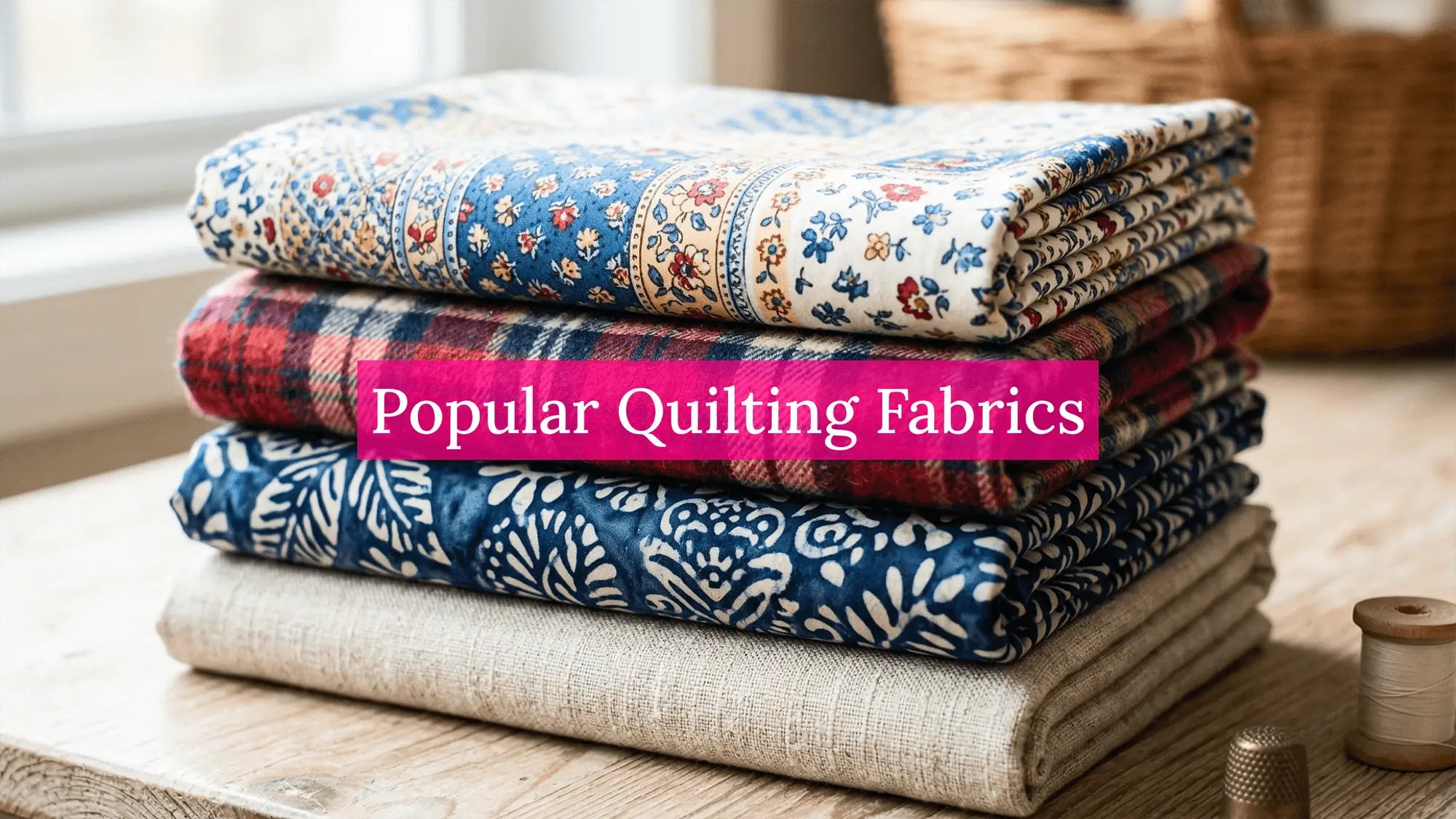
Let’s meet the fabrics you’ll encounter most often. Each one brings something special to the table.
- Quilter's Cotton: This is the industry benchmark. Its tight weave and minimal stretch are exactly what you need for precise piecing that lines up perfectly.
- Flannel: A type of brushed cotton, flannel is all about softness and warmth. It’s the go-to for those extra-cozy quilts destined for a chilly night.
- Batiks: These are cotton fabrics dyed using a wax-resist technique. The result is stunning, multi-tonal color and a uniquely crisp feel.
- Linen Blends: For a touch of sophistication, linen blends offer a beautiful texture and an elegant drape. They’re perfect for creating heirloom-quality quilts with a bit of character.
Quick Guide to Quilting Fabric Characteristics
Every fabric has its own personality. Before we dive deeper, this little chart gives you a quick snapshot of what to expect from each one and helps you start thinking about which might be right for your project.
| Fabric Type | Best For | Key Characteristic | Skill Level |
|---|---|---|---|
| Quilter's Cotton | Traditional patchwork, modern quilts, appliqué | Stable, crisp, minimal stretch, holds a press | Beginner to Expert |
| Flannel | Warm bed quilts, baby blankets, rag quilts | Soft, cozy, prone to shrinking and fraying | Beginner to Intermediate |
| Batiks | Artistic wall hangings, intricate piecing | High thread count, vibrant color, no wrong side | Intermediate to Expert |
| Linen Blends | Heirloom quilts, home décor projects | Textured, elegant drape, prone to wrinkling | Intermediate to Expert |
This overview should get your wheels turning. Now, you’re ready to explore what makes each of these fabrics unique. To get inspired, take a look at Linda's amazing fabric collection and find the perfect material to bring your vision to life.
Quilter's Cotton: The Undisputed Industry Standard
When you picture the perfect quilting fabric, chances are you're thinking of 100% quilter's weight cotton. There's a good reason it's the gold standard. It provides a stable, reliable foundation that makes the entire quilting process a joy and ensures the finished quilt is built to last. This fabric is specifically engineered for the demands of quilting, which sets it miles apart from other cottons you might find.
What makes it so special? Unlike the lighter, drapier cottons used for clothing, quilter's cotton has a much higher thread count—typically 68 threads per inch or more. This tight weave gives it a sturdy body, which means it frays less along cut edges and has almost no stretch. For any quilter, this is a dream. It means your carefully cut pieces hold their shape from the cutting mat to the machine, making it so much easier to get those sharp points and perfectly aligned seams.
Precision and Durability in Every Fiber
One of my favorite things about working with high-quality cotton is its ability to hold a crisp press. When you press your seams, the fabric remembers that crease, which leads to a flatter, more professional-looking quilt top. This stability is a massive advantage whether you're working on traditional patchwork or a complex modern design where every millimeter counts.
This forgiving nature makes quilter's cotton the perfect partner for beginners. When you're just starting out, you can build confidence without battling slippery or stretchy fabrics that can be incredibly frustrating. Better fabric control simply leads to better results, and that's what keeps you coming back to the craft.
The secret sauce for quilter's cotton is its finishing process. Manufacturers use special treatments to lock in the dyes and make them colorfast. This dramatically reduces the risk of colors bleeding in the wash—a lifesaver for preserving the vibrant, contrasting colors in your quilt designs.
Bringing Your Vision to Life with Cotton
Whether you're piecing a classic Log Cabin block or a bold, graphic modern quilt, cotton provides the perfect canvas. Its smooth surface is also ideal for appliqué, allowing your shapes to lie flat without puckering. And the sheer variety of prints and solids available is astounding—you can find the perfect fabric for any aesthetic imaginable.
From whimsical novelty prints for a baby quilt to sophisticated blenders for an heirloom bedspread, the possibilities are endless. While mixing different fabric types can be a fun challenge, it does require a bit of extra know-how. To learn more about combining materials, check out our guide on how to make a scrappy minky quilt for tips on handling fabrics with different personalities.
Ready to start your next masterpiece? Explore the stunning collection of premium cotton prints and solids at Linda's to find high-quality fabric that will make your project shine.
Creating Cozy Quilts with Flannel and Minky

When your project goal shifts from crisp, geometric precision to pure, unadulterated coziness, two fabrics immediately come to mind: flannel and Minky. Both are superstars of softness and warmth, making them perfect for quilts that are meant to be used, loved, and snuggled under for years to come.
Flannel is a classic for a reason. It’s a brushed cotton fabric that gets its signature fuzzy texture from a process called napping, where tiny metal brushes gently raise the fibers from its loosely spun weave. This technique creates little air pockets that trap heat, giving flannel quilts their exceptional warmth. It's a go-to for bed quilts, baby blankets, and those wonderfully rustic rag quilts.
But that soft, cuddly nature comes with a few things you need to know. Flannel’s looser weave means it can fray more than standard quilting cotton, and most importantly, it loves to shrink.
Working with Flannel
Let me be clear: pre-washing flannel is non-negotiable. Seriously. Flannel can shrink by 5% or more in its first wash, and if you skip this step, your beautifully finished quilt top will warp into a sad, puckered mess.
Here are a few tips to get it right:
- Use a Walking Foot: That brushed surface that makes flannel so soft also makes it want to shift and slide as you sew. A walking foot is your best friend here, as it feeds the top and bottom layers through your machine evenly and prevents any unwanted stretching or puckering.
- Lengthen Your Stitch: A slightly longer stitch length, somewhere around 2.8 to 3.0 mm, plays nicely with flannel's thicker, plusher texture.
- Widen Your Seam Allowance: Because flannel frays, I often use a slightly wider seam allowance, like a scant ½ inch. This gives the seams extra stability and durability, especially for a quilt that will see a lot of use.
The Luxurious Feel of Minky
If you want to take the softness to an even more luxurious level, Minky is your fabric. Minky isn't woven at all; it's a 100% polyester knit fabric. This construction is what gives it that signature ultra-soft pile and a whole lot of stretch. With its velvety feel, it has become an incredibly popular choice for quilt backings, especially for baby and kids' quilts.
While Minky is unbelievably soft, that stretchiness can be a real headache for beginners. The secret to taming Minky is all in the preparation. Unlike cotton or flannel, it doesn’t fray, but its slippery, stretchy personality requires very careful handling to keep your blocks from distorting and your seams from getting wavy.
When working with Minky, don't be shy with your pins—I mean it! Place a pin every inch or so to keep everything locked in place. Using a walking foot and a stretch needle will also make the sewing process go much, much smoother.
The passion for quilting continues to grow, with the global market now valued at around $5 billion and still expanding. This growth is driven by our shared love for crafting with comfortable, tactile textiles like cotton and flannel, which remain top choices for home projects. You can read more about quilting fabric market trends to see just how these materials are shaping the industry.
Whether you choose the classic, rustic warmth of flannel or the plush luxury of Minky, your quilt is destined to become a cozy family favorite. To get started on your next snuggly project, explore the beautiful selection of high-quality flannels and Minky fabrics at Linda's.
Adding Artistic Flair with Batiks and Linen

While quilter’s cotton is the reliable workhorse of our craft, some projects just demand a fabric with more personality. When you’re ready to move beyond standard prints and give your work a truly artistic touch, batiks and linen blends are two fantastic, beautiful alternatives.
These specialty fabrics can take a simple pattern and turn it into a genuine piece of art.
The Unique Qualities of Batik Fabrics
If you've ever seen a batik quilt, you know they're famous for their incredible color depth and unique, crackled look. Batiks are created through a hands-on, wax-resist dyeing process, which means every single bolt is one-of-a-kind. Artisans paint hot wax onto the fabric to resist the dye, then they crackle the wax, allowing thin veins of color to seep through and create those intricate patterns we love.
This process creates a deeply saturated fabric that’s just as beautiful on the back as it is on the front—so there’s effectively no "wrong side."
One of the first things you'll notice about batiks is their feel. Because of the intensive dyeing, they have a higher thread count than your average quilting cotton, making them feel wonderfully crisp and a bit stiff. This density is a huge plus for intricate piecing, as the fabric holds its shape exceptionally well and frays very little.
The rich, multi-tonal colors are perfect for artistic projects like wall hangings and landscape quilts—any design where you want to build visual texture. A word of caution, though: all that dye saturation means you have to be mindful of bleeding. It’s always a good idea to pre-wash your batiks, especially deep reds and blues, to stop any color from migrating where it shouldn't.
Embracing the Elegance of Linen Blends
For a completely different kind of sophistication, cotton-linen blends bring a gorgeous, rich texture and an elegant drape to quilts. The linen gives the fabric a distinct, slightly nubby hand that just gets softer and softer over time, giving your quilts an instant heirloom feel.
Linen blends are ideal for home décor projects like throw quilts or decorative shams, where that graceful drape can really be appreciated.
Linen blends do ask for a more mindful approach. Their weave is a bit looser, so they are prone to fraying and wrinkling. Handling them with care is key. I recommend using a shorter stitch length and finishing your seam allowances to manage fraying, while a good press with steam will tame any wrinkles.
While they demand a bit more attention, the final result is so worth the effort. The subtle, earthy texture of a linen blend quilt is simply unmatched. It creates a piece that’s both visually stunning and incredibly inviting to the touch—a fantastic choice for quilters looking to add a bit of rustic elegance to their work.
Whether you’re drawn to the vibrant, artistic chaos of batiks or the refined texture of linen, both fabrics open up whole new creative possibilities. Ready to explore? Find a curated selection of stunning batiks and linens at Linda's to bring a unique flair to your next project.
Practical Fabric Comparison For Your Project
The moment of truth! Choosing the best fabric for your quilt really boils down to what you're making. A material that’s perfect for a super-precise wall hanging might not be the coziest choice for a quilt you plan to snuggle under every night.
Let's put our top contenders—quilter's cotton, flannel, batiks, and linen blends—head-to-head. We'll look at how they really perform when the rotary cutter hits the mat. Think of it as getting to know their personalities so you can pick the one that best fits your vision.
Ease Of Cutting And Pressing
Your first steps—cutting and pressing—set the stage for the entire quilt. Get this right, and everything else falls into place much more smoothly.
- Quilter's Cotton & Batiks: These two are the champions of precision. Their tight weave and stable nature mean they lie flat, cut like a dream, and hold a beautifully crisp press. If your pattern involves sharp points or intricate piecing, you'll be glad you chose one of these. They just make life easier.
- Flannel & Linen Blends: You'll want to take a little more care with these. Flannel's soft, napped surface has a tendency to shift as you cut, and linen's looser weave can lead to some serious fraying. They also wrinkle more, so a good head of steam and a bit of patience at the ironing board are your best friends.
Durability And Washability
A quilt is meant to be loved, used, and washed. How well it holds up is a huge deal. A fabric's durability is often tied to its thread count—the higher the count, the better it tends to handle wear and tear.
This chart gives you a quick visual on how thread count relates to fabric durability.

As you can see, fabrics with a higher thread count, like batiks and top-shelf quilter's cottons, are built to last.
When it comes to washing, pre-washing is your secret weapon against laundry-day surprises. Flannel is notorious for shrinking, and those gorgeous, deeply saturated batiks can sometimes bleed their color.
A critical takeaway: Always pre-wash fabrics with intense colors, especially reds and deep blues. A quick soak in hot water with a gentle detergent helps release any excess dye, saving your lighter fabrics from a colorful disaster.
To help you get a clearer picture, here’s a breakdown of how these fabrics stack up across a few key performance metrics.
Detailed Fabric Performance Comparison
| Performance Metric | Quilter's Cotton | Flannel | Batik | Linen Blend |
|---|---|---|---|---|
| Precision Cutting | Excellent | Fair | Excellent | Good |
| Pressing & Seams | Excellent | Fair | Excellent | Good |
| Durability | Good to Excellent | Good | Excellent | Good |
| Shrinkage | Minimal | High | Minimal | Moderate |
| Wrinkle Resistance | Good | Poor | Excellent | Poor |
| Beginner-Friendly | Yes | Moderately | Yes | No |
This table shows why quilter's cotton and batiks are so often recommended for beginners—they're forgiving and predictable. Flannel and linen blends, while beautiful, just require a bit more experience to manage.
Of course, the fabric is only one part of the equation. The batting you choose inside the quilt plays a massive role in how it drapes, feels, and wears over time. If you want to dive deeper, check out our guide on unveiling the world of quilt batting.
At the end of the day, every fabric offers its own unique journey. Now that you're armed with this practical knowledge, you can head over to Linda's extensive fabric collection and choose your materials with total confidence, knowing you’ve found the perfect match for your project.
Essential Tools to Finish Your Quilt

Choosing the best fabrics for quilting is a huge step, but the journey from a gorgeous stack of fabric to a finished quilt relies on a few trusted companions. The right tools and notions don't just make the process smoother; they're what give your beautiful fabric choices the professional finish they deserve.
Think of these supplies as the supporting cast for your star fabrics. For instance, high-quality thread that matches your fabric's fiber content is non-negotiable if you want strong, lasting seams. In the same way, the correct sewing machine needle for your fabric's weight is the secret to preventing skipped stitches and protecting your material from snags.
Building Your Quilting Toolkit
To get those crisp, precise cuts and perfectly aligned blocks, every quilter needs a few core tools. These are the absolute foundation of just about every successful quilt project.
- High-Quality Thread: Always try to match your thread to your fabric. A good 100% cotton thread is the perfect partner for quilter's cotton, batiks, and flannel.
- Rotary Cutter & Self-Healing Mat: This power duo is the key to cutting fabric accurately and efficiently. A sharp blade means clean edges with minimal fraying—a must for piecing.
- The Right Batting: Batting is what really determines the warmth and drape of your quilt. Go with cotton for that classic, flat look or choose wool if you want extra loft and warmth.
For quilters looking to level up their fabric prep, tools like the AccuQuilt Ready Set Go Ultimate Fabric Cutting System can be a game-changer for speed and precision.
The right tools protect the investment you've made in your fabrics. A dull rotary blade can snag delicate fibers, and the wrong needle can cause permanent holes, compromising the integrity of your quilt top before you even start sewing.
The broader fabrics market, valued at around $152.69 billion, keeps growing, partly thanks to tech and e-commerce making beautiful materials more accessible. In a recent quarter, U.S. online retail sales hit $291.6 billion, which shows just how much easier it is for quilters everywhere to get their hands on the best tools.
Ready to complete your toolkit? Explore the amazing notions and supplies at Linda's to find everything you need to finish your next quilting project with confidence.
Common Questions About Quilting Fabrics
Even with the perfect pattern in hand, picking out your fabric can bring up a few last-minute questions. It happens to all of us! Let's clear up some of the most common queries so you can get back to your cutting mat with confidence.
Should I Always Pre-Wash My Quilting Fabrics?
In almost every case, yes! Giving your fabric a quick wash is your best insurance policy against trouble down the road. It’s absolutely essential for those deep, saturated colors like reds and royal blues that are notorious for bleeding dye onto lighter fabrics. Pre-washing also takes care of shrinkage ahead of time, which is a lifesaver with materials like flannel that can shrink a surprising amount.
The one major exception? Pre-cuts. Washing tiny pieces like charm squares or jelly roll strips is asking for a frayed, distorted mess that will be a nightmare to piece together accurately.
Pre-washing is your best defense against unexpected color migration. If you’re ever in doubt, test a swatch first. A little preparation can save you from a major color catastrophe later on.
Can I Mix Different Fabric Types In One Quilt?
You absolutely can, but it pays to be a bit strategic about it. When you're combining fabrics with different personalities—say, a crisp cotton with a drapey linen blend—pre-washing everything is non-negotiable. You need to get all that potential shrinkage out of the way before you sew.
Keep their different weights and stretch in mind, too. This is where a walking foot becomes your best friend; it helps feed both layers through your machine evenly and prevents any puckering. Mixing fabrics is a fantastic way to create incredible texture and depth in a quilt.
For a deeper dive into quilting essentials, from tools to techniques, check out our Ultimate Quilting Guide for more expert advice.
What Is The Difference Between Quilting Cotton And Regular Cotton?
This is a great question! Quilting cotton is a whole different animal, engineered specifically for our craft. It has a much higher thread count—usually 68x68 threads per inch or more—which makes it way more durable than the cotton used for a typical t-shirt.
That tighter weave is also why it holds a crisp press so beautifully, which is the secret to getting those perfectly matched seams. Plus, it's treated with higher-quality, colorfast dyes to keep the colors from running, protecting the look you worked so hard to create.
With those questions answered, you’re all set to bring your vision to life. At Linda's, we have all the high-quality fabrics, notions, and tools you need to create something you’ll be proud of. Explore our collection today and find everything you need to finish your next masterpiece!
Shop for quilting supplies at Lindas.com
Article created using Outrank