Ready to throw out the quilting rulebook and embrace pure creative chaos? Let's dive into the wild world of graffiti quilting!
You know that feeling when you're standing in front of a blank quilt sandwich, and suddenly all those "proper" quilting rules start feeling like a straightjacket? What if I told you there's a whole movement of quilters who've decided to throw caution to the wind and treat their quilts like urban canvases? Welcome to the rebellious, exhilarating world of graffiti quilting!
I recently discovered the incredible work of artists like Karlee Porter, who are pushing the boundaries of what quilting can be. And let me tell you – once you see quilting through this lens, you'll never look at your longarm the same way again.
What Exactly IS Graffiti Quilting?
Before you start picturing spray cans and subway walls, let me paint you a picture of what graffiti quilting actually looks like. Imagine taking all the energy, spontaneity, and rule-breaking spirit of street art and channeling it through your quilting machine. It's about bold lines, unexpected color combinations, layered textures, and most importantly – complete creative freedom.
Graffiti quilting isn't about perfection. It's about expression. Those perfectly even stitches we've all been trained to obsess over? Not the point. Consistent tension? Who cares! The goal is to let your creative spirit flow through the needle and create something that's uniquely, authentically you.
It's about breaking the "shoulds." You know all those quilting rules we've internalized? "You should always start and stop your quilting lines properly." "You should never cross over previous quilting lines." "You should plan your design before you start." Graffiti quilting says "forget all that" and encourages you to just... create.
Think layers, movement, and energy. Just like street graffiti builds up in layers over time, graffiti quilting often involves multiple passes, overlapping designs, and a sense of organic growth. It's messy in the best possible way.
The Creative Flow: Where Magic Happens
Here's where things get really interesting. Traditional quilting often involves a lot of planning, measuring, and careful execution. Graffiti quilting flips that script entirely and asks you to tap into something much more intuitive – your creative flow state.
Flow state is that magical zone where time seems to disappear, your inner critic shuts up, and your hands seem to know exactly what to do without your brain getting in the way. It's the same state that graffiti artists tap into when they're creating those incredible murals that seem to flow effortlessly across walls.
In quilting terms, this means letting go of control. Instead of following a predetermined pattern, you're responding to what's happening on your quilt in real time. Maybe a line you just stitched suggests a new direction. Maybe a color combination sparks an idea for the next section. You're having a conversation with your quilt as you create it.
It's incredibly liberating – and also terrifying if you're used to following patterns! But here's the secret: the "mistakes" often become the most interesting parts of the design. That wonky line that you would normally rip out? In graffiti quilting, it might be exactly the element that gives your piece its character.
Tools of the Trade: Rethinking Your Quilting Arsenal
One of the beautiful things about graffiti quilting is that you don't need fancy specialized tools. In fact, some of the most stunning graffiti quilts are created with basic equipment used in completely unconventional ways.
Your regular quilting machine becomes a drawing tool. Instead of thinking about it as a precision instrument, start thinking about it as a giant pencil. How would you hold a pencil differently if you were sketching versus writing? The same principle applies to your quilting machine.
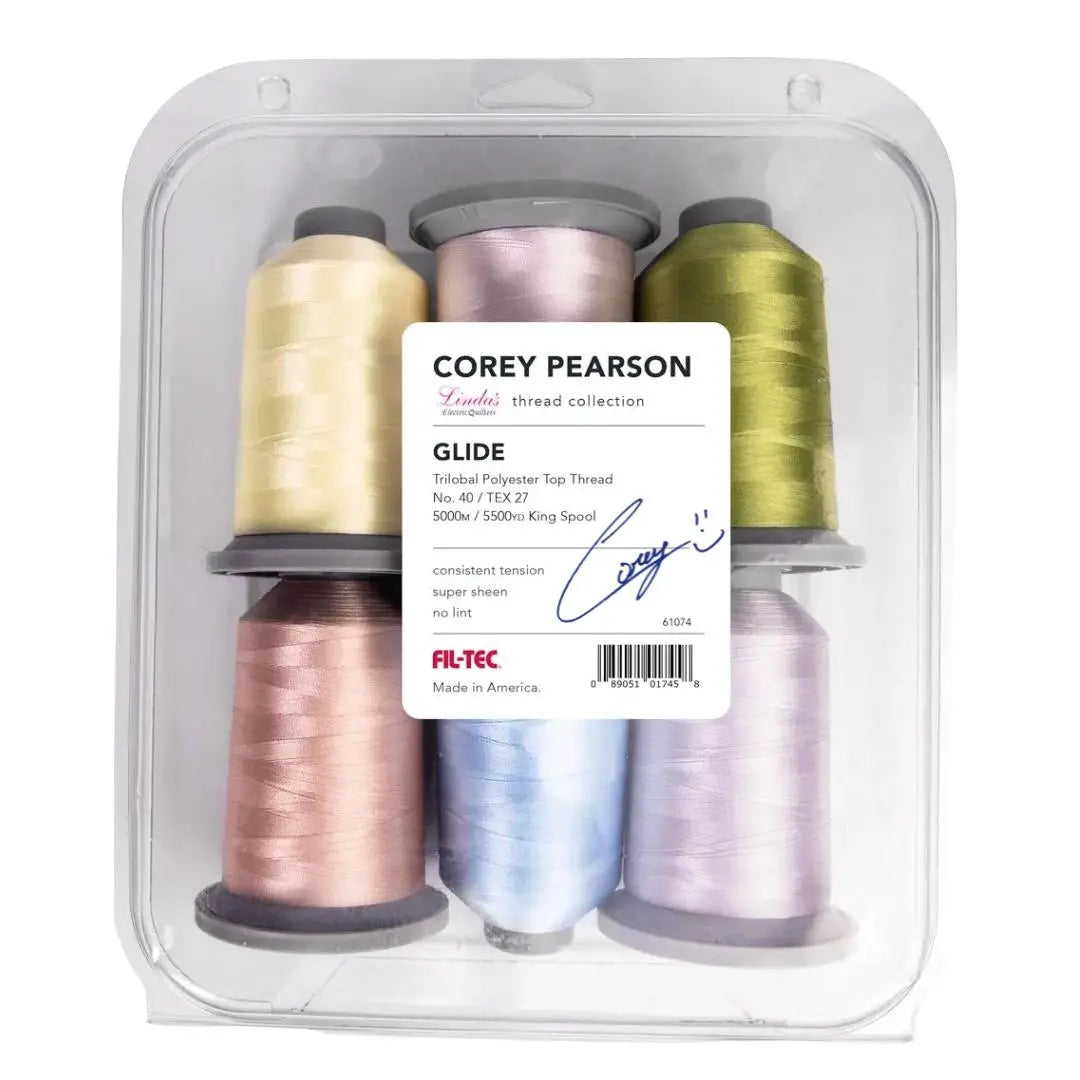
Thread becomes your paint palette. This is where graffiti quilting gets really fun. Instead of carefully coordinating thread colors with your fabric, you're thinking about contrast, pop, and visual impact. Neon thread on dark fabric? Absolutely. Metallic thread creating highlights? Yes, please. Multiple thread colors in the same design? Why not!
Free-motion quilting foot is your best friend. If you've been intimidating by free-motion quilting, graffiti quilting might be the perfect entry point. Since perfection isn't the goal, you can focus on movement and expression without worrying about whether your feathers look like actual feathers.
Fabric markers and paint become part of the process. Some graffiti quilters incorporate actual drawing and painting into their work, blurring the lines between textile art and mixed media. It's all fair game!
Techniques That Break All the Rules
Let me share some of the techniques that make graffiti quilting so exciting – and so different from traditional approaches:
Layered stitching is huge in this style. Instead of quilting a design once and moving on, you might go over the same area multiple times with different threads, creating depth and texture that's impossible to achieve with single-pass quilting.
Intentional thread nests and build-up become design elements rather than mistakes to avoid. That spot where your thread got a little crazy? In graffiti quilting, that might be exactly the texture you were looking for.
Crossing and overlapping lines create visual complexity. Traditional quilting often tries to avoid crossing quilting lines, but graffiti quilting embraces the intersections as opportunities for visual interest.
Varying stitch lengths and speeds add to the organic, hand-drawn feel. Sometimes you're moving fast and loose, sometimes you're slowing down for detail work. The variation becomes part of the aesthetic.
Incorporating text and lettering brings that authentic graffiti feel to your quilts. Whether it's actual words or abstract letter-like forms, typography becomes another design element to play with.
Finding Your Creative Voice
One of the most powerful aspects of graffiti quilting is how it forces you to develop your own artistic voice. When you can't rely on someone else's pattern, you have to dig deep and figure out what YOU want to say through your quilting.
Start by thinking about what moves you. What colors make your heart sing? What shapes feel natural when you doodle? What emotions do you want your quilting to convey? Graffiti quilting is deeply personal, so your starting point should be deeply personal too.
Look beyond the quilting world for inspiration. Street art, obviously, but also abstract painting, music, dance, nature – anything that creates a feeling or energy you want to capture. I've seen graffiti quilts inspired by everything from jazz music to thunderstorms to city skylines.
Embrace your "mistakes" as style elements. That wobbly line that would make you cringe in traditional quilting? In graffiti quilting, it might become your signature element. The things that make you different as a quilter are exactly what will make your graffiti quilting unique.
The Emotional Journey: Why This Style Hits Different
There's something profoundly different about the emotional experience of graffiti quilting compared to traditional approaches. It taps into a different part of your creative brain and can be incredibly therapeutic in unexpected ways.
It's permission to be imperfect. In a world where social media shows us nothing but perfect quilts with perfect points and perfect quilting, graffiti quilting says "your imperfections are beautiful." There's something deeply healing about that message.
It connects you to your intuition. When you can't rely on patterns and rules, you have to trust your gut. This can be scary at first, but it's also incredibly empowering. You start to realize that you actually do know what looks good – you just needed permission to trust yourself.
It's meditative in a different way. Traditional quilting can be meditative through repetition and precision. Graffiti quilting is meditative through flow and expression. Both are valuable, but they feed different parts of your soul.
It can be emotionally cathartic. There's something about the freedom to make bold, expressive marks that can help you process emotions in a way that careful, controlled quilting might not. Some quilters find graffiti quilting to be a powerful stress reliever.
Overcoming the Fear Factor
Let's be honest – if you're used to following patterns and aiming for perfection, the idea of graffiti quilting can be absolutely terrifying. Here's how to work through those fears:
Start small. You don't need to commit to a whole quilt right away. Try graffiti quilting techniques on small practice pieces, mug rugs, or even just fabric scraps. Get comfortable with the feeling before you tackle a larger project.
Reframe "mistakes" as "design opportunities." This is a mental shift that takes practice, but it's crucial. Every time something doesn't go as planned, ask yourself "how can I work with this?" instead of "how do I fix this?"
Remember that you can always add more. One of the beautiful things about graffiti quilting is that you can keep building and layering. If something isn't working, you can often integrate it into a larger design rather than starting over.
Find your tribe. Connect with other quilters who are exploring non-traditional approaches. Having a supportive community makes it so much easier to take creative risks.
Practical Tips for Getting Started
Ready to dip your toes into graffiti quilting? Here's how to set yourself up for success:
Choose forgiving fabrics. Dark or busy fabrics hide imperfections better than light solids. Save the white-on-white experiments for when you're more comfortable with the techniques.
Stock up on thread in colors that excite you. This isn't the time for subtle, matching threads. Think contrast, pop, and visual impact. Neon, metallic, variegated – go wild!
Prepare your mindset. Before you start, spend a few minutes getting into the right headspace. Put on music that inspires you, take some deep breaths, and remind yourself that the goal is expression, not perfection.
Document your process. Take photos as you work, not just of the finished piece. Graffiti quilting is as much about the journey as the destination, and you might be surprised by what you learn from looking back at your process.
Set time limits. Sometimes the best graffiti quilting happens when you don't have time to overthink. Try setting a timer for 30 minutes and just see what happens.
The Bigger Picture: Why This Matters
Graffiti quilting isn't just about creating cool-looking quilts (though it definitely does that). It's part of a larger movement in the quilting world toward embracing creativity, individuality, and artistic expression.
It's expanding what quilting can be. For too long, quilting has been boxed into narrow definitions of what's "proper" or "correct." Graffiti quilting blows those boxes wide open and says quilting can be anything you want it to be.
It's making quilting more accessible. When perfection isn't the goal, quilting becomes less intimidating for newcomers. You don't need years of experience to create something beautiful and meaningful.
It's honoring quilting's rebellious roots. Let's not forget that quilting has always been a bit rebellious – women taking scraps and creating beauty, utility, and art. Graffiti quilting taps into that same spirit of making something from nothing and refusing to be constrained by conventional rules.
Your Graffiti Quilting Journey Starts Now
The beautiful thing about graffiti quilting is that there's no wrong way to do it. Your version will be different from mine, which will be different from Karlee Porter's, which will be different from the next person who tries it. That's exactly the point.
What's calling to you right now? Maybe it's the idea of using that neon thread you bought on impulse but never knew how to use. Maybe it's the freedom to make wonky lines without apologizing for them. Maybe it's the chance to create something that's purely, authentically you.
The only way to start is to start. Grab some fabric, thread up your machine, and see what happens when you let go of the rules and trust your creative instincts. You might surprise yourself with what emerges.
Remember, every mark you make is valid. In graffiti quilting, there are no mistakes, only opportunities. Every stitch is a choice, every line is an expression, and every "imperfection" is a chance to create something uniquely beautiful.
What's your experience with breaking quilting rules? Have you tried any unconventional techniques that surprised you? I'd love to hear about your creative adventures – and any fears you might have about trying something this different. Share your thoughts in the comments below!
Ready to embrace your creative rebel? Subscribe to our newsletter for more unconventional quilting techniques, artist spotlights, and permission to break all the rules!
Keywords: graffiti quilting, creative quilting techniques, free-motion quilting, artistic quilting, unconventional quilting, creative flow quilting, expressive quilting, modern quilt art, rule-breaking quilting, intuitive quilting, abstract quilting designs, creative quilting inspiration