
Ever wondered what goes into creating a quilting store that feels like a second home? Let's explore the elements that transform a simple retail space into a quilting paradise!
There's something absolutely magical about walking into a well-designed quilting store. The moment you step through the door, you can feel it – that sense of possibility, inspiration, and community that makes your heart skip a beat. It's not just about the fabric (though let's be honest, that's a big part of it). It's about the entire experience, the way everything comes together to create a space where quilters feel welcomed, inspired, and supported.
I've been thinking a lot lately about what makes some quilting stores truly special while others feel like just another retail space. After visiting countless shops over the years, I've started to recognize the elements that separate the good from the truly extraordinary. Today, let's take a virtual tour through what makes a quilting store not just successful, but genuinely magical.
The Welcome Factor: First Impressions Matter
The moment you walk into a great quilting store, you know you're somewhere special. It's not just about having beautiful displays (though those certainly help) – it's about creating an atmosphere that says "you belong here."
Great quilting stores understand that their customers are artists and creators. The layout, lighting, and organization all reflect this understanding. Fabrics are displayed in ways that spark creativity rather than just showing inventory. Colors flow naturally from one section to another, creating visual stories that inspire new project ideas.
The staff makes all the difference. In the best quilting stores, the employees aren't just salespeople – they're fellow quilters who genuinely understand your excitement when you find the perfect fabric, your frustration when a project isn't working out, and your need for honest advice about whether that bold print will really work with your color scheme.
Accessibility and comfort are prioritized. Wide aisles for easy navigation, good lighting for accurate color assessment, comfortable seating areas for contemplating purchases – these details show that the store owners understand how quilters actually shop and what they need to make good decisions.
The Fabric Paradise: More Than Just Pretty Colors
Let's talk about the heart of any quilting store – the fabric selection. But it's not just about having lots of fabric; it's about how that fabric is curated, displayed, and organized.
Thoughtful curation makes browsing a joy. The best quilting stores don't just stock everything available – they carefully select fabrics that work well together, represent current trends while maintaining classic options, and offer something for every skill level and aesthetic preference.
Organization that makes sense to quilters is crucial. Whether it's organized by color, designer, or collection, the system should feel intuitive to someone looking for specific fabrics or browsing for inspiration. Clear labeling, consistent pricing, and easy access to bolt ends all contribute to a positive shopping experience.
Fabric care and presentation show respect for both the products and the customers. Fabrics stored properly, displayed attractively, and kept clean and wrinkle-free demonstrate that the store values quality and understands that quilters are investing in materials for projects that matter to them.
Variety in price points and quality levels ensures that every quilter can find something within their budget. From premium designer cottons to budget-friendly basics, a great quilting store offers options without making anyone feel excluded.
Tools and Notions: The Supporting Cast
While fabric might be the star of the show, the tools and notions section of a quilting store can make or break the shopping experience. This is where quilters come to solve problems, try new techniques, and find the perfect tools for their projects.
A comprehensive selection of cutting tools from basic rotary cutters to specialty rulers shows that the store understands the importance of accurate cutting in quilting success. Having tools available to handle and test (where appropriate) helps customers make informed decisions.
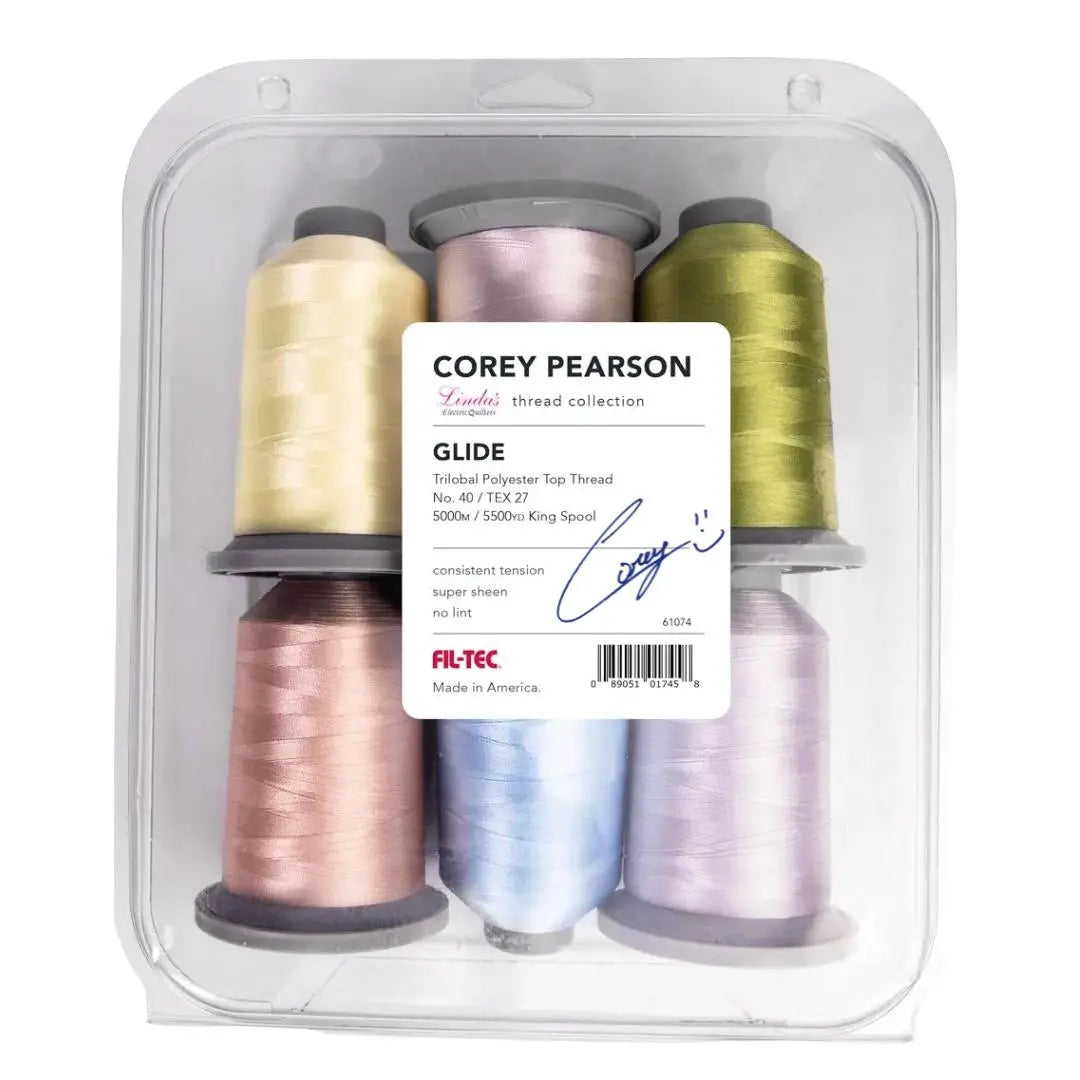
Thread selection that covers all the bases – from basic piecing threads to specialty quilting threads, metallic options, and everything in between. Good thread organization and clear labeling help quilters find exactly what they need quickly.
Batting options for every project type with knowledgeable staff who can explain the differences and help customers choose the right batting for their specific needs. Sample boards showing how different battings look and feel can be incredibly helpful.
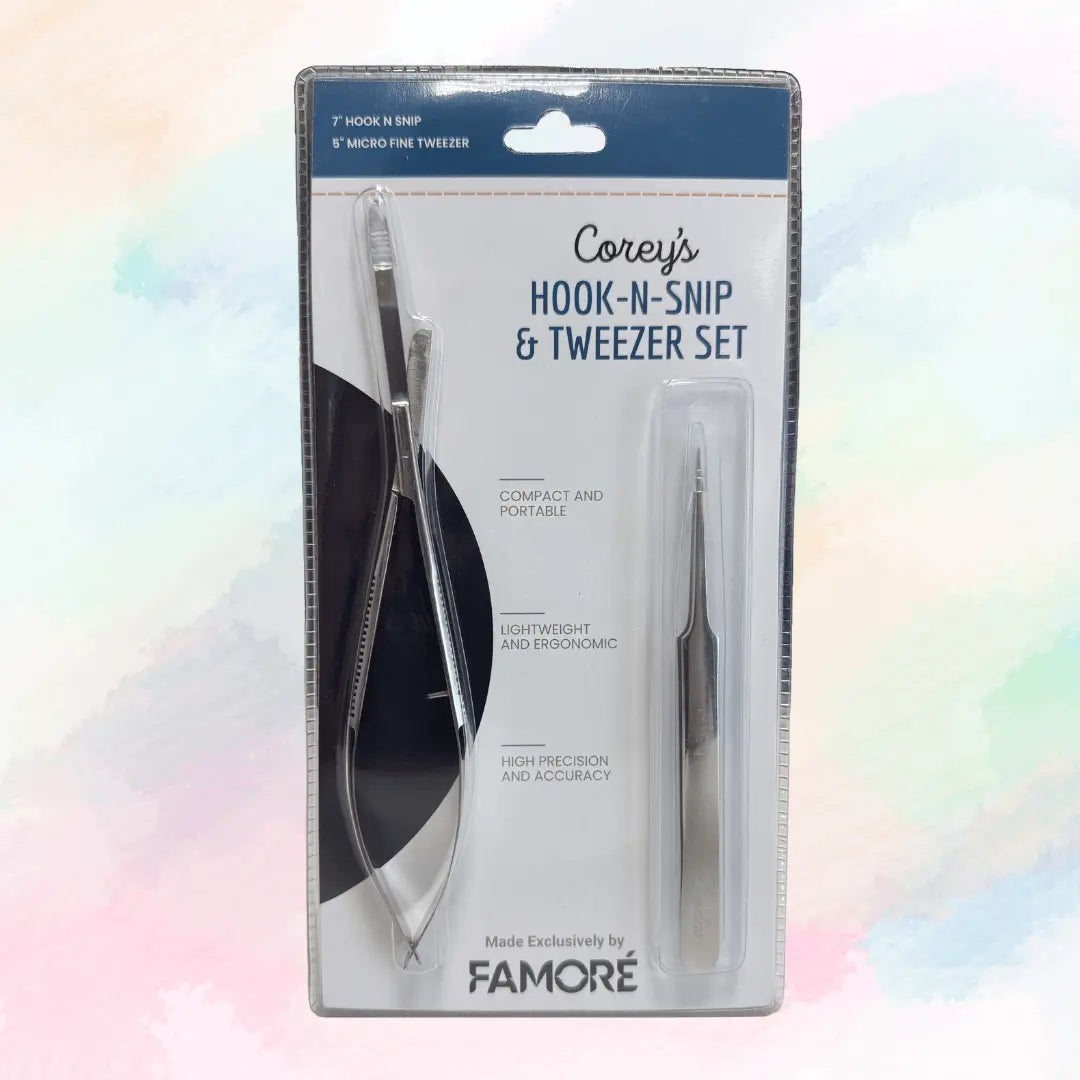
The little things that make big differences – quality pins, sharp scissors, reliable seam rippers, accurate rulers. These might seem like small items, but they're the tools quilters reach for constantly, and having good options available shows attention to detail.
Educational Opportunities: Learning Never Stops
The best quilting stores understand that they're not just selling products – they're supporting a community of learners and creators. Educational offerings can transform a store from a place you visit occasionally into a hub of your quilting life.
Classes for every skill level from absolute beginner to advanced techniques. The key is having instructors who are not only skilled quilters but also good teachers who can break down complex concepts and make them accessible.
Workshops and special events that bring the community together and introduce new techniques or trends. These might include trunk shows, guest instructor visits, or themed workshops around holidays or seasons.
Informal learning opportunities like technique demonstrations, problem-solving sessions, or "show and tell" gatherings where quilters can share their work and learn from each other.
Resources for independent learning including books, patterns, and instructional materials that customers can take home. A well-curated selection of educational materials shows that the store is invested in their customers' growth as quilters.
The Community Hub: More Than Just Shopping
What really sets exceptional quilting stores apart is their role as community gathering places. These stores understand that quilting is inherently social and that fostering community benefits everyone.
Comfortable spaces for gathering whether it's a dedicated classroom, a cozy corner with chairs, or tables where quilters can spread out projects and work together. These spaces become the heart of the quilting community.
Regular social events that bring quilters together – guild meetings, charity sewing sessions, or informal "stitch and chat" gatherings. These events build relationships and create a sense of belonging.
Support for local quilting groups through meeting space, promotional support, or special discounts for group purchases. This investment in the broader quilting community pays dividends in customer loyalty and word-of-mouth marketing.
Celebration of customer achievements through displays of finished quilts, social media features, or special recognition programs. When a store celebrates its customers' successes, it creates a positive feedback loop that encourages more creativity and sharing.
Services That Add Value
Beyond products and education, many great quilting stores offer services that solve problems and add convenience for their customers.
Longarm quilting services can be a huge draw for customers who piece their own tops but want professional quilting. Quality service with reasonable turnaround times and fair pricing builds a loyal customer base.
Custom cutting and kit preparation saves customers time and ensures accuracy for complex projects. This service is especially valuable for quilters with limited cutting space or those working on intricate patterns.
Fabric consultation and personal shopping for customers who need help with color selection or fabric coordination. This personalized service can turn a potentially frustrating shopping experience into a successful and enjoyable one.
Repair and restoration services for vintage quilts or damaged pieces. This specialized service often brings in customers who might not otherwise visit the store, and it demonstrates expertise and care for the quilting tradition.
The Digital Integration: Bridging Online and Offline
Modern quilting stores need to seamlessly integrate their physical and digital presence to serve customers who expect convenience and accessibility.
Online inventory and shopping options that complement rather than compete with the in-store experience. The best implementations allow customers to check availability, reserve items, or order online for pickup.
Social media presence that builds community by sharing customer projects, announcing new arrivals, and providing quilting tips and inspiration. This extends the store's community-building role beyond its physical walls.
Digital learning resources like online classes, video tutorials, or downloadable patterns that serve customers who can't always make it to in-person events.
Communication tools that keep customers informed about sales, new arrivals, and upcoming events without being overwhelming or intrusive.
Seasonal Adaptations and Special Events
Great quilting stores understand the rhythm of the quilting year and adapt their offerings accordingly.
Holiday and seasonal promotions that align with quilters' project planning. Back-to-school time might feature lunch bag patterns, while spring brings baby quilt inspiration and summer focuses on picnic and outdoor themes.
Special events and trunk shows that create excitement and draw customers in for unique experiences they can't get elsewhere. These events often become annual traditions that customers look forward to.
Seasonal fabric collections and displays that inspire timely projects and keep the store feeling fresh and current. Regular rotation of displays keeps even frequent visitors discovering something new.
Community challenges and contests that engage customers and create buzz around the store. These might include mystery quilt programs, block-of-the-month clubs, or themed challenges.
The Economics of Excellence: Balancing Business and Community
Running a successful quilting store requires balancing the business realities of retail with the community-focused mission that makes these stores special.
Inventory management that ensures popular items are in stock while avoiding overstock situations that tie up capital. This requires understanding customer preferences and seasonal patterns.
Pricing strategies that remain competitive while supporting the level of service and expertise that customers value. The best stores focus on value rather than just low prices.
Staff training and retention to maintain the knowledgeable, helpful service that sets great quilting stores apart. Investing in staff pays dividends in customer satisfaction and loyalty.
Community investment through sponsorships, donations, and support for local quilting activities. This investment in the broader community often returns in the form of customer loyalty and positive word-of-mouth.
The Emotional Connection: Why It All Matters
At the end of the day, what makes a quilting store truly special isn't just the products or services – it's the emotional connection customers feel to the space and the people in it.
A sense of belonging that makes customers feel like they're part of something larger than just a commercial transaction. The best quilting stores feel like extended family gatherings where everyone shares a common passion.
Inspiration and encouragement that helps quilters push their boundaries and try new things. Great stores don't just sell supplies – they sell confidence and possibility.
Support through challenges whether it's helping solve a technical problem, offering encouragement when a project isn't going well, or simply providing a sympathetic ear when quilting frustrations arise.
Celebration of the craft that honors both traditional techniques and innovative approaches. These stores serve as guardians of quilting heritage while embracing evolution and change.
Looking Forward: The Future of Quilting Retail
As the retail landscape continues to evolve, quilting stores that thrive will be those that understand their unique role in the quilting ecosystem.
Adaptation to changing customer needs while maintaining the core values that make quilting stores special. This might mean new service offerings, different store layouts, or innovative community programs.
Integration of technology in ways that enhance rather than replace the human connections that are central to the quilting community.
Sustainability considerations as both store owners and customers become more conscious of environmental impact and seek ways to reduce waste and support responsible practices.
Intergenerational bridge-building to ensure that quilting traditions are passed down while remaining relevant to new generations of quilters.
Your Role in the Quilting Store Ecosystem
As quilters, we all play a role in supporting the stores that serve our community. Great quilting stores don't just happen – they're created through the ongoing relationship between passionate store owners and engaged customers.
Supporting local quilting stores through purchases, class attendance, and word-of-mouth recommendations helps ensure these community resources remain available.
Providing feedback about what's working well and what could be improved helps stores better serve their customers' needs.
Participating in store events and activities contributes to the community atmosphere that makes these stores special places to visit.
Sharing your expertise and enthusiasm with other customers and newcomers to the craft helps build the welcoming, supportive environment that defines the best quilting stores.
What makes your favorite quilting store special? Is it the fabric selection, the knowledgeable staff, the sense of community, or something else entirely? I'd love to hear about the quilting stores that have made a difference in your quilting journey and what elements you think are most important in creating a great quilting retail experience. Share your thoughts in the comments below!
Love exploring amazing quilting stores? Subscribe to our newsletter for store spotlights, shopping tips, and insights into what makes the quilting retail experience so special!
Keywords: quilting store tour, quilting retail experience, quilting shop, fabric store, quilting community, quilting supplies, quilting education, quilting classes, fabric shopping, quilting store features, quilting business, quilting retail, local quilt shop, quilting store services