Threading a sewing machine correctly is an extremely important skill in sewing. In fact, it’s the foundation of every successful sewing project. When done right, your stitches turn out smooth and balanced.
But have you ever battled tangled thread, skipped stitches, or mysterious loops on the back of your fabric? If so, we’ve got you covered.
Before you adjust tension, change needles, or blame your machine, it’s essential to understand how your thread is meant to travel from spool to needle. In this guide, we teach you about how the sewing machine thread guide works. You’ll also learn how to choose the right thread and fix the most common threading problems.
Your Guide to Flawless Sewing Machine Threading
Threading a sewing machine can be challenging, especially for beginners. But here’s the thing: the thread guide isn’t an obstacle. It’s actually your machine’s built-in roadmap to good stitches. This exact path prevents tangles, reduces thread breakage, and eliminates the loose loops that collect on the underside of your fabric.
Learning this path is the first step toward consistent stitch quality. Each part of the thread guide has a specific job to do. Of course, each has to be followed in the correct order:
-
The Spool Pin and Initial Guides: These hold the spool and guide the thread smoothly toward the tension system.
-
Tension Discs: These apply controlled pressure to the thread. They’re essential for balanced stitches.
-
The Take-Up Lever: This moving arm pulls the thread back up after each stitch. It forms the loop that locks with the bobbin thread.
This infographic breaks down the basic journey your thread takes from spool, through tension, and up through the take-up lever.

Consider each point along the path as a checkpoint. Each one prepares the thread for the next step. That way, it reaches the needle properly tensioned and stable.
Navigating the Thread Path from Spool to Needle
Threading may initially look complicated. But it only follows a simple sequence. Most machines (including Singer, Brother, and others) use the same threading system. Many include printed diagrams to further simplify the process. They guide the thread from the spool pin to the needle while seating it correctly in the tension system.
Before getting started, remember these two important steps:
-
Raise the presser foot. This opens the tension discs so the thread can settle between them. Threading with the foot down leaves the discs closed and almost guarantees poor tension.
-
Raise the take-up lever to its highest position. Turn the handwheel toward you.
Skipping either step usually causes tension problems.
The Key Checkpoints on Your Threading Journey

Your thread begins at the spool pin and passes through one or two initial guides. These keep the thread feeding smoothly off the spool without jerking or twisting.
Next, the thread enters the tension assembly. This is where most threading errors occur. The thread must sit firmly between the tension discs. If it slips outside them, the upper thread has almost no tension. This leads to loose loops and bird’s nesting underneath the fabric.
The thread travels up to the take-up lever from there. This is non-negotiable. The take-up lever pulls the thread up after every stitch to form the top half of the lockstitch. Missing this point often leads to severe thread tangles.
After the take-up lever, the thread passes through a few final guides near the needle clamp. These stabilize the thread just before it enters the needle. Twisting and uneven feeding are also prevented.
Finally, thread the needle itself from front to back. Check your manual. Some machines have different requirements. For best stitching, ensure the bobbin is inserted correctly and spinning in the right direction.
Choosing the Right Thread for Your Machine
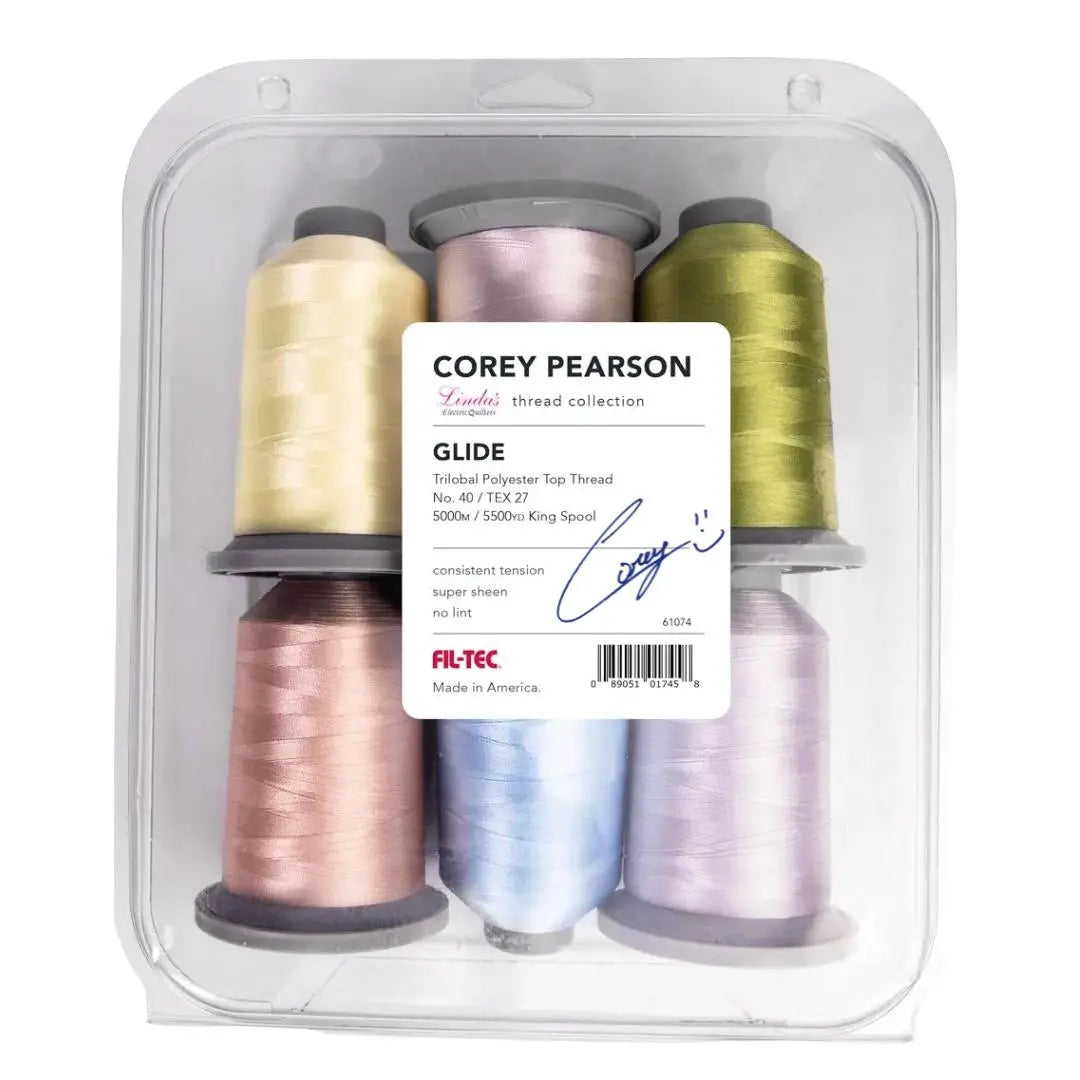
Thread choice has a direct impact on stitch quality and machine performance. A thread that is too thick or poorly made can cause frequent breakage. It can also lead to lint buildup and inconsistent tension.
Of course, the general rule is to match the thread to the fabric.
-
For most everyday sewing:
High-quality polyester thread works well with woven and synthetic fabrics. -
For quilting and natural fibers:
100% cotton thread provides a softer finish. It blends well with cotton fabrics.
Common Thread Materials and Their Uses
Most projects rely on one of these three main thread types:
|
Thread Material |
Best For |
Strengths |
Considerations |
|
Polyester |
General-purpose sewing, knits, and synthetics. |
Slightly stretchy and durable. |
Can be too strong for delicate natural fabrics. |
|
Cotton |
Quilting and sewing with natural fibers (cotton, linen). |
Soft, low sheen, and heat resistant. |
No stretch and can break under high tension. |
|
Silk |
Fine fabrics (silk, rayon), tailoring, basting, and detail. |
Strong, smooth, and minimal bulk. |
More expensive, can be slippery to work with. |
Pro tip: Always test your thread. Use it on a scrap of fabric before sewing the final piece. More importantly, avoid low-quality thread. If it appears fuzzy or snaps easily when tugged, it will surely cause problems. Consider thread finish as well. Matte threads can blend into seams, while shiny ones highlight stitching and embroidery.
How to Fix Common Thread and Tension Problems

Most stitch problems are not mechanical failures. Instead, they are threading errors.
Before adjusting tension settings, completely rethread the machine with the presser foot raised and the take-up lever at its highest point. Doing this immediately resolves most issues.
Common Symptoms, Causes, and Fixes
The cause is usually predictable when stitch problems appear. Most sewing issues follow a small set of common patterns. This reference table below links the most frequent symptoms to their likely causes and the fastest fixes:
|
Symptom |
Common Cause |
Quick Fix |
|
Thread shredding or breaking |
Old or poor-quality thread, damaged needle, or snag in the thread path. |
Rethread the machine carefully. Change to a new needle. Try a different spool of thread. |
|
Loops on fabric underside ("Bird's Nesting") |
Upper thread has no tension (likely missed the take-up lever or tension discs). |
Raise the presser foot and completely rethread the top of the machine. |
|
Loops on fabric top side |
Bobbin inserted incorrectly or upper tension too tight. |
Remove and re-insert the bobbin. If that fails, slightly lower the top tension dial. |
|
Skipped stitches |
Dull, bent, or incorrect needle type. |
Install a brand-new needle appropriate for your fabric type. |
While this isn't an extensive list, it covers most problems you'll probably run into. Start here before assuming it's a bigger mechanical issue.
Perfecting Your Stitch Tension
A balanced stitch locks the top and bobbin threads exactly between the fabric layers. Always test tension on the same fabric and batting used in your project.
-
Loops on the bottom: Increase top tension slightly.
-
Loops on the top: Decrease top tension slightly.
Adjust in small increments and test after every change. Remember that fabric type, thread type, and needle size all influence tension settings. Adjustments are often project-specific.
Keeping a Clean Thread Path
Lint buildup in the thread guide and tension system causes tension problems. Adopt simple maintenance habits, such as:
-
Brushing lint from guides and tension areas regularly.
-
Using compressed air to blow dust out, not deeper into the machine.
-
Replacing fuzzy or lint-heavy thread with higher-quality alternatives.
A clean thread path allows the thread to glide smoothly and maintains consistent tension. Clean the bobbin case and shuttle area periodically. Even a small accumulation of dust or lint can affect tension and stitch consistency.
Frequently Asked Questions About Threading
Why Does My Thread Keep Breaking?
Thread breakage is a common sewing problem. Generally, the cause is not incorrect threading. A dull, bent, or incorrect needle often causes shredding or snapping during sewing. Even slight damage to the needle can create enough friction to weaken the thread on every stitch.
Thread quality also plays a role. Old thread can become brittle over time. Low-quality thread often lacks the strength needed for machine sewing. Before adjusting tension or rethreading repeatedly, install a new needle that matches your fabric. Switch to a fresh, high-quality spool of thread.
Does the Spool Type Really Matter?
Yes, spool type has a direct effect on how smoothly thread feeds into the machine. Stacked spools, which are wound in straight, parallel layers, feed best from a vertical spool pin where the spool can rotate freely.
Cross-wound spools are meant to feed from a horizontal pin with a spool cap. This allows the thread to pull straight off the end of the spool without twisting. Using the wrong orientation can introduce unnecessary twist and uneven feeding before the thread even reaches the tension system.
When Should I Call a Pro to Service My Machine?
Lint cleaning, needle changing, and other basic maintenance can be handled at home. However, some issues require professional attention. For example, call a technician if you encounter:
-
Persistent clunking, grinding, or other noises that won’t go away after a good cleaning.
-
Messy stitches after you've tried tension adjustment and troubleshooting.
-
A sluggish machine that seems to be struggling or seizes up completely.
Ideally, have scheduled professional servicing once a year. This helps prevent mechanical wear, maintain stitch quality, and extend your machine’s life. Besides, it includes lubrication, internal cleaning, and checking for worn parts.
Final Thoughts
Threading is not just a setup step. It is a diagnostic skill that allows you to recognize problems quickly and correct them efficiently. You can sew with confidence across different fabrics and machines. As this process becomes second nature, you gain greater control over stitch quality and machine performance. You’ll also enjoy long-term durability of your work.
Document your preferred settings for different projects. Indicate fabric types, thread weights, and needles. Over time, this creates a personal system that saves troubleshooting time and ensures consistent results.
Mastering the thread guide is not about perfection on the first try. Ultimately, it’s about building a repeatable system that produces professional results on all your projects.