Discover how to transform simple feather outlines into stunning quilted masterpieces using stencils, rulers, and variable stitch lengths—plus learn why drawing practice is the secret to freehand quilting success
There's something undeniably elegant about feather quilting designs. They evoke images of vintage quilts, heirloom pieces passed down through generations, and the kind of sophisticated quilting that makes people stop and stare. But for many quilters, feathers represent an intimidating challenge—complex curves, intricate details, and the kind of precision that seems to require years of experience to master.
What if that perception is wrong? What if the secret to creating stunning feather designs isn't just natural talent or decades of practice, but understanding the right techniques, using the proper tools, and approaching complex designs with a systematic method that breaks them down into manageable components?
The truth is that fancy feather quilting is absolutely achievable for quilters at many skill levels, provided they understand the fundamental principles and have access to the right resources and techniques. The key lies not in attempting to master everything at once, but in understanding how different elements work together and building skills progressively through practice and experimentation.
This approach to feather quilting represents more than just learning a specific design—it's about developing a systematic method for tackling complex quilting challenges, understanding how tools can enhance precision and creativity, and discovering the versatility that makes feather elements valuable across many different quilting applications.
The Foundation Philosophy: Drawing Your Way to Quilting Success
The most crucial insight for mastering fancy feather quilting might surprise you: it starts away from the sewing machine entirely. The foundation of successful freehand quilting lies in developing muscle memory through drawing practice, and this principle becomes especially important when working with complex feather designs.
Drawing feather designs on paper before attempting to quilt them serves multiple purposes beyond simple practice. It helps you understand the flow and movement of the design, identify potential trouble spots where curves might be challenging, and develop the hand-eye coordination necessary for smooth, confident quilting motions.
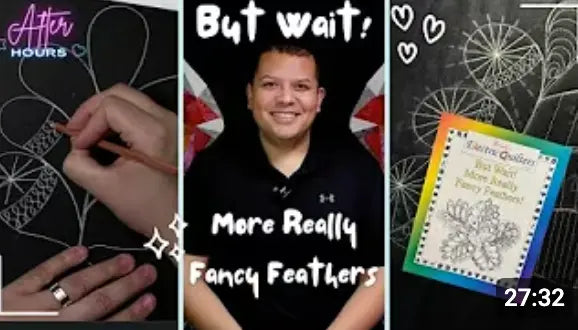
The choice of drawing materials matters more than you might expect. Using white chalk pencil on black paper creates a visual experience similar to quilting with light thread on dark fabric, helping your brain make the connection between drawing and quilting motions. This visual similarity makes the transition from paper to fabric more intuitive and natural.
But drawing practice isn't just about copying designs exactly as they appear in books or patterns. It's about understanding the underlying structure of feather designs—how the main spine creates the foundation, how individual plumes flow from that spine, and how different fill patterns can transform the same basic shape into dramatically different visual effects.
This understanding becomes the foundation for creative adaptation and personal expression. Once you understand how feather designs work structurally, you can modify them, combine elements from different designs, and even create your own variations that suit your specific projects and aesthetic preferences.
The Versatility Revolution: Beyond Traditional Feather Applications
One of the most exciting aspects of mastering fancy feather techniques is discovering their incredible versatility. While many quilters think of feathers as border designs or large-scale motifs, the reality is that feather elements can be adapted for virtually any quilting application.
Individual components of complex feather designs can be extracted and used in completely different contexts. The figure-eight patterns that fill one section of a feather can become perfect motifs for sashing strips. The starburst elements can work beautifully as cornerstone designs. The flowing curves can be adapted for continuous line quilting or used as connecting elements between other motifs.
This modular approach to feather design opens up enormous creative possibilities. Instead of being limited to using complete feather designs in their original form, you can mix and match elements to create custom solutions for specific quilting challenges. Need a design for a narrow border? Extract the linear elements. Working on a small quilt that needs delicate details? Focus on the intricate fill patterns.
The key is learning to see feather designs not as fixed, unchangeable patterns, but as collections of useful elements that can be recombined and adapted. This perspective transforms a single feather design book into a vast library of quilting solutions for projects of all sizes and styles.
This versatility also extends to scale adaptation. The same feather elements that work beautifully in large-scale applications can be simplified and reduced for smaller spaces, or elaborated and expanded for dramatic large-scale effects. Understanding the underlying principles allows you to make these adaptations confidently and successfully.
The Tool Mastery: Precision Through Proper Equipment
Professional-quality feather quilting relies heavily on using the right tools for specific tasks, and understanding when and how to use each tool can dramatically improve your results. The difference between amateur and professional-looking feather quilting often comes down to tool selection and technique rather than natural talent.
The ultimate marking pencil represents a crucial tool for transferring designs from practice paper to actual fabric. Unlike regular pencils or markers, these specialized marking tools are designed to show clearly on fabric while being removable after quilting. The ability to mark your design accurately on fabric provides the confidence and precision necessary for complex feather work.
Stencils and templates serve as precision aids that ensure consistency and accuracy in repeated elements. A spider web stencil, for example, allows you to create perfect starburst patterns within feather plumes without the guesswork and potential inconsistency of freehand attempts. These tools don't replace skill—they enhance it by providing reliable reference points for complex shapes.
Straight-edge rulers become invaluable for creating the linear elements that often appear in fancy feather designs. The quarter-inch markings on quality rulers allow for precise spacing of parallel lines, creating professional-looking fill patterns that would be difficult to achieve through estimation alone.
The key to effective tool use is understanding that these aids are meant to enhance your natural abilities, not replace them. The goal is to use tools strategically for the elements where precision is most critical, while developing freehand skills for the flowing, organic portions of the design where natural movement creates the most appealing results.
The Stitch Length Strategy: Texture Through Technical Variation
One of the most sophisticated aspects of professional feather quilting is the strategic use of different stitch lengths to create varied textures and visual effects within a single design. This technique transforms what could be a flat, uniform appearance into a rich, multi-dimensional quilted surface that engages the eye and invites closer inspection.
The principle behind stitch length variation is simple but powerful: different stitch lengths create different visual and tactile textures. Longer stitches (fewer stitches per inch) create a more open, relaxed appearance that allows the fabric to maintain more of its natural drape. Shorter stitches (more stitches per inch) create denser, more defined lines that stand out more prominently and create more dramatic texture.
In the context of feather quilting, this means you can use longer stitches for the main outline and flowing curves of the feather, creating smooth, elegant lines that define the overall shape. Then switch to shorter stitches for detailed fill patterns, making these intricate elements pop visually and creating clear definition between different sections of the design.
The transition between different stitch lengths within a single design requires some planning and practice. The key is making these transitions at natural break points in the design—where one section ends and another begins, or where the quilting direction changes significantly. This makes the variation feel intentional and professional rather than accidental.
Experimenting with stitch length variation also allows you to customize the visual impact of your feather designs to suit different projects. A subtle variation might be perfect for a sophisticated, understated quilt, while dramatic variation could create the bold, eye-catching effects appropriate for a show quilt or art piece.
The Sectional Approach: Breaking Complexity into Manageable Steps
Complex feather designs can feel overwhelming when viewed as complete, finished patterns. The secret to mastering these designs lies in understanding how to break them down into logical sections that can be approached systematically, building confidence and skill progressively.
The sectional approach starts with identifying the main structural elements of the feather—the central spine, the major plume shapes, and the connection points between different sections. These structural elements become your roadmap for approaching the design, providing clear starting and ending points for each phase of the quilting process.
Within each section, you can then identify the specific techniques required—freehand curves, ruler work, stencil applications, or fill patterns. This analysis allows you to prepare mentally and physically for each technique transition, gathering the appropriate tools and adjusting your approach as needed.
The beauty of this sectional approach is that it makes complex designs accessible to quilters who might not yet be ready to tackle the entire design in one continuous motion. You can complete one section, evaluate your results, make adjustments if necessary, and then move on to the next section with increased confidence and understanding.
This method also allows for creative experimentation within the structure of a proven design. Once you understand how each section works, you can try different fill patterns, vary your stitch lengths, or even substitute different techniques while maintaining the overall integrity and appeal of the design.
The Practice Progression: Building Skills Systematically
Developing proficiency in fancy feather quilting requires a systematic approach to skill building that progresses logically from simple elements to complex combinations. This progression ensures that you develop solid foundational skills before attempting advanced techniques, leading to more consistent success and greater confidence.
The progression typically starts with mastering basic feather outlines—the flowing curves and smooth transitions that define the overall feather shape. These fundamental skills in curve quilting and directional changes form the foundation for all more advanced feather work.
Next comes the introduction of simple fill patterns within the feather shapes. Basic crosshatching, simple echo quilting, or gentle curved fills allow you to practice working within defined spaces while developing control and consistency in your quilting motions.
As confidence builds, you can introduce more complex fill patterns—figure-eights, starbursts, geometric patterns, and combinations of different techniques within a single feather. Each new element builds on previously mastered skills while adding new challenges and creative possibilities.
The final stage involves combining multiple techniques within single designs, varying stitch lengths strategically, and developing the ability to transition smoothly between different quilting approaches. This level of skill allows for the kind of sophisticated feather quilting that characterizes truly professional work.
The Creative Adaptation: Making Designs Your Own
While learning from established feather designs and patterns is crucial for developing skills, the ultimate goal is developing the confidence and ability to adapt these designs to suit your own creative vision and project requirements. This creative adaptation is what transforms technical skill into personal artistic expression.
Creative adaptation can take many forms. You might modify the proportions of a feather design to fit a specific space, combine elements from different feather patterns to create something unique, or develop your own fill patterns that reflect your personal aesthetic preferences.
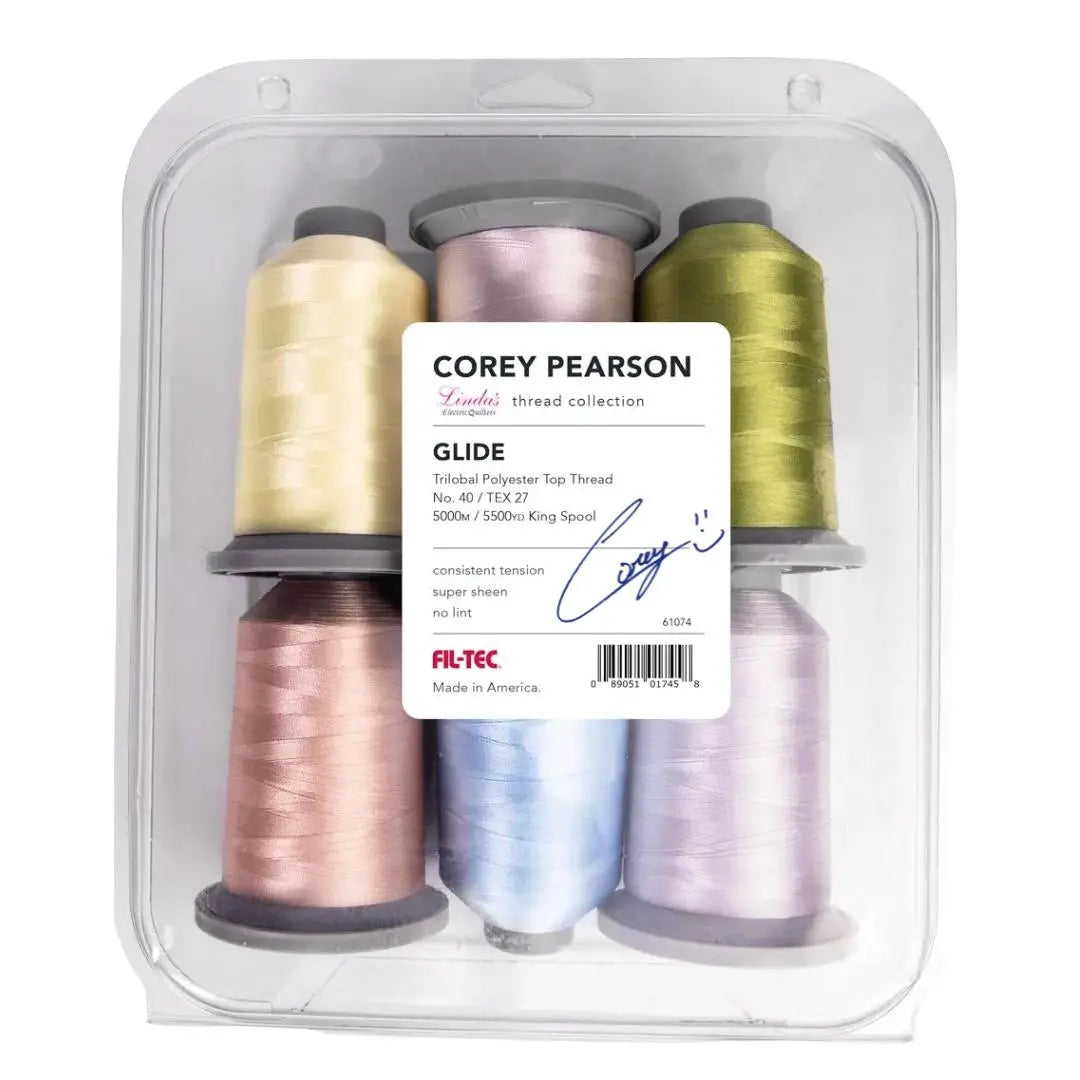
Color and thread choice represent another avenue for creative adaptation. While the structural elements of a feather design might remain consistent, different thread colors, variegated threads, or even metallic threads can completely transform the visual impact and mood of the same basic design.
Scale adaptation allows you to use favorite feather elements in projects of different sizes. A feather design that works beautifully as a large border motif might be simplified and reduced for use in smaller quilts, or elaborated and expanded for dramatic wall hanging applications.
The key to successful creative adaptation is understanding the underlying principles that make feather designs work effectively. Once you understand these principles, you can modify and adapt with confidence, knowing that your changes will enhance rather than detract from the overall design effectiveness.
The Project Integration: Feathers in Context
Successful feather quilting isn't just about mastering individual designs—it's about understanding how to integrate feather elements effectively into complete quilting plans that enhance and complement the overall quilt design. This integration requires considering the relationship between feather quilting and other design elements in the quilt.
The scale relationship between feather designs and the quilt's pieced elements is crucial. Feathers that are too large can overwhelm delicate piecing, while feathers that are too small might get lost against busy fabric patterns. Finding the right scale balance ensures that the quilting enhances rather than competes with the quilt top.
Directional considerations also play an important role in effective feather integration. Feathers have natural directional flow, and this flow should work harmoniously with the directional elements in the quilt top. Understanding how to orient feathers to support the overall visual movement of the quilt creates more cohesive and successful results.
The density relationship between feather quilting and other quilted areas affects both the visual balance and the physical characteristics of the finished quilt. Areas with dense feather quilting will have different drape and texture characteristics than areas with simpler quilting, and these differences should be planned and intentional.
Color integration involves considering how the thread colors used for feather quilting relate to the overall color scheme of the quilt. Feather quilting can either blend subtly with the fabric colors or provide deliberate contrast, but either choice should be made intentionally to support the overall design goals.
The Troubleshooting Guide: Common Challenges and Solutions
Even with proper preparation and technique, feather quilting can present challenges that require problem-solving skills and adaptive strategies. Understanding common issues and their solutions helps you work through difficulties confidently and continue improving your skills.
Tension issues often manifest as puckering or pulling in the fabric, particularly problematic in the flowing curves that characterize feather designs. The solution usually involves adjusting machine tension settings, checking thread quality, or modifying quilting speed to allow for better stitch formation.
Spacing inconsistencies in fill patterns can make otherwise well-executed feathers look amateur. The solution involves better use of marking tools, more consistent hand movement, or strategic use of rulers and guides for elements where precision is most critical.
Directional confusion can occur in complex feathers with multiple sections and direction changes. The solution involves better pre-planning, clearer marking of the quilting path, and sometimes breaking complex designs into smaller, more manageable sections.
Thread breaks or skipped stitches can be particularly frustrating in detailed feather work. Solutions typically involve checking needle condition, thread quality, machine timing, or adjusting quilting speed for the specific thread and fabric combination being used.
The Advanced Techniques: Pushing Creative Boundaries
Once basic feather quilting skills are mastered, advanced techniques open up new creative possibilities that can transform good feather quilting into truly exceptional work. These advanced approaches require solid foundational skills but offer exciting opportunities for artistic expression and technical challenge.
Layered feather designs involve quilting multiple feather elements that overlap or interweave, creating complex visual relationships and sophisticated depth effects. This technique requires careful planning and precise execution but can create stunning results that showcase advanced quilting skills.
Mixed-media approaches combine feather quilting with other techniques like appliqué, embroidery, or fabric manipulation to create unique textural and visual effects. These combinations require understanding how different techniques interact and complement each other.
Three-dimensional feather effects use strategic quilting density, batting manipulation, or specialized techniques to create feathers that appear to lift off the quilt surface. These effects require advanced understanding of how quilting affects fabric behavior and dimensional characteristics.
Custom feather development involves creating original feather designs rather than following existing patterns. This advanced skill requires understanding feather design principles, natural feather characteristics, and the technical requirements for successful quilting execution.
Your Feather Quilting Journey: Next Steps and Resources
Ready to begin or advance your fancy feather quilting journey? The path to mastery involves systematic skill building, regular practice, and access to quality resources and tools that support your learning and development.
Start with quality reference materials like "But Wait! More Really Fancy Feathers!" that provide proven designs and clear instruction. These resources serve as both learning tools and ongoing reference materials as your skills develop.
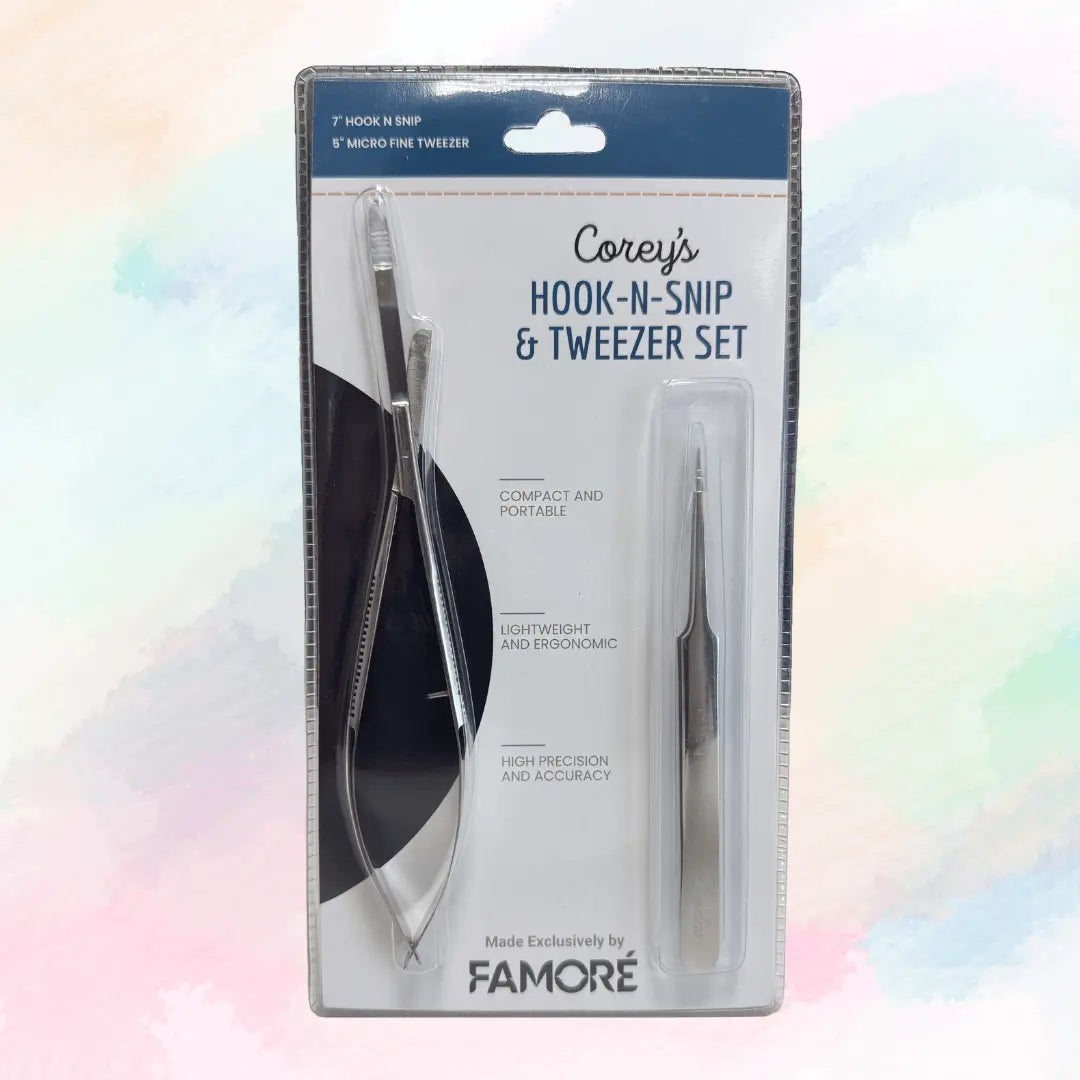
Invest in proper tools—quality marking pencils, useful stencils and templates, reliable rulers, and good scissors. These tools don't guarantee success, but they make success much more achievable and enjoyable.
Establish a regular practice routine that includes both drawing and quilting components. Consistent practice builds the muscle memory and confidence necessary for smooth, professional-looking results.
Connect with other quilters who share your interest in advanced quilting techniques. Online communities, local guilds, and quilting classes provide support, inspiration, and opportunities to learn from others' experiences and successes.
Most importantly, approach feather quilting with patience and realistic expectations. Like any advanced skill, mastery takes time and practice. Focus on steady improvement rather than immediate perfection, and celebrate the progress you make along the way.
Your journey into fancy feather quilting represents more than just learning new techniques—it's about developing the skills, confidence, and creative vision that will enhance all aspects of your quilting practice. The precision, planning, and artistic sensibility required for successful feather quilting will serve you well in every quilting project you undertake.
Your Fancy Feather Quilting Questions Answered
Why is drawing practice so important for feather quilting? Drawing builds the muscle memory and hand-eye coordination necessary for smooth, confident quilting motions. It helps you understand design flow and identify potential challenges before you're working with thread and fabric.
What tools are essential for fancy feather quilting? Key tools include quality marking pencils for fabric, stencils and templates for precision elements, straight-edge rulers with clear markings, and appropriate scissors. Each tool serves specific functions that enhance precision and consistency.
How do I choose the right stitch length for different feather sections? Use longer stitches (fewer per inch) for flowing outlines and main structural elements, and shorter stitches (more per inch) for detailed fill patterns and areas where you want more definition and texture contrast.
Can I adapt feather designs for different project sizes? Absolutely! Feather elements are highly versatile and can be extracted, combined, scaled up or down, and adapted for various applications including borders, sashing, cornerstones, and all-over patterns.
What's the best way to practice complex feather designs? Break complex designs into manageable sections, master each section individually, then practice combining them. Start with simpler elements and gradually add complexity as your confidence and skills develop.
How do I integrate feather quilting with my overall quilt design? Consider scale relationships with your pieced elements, directional flow that supports the quilt's visual movement, density balance with other quilted areas, and thread color choices that enhance your overall color scheme.
Ready to master the art of fancy feather quilting? Visit Linda's Electric Quilters for "But Wait! More Really Fancy Feathers!" and all the specialized tools you need to create stunning feather designs that will elevate your quilting to professional levels!
SEO Keywords: fancy feather quilting, feather quilting designs, quilting stencils, longarm quilting techniques, freehand quilting, quilting rulers, feather patterns, advanced quilting, quilting tools, feather quilting tutorial, complex quilting designs, professional quilting techniques