Planning a quilt for a full-size bed? Then getting the dimensions right isn’t just a detail. It’s the foundation of your entire project.
The wrong size can throw everything off. A quilt that’s too small looks skimpy, and one that’s too big can feel sloppy.
An effective starting point for a full-size quilt is 80” wide by 88” long. This balances coverage, comfort, and visual appeal. In this blog, we’ll break down exactly why those numbers work. We’ll also tell you how to customize quilts for your specific needs. Moreover, we teach you how to make sure your finished product shines where it matters most - the bed.
Your Quick Guide to Full-Size Quilt Dimensions

A perfectly sized quilt does more than keep you warm. It anchors the entire room. But everything hinges on one key decision: getting the dimensions right. This will help save you from unnecessary headaches and wasted fabric.
For a full-size bed, 80” wide x 88” long is an excellent starting point. You’ll see some natural variation in patterns and store-bought quilts. In the U.S., full-size quilts typically range from 78” to 84” in width and 88” to 92” in length.
Those extra inches aren’t accidental. They create what quilters call the “drop” or “drape”. This is the portion of the quilt that hangs over the sides of the mattress. With a standard full-size bed, this usually works out to about 13” of drop on each side.
The goal is balance. You want enough overhang to hide the mattress. Of course, you also want to avoid excess fabric that pools on the floor.
Full-Size Quilt Dimensions at a Glance
Here’s a quick reference for the key measurements you’ll need:
|
Item |
Standard Width |
Standard Length |
|
Full-Size Mattress |
54 inches |
75 inches |
|
Full-Size Quilt |
~80 inches |
~88 inches |
Knowing these measurements can help you decide your fabric requirements.
However, sizing standards may vary by region. For example, a full-size bed is called a “double” in Australia. If you’re working with international measurements, check a reliable local size guide.
Thinking Beyond the Standard Measurements
While standard dimensions provide a starting point, several factors can influence your project’s finished look:
-
Drop Length
How far the quilt hangs over the bed’s sides affects balance and proportion. -
Fabric Choices
Color, pattern, and texture can make or break your quilt. - Fit and Proportion
The right quilt size brings harmony to your bedroom.
By considering these factors during planning, you’re not just making a mattress covering. You’re shaping the bedroom’s overall vibe.
Customizing the Quilt Drop
How long your drop should be depends on the following:
-
Mattress Depth
Modern mattresses have gotten thick. Today, pillow-tops can be anywhere from 14” to 20” deep. A standard drop might leave your mattress’ sides peeking out. -
Bed Frame Style
A sleek platform bed needs a shorter drop. That way, the fabric doesn’t puddle on the floor. In contrast, a classic frame with a tall box spring often calls for a longer, more elegant drape to cover everything neatly. -
Your Desired Aesthetic
Decide on the style you want. A long drop feels soft and relaxed. A shorter drop looks clean and modern.
By planning your specific bed setup, you move from making just another quilt to designing a custom piece. You can adjust measurements as needed, based on your needs.
How to Calculate Your Custom Quilt Size

Calculating your own custom dimensions is actually easy. You only need your trusty tape measure. Don't just trust the size on your mattress tag as those can vary. You need to measure it yourself to get this right.
You're looking for three specific numbers:
Mattress Width
Measure straight across from one side to the other.
Mattress Length
Measure from the very top (head) to the bottom (foot).
Mattress Depth
This is the height. Measure from the top surface down to the bottom seam.
The Simple Formula for a Perfect Fit
Now that you have your numbers, use this simple formula to calculate your final quilt size. The magic ingredient here is the “drop” or how much fabric hangs over the bed’s edges. Its length completely changes the overall style. Decide if you want it to cover the mattress or just drape gracefully toward the floor.
Here’s the math to get your full-size quilt dimensions right:
For quilt width:
Start with your mattress width.
Add the mattress depth twice (once for each side).
Example: 54” (width) + 14” (left drop) + 14” (right drop) = 82” wide
For quilt length:
Start with your mattress length.
Add the mattress depth once (for the foot of the bed).
Example: 75” (length) + 14” (foot drop) = 89” long
Many quilters also love adding a “pillow tuck,” which is an extra 10” to 12” of length to fold neatly over your pillows. Using our example, that would bring the final length to about 101”. It’s a small detail that makes the finished quilt look better.
Comparing Full Quilts with Twin and Queen Sizes

Sometimes the best way to understand a size is through comparison. Set between a twin and a queen, a full-size quilt’s proportions quickly stand out.
The width is the most noticeable difference. A twin quilt is narrower and is made for a single sleeper. On the other hand, a queen provides generous drapes on both sides. Right in between sits the full-size quilt, which makes it a versatile option.
The chart below shows the typical mattress and quilt dimensions for these three popular bed sizes:
Quilt Size Comparison Chart
|
Bed Size |
Mattress (W x L) |
Common Quilt Size (W x L) |
|
Twin |
38” x 75” |
70” x 90” |
|
Full |
54” x 75” |
80” x 88” |
|
Queen |
60” x 80” |
90” x 95” |
Practical Sizing Implications
These numbers aren’t just for reference. They directly affect how a quilt looks and feels. For example, stretching a twin quilt over a full mattress means you’ll have exposed sides. The result feels unfinished and won’t provide the visual balance you want.
Of course, you can use a full-size quilt on a queen bed. This creates a much shorter drop that just covers the mattress. The result is a clean, contemporary look. That said, this approach won’t work on a thick, pillow-top queen. The sides of the mattress will still show.
The bottom line: each quilt size is intentionally designed to pair with a specific mattress. While you can be creative, choosing the correct size is almost always the most effective way to achieve a polished result.
When buying supplies, remember that your choices influence your quilt’s look and durability. Using quality materials helps make it stand the test of time.
From cutting accuracy to stitch durability, every decision quietly determines how professional your finished quilt will feel.
Your Essential Quilting Checklist
To start your project, you’ll need these supplies:
Quilt Top Fabric
Look for high-quality 100% quilting cotton, such as:
-
Quilting cotton yardage (44” wide)
-
Pre-cut bundles like fat quarters, jelly rolls, or layer cakes
-
Designer quilting cotton prints for coordinated color palettes
These quilting fabrics are durable, stable, and easy to cut and piece accurately.
Backing Fabric
Don’t skimp on the back. It needs to be strong and comfortable. Common choices include:
-
Wide-width quilting cotton (90” to 108”) to avoid seams
-
Soft cotton sheeting
-
Flannel backing for a warmer, cozier quilt
Wide backing fabric is especially helpful for full-size quilts. It often eliminates the need to piece the back.
Batting
This is the warm, insulating layer inside your quilt. For a full-size project, look for:
-
Pre-packaged full-size cotton batting (around 81” x 96”)
-
Cotton/poly blend batting for easier quilting
-
Low-loft batting for detailed quilting designs
-
High-loft batting for a puffier, more dimensional look
Pre-cut batting saves time and gives you extra room on all sides. Plus, it makes layering and trimming faster and cleaner.
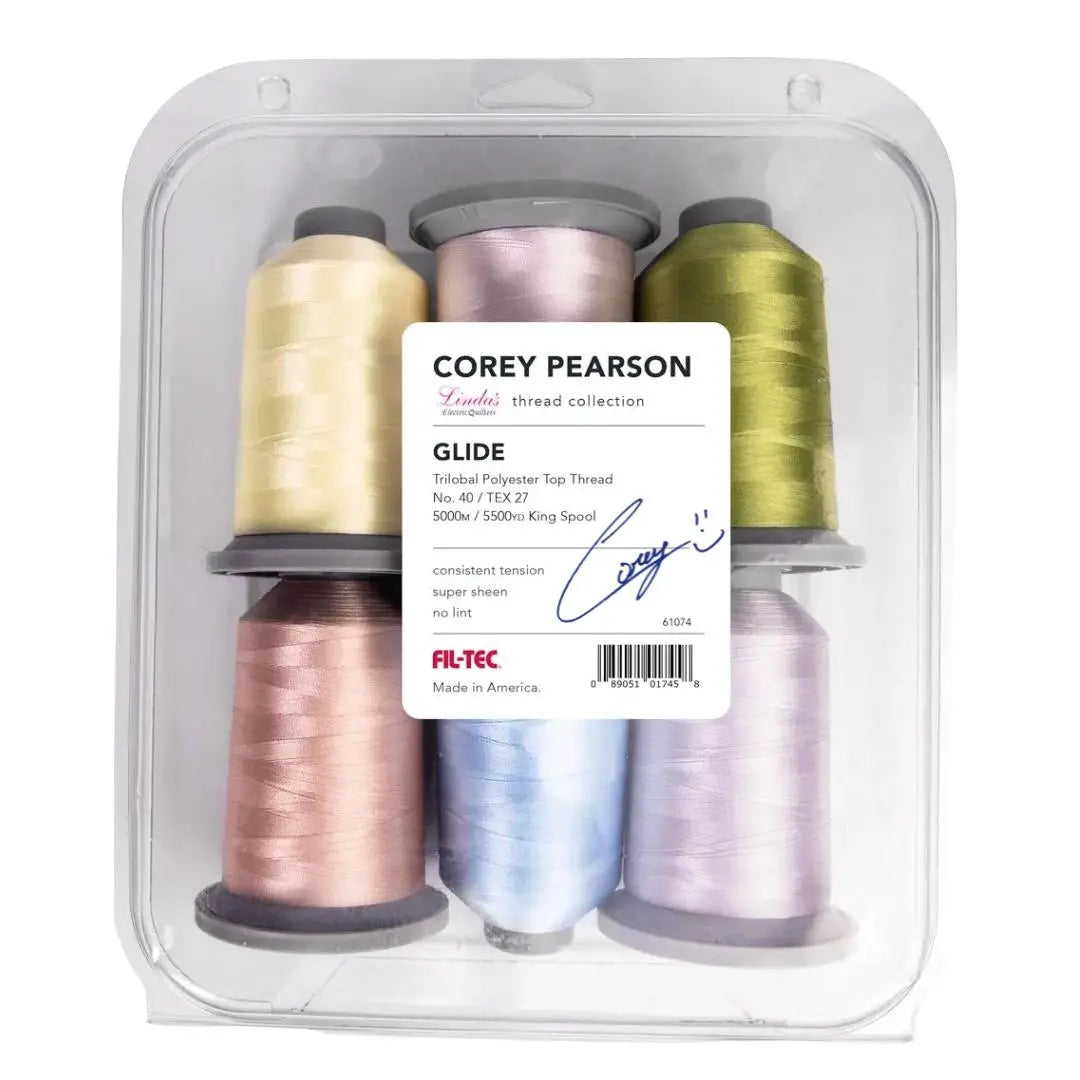
Thread
High-quality quilting threads reduce lint and breakage. Good options include:
-
100% cotton quilting thread
-
Polyester or cotton-wrapped polyester thread for durability
-
40-weight or 50-weight thread for general quilting
-
Neutral colors (cream, gray, or soft beige) for versatile use
Frequently Asked Questions About Full Quilt Sizing
Here are a few common questions among quilters planning a full-size project:
Should I Pre-Wash My Fabric?
Ideally, yes. Most quilting cotton is 100% cotton. That means it's usually going to shrink around 3 to 5%.
When you pre-wash, the shrinking happens before you've invested hours. It becomes your cheap insurance against a quilt that puckers or goes wonky after the first laundry. If you skip this step, add a little extra to your initial measurements to account for it.
Will a Full-Size Quilt Fit a Queen Bed?
It can, but it’s a specific look. A full-size quilt on a queen mattress gives you a shorter drop, with about 10” on each side. This can look sharp and modern, especially on low-profile platform beds that don't need flowing drapes.
For a standard or pillow-top queen, a short drop leaves the mattress’ sides showing. For a cozier look, go with a true queen-sized quilt.
What Size Batting Should I Buy?
Your best bet is to look for pre-packaged batting that's specifically labeled “Full-Size.” This generally measures around 81” x 96”.
This size is intentionally generous. Those extra inches are crucial. It gives you plenty of room to smooth everything out. You can also secure all three layers without the edges slipping. Once you’re done, you simply trim off the extra batting and backing for a perfect finish.