
Hey everyone. Today we're talking about why I wouldn't skip pre-washing garment fabric, and how that one wash saves a fit you worked hard for.
I know why folks skip it. I really do. You bring home beautiful fabric. It looks crisp. It feels ready. You want to cut right now, not tomorrow. Pre-washing feels like homework before the fun starts.
Here is the problem. That crisp finish is not the fabric's true size. It is sizing and factory finish sitting on the fibers. The first real wash changes everything. Cotton can shrink 3 to 5 percent. Linen and rayon can give up even more. On a 36-inch inseam, 3 percent is over an inch. Gone. Just like that.
The story — a hem that kept getting shorter
I watched this lesson land in the sewing room. A sewist made a simple fitted top. She checked her seams. She pressed as she went. It fit beautifully when she tried it on. We all said so.
Then she washed it the way she would always wash it. Warm wash. Tumble dry. The top came out tighter across the chest. The hem sat higher than she planned. Her seams pulled just a little at the side. Nothing was ripped. Nothing was broken. The fabric had simply shrunk after the garment was already made.
That is exactly what the queue lesson warns about. Fabric that shrinks after sewing will pull seams, shorten hems, and change the fit. Color can make it worse. A deep red or navy can bleed onto a light facing or lining in that first wash. Now you have two surprises in one garment.
She did not fail at sewing. She skipped the step that tells the truth early. I have done a version of that myself, in a hurry. We are not reinventing the wheel here. Wash first, learn first.
What I do instead
Here is my routine, step by step. It is completely up to you on the details, but this order works.
1. Pre-treat it like the finished garment. If the finished top will go in a warm machine wash and a medium dryer, do that exact cycle now. If it will be gentle cold and hang dry, do that instead. Do not baby the yardage one way and wash the garment another way later. Match the method, start to finish.
2. Protect the cut ends first. Before the wash, run a quick zigzag or serged edge along the two cut ends. Use a stitch length around 2.5 mm for that zigzag. It takes two minutes. It saves you inches of frayed, tangled edge in the wash.
3. Wash darks and lights separate the first time. This is your bleed test, for free. A dark fabric that is going to bleed will show you now, on its own, not on your finished collar. If the water looks heavily colored, wash it again alone until it runs much clearer.
4. Dry it fully, the same way. Do not pull it out damp and call it done. Shrinkage happens in the dryer too. Let the full cycle finish. Then let the fabric rest flat for 30 minutes. It relaxes. You get a truer measure.
5. Press it, then square it, then cut. Press the whole piece after washing. Use the heat the fabric can take safely, tested on a scrap first. Then fold selvedges together and check the ends line up. If they do not, gently tug the short diagonal corners until it lies smooth. Only then lay out your pattern and check that grainline.
For dry-clean-only wool or silk, do not toss it in the machine. That is a different road. Steam it carefully or have it professionally pre-shrunk. The point is the same — shrink it on purpose before you cut, just by the right method for that fiber.
And listen, it does not have to be perfect. You're your own worst critic on this one. If a stable synthetic barely shrinks, you will learn that too. Take your time. It is not a race. One wash today beats re-cutting a whole garment next week. If I can do this, y'all can do it.
Don't take my word for it — read this: Should You Prewash Fabric? by Melly Sews walks through when and how to pre-wash, with a clear before-and-after showing how much an unwashed cotton shrank next to a pre-washed piece.
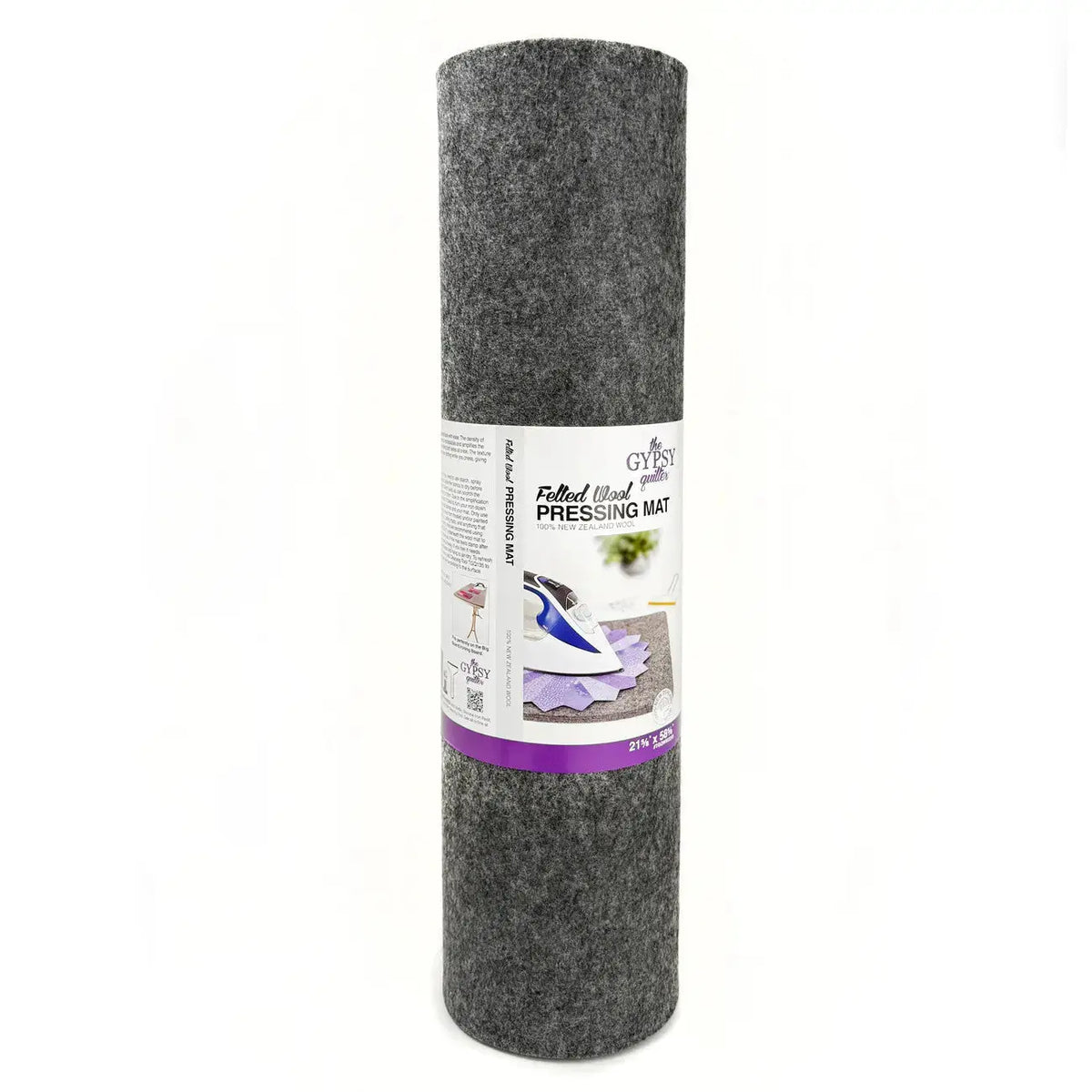
Shop the Wool Pressing Mat 21-5/8in Wide x 58-5/8in Long x 3/8in Thick at Linda's Electric Quilters.
Thanks so much for sewing with me today, folks. Give that fabric its first wash before your scissors come out, and your finished fit will thank you.
We'll see you next time. Bye.
— Corey, Chief Quilter, Linda's Electric Quilters


