
Hey everyone. Today you're going to learn how to make an absorbent bib with a crumb-catcher pocket — and how to choose between batting, interfacing, or both.
Here we go. A bib has one job. Catch the mess. Keep the shirt underneath dry. And if it curls up after one wash, nobody reaches for it again.
That is why the hidden layer matters. Batting soaks. Interfacing shapes. They are not the same job. Use the right one, and this little bib works really really hard.
This version has a curved pocket at the bottom. It catches peas, puffs, and runaway noodles. I made a test set first in McKinney. Three bibs. Three different cores. The winner was clear at lunchtime.
How to decide: batting, interfacing, or both
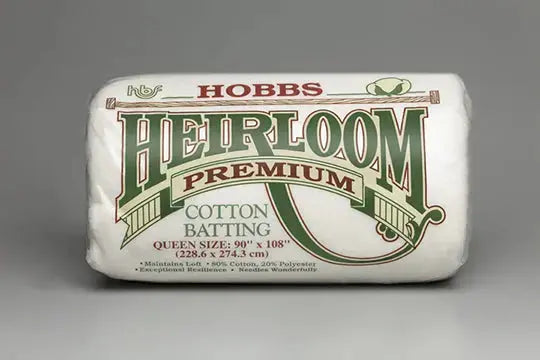
Batting only is for absorbency. Do the pour test. Put a teaspoon of water on a fabric-and-batting sandwich. Count to five. If it soaks in, batting is doing its job. Low-loft cotton or 80/20 cotton-poly is my pick. Thin, absorbent, and flat after washing.
Interfacing only is for shape. It stops a neckline from stretching and keeps edges crisp. But it will not soak up a spill. Not even a little.
Both is what most bibs need. Batting in the middle for the soak. A small strip of lightweight fusible at the neck and snap area for strength. That combo is what I use. Completely up to you, but test first.
Materials
- Outer fabric, about 11 x 14 inches — quilting cotton works great
- Backing fabric, same size — cotton or soft flannel
- Low-loft batting for the core, same size, trimmed later
- Small strip of lightweight fusible interfacing, about 1 x 5 inches for the neck
- Extra fabric for the crumb pocket, about 10 x 4 inches
- Snap or hook-and-loop closure
- Thread to match, pins or clips, and a turning tool
- Iron and pressing cloth
- Bib pattern or a favorite bib to trace
How to make it
- Prewash your fabrics. Wash and dry them like you will wash the bib. Warm wash, low dry. Your cotton will shrink a touch. Better now than later.
- Fuse the interfacing first. Cut a small strip for the neck edge and snap tabs. Fuse it to the wrong side of the outer fabric only. Press, do not slide. Lift and press. Let it cool fully. This stops the closure from pulling and tearing.
- Make the crumb pocket. Fold the pocket fabric in half lengthwise, wrong sides together, and press. Topstitch the folded edge at 1/8 inch. That folded top is the pocket opening.
- Stack the layers in order. Backing fabric right side up. Pocket on the lower front, raw edges matching bottom and sides. Outer fabric right side down. Batting on top. Pin or clip all around. Slow down at the pocket. Those layers get thick.
- Stitch around the bib. Use a 1/4-inch seam and a 2.5 mm stitch length. Leave a 3-inch opening for turning. Backstitch at both ends. Trim batting close to the stitch line. Clip the neck curve carefully. Do not clip through your stitches.
- Turn and press. Turn right-side out. Push the curves out gently with a turning tool. Press flat with a pressing cloth. Fold the pocket up and press. Just like that, it looks like a real bib.
- Quilt the core in place. Topstitch 1/8 inch from the edge all around. That closes your opening too. Add two or three quilting lines across the body, about 1 inch apart. This keeps batting from bunching in the wash. That is the no-curl secret, folks.
- Add the closure. Attach a snap or hook-and-loop at the neck tabs, right where you added interfacing. Test the fit. If you add a second snap position, the bib grows with the baby. Super duper handy.
Tips and variations
If your bib curls. Your quilting lines are too far apart, or the batting is too lofty. Go lower loft. Quilt a little closer. I made a puffy one first. It washed wavy. Lesson learned.
If the shirt still gets wet. Add a second thin batting layer in the center panel only. Keep the edges single. That keeps seams flat.
Skip the interfacing sometimes. Two sturdy cottons? Batting alone may be plenty. Stretchy knit or thin vintage fabric? Add the interfacing. Let the fabric tell you.
And here is your permission beat. Your first pocket may sit a little crooked. Mine did. You're your own worst critic. Take your time. It is not a race. If I can do this, y'all can do it.
Alrighty. Thanks for sewing along with me today. We'll see you next time. Bye.
Shop Hobbs Heirloom 80/20 Batting Package at Linda's Electric Quilters.


