
Hey everyone. Today you'll learn how to turn a stack of outgrown baby clothes into a keepsake quilt that pieces, presses, and quilts just like quilting cotton.
Here is the problem. Onesies, sleepers, and tiny tees are stretchy. Really really stretchy. You cut a sweet little square, and it curls. You sew it, and it waves. You press it, and it grows a half inch.
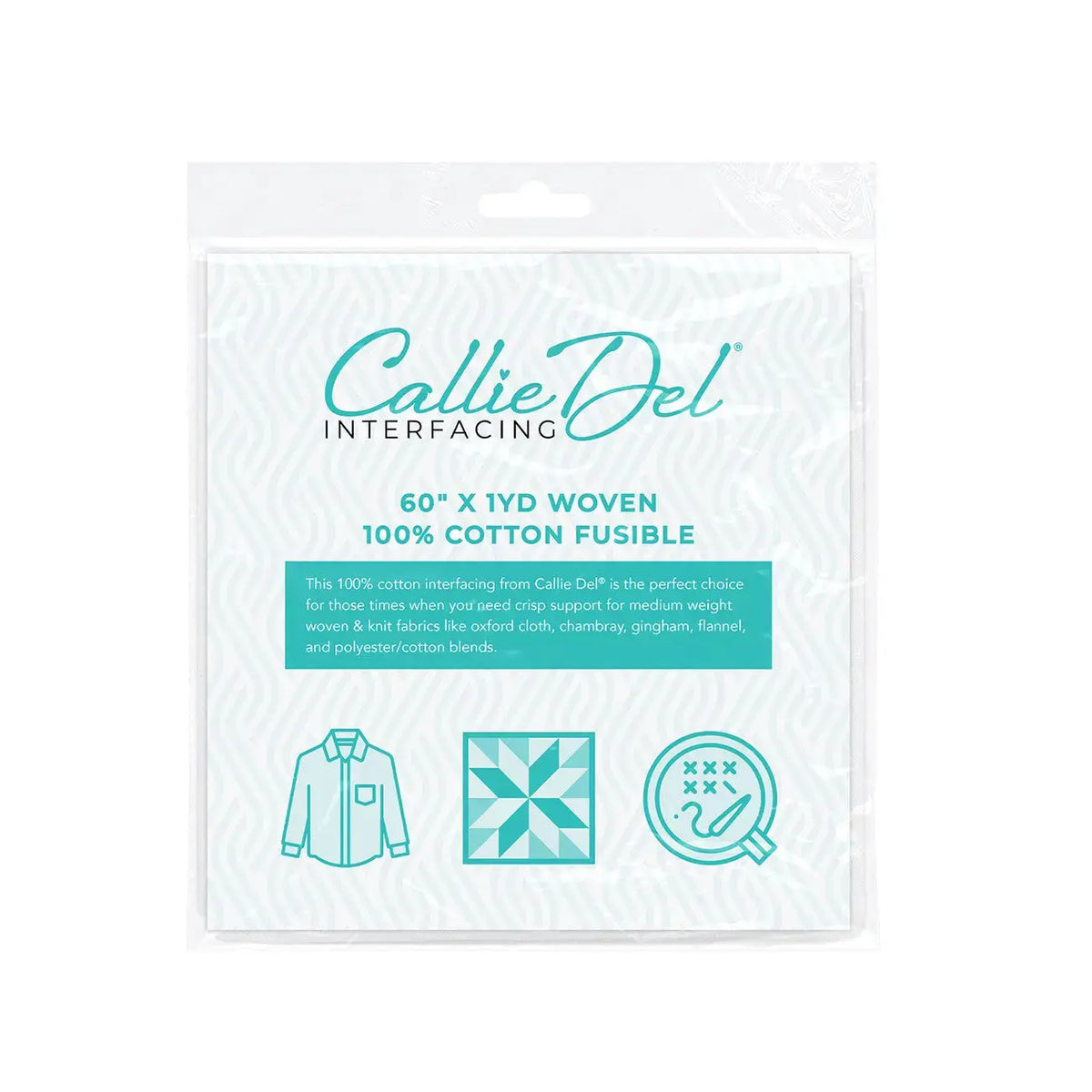
The fix is simple. Fuse a lightweight woven fusible interfacing to the back of every block before you do anything else. The interfacing locks the stretch in place. Now that soft, wiggly knit behaves. It cuts clean. It sews flat. It presses like cotton.
We're not reinventing the wheel here. We are just giving baby clothes a backbone.
Materials
- 12 to 20 baby garments — onesies, sleepers, soft tees, a favorite receiving blanket piece
- Lightweight woven fusible interfacing, enough to back every block
- Quilting cotton for sashing and backing
- Low-loft quilt batting
- Rotary cutter, mat, and a ruler at least 6 inches square
- Iron and pressing surface, plus a press cloth
- 50-weight piecing thread and a ballpoint or stretch needle, size 80/12
- Pins or clips, and a marking pencil
How to make it
- Wash and sort first. Wash everything the way baby laundry gets washed. Then sort by memory, not by color. Pick the pieces with the sweet prints, the tiny pockets, and the snaps you want to save.
- Open the garments flat. Cut along side seams and remove sleeves. You want a flat layer of knit, not a tube. Do not stretch it while you cut. Just let it relax on the table.
- Cut interfacing before fabric. Cut interfacing squares about 1 inch bigger than your finished block on all sides. My blocks here finish at 6 inches, so I cut interfacing at 8 inches square.
- Fuse low and slow. Lay the garment piece wrong side up. Center the interfacing, glue side down. Press with a press cloth, medium heat, and lift-and-set the iron. Hold each spot about 10 seconds. Do not slide the iron. Sliding stretches the knit and drags the glue. Ask me how I know. Just like that, lift, move, press again.
- Let it cool completely. Walk away for a minute. Fused pieces trimmed warm can shift. Cool blocks stay honest.
- Trim to size from the interfacing side. Now cut your exact 6 1/2-inch squares, centering the print or the little pocket you love. The interfacing gives the rotary cutter something firm to follow, so edges come out clean.
- Piece like cotton. Sew blocks and sashing with a 1/4-inch seam. Use that 80/12 ballpoint needle and a stitch length around 2.5. Press seams toward the sashing. You will feel the difference right away. No waves. No stretching. Super duper satisfying.
- Layer and quilt gently. Back the top, add low-loft batting, and quilt with a simple meander or stitch in the ditch. Keep quilting about 2 to 3 inches apart. Dense quilting on knits can feel stiff, and we want this quilt soft enough to cuddle.
- Bind and label it. Bind as usual, then add a label with the baby's name and the years those clothes were worn. That label will mean more later than you think.
Tips and variations
Save the special details. Center a snap placket, a tiny embroidered bunny, or a footed toe right in a block. Trim around it, interface behind it, and treat it like any other square.
Mixed weights are fine. A thick fleece sleeper and a thin onesie can live in the same quilt once both are interfaced. The interfacing levels the playing field. Completely up to you which pieces make the cut.
Test one block first. Fuse, trim, and sew a single test square before you commit to the whole stack. If the interfacing feels too firm, go lighter. Too soft? Go one step up. One test saves a whole afternoon.
And here is your permission beat. Some seams will not line up perfectly. Some prints will sit a little crooked. That is fine. You are your own worst critic, and nobody who loves that baby will ever notice. Take your time. It's not a race.
If I can do this, y'all can do it. Thank y'all for sewing along with me. We'll see you next time. Bye.
Shop Woven 100% Cotton Fusible Packaged Interfacing 60in x 1yd at Linda's Electric Quilters.


