
Hey everyone. Today you're going to learn how to rescue a thrift-store quilt by patching its worn spots with fresh batting and a simple darning stitch.
You know the one. It's folded on the thrift-store shelf. The colors are sweet. The hand quilting is lovely. But one corner is flat as a pancake, and the fabric is worn thin in two spots.
Most folks walk right past it. Not us, y'all. That quilt still has years in it. You don't take it apart. You open just the worn spot, slip in fresh batting for loft, add a whisper of interfacing behind tired fabric, and darn it strong again. Here we go.
Why both helpers? Batting replaces what time packed down. Interfacing gives thin, tired top fabric something to hold onto while you stitch. One brings back the squish. The other keeps the darning from pulling through. Together, they save the quilt.
Materials
- Your thrift-store quilt, washed gently and dried flat first
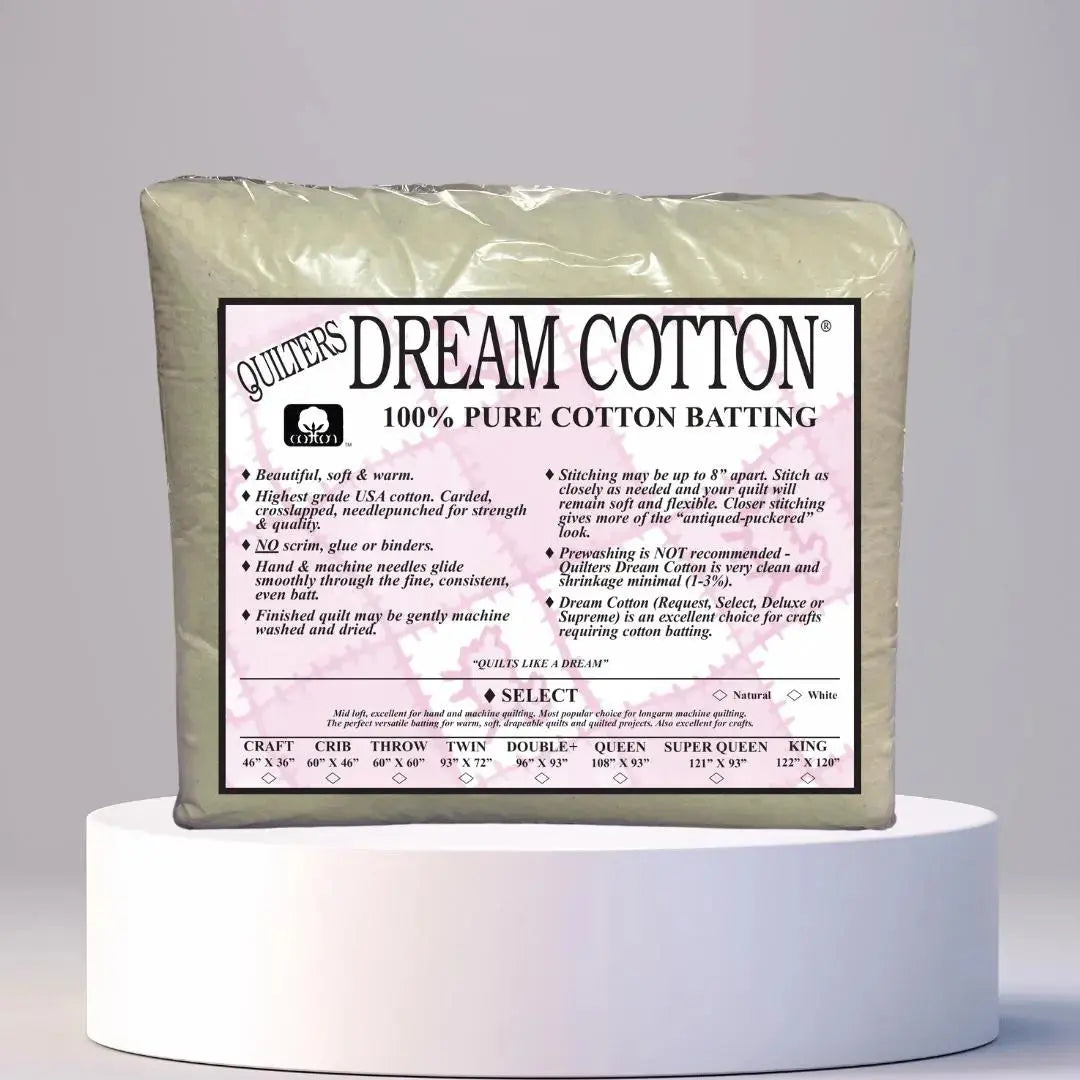
- Fresh low-loft cotton batting, cut about 1 inch larger than each worn area
- Lightweight fusible interfacing, for backing worn top fabric
- Seam ripper and small sharp scissors
- Iron and pressing cloth
- Hand needle, size 7 to 9, or your machine with a darning foot
- Thread, 50-weight, matching the quilt top
- Size 80/12 needle if you darn by machine
- Pins, a marking pencil, and a scrap of matching fabric for an applique patch if the top is worn through
How-to steps
- Inspect before you judge. Lay the quilt flat in good light. Press each area with your palm. Feel where the loft comes back. Mark about 1 inch past every flat or thin spot. Damage is always a little bigger than it looks.
- Check the fabric, not just the batting. Hold worn spots up to the light. If you can see through the weave, that fabric needs interfacing before it can hold a stitch. If it's only shiny thin, darning alone may do it. Completely up to you where you draw that line.
- Open a small doorway. Use a seam ripper on the binding or one seam near the worn spot. Open just 3 to 4 inches. I have opened too much before, folks. Then you spend your evening closing instead of fixing. Small is smarter.
- Clear out the tired batting. Pull out any lumpy, shredded batting from that zone. Leave good batting alone. Smooth the inside flat with your fingers.
- Back the tired fabric. Cut lightweight fusible interfacing 1/2 inch larger than the thin spot. Slide it in, fusible side against the back of the top fabric. Press from the top with a pressing cloth, about 10 seconds per spot. Let it cool. Now that fabric has a backbone.
- Slip in the fresh batting. Cut your batting 1 inch larger than the hollow on all sides. Feather the edges thin with your fingers so there's no hard ridge. Slide it in and smooth it flat. It should match the good areas, not puff above them.
- Close the opening. Fold the seam allowances back in. Pin. Hand stitch closed with a ladder stitch, or topstitch close to the edge.
- Darn over the worn spot. By hand, work small running stitches back and forth, about 4 to 5 stitches per inch, then cross them the other way. On a machine, drop or cover your feed dogs, set stitch length to 0, and move the quilt slowly in small rows. Slow down here. Rush it and the needle snaps.
- Re-quilt the zone. Add a few quilting lines through the repair, following the original pattern if you can. Stitch in the ditch or a simple echo works fine. This locks batting, interfacing, and darn into one strong layer. Just like that.
Tips and variations
It doesn't have to be perfect. A rescue is allowed to show a little. You're your own worst critic. The goal is a quilt back on a bed, getting used and loved. Take your time, it's not a race.
Make the repair a feature. Patch one spot with a contrasting applique and visible stitching, sashiko style. Super duper charming, and honest about the quilt's story.
Test on a scrap sandwich first. Two minutes of practice tells you if your batting weight matches. If I can do this, y'all can do it.
Wash like you mean it to last. Gentle cycle, cool water, dry flat or on low. A rescued quilt has earned the easy life.
Thanks for sewing along with me, folks. We'll see you next time. Bye.
Shop Quilters Dream Select Natural Cotton Batting Package at Linda's Electric Quilters.


