
Hey everyone. Today you will learn to rescue a thrift-store quilt by patching worn spots with fresh batting and a simple darning stitch.
You found it folded on a shelf. The colors are sweet. Then you see it. One patch is thin, frayed, and flat as a pancake.
Do not put it back, folks. That quilt is not done. A little fresh batting brings back the loft. A little interfacing brings back the strength. Put them together and that quilt can serve another decade. Here we go.
Why Batting Plus Interfacing Works Here
Worn spots fail in two ways at once. The top fabric frays at the edges. And the batting underneath has packed down or crumbled away.
If you only stitch the top closed, it still feels flat and weak. If you only add batting, the frayed edges keep pulling apart. You need both helpers.
Interfacing goes behind the patch fabric. It keeps edges crisp and stops fraying. It gives your stitches something solid to grip.
Batting goes in the hollow spot. It restores the puff and the warmth. Low-loft batting is my pick for most patches. It matches the rest of an old quilt without making a lump. Completely up to you, but match the loft you can feel in a healthy area nearby.
I have done this on quilts I thought were goners. Really really satisfying when that flat spot puffs back up.
Materials
- Your thrift-store quilt, washed gently and dried flat
- Fresh low-loft batting — cotton or 80/20 cotton-poly, cut from a scrap or package
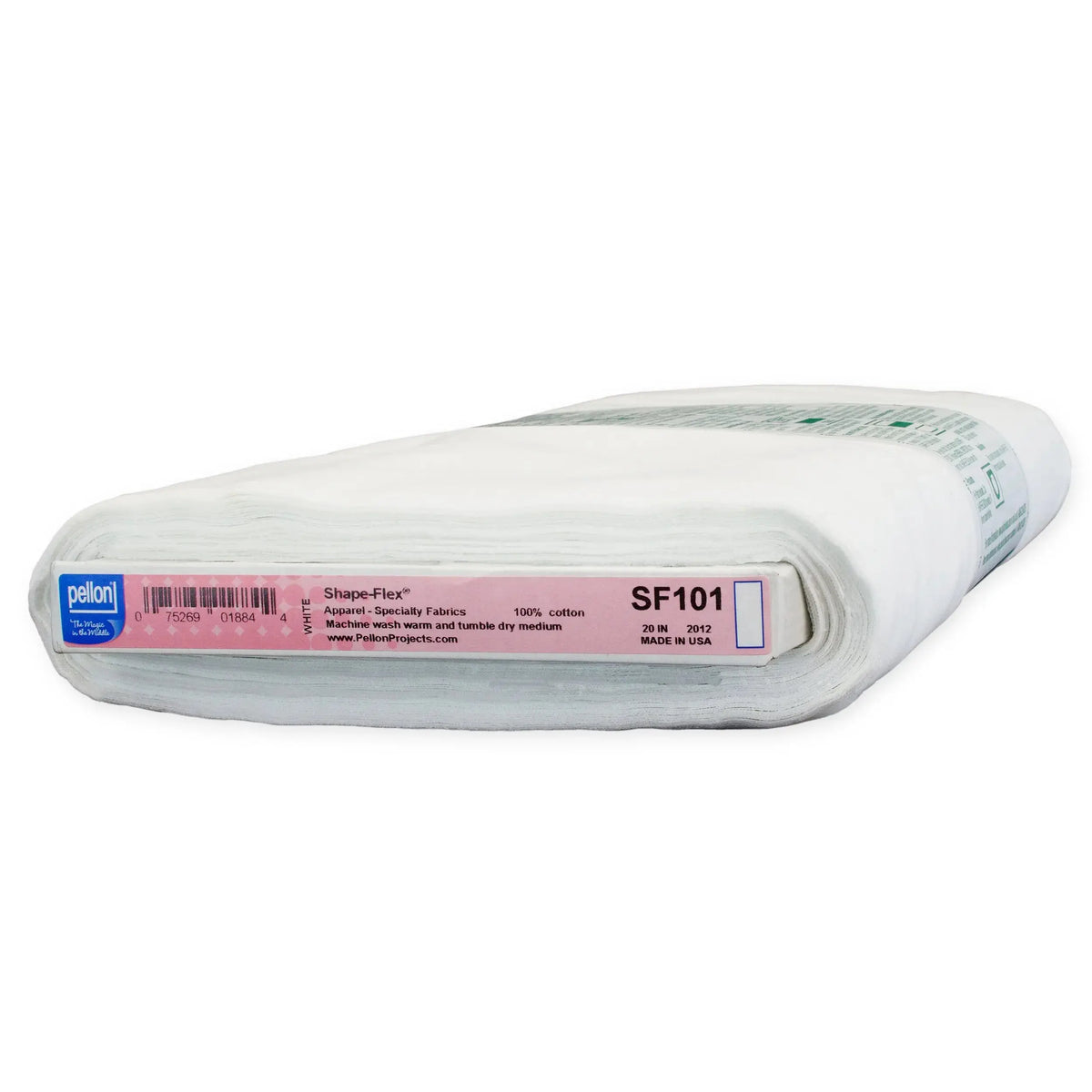
- Woven fusible interfacing — lightweight to medium weight, for backing the patch
- Patch fabric — quilting cotton that blends or contrasts, your choice
- Seam ripper and small, sharp scissors
- Iron and press cloth
- Hand sewing needles and 50-weight thread to match
- Pins and a marking pencil
How to Patch It
- Inspect the whole quilt first. Lay it flat in good light. Mark every thin spot with a pin. Fix the worst spot first.
- Open the worn spot gently. Use a seam ripper to open 2 to 3 inches along the nearest seam or the edge of the tear. Go slow. You only need a little window to work through. Do not cut good fabric.
- Remove what has failed. Ease out crumbled batting with your fingers. If the batting around the edges is still sound, leave it.
- Cut fresh batting a little big. Cut a piece about 1/2 inch larger than the hollow on all sides. Tuck the edges under the sound batting. That overlap stops a dip from showing later.
- Build your patch with interfacing. Cut patch fabric 1 inch larger than the hole on all sides. Cut interfacing the same size. Fuse the interfacing to the wrong side of the patch, following the package heat. Let it cool flat. Now your edges will stay crisp.
- Place and pin the patch. Lay the patch over the worn area, right side up. Fold raw edges under about 1/4 inch and pin all around. Take your time.
- Darn or applique it down. For a quiet repair, use small applique stitches, about 8 to 10 stitches per inch, catching the fold every 1/8 inch. For a visible mend, use a simple darning stitch. Weave thread over and under across the patch in neat rows. Either way works.
- Re-quilt the patched zone. Add a few quilting stitches through the patch, fresh batting, and backing. Follow the original pattern if you can, like stitch in the ditch or a simple echo. This locks the new batting so it does not shift in the wash.
- Close and press lightly. If you opened a seam, ladder-stitch it closed. Press with a warm iron and press cloth. Do not flatten that new loft.
Tips and Variations
Wash first. Wash your patch fabric and batting scrap before you start. Old quilts have already shrunk. Fabric that shrinks later will pucker.
Make the mend a feature. Found three worn spots? Patch them all in the same contrast fabric. Now it looks intentional. Super duper cute on a scrappy quilt.
Go bigger on fragile fabric. If the area around the hole feels thin too, extend the patch 1 to 2 inches past the damage. Interfacing spreads the stress so the tear does not just move next door.
Your stitches will not match the original maker perfectly. Mine never do. That is okay. It does not have to be perfect. You are your own worst critic. Take your time. It's not a race. If I can do this, y'all can do it.
Thanks for rescuing a good quilt with me today. We'll see you next time. Bye.
Shop Pellon® SF101 Shape-Flex® Cotton Woven Fusible Interfacing 20" x 10 yards Bolt. Color: White. at Linda's Electric Quilters.


