
How to Replace and Use 60mm Rotary Blades: Tips for Quilters
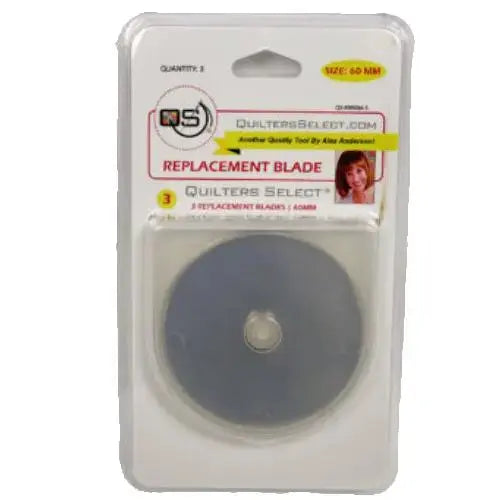
A dull rotary blade makes cutting harder than it needs to be. Instead of gliding through fabric, it skips, drags, and leaves little threads still attached — and you end up pressing harder, which makes your cuts less accurate and your hand more tired. The Quilters Select 60mm Rotary Blade Replacements (3 pk) give you fresh, sharp blades for your 60mm rotary cutter, so you can get back to clean, confident cutting. The manufacturer notes that these blades are ideal for cutting fabric, paper, vinyl wallpaper, foam, and more, which makes them useful well beyond the quilting table.
What These Replacement Blades Are
This is a pack of three replacement blades in the 60mm size. The 60mm format is the larger rotary blade size many quilters reach for when cutting longer runs, straight edges, and multiple layers, as well as thicker materials used in craft projects. Because this is a 3-pack, you can replace a worn blade right away and still have spares on hand for the next time cutting starts to feel rough — no pausing a project to order a single blade.
Why Quilters and Sewists Use Them
Sharpness is accuracy. A fresh blade follows your ruler instead of wandering or chewing the edge of the fabric, so strips, squares, and bindings come out the size you intended. Replacing a blade also reduces the temptation to bear down with extra pressure, which can shift fabric, move a ruler, and strain your wrist and shoulder during a long cutting session. Keeping replacements in your sewing room means a nicked or dull blade never has to derail a project: you notice the problem, swap the blade, and keep going. And because these blades can also be used on paper, vinyl wallpaper, and foam, crafters who move between sewing and other projects will find them handy, too — just remember that cutting paper dulls a blade faster than cutting fabric, so many sewists reserve one blade for fabric only.
How to Replace a Rotary Blade, Step by Step
- Close and set down your cutter. Retract or cover the blade, place the cutter on a flat, stable surface, and work in good light. Treat every blade — old or new — as sharp.
- Open the cutter following its instructions. Rotary cutters differ, so follow the directions for your specific cutter for loosening and removing the screw or fastener that holds the blade. Keep the small parts together in a dish so nothing rolls away.
- Remove the old blade carefully. Lift it out by its edges without sliding your fingers across the cutting edge, and set it aside for safe disposal.
- Seat a new 60mm replacement blade. Place one blade from the pack in position, making sure it sits flat and centered as your cutter's instructions describe.
- Reassemble and check the action. Replace the fastener and tighten it as directed — snug, without forcing it. Open and close the blade guard to confirm it moves as it should.
- Test before you cut your project. Make a few test cuts on scrap fabric. A good blade should cut cleanly in a single pass along your ruler, with no skips or uncut threads.
Practical Tips
Change your blade at the first signs of trouble — skipping, frayed edges, or needing a second pass — rather than pushing through a whole project. Always cut on a proper cutting mat, and keep the blade guard closed whenever the cutter leaves your hand, even for a moment. If you cut a mix of materials, consider marking one blade for fabric and using a separate, older blade for paper or foam. Finally, store your spare blades in their original packaging, out of reach of children, so the edges stay protected and easy to find.
Care and Storage
Dispose of worn blades safely: wrap them or place them in a rigid, labeled container rather than dropping a loose blade into household trash. Keep new blades dry and in their pack until you need them, and store your cutter with the blade covered. A quick habit of wiping lint away from the blade area when you change blades helps your cutter open, close, and roll smoothly.
Project Ideas
Put a fresh 60mm blade to work cutting long border and binding strips, squaring up quilt layers, trimming batting, or cutting the pieces for tote bags and home-dec projects. Beyond quilting, use it for the manufacturer's other suggested materials — paper projects, vinyl wallpaper, and foam — with a blade you have set aside for non-fabric cutting.
A sharp blade is one of the simplest upgrades in the sewing room. With three replacements in the pack, you can cut cleanly today and still have the next change ready when you need it.
Shop the Quilters Select 60mm Rotary Blade Replacements (3 pk) at Linda's Electric Quilters.


