
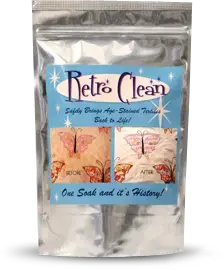
How to Use Retro Clean Fabric Cleaner: Soak Away Years from Vintage Quilts and Linens
Every quilter eventually inherits or rescues a textile with a history — a grandmother's quilt yellowed in a cedar chest, lace that has picked up decades of dust, or a tablecloth marked by years of holiday meals. Retro Clean Fabric Cleaner, in the 1 lb size, is a soak cleaner made for exactly that job. As the product puts it: one soak, and the staining is history.
What Retro Clean Is
Retro Clean is a fabric cleaner you dissolve in warm water and use as a soak rather than a scrub or a spot treatment. The product description highlights how well it works on vintage pieces: clothes, quilts, lace, aprons, doll clothes, fabrics, linens, and tablecloths are all listed as good candidates. It isn't only for textiles, either — the description also names plastic and Tupperware among the items it can be used on. For quilters, its real appeal is gentle, hands-off cleaning: the item sits in the solution and the soak does the work, instead of agitation or harsh rubbing on fragile old fibers.
Why Quilters and Sewists Use It
Vintage textiles often can't take a normal wash cycle. Old quilts may have weak seams and batting that shifts; lace and aprons can tear when they're handled roughly; and aged linens frequently carry the overall dinginess and staining that comes from long storage. A soak cleaner lets you treat the whole piece evenly, reach staining that surface washing misses, and avoid scrubbing at spots that might damage the fabric. It's also useful before you store, gift, display, or repair an heirloom, because you can see the true colors of the fabric once the accumulated grime is gone.
How to Use It, Step by Step
- Wash and rinse first. Before soaking, wash and rinse the item to be treated, so loose dirt is already removed and the soak can concentrate on the staining.
- Check for colorfastness. Prior to washing your item, always check that the item is colorfast. This matters most on vintage pieces with deep or fugitive dyes — test before you commit the whole piece to a long soak.
- Mix the solution. Dissolve 3 to 4 tablespoons of Retro Clean in each gallon of warm water. Make enough solution to adequately immerse the item completely.
- Soak, up to 48 hours. Submerge the item and soak for up to 48 hours, depending on the degree of staining. Lighter dinginess needs less time; heavier staining uses more of that window.
- Check and stir periodically. While it soaks, check on the item and stir periodically, and make sure the item remains immersed the whole time — a corner floating above the waterline won't clean evenly.
- Try sunshine for best results. For optimum results, soak the item in a portable container and place it outdoors in the sunshine if possible. The sunshine helps keep the water warm, which speeds up the process.
- Wash and rinse again. The item should always be washed and rinsed after soaking as well, so no cleaning residue is left in the fibers before drying and storage.
Practical Tips
Measure honestly: 3 to 4 tablespoons per gallon only works if you mix enough solution to truly cover the piece, so size your container to the quilt or linen rather than crowding it into a small basin. Keep the item fully under the surface for the entire soak, weighing down a buoyant corner if needed. Check in rather than walking away for the full time — periodic stirring keeps the solution working evenly and lets you stop once the staining has lifted instead of automatically using all 48 hours. And treat the colorfastness check as non-negotiable on anything old, handmade, or deeply dyed.
Care and Storage
Keep the unopened and opened cleaner in its container in a dry spot with your laundry and fabric-care supplies, so it stays dry and ready for the next rescue project. After a treated piece has been washed, rinsed, and dried, store it clean — putting a freshly revived quilt or tablecloth away dirty would undo the soak's work. A 1 lb size suits quilters who clean heirloom pieces periodically rather than every week, so having it on the shelf means you're ready when a vintage find turns up.
Project Ideas
Soak a yellowed vintage quilt before displaying or gifting it. Refresh stored linens and tablecloths before a holiday meal. Revive lace, aprons, and doll clothes from estate finds or family keepsakes, and clean vintage fabrics before you cut them into a new project, so you know their true color and condition first.
Shop the Retro Clean Fabric Cleaner 1 lb at Linda's Electric Quilters.


