Table of Contents
- Quick Comparison Table
- Fabric Selection and Sourcing: Where They Differ
- Quilting Thread Quality Comparison
- Precuts, Yardage, and Fabric Availability
- Essential Quilting Notions for Beginners
- Pricing, Shipping, and Customer Service
- Which Retailer Should You Choose?
- Conclusion
- Frequently Asked Questions
Last Updated: September 20, 2026
Quick Comparison Table
| Feature | Missouri Quilt Co | Connecting Threads | Winner |
|---|---|---|---|
| Fabric Selection | Large precut selection from major manufacturers | Proprietary fabric lines | Missouri Quilt Co (variety) |
| Thread Weight Options | Multiple weights available | 40 wt preferred | Tie (depends on need) |
| Monthly Revenue Performance | $4.6M (July 2026) | Not publicly disclosed | Missouri Quilt Co (scale) |
| Customer Satisfaction | User-reported responsiveness | 4/5 TrustScore (7,000 reviews) | Connecting Threads (verified rating) |
| Shipping Threshold | Varies | Free shipping $75+ | Connecting Threads (lower threshold) |
| Price Point | Competitive | Affordable focus | Connecting Threads |
Fabric Selection and Sourcing: Where They Differ
Missouri Quilt Co focuses on a large selection of precuts from major manufacturers, while Connecting Threads emphasizes proprietary fabric lines. This fundamental difference shapes which retailer works best for different quilting projects.
The distinction matters more than many quilters realize. If you're hunting for specific brand-name fabrics or want maximum variety in precuts like jelly rolls and charm packs, Missouri Quilt Co's approach gives you access to established manufacturers' full catalogs. Their July 2026 online revenue of $4.6 million reflects this broad appeal to quilters seeking familiar brands.
Connecting Threads takes a different path. By developing proprietary fabric lines, they control quality from design through production. This strategy typically means fewer options but potentially tighter quality control. Their 4 out of 5 TrustScore based on 7,000 customer reviews suggests this approach resonates with their audience.
For beginners especially, the sheer variety at Missouri Quilt Co can feel overwhelming. Connecting Threads' curated proprietary lines simplify the choice. Neither approach is objectively superior, it depends on whether you value breadth or focused curation.
Quilting Thread Quality Comparison
Quilting thread quality depends on fiber content, weight, construction, and machine compatibility. Both retailers offer options, but differ in sourcing, weight preferences, and technical specifications.
Thread Weight and Fiber Content: Technical Specifications
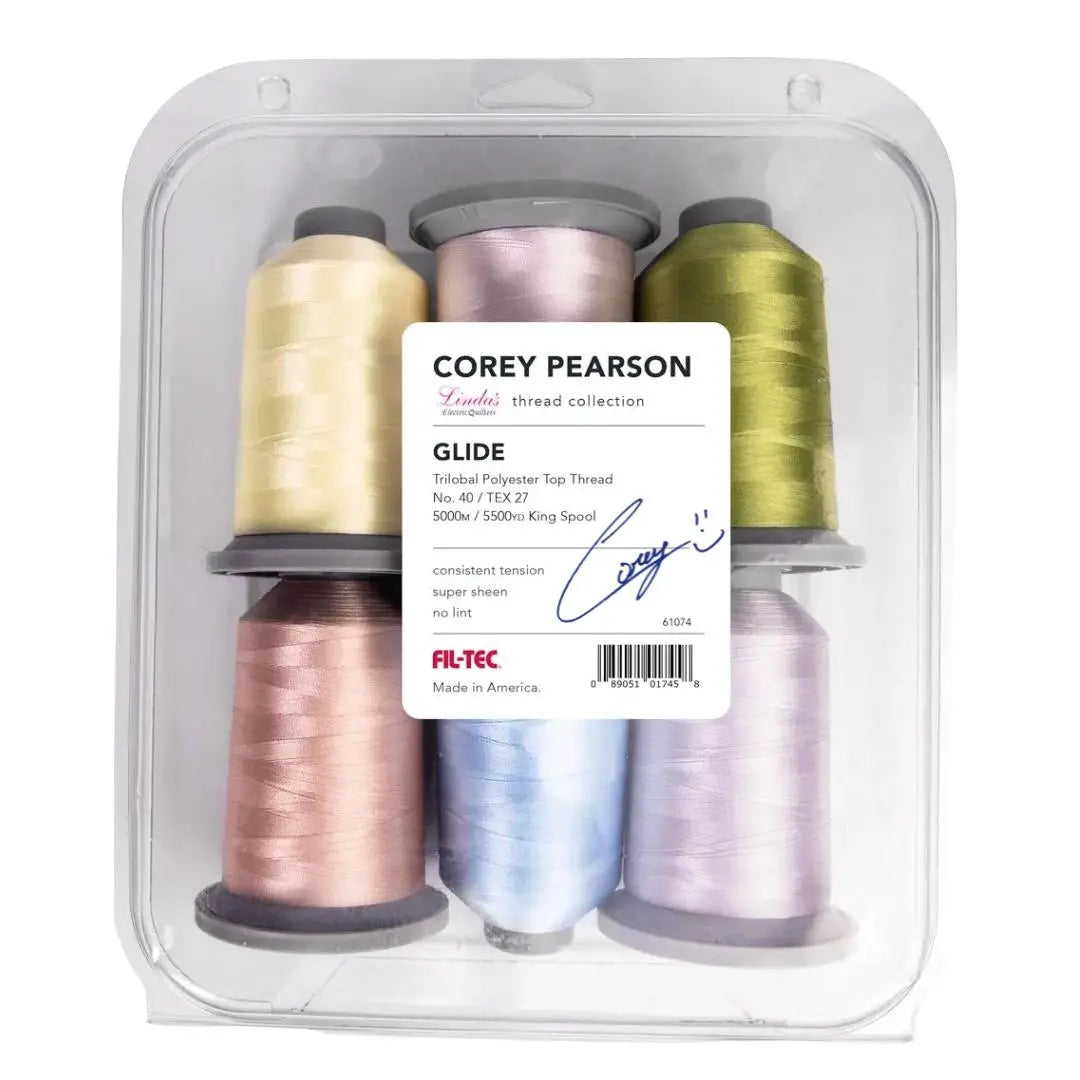
The preferred thread weight for quilting is 40 wt cotton, though weight alone doesn't determine performance, thread construction, ply count, and fiber blend matter significantly.
Technical Specification Comparison:
| Specification | 40 wt Cotton (Standard Piecing) | 30 wt Cotton (Decorative) | 12 wt Cotton (Hand Quilting) | 50 wt Polyester |
|---|---|---|---|---|
| Fiber Content | 100% cotton | 100% cotton | 100% cotton | 100% polyester |
| Typical Spool Yardage | 1,000-1,200 yards | 800-1,000 yards | 400-500 yards | 1,500-2,000 yards |
| Lint Production | Moderate to high | Moderate | Low | Very low |
| Stretch/Elasticity | Minimal | Minimal | Minimal | Moderate |
| Colorfastness (after 10 washes) | Good (most brands) | Good (most brands) | Good (most brands) | Excellent |
| Typical Price Per Spool | $3-6 | $4-8 | $5-10 | $4-7 |
| Best Machine Type | All modern machines | Computerized/embroidery | Hand quilting frames | Machines with tension issues |
Connecting Threads emphasizes their proprietary thread lines, including 12 wt cotton threads designed specifically for hand quilting and embroidery accents.
Machine Compatibility: The Hidden Variable
Thread performance varies dramatically between sewing machine models. A weight and fiber content that works in a Janome 6650 might cause tension problems in a Bernina 570 or vintage Pfaff, reflecting differences in machine engineering and tension systems.
Common Machine Compatibility Patterns:
- Computerized machines (Janome, Brother, Singer models from 2010+): Generally handle 40 wt cotton and 50 wt polyester without adjustment. Tension issues are rare unless the machine has not been serviced recently.
- Mechanical machines (older Singers, Pfaffs, Berninas pre-2000): Often perform better with traditional 50 wt cotton. Lighter threads (30 wt, 12 wt) may require tension adjustment or cause skipped stitches.
- Longarm quilting machines: Typically prefer 40 wt cotton or specialty longarm thread (often 28 wt). Polyester can cause tension drift on machines with older tension systems.
- Embroidery-specific machines: Require 40 wt or lighter for proper needle penetration and stitch formation.
Lint Accumulation and Maintenance Impact
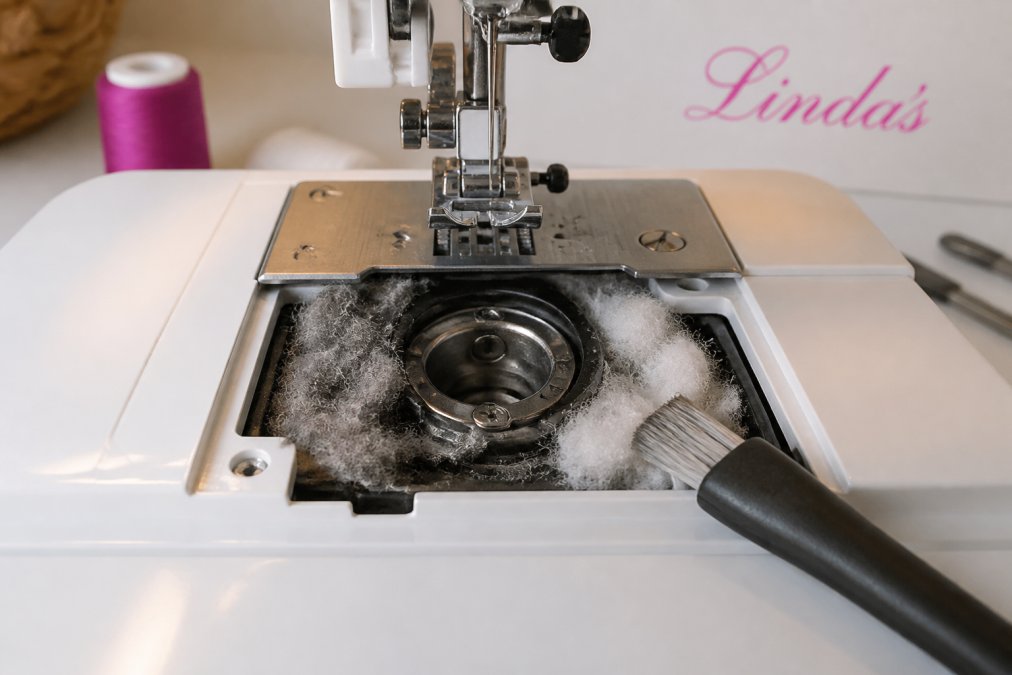
Lint accumulation with certain cotton threads requires more frequent bobbin cleaning and can affect stitch quality on long runs, especially on machines with older lint trap designs.
Colorfastness and Long-Term Durability
Both retailers' threads hold color well through normal washing, though performance varies with dye lot and fiber type.
Precuts, Yardage, and Fabric Availability
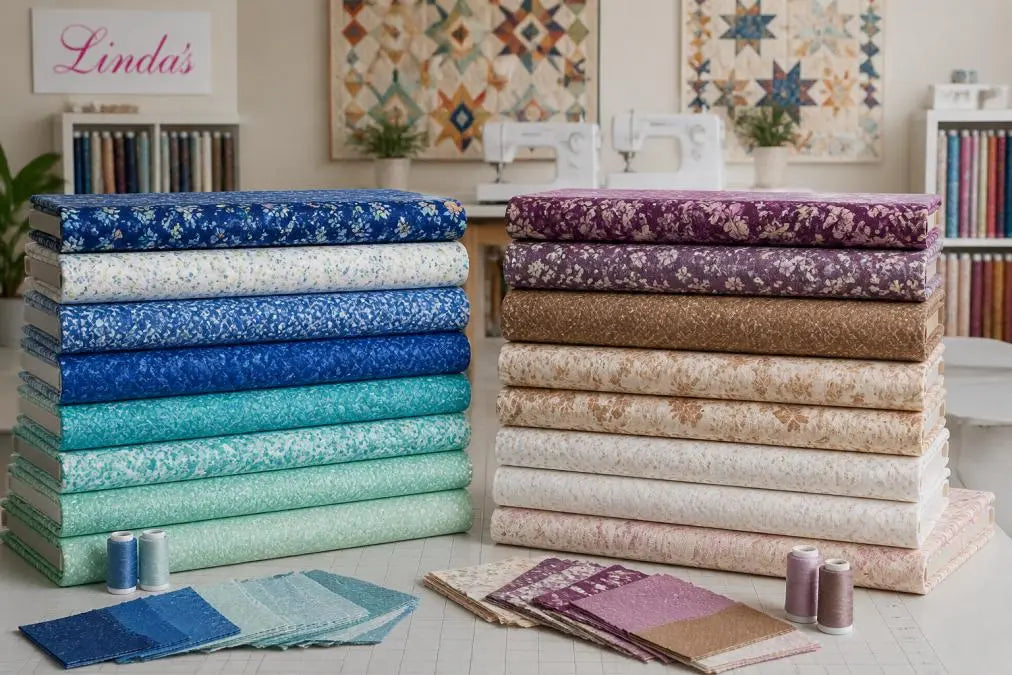
Precuts, jelly rolls, charm packs, layer cakes, fat quarters, and precut panels, represent a significant segment of modern quilting. Both retailers offer these formats, but their sourcing philosophies create meaningful differences in selection, pricing, and project compatibility.
Precut Formats and Their Uses
Jelly Rolls: 40 strips of 2.5" × 44" fabric from a single line. Ideal for strip-pieced quilts and beginner projects; most yield a 50" × 60" finished quilt top without additional yardage.
Missouri Quilt Co's Precut Strategy
Missouri Quilt Co emphasizes precuts from major manufacturers like Moda, Riley Blake, and Benartex, established brand-name collections with coordinated color palettes and proven pattern compatibility.
Connecting Threads' Precut Strategy
Connecting Threads develops proprietary fabric lines and precuts exclusively in their own designs, controlling pricing and ensuring availability.
Treasured Threadz® Quilt Block Panel →
Yardage Availability and Bulk Purchasing
Missouri Quilt Co stocks yardage from major manufacturers at $8-14 per yard, allowing custom color combinations and bulk purchases.
Choosing Between Precuts and Yardage: A Decision Framework
Choose precuts if: You're a beginner, want a finished quilt top quickly, prefer coordinated colors, lack cutting tools, or want to minimize waste.
For beginners, a hybrid approach works well: purchase one precut (jelly roll or charm pack) to learn basic piecing and quilting, then move to yardage once you understand your preferences and skill level. This costs $20-30 in fabric but provides invaluable learning without the frustration of cutting errors.
Fabric Selection Depth: Brand Variety vs. Curation
Missouri Quilt Co's $4.6 million monthly revenue (July 2026) reflects their success serving quilters seeking maximum brand choice, with precuts from 50+ manufacturers.
Essential Quilting Notions for Beginners
When comparing Missouri Quilt Co vs Connecting Threads, quilting notions, thread, batting, bobbins, needles, and specialty tools, separate competent quilts from frustrating projects. Missouri Quilt Co offers extensive variety; Connecting Threads offers curated selections for easier decision-making.
Pricing, Shipping, and Customer Service
Price comparison requires looking beyond headline numbers; both compete on value but emphasize different aspects.
Cost Comparison
Missouri Quilt Co's $4.6 million monthly revenue (July 2026) reflects broader market reach and typically enables competitive per-item pricing.
Shipping Policies and Fulfillment
Connecting Threads' verified 4 out of 5 TrustScore across 7,000 reviews suggests consistent positive customer service, important for handling returns and fabric compatibility questions.
Which Retailer Should You Choose?
Missouri Quilt Co wins for variety seekers valuing established brand names; choose it if you know exactly what you want. Connecting Threads wins for quilters prioritizing affordable pricing and curated designs; choose it if you prefer expert curation. Most quilters benefit from using both: Missouri Quilt Co for specific brand-name precuts and thread weights, Connecting Threads for affordable proprietary fabrics and free shipping on $75+ orders.
Conclusion
Missouri Quilt Co vs Connecting Threads comes down to whether you prioritize variety or curation. Missouri Quilt Co's $4.6 million monthly revenue reflects their success serving quilters who want major manufacturer precuts and extensive thread weight options. Connecting Threads' 4 out of 5 TrustScore demonstrates strong customer loyalty to their proprietary fabric approach and affordable pricing strategy.
Frequently Asked Questions
What are the main differences between Missouri Quilt Co and Connecting Threads?
Missouri Quilt Co focuses on a large selection of precuts from major manufacturers and maintains higher monthly revenue ($4.6 million as of July 2026), while Connecting Threads emphasizes proprietary fabric lines and achieved a 4 out of 5 TrustScore based on 7,000 customer reviews. Missouri Quilt Co offers broader brand variety; Connecting Threads provides more exclusive, curated options. Your choice depends on whether you prefer established brand names or unique proprietary designs.
How does quilting thread quality compare between these retailers?
Thread quality varies by specific product rather than retailer. Both offer cotton and polyester options. The preferred 40 weight thread works well for quilting across most machines, though performance depends on your specific sewing machine and tension settings. Some users report lint differences between cotton and polyester threads, with polyester generally producing less lint. Test a small project first to see how either retailer's threads perform on your machine.
What essential quilting notions for beginners should I buy first?
Start with quality thread (40 wt cotton or polyester), bobbin thread, a rotary cutter, cutting mat, and quilting ruler. Add fat quarters or precuts for your first project, both retailers stock these. Seam allowance guides and stitch length markers help beginners maintain consistency. Consider a pattern with clear instructions. Both retailers offer notions bundles and educational resources; Linda's Electric Quilters provides 700+ videos to guide you through your first projects.
Does Missouri Quilt Co offer free shipping?
Missouri Quilt Co does not advertise free shipping on all orders. Connecting Threads offers free shipping on orders of $75 or more. Check current policies before ordering, as shipping thresholds and fees change. Consider your order size and budget when comparing total costs between retailers.
Which retailer has better customer service?
Connecting Threads holds a 4 out of 5 TrustScore based on 7,000 reviews, indicating solid customer satisfaction. Missouri Quilt Co maintains strong engagement through video tutorials and community forums. Both offer responsive order fulfillment. For personalized support, contact customer service directly, quilting questions require knowledgeable staff who understand machine compatibility and thread performance.