Table of Contents
- How the Selection at Missouri Star Quilt Co Compares: An Overview
- Fabric Variety and Curated Quilting Fabric Collections
- Essential Quilting Notions and Supplies: Where the Depth Shows
- Daily Deals, Pricing, and Discount Structures
- Shipping Speed, Order Fulfillment, and Customer Service
- What Makes the Best Online Fabric Stores for Quilters Stand Out
- Conclusion
- Frequently Asked Questions
Last Updated: September 30, 2026
How the Selection at Missouri Star Quilt Co Compares: An Overview
The question of how the selection at Missouri Star Quilt Co compares to other major online quilting supply retailers comes up constantly in quilting forums, and the honest answer is that raw inventory counts tell you almost nothing. Missouri Star operates more than a dozen specialized shops in its home town and claims one of the largest collections of precut fabric in the world (Missouri Star Quilt Co. blog).
What This Comparison Covers
This comparison examines four things: fabric variety and curated collections, essential quilting notions and supplies, daily deals and discount structures, and shipping and customer service. Each matters differently depending on whether you are a beginner buying a first fat quarter bundle or a longarm quilter restocking batting by the roll.
Fabric Variety and Curated Quilting Fabric Collections
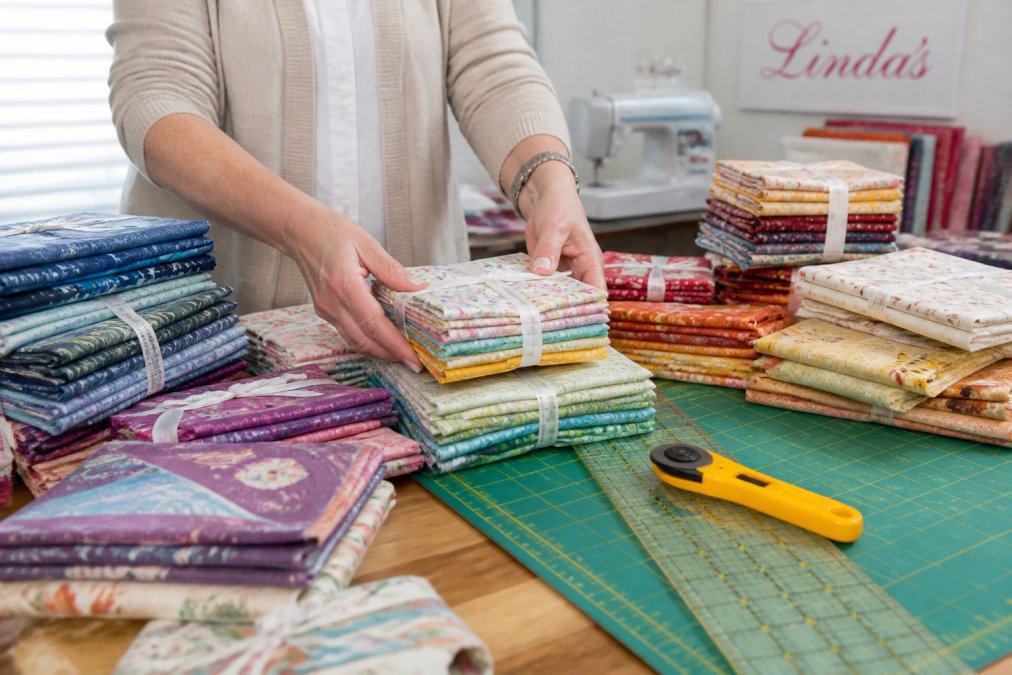
Missouri Star wins on sheer fabric variety and curated quilting fabric collections. The company's inventory spans modern and classic styles, and a 2026 review from My Sew Bliss notes its "very wide variety of fabrics." For quilters who want a recognizable house style and frequent new releases, that breadth is hard to match.
Precuts, Fat Quarter Bundles, and Fabric Yardage
Precuts and fat quarter bundles are the entry point for most new quilters, and nearly every major online quilt shop competes hard here. The difference shows up in fabric yardage and wideback options, the categories longarm quilters actually burn through.
Essential Quilting Notions and Supplies: Where the Depth Shows
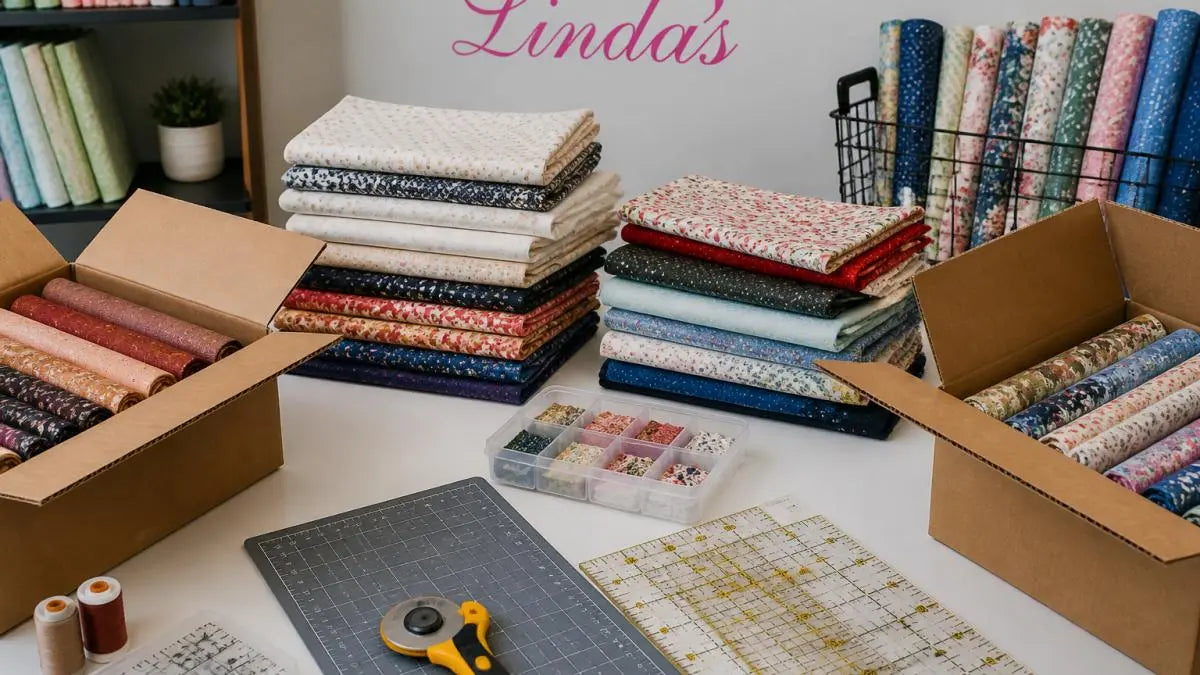
Depth in essential quilting notions and supplies is where the comparison stops being about fabric and starts being about whether you can finish a project without a second order. Specialty merchandise like longarm thread, bobbins, and batting rolls is narrow, and not every retailer stocks it in bulk.
| Category | What to Check | Why It Matters |
|---|---|---|
| Batting | Roll widths, fiber blends, yardage | Wide rolls cover king-size tops without piecing |
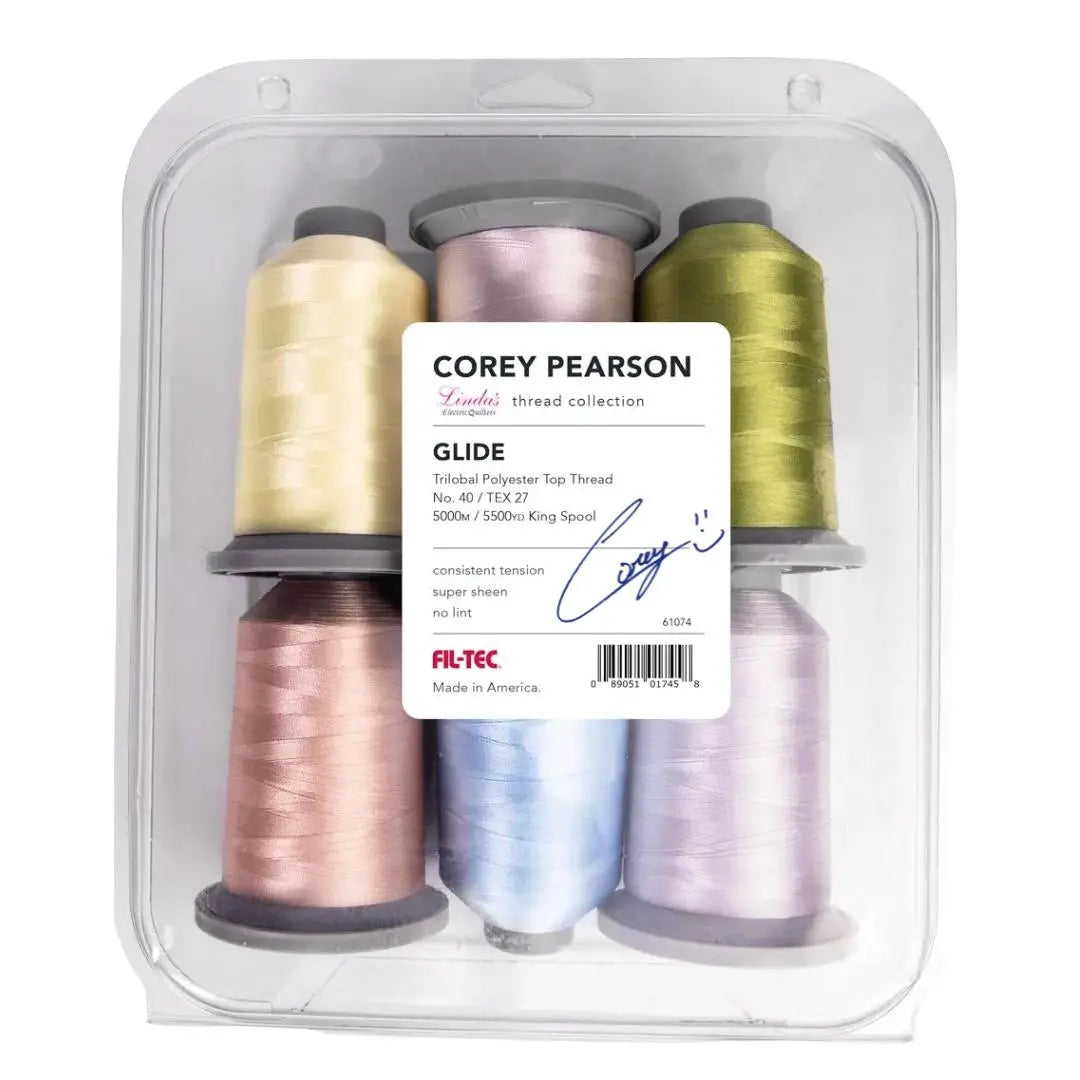
| Thread | Weight, spool size, machine compatibility | Lint-free thread prevents tension problems |
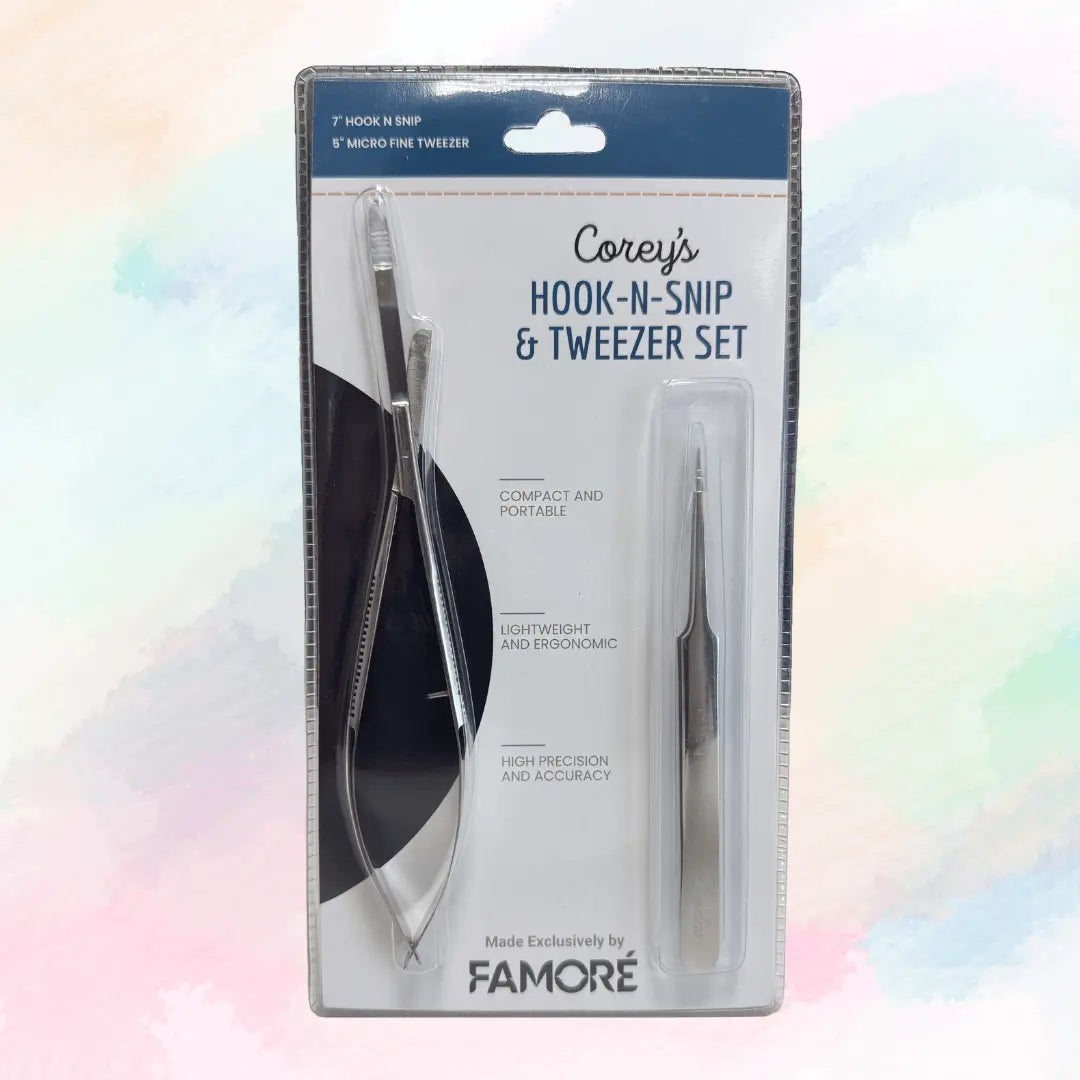
| Notions | Rulers, rotary blades, bobbins | Missing one item stalls a whole project |
| Precuts | Bundle variety, collection depth | Determines how fast you can start |
| Wideback fabric | Width and yardage availability | Prevents seams on large quilt backs |
Daily Deals, Pricing, and Discount Structures
Most comparison articles treat pricing as a single number: the sale price on a fabric bundle. That hides the real cost structure of buying quilting supplies online, because the categories you repurchase most often are not the ones that go on sale.
How the Common Discount Models Differ
Online quilting retailers generally use one of four pricing structures, and each rewards a different shopping habit:
- Flash and daily deals. A rotating discount on a small set of SKUs, refreshed on a fixed schedule. Rewards shoppers who check the site frequently and can wait for a specific item to cycle through.
- Bundle pricing. A discounted kit that groups related items, a pattern plus fabric, or a batting roll plus thread. Rewards buyers who were going to purchase the whole set anyway, and penalizes buyers who only needed one piece.
- Membership or loyalty tiers. A recurring program that gives members a standing discount, early access, or free shipping. Rewards high-frequency buyers and does nothing for someone placing one order a year.
- Everyday low pricing on consumables. A flat, non-promotional price on batting, thread, and notions. Rewards longarm quilters and anyone buying by the roll, because the price does not depend on catching a sale.
Why Cost Per Project Beats Cost Per Item
The useful comparison is cost per finished project, not cost per item on a product page. A bundle with a 30-yard batting roll and a 5,500-yard thread spool is often cheaper than buying the two separately, even when both are discounted, because the bundle removes shipping and handling on an oversized item.
A Practical Way to Compare Two Retailers
Build a sample project, say, a king-size quilt with a wideback backing and a roll of batting, and price the full list at both retailers, including shipping and any membership fee. Then price it again three months later. The retailer whose total moves least usually has the better consumables pricing, and that stability is worth more than a one-time fabric promotion.
Shipping Speed, Order Fulfillment, and Customer Service
Shipping is the most consistent complaint about large online quilt shops, and the complaints are usually anecdotal: one slow order, one crumpled batting roll, one missing notion. What comparison articles rarely do is separate the parts of fulfillment a retailer actually controls, because those parts behave very differently.
Longarm Quilting Starter Bundle – Hobbs →

The Four Stages of a Quilting Order
Every online quilting order moves through four stages, and each has its own failure mode:
- Processing time. The window between order placement and handoff to the carrier. This is entirely within the retailer's control, and it is the stage most affected by order volume, a flash sale can add days here.
- Transit time. The carrier's portion. This depends on distance and service level, not on the retailer, though the retailer chooses which service level to offer.
- Oversized handling. Batting rolls, wideback fabric, and longarm frames ship as large or dimensional-weight items. How a retailer packs and labels these determines whether the item arrives flat or creased.
- Post-delivery support. Returns, replacements, and order-accuracy fixes. This is where customer service responsiveness actually gets tested.
Why Oversized Items Are the Real Test
A 30-yard batting roll is a large-item shipment. Creases in batting can telegraph through a finished quilt, so how the roll is packed matters as much as how fast it arrives. Longarm supply specialists treat this as solved, roll cores, rigid outer packaging, carrier services built for dimensional weight, while general fabric retailers often ship batting in whatever box fits.
What to Check Before You Order
- Published processing window. Look for a stated number of business days, not a vague "ships fast."
- Oversized-item policy. Does the retailer call out how batting rolls and widebacks ship, and whether shipping is included?
- Return window and condition rules. Fabric is often non-returnable once cut, so the policy on precuts, notions, and damaged-in-transit items matters more than the general return page.
- Order-accuracy process. How does the retailer handle a missing notion or a wrong cut? A published process is a better signal than a phone number.
Customer Service as a Selection Criterion
Customer service responsiveness is hard to benchmark because response times are not published. A practical proxy is the depth of self-service material a retailer provides: product videos, technique guides, and a searchable help center. A retailer that publishes hundreds of educational videos answers questions before they become support tickets, which tends to correlate with faster responses on the tickets that remain.
What Makes the Best Online Fabric Stores for Quilters Stand Out
The best online fabric stores for quilters share three traits: deep specialty inventory, transparent logistics, and real customer support. Fabric variety gets you in the door. Batting depth, thread quality, and a return policy you can actually use keep you coming back.
Conclusion
The real challenge in comparing online quilt shops is that selection means different things to a beginner buying precuts and a professional restocking batting by the roll. Linda's Electric Quilters built its catalog around the second group: over 50,000 products, a specialized batting selection with rolls, packages, and by-the-yard options, and free shipping on all batting rolls. The Linda's Crafter Club rewards program and Corey's Daily Deal Drop keep repeat purchases affordable, and the 700+ educational videos mean you can learn the technique before you buy the supply.
Frequently Asked Questions
What should quilters look for in terms of fabric quality and curation when shopping online?
Check whether the retailer names the manufacturer and collection, since that confirms the fabric is first-quality quilt-shop cotton rather than a mill closeout. Look for clear photos of the actual bolt, stated widths, and whether precuts come from the same dye lot as the yardage. Curation matters too: a shop that groups fabrics into coordinated collections saves you the guesswork of matching prints. Linda's Electric Quilters stocks more than 50,000 items across fabrics, threads, and notions, so you can build a coordinated project from one order.
How does the variety of fabric collections at Missouri Star compare to boutique retailers?
Missouri Star Quilt Co. states it hosts one of the largest collections of precut fabric in the world, and a 2026 blog post from My Sew Bliss describes its fabric range as very wide, carrying both modern and classic styles. Boutique retailers typically carry fewer bolts but focus on a narrower aesthetic. The trade-off is breadth versus curation: large shops let you source an entire quilt in one place, while boutiques offer tighter editing. Linda's Electric Quilters sits between the two, combining a deep catalog with curated quilting fabric collections.
What are the primary differences in shipping and customer service between major quilting supply sites?
Shipping speed varies by retailer and by item type. Customer service responsiveness also differs. Customer service responsiveness also differs. Before ordering, check whether the shop publishes order tracking, a clear return policy, and a phone number staffed by people who quilt. Linda's Electric Quilters offers free shipping on all batting rolls and a physical store in McKinney, Texas.
How do online quilting retailers handle inventory for hard-to-find notions and threads?
Inventory depth separates the big retailers from the rest. Shops that stock thousands of SKUs can keep specialty notions, replacement parts, and longarm threads in stock year-round, while smaller shops may list items as pre-order. Quilters Dream Select Natural 70/30 batting rolls at Linda's Electric Quilters, for example, are currently available for pre-order with roughly an 8-week lead time, which is worth knowing before you plan a project deadline. Always confirm stock status and estimated ship dates before checkout.
Are there benefits to shopping at specialized retailers like Linda's Electric Quilters versus large-scale shops?
Specialized retailers tend to carry deeper inventory in specific categories. Linda's Electric Quilters stocks over 50,000 quilting, sewing, and embroidery products, including premium batting in rolls, packages, and by-the-yard options, plus more than 700 educational videos. The Longarm Quilting Starter Bundle pairs a Hobbs 80/20 96-inch batting roll with a 5,500-yard White Glide thread spool for $229.99, a combination longarm quilters buy together often. Large-scale shops offer broad appeal; specialists offer depth and project-specific guidance.
If your next project is bigger than a throw, the retailer that stocks your batting and thread in one order is the one that saves you time and money. Get started with Linda's Electric Quilters and stock the supplies that actually finish quilts.