The Bobbin Behind Every Stitch
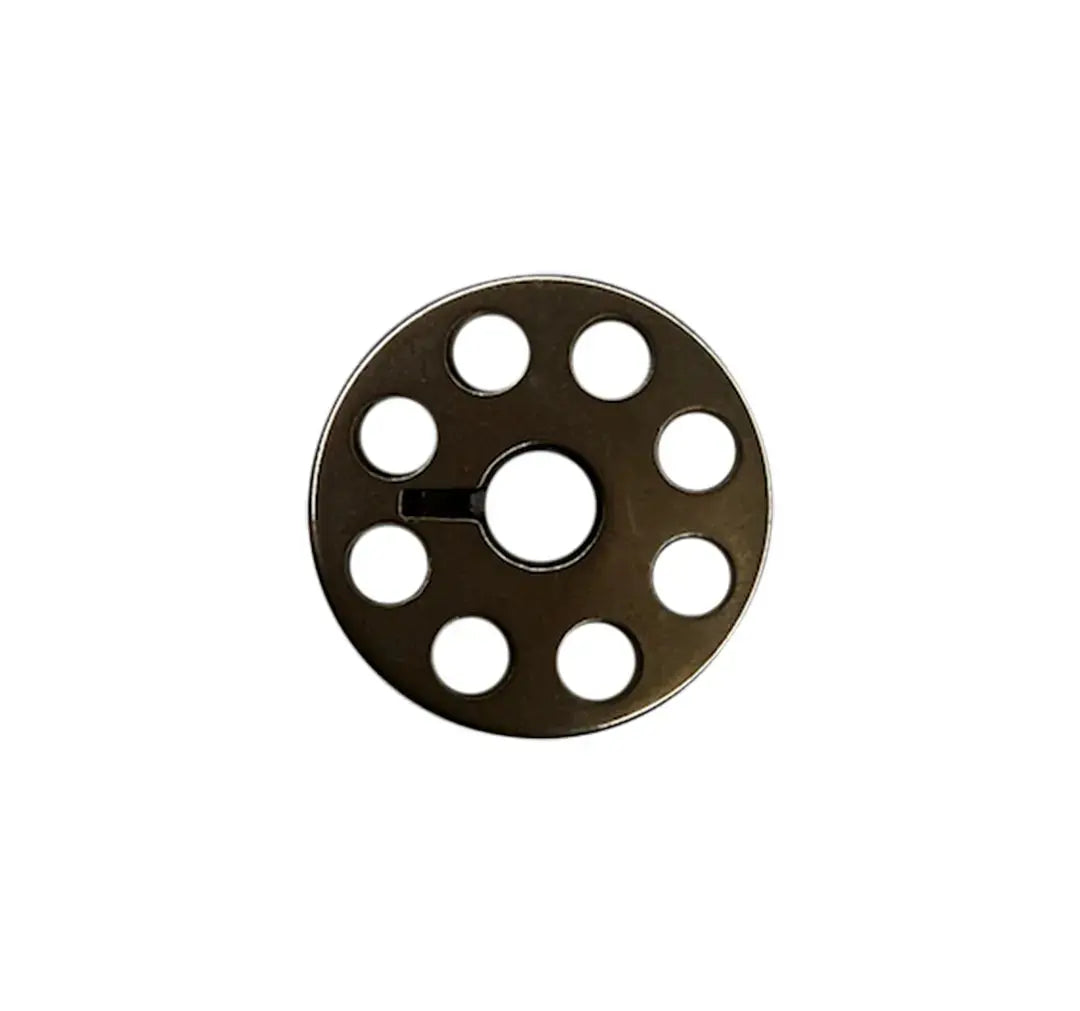
Every stitch in a longarm quilt is made by the interlocking of top thread and bobbin thread. The bobbin is the most frequently changed consumable in the entire machine -- a production studio might go through dozens per day. The M Size Metal Bobbin for Gammill machines is the standard consumable that keeps your machine running stitch after stitch, quilt after quilt. Understanding what makes a quality bobbin and how to maintain your bobbin supply is basic longarm machine management. It works hand-in-hand with the Towa M-size bobbin case, and studios that prefer factory-wound consistency should see the Fil-Tec Magna-Glide Delights guide. For the machines these serve, start with the Gammill Statler 30-12 guide.
What Is the M-Size Bobbin?
M-size (also called Class M or Large Bobbin) is the bobbin class used by Gammill machines and several other longarm brands. The M-size bobbin holds significantly more thread than the smaller L-class bobbins used in domestic sewing machines, which reduces the frequency of bobbin changes during longarm quilting -- an important practical advantage for production work. The metal construction provides consistent dimensional stability that plastic bobbins cannot match: metal bobbins do not warp, expand, or contract with temperature and humidity changes, ensuring consistent tension run after run.
Why Metal Over Plastic
Plastic bobbins are less expensive but carry real performance risks in longarm applications. A plastic bobbin that has warped slightly from heat or dropped once too often will not tension consistently in the bobbin case. The tension inconsistency shows up as irregular stitch quality that can be difficult to diagnose. Metal bobbins maintain their dimensions reliably, hold tension more consistently, and last significantly longer under production use. For any serious longarm studio, metal bobbins are the standard.
Top 10 Uses and Benefits of the M Size Metal Bobbin
- Gammill Machine Daily Production -- The fundamental consumable for every Gammill quilting session.
- Any Longarm Using M-Class Bobbins -- Compatible with all longarm machines that accept the M-size class.
- Bulk Stocking for Studio Efficiency -- Keeping 20 to 50 pre-wound bobbins on hand eliminates workflow interruptions during production quilting sessions.
- Multiple Thread Colors Ready -- Wind and label a batch of bobbins in different colors and switch instantly without stopping to wind during a session.
- Consistent Tension Across a Project -- Metal dimensional stability means each wound bobbin tensions identically in the case.
- Production Running Without Downtime -- A full tray of pre-wound bobbins lets a studio run through a full day's work without stops for bobbin winding.
- Teaching and Student Use -- Having a supply of pre-wound student bobbins ready for class settings.
- Backup Supply for Retreats and Travel -- Pack a set of pre-wound bobbins for longarm retreats where winding time is limited.
- Different Bobbins for Different Projects -- Keeping separate pre-wound sets for different project types or thread colors in organized storage.
- Long-Term Durability Investment -- A quality metal bobbin used carefully can last for years, making the per-use cost minimal over the life of the bobbin.
How to Wind Bobbins Correctly
Consistent, correctly wound bobbins are essential for consistent tension. Wind at moderate speed for even tension across the entire bobbin. Do not overfill -- stop winding when the thread reaches approximately 1/8 inch below the bobbin flange. Overfilled bobbins drag in the case and produce irregular tension. Wind with consistent thread tension from start to finish. Label wound bobbins by thread type and color for easy identification during production sessions.
Pre-Wound vs. Hand-Wound Bobbins
Pre-wound bobbins (Superior Threads Prewound, Fil-Tec Magna Glide) are wound at the factory under tension control that is difficult to replicate by hand, producing extremely consistent bobbin tension. Many production studios use pre-wound bobbins exclusively for this reason. Hand-wound bobbins with metal M-size bobbins are the more economical choice for studios with high thread variety requirements where factory pre-wound options in every color are not available.
Frequently Asked Questions
How many bobbins should I keep on hand?
For a production studio doing multiple quilts per day, 30 to 50 pre-wound bobbins provides a comfortable working supply. For home use, 10 to 20 wound bobbins in your primary thread colors is a practical supply level.
How long does a wound M-size bobbin last?
At typical longarm quilting thread consumption (approximately 1,000 to 1,500 yards per quilt depending on quilting density), a fully wound M-size bobbin (approximately 150 to 200 yards depending on thread weight) requires 5 to 8 bobbin changes per queen quilt. This varies significantly with quilting density and thread weight.
Are all M-size metal bobbins interchangeable across brands?
M-size bobbins are a standard class, but minor dimensional differences exist between manufacturers. For Gammill machines, use Gammill-compatible M-size bobbins to ensure proper fit in the bobbin case. Our M-size bronze bobbins are specifically sized for Gammill compatibility.
How do I clean metal bobbins?
Wipe metal bobbins clean with a soft, dry cloth. Remove any thread remnants completely before rewinding. Do not use solvents or liquids on metal bobbins that may contact the bobbin case.
Shop M Size Metal Bobbin
The consumable that keeps your Gammill running. Stock up and quilt uninterrupted.