The Most Critical Consumable in Your Longarm Machine
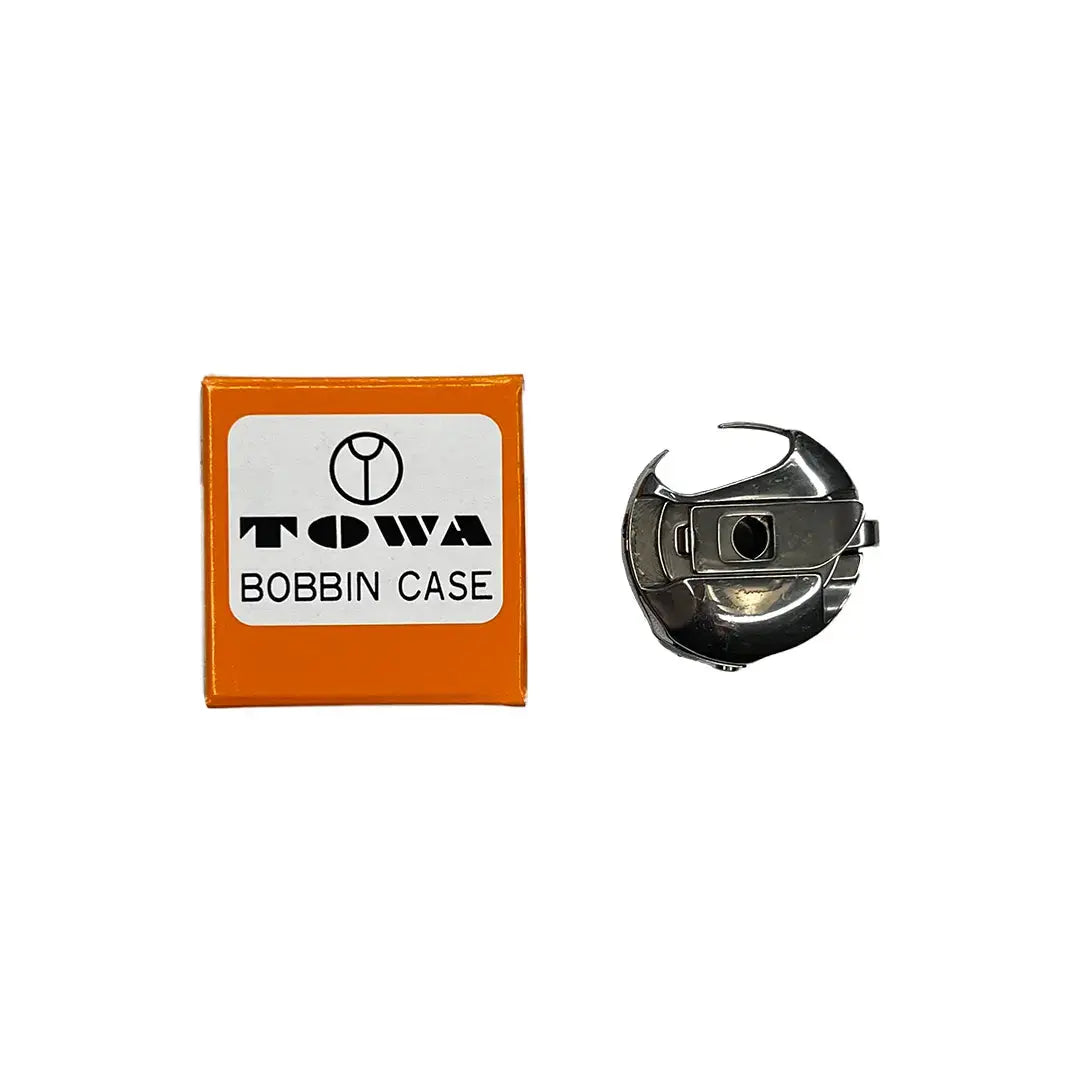
The bobbin case is the component of your longarm machine that has the most direct daily impact on stitch quality, and it is also one of the most overlooked maintenance items in the machine. A worn, out-of-adjustment, or damaged bobbin case produces stitch quality problems that no amount of top thread tension adjustment will fix. The Towa Bobbin Case Size M is the replacement and backup standard for Gammill machines, and understanding why this specific case matters -- and how to maintain it -- is fundamental to consistent longarm quilting results. It pairs naturally with the pre-wound bobbins covered in the Magna-Glide Delights bobbin guide, the machines in the Gammill Statler 30-12 guide, and the wider toolkit in the longarm notions and accessories hub.
What Is a Towa Bobbin Case?
Towa is a Japanese precision manufacturer that produces sewing machine components to exceptional tolerance standards. Their bobbin cases are manufactured with tighter dimensional consistency than most OEM alternatives, which translates directly into more predictable, stable bobbin tension. The size M designation refers to the bobbin size class used by Gammill machines and other longarms that accept M-size bobbins. The Towa case fits Gammill models including Statler configurations and any other longarm requiring M-class bobbin cases.
Why Keep Spare Bobbin Cases
Every serious longarm quilter should have at least two bobbin cases: one in active use and one freshly tensioned and ready. Bobbin cases wear gradually with use -- the tension spring loses calibration, the case develops microscopic scratches in the bobbin race, and the latch mechanism can wear loose. These changes happen slowly and are easy to miss when you work with the same case every day. Having a fresh, properly tensioned backup case lets you swap immediately when tension problems appear mid-quilt rather than troubleshooting while a client's quilt is loaded on the frame.
How to Test and Set Bobbin Tension
Proper bobbin tension is tested with the drop test: hold the bobbin case by the thread with the bobbin loaded, and let it hang freely. With correct tension, the case should hold in place when hanging still, drop slowly when you jerk the thread, and drop freely when you shake it vigorously. If the case drops freely with no resistance, the tension is too loose. If it does not drop at all when jerked, the tension is too tight. Adjust the small tension screw on the case in very small increments -- a quarter turn makes a significant difference.
A Towa gauge (a digital tension meter designed specifically for bobbin case testing) removes the subjectivity from this process and is a worthwhile investment for any studio doing significant volume. It gives you a specific number rather than a feel-based judgment, making it possible to set multiple cases to identical tension settings.
Top 10 Reasons to Have Multiple Towa Bobbin Cases
- Instant Backup When Tension Drifts -- Swap to a fresh case mid-job without interrupting the quilting workflow.
- Different Tension Settings for Different Threads -- Some quilters keep separate cases calibrated for different thread weights, eliminating tension adjustment between thread changes.
- Separate Case for Metallic Thread -- Metallic threads require adjusted tension; a dedicated metallic-thread case prevents constant recalibration.
- Backup for Travel and Retreats -- Pack a spare case when traveling to longarm retreats where replacement parts may not be available.
- Teaching and Student Use -- Studios with multiple operators benefit from having several properly tensioned cases available.
- Protection Against Wear -- Rotating between two or three cases extends the life of each individual case.
- Reduce Machine Downtime -- A tensioned spare eliminates waiting for shipping when a case needs replacement.
- Different Cases for Different Bobbin Types -- Pre-wound bobbins and hand-wound bobbins may benefit from slightly different tension settings.
- Clean Case for Fine Thread Work -- Lint buildup in a bobbin case affects tension; having a clean spare ready is a simple quality control practice.
- Production Studio Reliability -- Studios operating multiple machines benefit from standardized Towa cases across all machines for consistent results.
Maintenance: Keeping Your Towa Case in Top Condition
Clean the bobbin case and bobbin race at every bobbin change using a soft brush or compressed air. Never use liquids or solvents in the bobbin area. Oil the race sparingly per Gammill's maintenance schedule -- over-oiling causes thread contamination and stitch quality problems. Inspect the tension spring and latch mechanism during cleaning; replace the case if you notice deformation, cracks, or unusual wear.
Frequently Asked Questions
Does the Towa case work on non-Gammill longarms?
The M-size Towa case fits any longarm that uses M-class bobbins, including many APQS, HandiQuilter, and other brands. Verify your machine's bobbin class before purchasing.
How often should I replace my bobbin case?
With proper maintenance, a quality bobbin case can last a year or more of regular studio use. Replace when the tension spring no longer holds adjustment reliably, when the case develops audible or tactile roughness in the race, or when stitch quality problems persist despite correct tension settings.
What is the difference between a Towa case and the standard OEM case?
Towa cases are manufactured to tighter dimensional tolerances than most OEM alternatives, resulting in more consistent, predictable tension. Many longarm quilters find they can achieve and hold better tension consistency with Towa cases than with standard replacements.
Can I use the same bobbin case for all thread types?
You can, but many experienced longarm quilters prefer separate cases for different thread types -- one for standard poly and cotton, one for metallic, one for heavy decorative threads. This eliminates constant tension adjustment between project types.
Shop Towa Bobbin Case Size M
The professional standard for Gammill bobbin tension. Keep a fresh one on the shelf -- your stitch quality depends on it.