If you could only have one type of thread in your sewing kit, polyester would be the one to pick. It's a synthetic, all-purpose powerhouse known for its serious strength, a little bit of stretch, and incredible resilience. That's what makes it a go-to for everyone, from absolute beginners working on their first project to seasoned pros crafting complex garments.
What Makes Polyester Sewing Thread a Top Choice for Your Projects

Think of polyester thread like the 'performance fabric' of the sewing world. Just as your favorite athletic wear is designed to handle a tough workout, this thread is engineered to perform under stress. It shrugs off moisture, holds its own against UV rays, and can handle the high tension of a sewing machine without snapping, ensuring your project comes together smoothly.
This built-in toughness makes it a super reliable choice for a massive range of projects. Whether you're stitching a delicate dress, putting together a heavy-duty backpack, or creating activewear that needs to move with the body, polyester gives you a strong, flexible seam that's built to last.
The Foundation of Modern Sewing
Unlike natural fibers like cotton, polyester is a synthetic polymer. Being man-made gives it a few key advantages that are tough to find in nature. The manufacturing process creates a thread with amazing consistency and strength, so it performs predictably every single time you use it in a project.
These qualities are exactly why polyester has become such a dominant force in the craft world. The global sewing thread market, which polyester is a huge part of, was valued at USD 3.66 billion and is still growing. That’s because durable textiles are in high demand for everything from apparel to cars and even medical supplies. You can dig into these market trends over at Grand View Research.
The secret to its versatility lies in its balance. Polyester thread is strong enough to secure seams on heavy fabrics for a durable tote bag project, yet it's fine enough for lightweight materials, preventing puckering while ensuring your stitches stay put on a delicate blouse.
Why It Belongs in Your Project Kit
For any sewer or quilter, having a dependable all-purpose thread is a must for finishing projects successfully. The unique properties of polyester mean you can tackle more projects with just one type of thread. Here’s a quick rundown of why it’s so trustworthy:
- Strength and Durability: It has a high tensile strength, which is just a fancy way of saying it won't break easily under tension, even during high-speed machine sewing on your most ambitious projects.
- Elasticity and Recovery: It has a slight stretch to it. This is perfect for knit fabrics and any seam that needs a bit of give, helping you avoid those dreaded popped stitches on garments like leggings or t-shirts.
- Environmental Resistance: It stands up to mildew, rot, and sunlight, making it the ideal choice for outdoor gear projects or anything that will see a lot of washing.
Ready to see how this workhorse thread can elevate your next project? Here at Linda's, we carry an amazing selection of premium polyester threads from top brands like Gutermann and Mettler, perfect for putting the professional finishing touch on any creation.
Key Benefits for Your Sewing Projects
Standing in the craft aisle, faced with a wall of thread, it’s easy to feel overwhelmed. So why reach for polyester? The answer is simple: it’s a powerhouse of strength, resilience, and flexibility that makes your projects better and longer-lasting. Think of it as the trusty workhorse in your sewing room, ready for any challenge.
One of its best-known qualities is its incredible strength. We've all been there—the frustrating snap of a thread mid-seam that brings a project to a grinding halt. Polyester’s high tensile strength stands up to the speed and tension of modern machines, letting you sew without those annoying interruptions.
This toughness is a huge deal for any project that gets a lot of wear and tear. Kids' clothes, tote bags that get stuffed to the brim, or even a collar for the family dog—all of these need seams that won't quit, no matter how much they're pulled, stretched, or washed.
Built for Real-World Projects
Beyond just being strong, polyester thread is made to handle the elements. It naturally resists mildew, rot, and damage from UV rays, making it the undisputed champion for any project you plan to use outdoors.
Picture those beautiful cushions you sewed for your patio furniture. With polyester thread, the seams won’t weaken or fall apart after a few seasons of sun and damp mornings. The same goes for boat covers, outdoor banners, or tough camping gear projects.
A key advantage is polyester’s slight elasticity. This "give" is a game-changer for sewing with knit fabrics, like those used in activewear or comfortable t-shirts. The thread flexes with the fabric, preventing popped stitches when the garment is stretched.
This built-in flexibility helps seams lie flat and stay secure, moving with your body instead of fighting against it. Your handmade leggings and cozy sweatshirts will keep their shape and comfort through countless wears. This amazing balance of strength and stretch makes it a go-to choice, even for intricate work like quilts. As you grow your skills, understanding your materials is just as important as the patterns you use, which you can dive into with our guide on essential quilt projects for every skill level.
To get the most out of this versatile thread on all your creative projects, checking out comprehensive sewing collections can arm you with the tools you need. When you’re ready to put these benefits to work on your next masterpiece, explore the premium selection of Gutermann and Mettler polyester threads here at Lindas to find the perfect match for your fabric.
Polyester Compared to Cotton and Silk Threads for Your Project
Choosing the right thread is a lot like picking the right tool for a job. You wouldn't use a tiny screwdriver to assemble a heavy-duty bookshelf, right? It just won't give you the best results. For your sewing projects, each thread type has its own personality, its own strengths, and its own purpose.
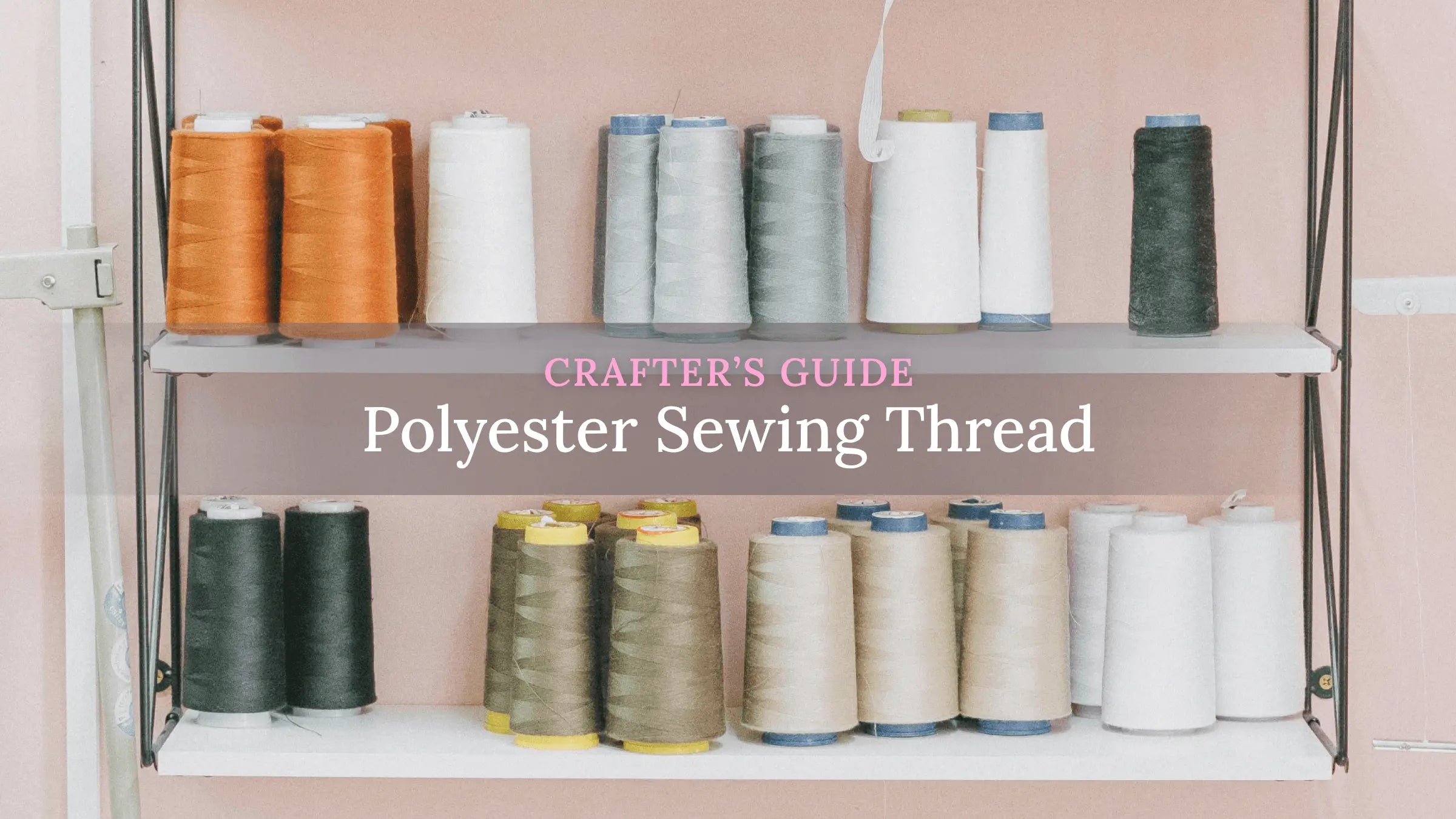
This quick visual guide can help you spot the difference between spools at a glance.

While the spools might look similar, their performance is anything but. Making the right choice is absolutely critical for the success and longevity of your project. Let's break down how our all-weather champion, polyester, stacks up against the natural classics, cotton and silk.
The All-Purpose Champion: Polyester
Polyester sewing thread is the undisputed workhorse of the sewing world. Think of it as the ultimate all-terrain vehicle—it’s durable, versatile, and ready for almost any project you throw at it.
Being synthetic gives it incredible strength and just the right amount of stretch. This is a game-changer for seams on knit fabrics or any garment that needs to move with you, from activewear to a simple t-shirt. This resilience also means it shrugs off moisture, mildew, and UV rays. If you're sewing anything for the outdoors, like patio cushions or a sturdy tote bag project, polyester is your best friend.
Its strength also saves you from the frustration of thread breaks during high-speed machine sewing, and its smooth finish glides through fabric to create clean, professional seams every time.
The Traditionalist: Cotton
Cotton thread is the comfortable, breathable traditionalist in the thread family. Picture it as your favorite pair of well-worn denim jeans—soft, reliable, and a perfect classic for specific projects.
It's strong but has virtually no stretch, which is exactly why it's the gold standard for quilting. Since cotton fabric and cotton thread wear at the same rate and react the same way to a hot iron, they're a match made in heaven for piecing and quilting projects.
However, that lack of stretch is also its biggest weakness. Use cotton thread on a stretchy swimsuit project, and you'll hear those seams pop the first time it's worn. It's also more absorbent than polyester, making it a poor choice for anything that will see damp conditions. For all you quilters out there, pairing the right cotton thread with the right filling is everything; you can learn more in our guide to batting choices for the passionate quilter.
The Luxury Specialist: Silk
Silk thread is the luxurious, fine-tipped artist’s brush in your sewing kit. It's incredibly strong for its fine diameter and has a wonderful elasticity, making it the perfect partner for delicate fabric projects like silk blouses and wool trousers.
The beautiful, natural sheen of silk allows it to melt into the fabric, creating stitches that are nearly invisible. It’s the top choice for hand-basting, high-end tailoring, and sewing delicate lingerie. While it’s definitely a premium option, its specialized nature makes it less of an all-purpose thread for everyday projects than our reliable polyester.
Thread Type Comparison Guide
Sometimes, you just need a quick cheat sheet for your next project. Here's how our three contenders stack up against each other.
| Feature | Polyester Thread | Cotton Thread | Silk Thread |
|---|---|---|---|
| Strength | Very High | High | High (for its fineness) |
| Stretch | Slight Stretch | No Stretch | Moderate Stretch |
| Heat Tolerance | Medium | High | Medium |
| Best For | All-purpose sewing, knits, outdoor gear, heavy-duty fabrics | Quilting, piecing, sewing with woven cotton fabrics | Fine fabrics like silk & wool, tailoring, embroidery |
When it comes down to it, having a great selection of high-quality threads on hand is the key to finishing any project perfectly. At Linda's, we offer a fantastic range of Gutermann and Mettler threads to help you bring any masterpiece you can dream up to life.
How to Choose the Perfect Polyester Thread for Your Project
So, you're sold on the benefits of polyester thread. Awesome! Now for the fun part: picking the right spool for your masterpiece. Walking into a store and seeing a wall of thread can be overwhelming, but it doesn't have to be. With a little education, you can confidently select the perfect thread for any project.
We're going to break it down. When you look at any spool of thread, there are really only two things you need to pay close attention to: its weight and its construction. Nail these two, and you'll be choosing thread like a pro every single time.
Decoding Thread Weight
This is where things can feel a bit backward at first. With thread, a lower weight number actually means a thicker, heavier thread. A higher number? That's a finer, thinner thread. For example, a 40wt (weight) thread is beefier and stronger than a 50wt thread.
Getting the weight right is crucial for your project's success. If you use a thread that's too thick for your delicate fabric, you'll get ugly puckering and bulky seams. Use a thread that's too fine on denim, and your seams might just pop under pressure. It's all about finding that perfect balance.
- 50wt Thread: This is your go-to, all-purpose workhorse. It’s perfect for piecing quilts, general garment sewing projects, and most machine quilting. It has great strength but is fine enough that it won’t add bulk to your seams.
- 40wt Thread: When your project needs a little more oomph or you want your stitches to stand out, grab a 40wt. It’s a fantastic choice for topstitching on jeans, machine embroidery, or anytime you're working with slightly heavier fabrics like canvas.
- 60wt or 80wt Thread: These are the specialists for delicate tasks. Think appliqué, heirloom sewing projects, or any time you want your stitches to practically vanish into the fabric.
Understanding Thread Construction
Okay, beyond weight, the way a thread is physically made—its construction—plays a huge role in how it performs in your machine. The two big players you'll see are spun and core spun polyester.
Core spun polyester thread is what many seasoned sewists consider the best of both worlds. It starts with a super strong, continuous filament of polyester in the center. Then, staple (short) polyester fibers are wrapped around that core. This gives you the incredible strength of the core filament but with the classic, low-sheen look and feel of a spun thread. The result? A buttery-smooth thread that's incredibly strong and produces almost no lint, making it perfect for complex projects.
Of course, the best thread in the world won't do you much good without a reliable machine to sew with! If you're in the market, take a look at our educational guide with some top-notch recommendations for deciding on a sewing machine.
Whether your next project is heavy-duty upholstery that needs a tough 40wt or a flowy dress that calls for a 50wt, we've got you covered. Explore our amazing selection of high-quality Gutermann and Mettler threads at Linda's to find that perfect spool and finish your project with total confidence.
Mastering Techniques for Sewing with Polyester
Having the perfect polyester thread is a fantastic start, but the real magic happens when you know how to use it correctly in your projects. Polyester is strong, smooth, and resilient, and it’s an absolute joy to sew with once you get a few key machine settings dialed in. Getting these details right is the secret to flawless seams on every project.
Your sewing machine needle is the first point of contact, and it's a critical choice. Think of it like putting the right tires on a car—the wrong match will give you a bumpy ride and poor results.
- For projects with woven fabrics like poplin or denim, a sharp universal needle is the perfect partner for your polyester thread.
- But if you're working with stretchy knits for a sportswear project, a stretch or ballpoint needle is non-negotiable. Its rounded tip gently slides between the fabric fibers instead of piercing them, which prevents those dreaded snags and runs.
Dialing in Your Machine Settings for a Perfect Project
Once your needle is set, it's time to look at your machine's tension. Polyester thread is incredibly strong, but that strength can sometimes cause puckering or looping if the tension isn't perfectly balanced. The goal is a beautifully locked stitch where the top and bobbin threads meet neatly right in the middle of your fabric layers.
Always start by testing your stitches on a scrap piece of your project fabric. See tiny loops on the bottom? Your top tension is probably too loose. If the loops are showing up on top, it’s too tight. Small, gradual adjustments are all it takes to find that sweet spot for beautiful, flat seams. Our educational guide on using a Stitcher's Friend can also help you perfect your setup for any project you tackle.
Stitch length also plays a huge role. A standard length of 2.5 mm works beautifully for most medium-weight fabric projects. For finer materials like chiffon, shortening the stitch to 2.0 mm will give you a more secure seam. On the other hand, for bulky projects with canvas or upholstery fabric, lengthening the stitch to 3.0 mm or 3.5 mm helps the machine feed those thick layers smoothly and keeps the stitches from bunching up.
The demand for durable, reliable textiles has fueled some incredible advancements in thread technology. In fact, the high-strength polyester thread market is projected to rocket from USD 15.4 billion to USD 27.1 billion by 2035—a huge testament to its reliability. This trend really shows why mastering the techniques for this thread is such a valuable skill for any sewer. You can discover more insights about these market trends here.
By mastering these simple techniques—choosing the right needle, balancing your tension, and selecting the proper stitch length—you’ll be sewing with polyester thread like a seasoned pro. For your next creation, be sure to explore the premium Gutermann and Mettler threads available at Lindas; they're the perfect choice to pair with your newfound skills and finish your project beautifully.
Caring for Your Handmade Garments & Projects
You’ve poured your heart and soul into creating something beautiful, and you want it to last. Good news! The incredible durability of polyester sewing thread makes caring for your handmade items a breeze.
With just a few simple washing, drying, and ironing tricks, you can keep your seams strong and your projects looking fabulous for years to come.

For most projects sewn with polyester thread, a machine wash in cool or warm water is perfectly fine. You can also tumble dry on a low to medium heat setting without worrying about shrinkage—that built-in resilience is exactly why it’s a favorite across the entire textile world for projects that need to be washed often.
Ironing with Care
When it comes to synthetics, ironing is the one step where you need to pay a little extra attention to protect your project. Polyester is a type of plastic, which means it has a lower melting point than natural fibers like cotton.
To keep those lovely stitches from getting damaged, always use a low-to-medium heat setting on your iron. Look for the "Synthetic" setting or the icon with a single dot.
Here's a pro tip: for extra protection, especially on delicate fabrics or dark colors, grab a pressing cloth. This simple piece of fabric acts as a buffer between the iron and your project, spreading the heat evenly and preventing any direct contact that could melt or shine your stitches.
This little precaution makes all the difference in keeping your seams looking as perfect as the day you stitched them. Keeping larger projects pristine, like a quilt, often requires that same attention to detail. If you ever run into trouble with a big piece, check out our educational guide on what to do if your quilt top is not square.
The worldwide love for polyester thread isn't slowing down. In fact, the market is expected to hit USD 6.7 billion by 2033, which just goes to show how reliable it is for everything from everyday clothes to home décor projects. You can dive deeper into this trend by checking out this market analysis.
By following these simple care tips, you're making sure your handmade creations will be cherished for a long, long time. Ready to start your next long-lasting project? Come explore the amazing selection of Gutermann and Mettler threads right here at Linda's to get everything you need.
Common Questions About Polyester Thread
Even after covering all this educational information, you might still have a few questions buzzing around. When you're mid-project, you just need straight answers. We've pulled together the most common questions we hear about polyester thread to help you get back to sewing with total confidence.
Polyester Thread in Quilting Projects
Can I use polyester thread for quilting projects?
You sure can! It's actually a fantastic choice for machine quilting, where that incredible strength really shines. Polyester holds up beautifully to high-speed stitching and creates seams that can take a beating and come out of the wash looking great, making your quilt project durable for years of use.
Now, some traditional quilters prefer cotton because it "ages" at the same rate as cotton fabric, which is a lovely thought for heirloom pieces. But for a quilt that’s going to be loved, dragged around, and washed a ton, polyester is a workhorse that will keep your project held together beautifully.
Does polyester thread melt when ironed?
This is a great question, and the answer is yes, it can melt if your iron is cranked up too high. To keep your stitches safe and your project pristine, stick to a medium or synthetic heat setting on your iron.
A pro tip is to always press from the wrong side of the fabric. Or, even better, use a press cloth as a buffer between your hot iron and those perfect stitches. It's a simple habit that can save a project from damage!
Hand Sewing and Thread Types
Is polyester thread good for hand sewing projects?
Absolutely! That strength and smooth finish we keep talking about makes it a dream for hand sewing. It's way less likely to get into a tangled mess or snap mid-stitch compared to other threads, saving you frustration on your project.
A quality all-purpose polyester, like the ones from Gutermann or Mettler, is perfect for everything from mending a seam to sewing on a button.
What is the difference between spun and core spun polyester?
This one sounds technical, but it's pretty simple and good to know for choosing project materials. Spun polyester is made by twisting short fibers together, which gives it a slightly fuzzy look, almost like cotton.
Core spun polyester is a bit of a hybrid. It starts with a super-strong, continuous polyester filament at its core, and then that core is wrapped with those softer, spun fibers. This gives you the best of both worlds: the superior strength of the filament with the classic look and smooth sewing performance of a spun thread. It’s the top-tier choice for projects that require maximum durability.
With those questions cleared up, you're all set to pick the perfect thread for whatever project you're dreaming up. To give your projects a truly superior finish, check out the amazing products we carry at Lindas. We’ve got an incredible selection of Gutermann and Mettler threads ready for your next creation at https://lindas.com.