
Table of Contents
- Quick Comparison: Best Quilting Notions for Professional Artists
- How We Evaluated Professional-Grade Quilting Notions
- Precision Cutting Tools: Rotary Cutters, Shears, and Rotating Mats
- Ergonomic Quilting Tools for Professionals: Reducing Strain in High-Volume Studios
- Pressing and Stabilization: Pellon SF101 Interfacing Uses and Smart Iron Choices
- Measuring, Marking, and Template Systems for Repeatable Accuracy
- Tool Longevity, Maintenance, and Digital Design Integration
- Frequently Asked Questions
Last Updated: September 12, 2026
Quick Comparison: Best Quilting Notions for Professional Artists
The best quilting notions for professional artists hold up under daily use, reduce physical strain, and keep cuts and seams repeatable. Working quilters often find themselves replacing flimsy gadgets every few months, while a well-chosen rotary cutter, ruler, and pressing setup can last for years. This guide ranks the notions that earn their place in a high-volume studio.
Here is the short version before the detail:
| Notion | Category | Price | Best For |
|---|---|---|---|
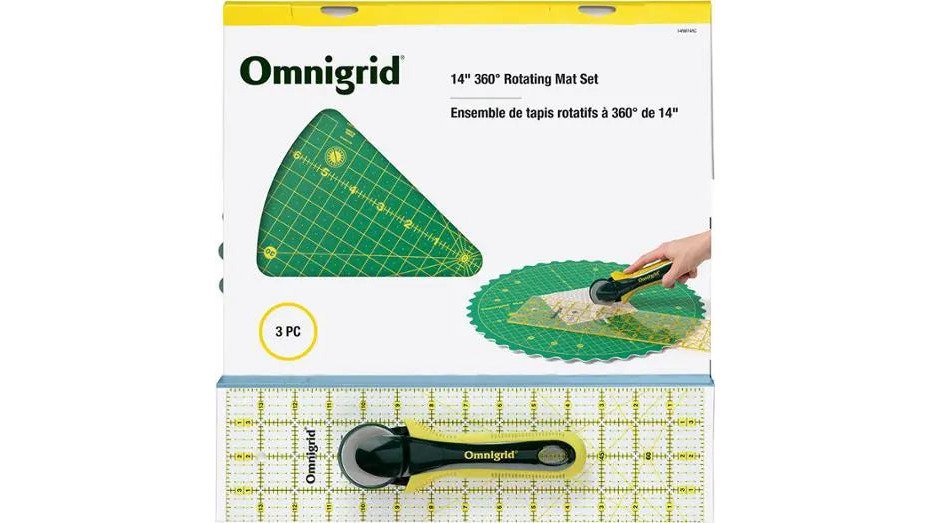
| 360 Rotating Mat Set 14" by Omnigrid | Precision cutting | $83.59 | High-volume cutting without repositioning fabric |
| KAI 7230 9 inch Shears | Precision cutting | $94.79 | Thick fabrics, smaller hands, lighter weight |
| Supreme Slider Free Motion Slider | Ergonomic aid | $29.99 | Free-motion work on a domestic machine |
| Oliso Iron Pro Plus Kaffe Fassett | Pressing | $219.99 | Fast, wrist-friendly pressing between seams |
| Color Evaluator Glasses | Marking and design | $14.39 | Checking contrast before committing to a layout |
| Goddess Tool | Templates | $21.59 | Corner cut-aways and half-square triangles |
| Dot To Dot Curves And Grid System | Templates | $37.19 | Straight and gently curved quilting lines |
| Feather Templates | Templates | $29.19 | Building a feather design repertoire |
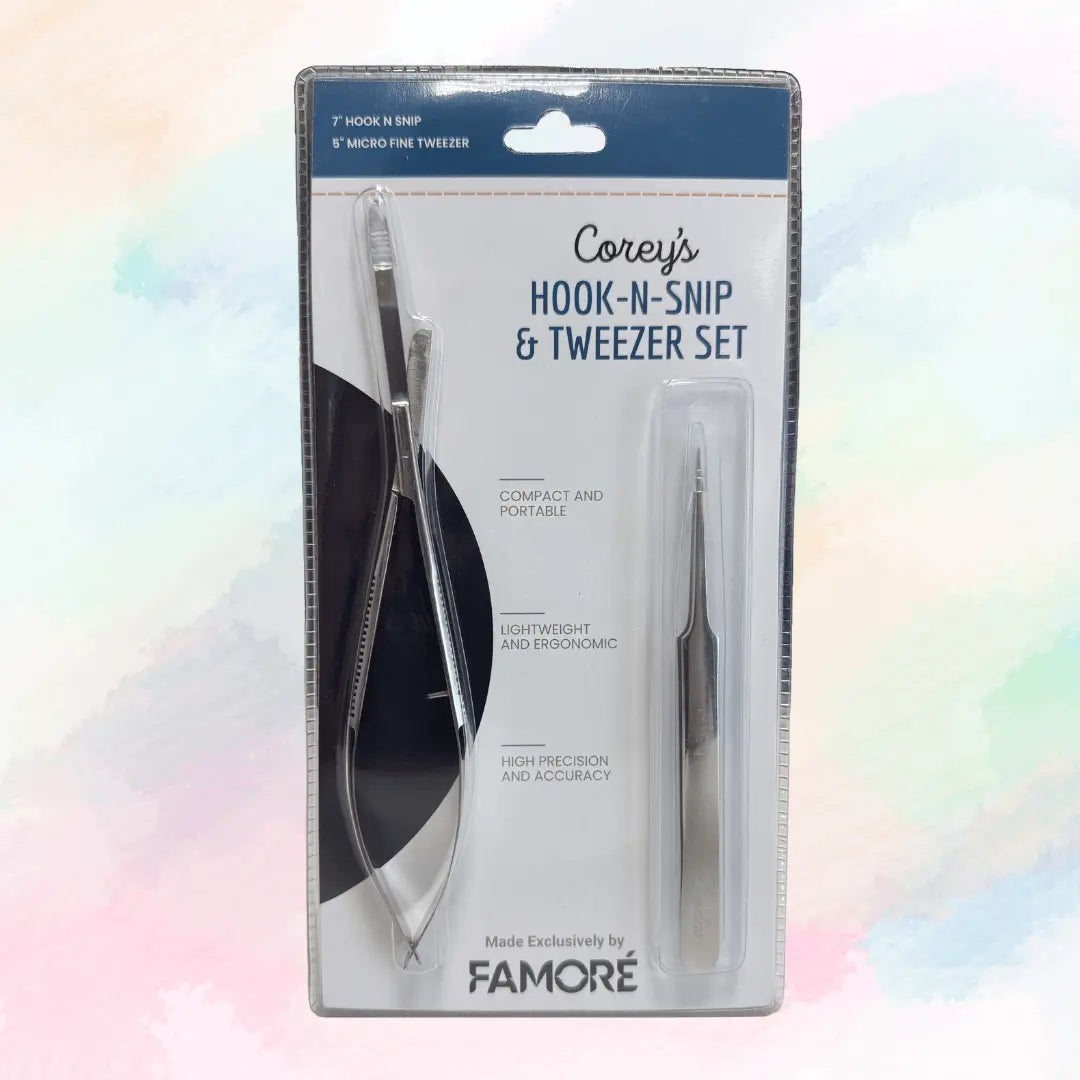
| Corey's Hook-N-Snip & Tweezer Set | Ergonomics | $15.99 | Ripping seams without damaging fabric |
| Electric Quilt 8 Quilt Design | Digital design | $285.19 | Planning layouts before cutting fabric |
How We Evaluated Professional-Grade Quilting Notions
We judged every notion on durability, ergonomics during long sessions, precision, and workflow fit.

Professional quilters are increasingly prioritizing ergonomic rotary cutters and specialized pressing mats to stay comfortable through extended sewing sessions, according to Suzy Quilts' guide to quilting tools. That shift matters. A tool that saves ten minutes but adds wrist strain is a net loss in a studio that runs five days a week.
Precision technology has also become standard. Laser guides for sewing machines and specialized square-up rulers are now treated as baseline equipment for professional-grade accuracy, per I See Stars Quilting's tool recommendations.
We weighted longevity heavily: notions replaced every season cost more over three years than one well-made tool.
Precision Cutting Tools: Rotary Cutters, Shears, and Rotating Mats
Precision cutting starts with a sharp edge and a surface that does not fight you. The 360 Rotating Mat Set 14" by Omnigrid combines a self-healing rotating mat, a 45 mm pressure-sensitive rotary cutter, and a 4" x 14" ruler for $83.59. The mat turns a full 360 degrees, so you rotate the fabric instead of walking around the table.
For thicker fabrics, the KAI 7230 9 inch Shears at $94.79 are high-carbon hardened stainless steel. The carbon allows a steeper cutting angle for a sharper, finer edge that holds longer, and the 9-inch length suits smaller hands or lighter work.


A rotary cutter handles long straight strips; shears handle curves, thick seams, and trimming. Studios that use one tool for everything replace blades constantly.
Ergonomic Quilting Tools for Professionals: Reducing Strain in High-Volume Studios
Ergonomic quilting tools for professionals reduce hand, wrist, and shoulder fatigue during repetitive tasks. The Supreme Slider Free Motion Slider, at $29.99, was developed by award-winning quilter Pat LaPierre to make free-motion quilting easier on a domestic machine. The pink tacky back grips the machine bed, and the zero-friction Teflon top lets the project glide instead of drag.
Repetitive strain builds quietly: two hours of free-motion work without a slider means fighting friction that travels straight up the arm.
Corey's Hook-N-Snip & Tweezer Set at $15.99 addresses a different strain point. The Hook-N-Snip's spring-action mechanism minimizes hand fatigue and snips stitches rather than fabric, and the 5-inch micro-fine tweezers handle delicate placement work.
Pressing and Stabilization: Pellon SF101 Interfacing Uses and Smart Iron Choices
Pressing is where a professional studio separates from a hobby setup. A seam pressed flat, not ironed side to side, sits true through every subsequent seam. These notions fuse interfacing, set seams, and stabilize the quilt sandwich before it reaches the machine.
Pellon SF101 interfacing uses center on shape retention. It is a fusible, woven, lightweight interfacing that adds body without stiffening, useful for appliqué, bag construction, and any block needing a stable edge. Because it is woven, cut it on the same grain as the fabric it backs or the piece will torque. Working quilters often fuse a slightly oversized piece, then trim to the template line for a cleaner edge.
The Oliso Iron Pro Plus Kaffe Fassett, at $219.99, uses iTouch technology, touch the handle and the iron lowers; let go and it lifts off the board. That saves wrists over a long pressing session and removes the scorch risk of a forgotten iron. The Diamond Ceramic Flow soleplate resists sticking, the 2-inch detailer tip reaches into seams and bias tape, and the 12-foot pivoting cord stays out of your way.
For stabilization work, press rather than drag: sliding the iron stretches bias edges, the root of most wavy borders.
Batting choice is the other half of stabilization. A professional studio should think about batting by fiber, loft, and shrinkage. Cotton gives a flat, antique look and shrinks about 3 to 5 percent on first wash, producing the crinkle many art quilters want. Wool is lighter for its warmth and drapes well but costs more. Polyester holds loft and does not shrink, suiting wall hangings that will never be washed. Bamboo and bamboo-cotton blends are the eco-conscious option: renewable, soft-draping, and often marketed as lower-impact than conventional cotton. Batting scraps can be pieced into Frankenbatting for smaller projects, and wideback offcuts saved for binding or test sandwiches.
A studio that presses correctly and stabilizes deliberately spends less time ripping and re-sewing. That is the point of professional-grade pressing tools: the hours they save across a production run.
Measuring, Marking, and Template Systems for Repeatable Accuracy
Repeatable accuracy comes from templates and rulers that remove guesswork. The Goddess Tool at $21.59 creates corner cut-aways, half-square triangles, tall triangles, and half tall triangles, the shapes behind Goddess Quilting.
The Dot To Dot Curves And Grid System at $37.19 includes five templates covering 1-inch and 1 1/2-inch base grids plus 1-inch, 2-inch, 3-inch, and 6-inch curves. Designer Pauline compiled the method over 35-plus years, aimed at quilters who want straight or gently curved lines without freehand guesswork.
Feather Templates at $29.19 tackle the design most quilters avoid. Three templates in varying feather sizes come with a hints-and-tips booklet covering several feather designs.
For color decisions before any cutting happens, Color Evaluator Glasses at $14.39 convert your view to grayscale so you can judge light, medium, and dark values.
Tool Longevity, Maintenance, and Digital Design Integration
Most guides stop at product recommendations. The professional angle is what happens after purchase: how long a tool lasts, how you keep it cutting true, and how digital design feeds the physical workflow.
Tool longevity. Three habits separate a tool that lasts years from one that lasts a season. First, clean cutting surfaces. Self-healing mats last longer when you rotate them, flip them, and keep them out of direct sun; UV exposure dries the polymer and stops it from closing over blade marks. Second, dry blades. Rotary blades rust at the edge, and a rusted edge drags instead of slicing. Wipe blades after use and store them in a case, not loose in a drawer. Third, store templates flat. Acrylic templates warp when stacked unevenly or left in a hot car, and a warped template throws off every cut made against it.
Sharpening and replacement schedules. Shears stay sharp when they cut fabric only, never paper, and are sharpened by a professional rather than a pull-through gadget. High-volume quilters keep two pairs in rotation so one can be sharpened while the other works. Rotary blades are consumable; replace when the cutter needs downward pressure to cut a single layer of quilting cotton, since pushing a dull blade distorts the cut and throws off seam allowance.
Machine maintenance notions. Long-arm and domestic machines both benefit from a small kit: a lint brush, compressed air used sparingly, machine-specific oil, and a screwdriver that fits the needle plate. Cleaning the bobbin area between projects prevents the lint-and-oil buildup that causes skipped stitches. Change the needle every project or every eight hours of sewing, whichever comes first, and match needle type to fabric weight (schmetz.com).
Digital design integration. This is where professional studios separate from hobby setups. Electric Quilt 8 Quilt Design at $285.19 is the industry's standard quilting design software, with a redesigned interface, large elements for faster learning, and more than 40 new and updated features including thousands of new block designs and fabrics. The package contains a download license, and you can activate it on two computers at a time while turning activations on and off as needed. Translating these precise digital blueprints into finished garments requires a discerning selection of quality dressmaking fabrics to ensure the structural integrity of every seam.
The integration point most guides skip is how software output feeds physical notions. A design in EQ8 can be printed as a template sheet, then cut from template plastic or acrylic, the same physical notion you use at the cutting table. The workflow is: design digitally, print templates, cut fabric once. With digital cutting tools, the same design file can drive a cutter that produces appliqué shapes directly, removing hand-cutting for repetitive shapes.
Planning a layout in software before cutting fabric saves material, a real cost in a studio cutting wideback fabric for large-scale projects. Bulk sourcing guides flag batting rolls and thread cones as the supplies that disappear fastest in production.
Frequently Asked Questions
What are the most essential quilting notions for high-volume production?
Professionals running daily production should prioritize a rotating cutting mat, a high-carbon shear like the KAI 7230, a free-motion slider, and a reliable pressing system. Linda's Electric Quilters notes that batting rolls and thread cones disappear fastest in professional settings, so bulk sourcing matters as much as tool choice. Round out your kit with a seam ripper, glasshead pins, and fabric clips so you are never waiting on a single tool to finish a pass.
How do ergonomic quilting tools for professionals improve long-term output?
Ergonomic quilting tools for professionals reduce repetitive strain so you can keep quilting through long sessions. Spring-action snips like Corey's Hook-N-Snip minimize hand fatigue, and the Oliso Iron Pro Plus lifts and lowers with a touch, saving your wrists on every press. Professional quilters increasingly prioritize ergonomic rotary cutters and specialized pressing mats to stay comfortable during extended sewing sessions.
How does Pellon SF101 improve the stability of professional art quilts?
Pellon SF101 interfacing uses include stabilizing fabric for piecing, appliqué, and bag making so seams stay crisp and blocks hold their shape. For art quilts, it adds enough body to prevent distortion during dense quilting without making the finished piece stiff. Fuse it to the wrong side of fabric before cutting, and always test on a scrap first to confirm the hand feel matches your design intent.
What is the difference between hobbyist and professional-grade quilting notions?
Hobbyist notions are built for occasional use, while professional-grade tools are designed for daily wear. The KAI 7230 shears use high-carbon stainless steel for a sharper, longer-lasting edge, and the 360 Rotating Mat Set has a self-healing surface that survives repeated cuts. Professionals also invest in machine maintenance tools and thread cutters that hold up to high-volume work, where a hobbyist might replace a bargain tool every season.
Which quilting notions are recommended for precision piecing?
Precision piecing starts with a sharp rotary cutter, a square-up ruler, and a rotating mat that lets you cut without repositioning fabric. The 360 Rotating Mat Set includes a 45 mm cutter and a 4" x 14" ruler for consistent seam allowance. Add a laser guide for your sewing machine and a marking pen that disappears cleanly. Laser guides and square-up rulers are now standard for professional-grade accuracy.