Table of Contents
- Eco-Friendly Interfacing Options for Sewing: A 2026 Guide
- Sew-In vs Fusible Interfacing: Which Is Greener?
- Organic Cotton Interfacing: Benefits and Best Uses
- How to Use Fabric Scraps as Interfacing
- Recycled Polyester vs. Biodegradable Interfacing: A Lifecycle Comparison
- Choosing the Right Weight and Type for Your Project
- Where to Source Sustainable Stabilizers and Notions
- Frequently Asked Questions
Last Updated: September 23, 2026
Eco-Friendly Interfacing Options for Sewing: A 2026 Guide
Eco-friendly interfacing options for sewing are stabilizers made from natural fibers, recycled polyester, or water-soluble compounds that give garments and quilts structure without the persistent waste of conventional synthetics. At Linda's Electric Quilters, we field questions about this constantly, because the shift is real: industry guidance now explicitly recommends natural fiber interfacing as the primary sustainable alternative to conventional stabilizers (Cinnamon Daisy sustainable sewing guidance), and market availability has expanded to include recycled fusible interfacing in lightweight, midweight, and stretch weights (Core Fabric Store interfacing guide). Below, we break down which options actually hold up, where they fall short, and how to pick the right one for your project.

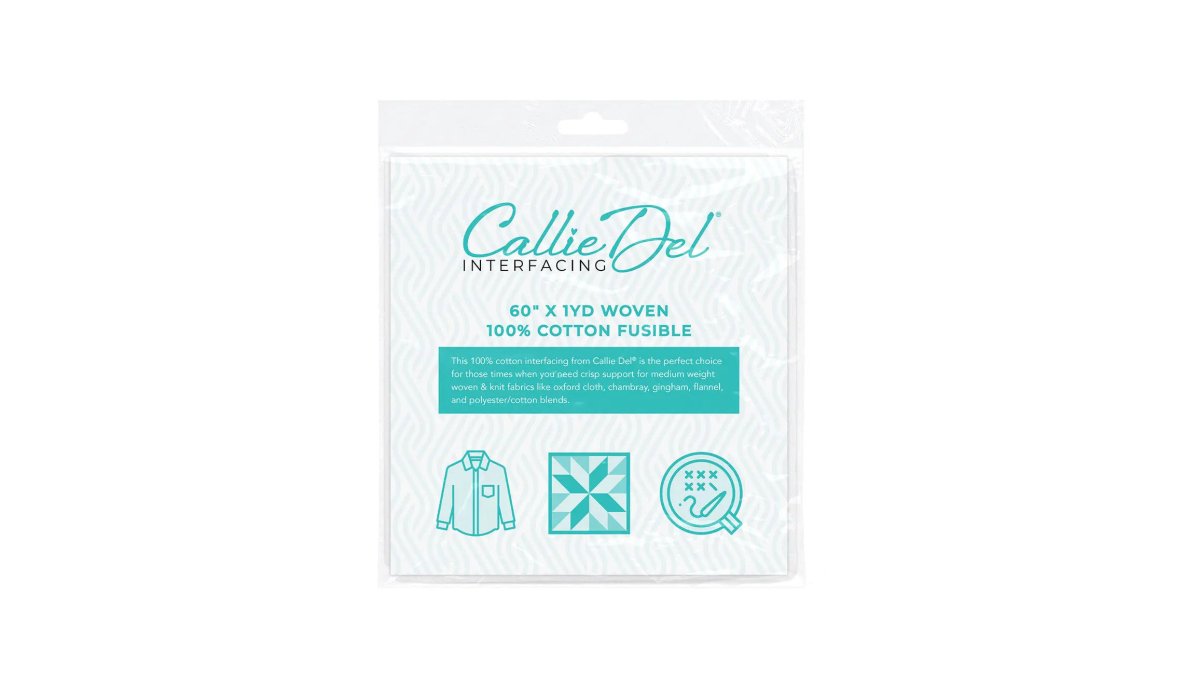
The core tension in this category is simple. The most sustainable option is not always the most stable one, and the most stable option is rarely the most sustainable. Knowing where you can compromise, and where you cannot, is the whole game.
Sew-In vs Fusible Interfacing: Which Is Greener?
Sew-in interfacing is generally the greener choice because it requires no heat-activated adhesive, which means no synthetic resin layer and no risk of adhesive residue entering the waste stream. Fusible interfacing, by contrast, relies on a glue coating that is typically petrochemical in origin.

That said, the gap narrows when you account for production energy.
- Sew-in: No adhesive layer, fully removable, best for delicate fabrics and heirloom work. More labor-intensive.
- Fusible: Faster, more consistent bond, better for structured garments. Adhesive layer complicates end-of-life disposal.
Organic Cotton Interfacing: Benefits and Best Uses
Organic cotton interfacing is a woven or non-woven stabilizer made from cotton grown without synthetic pesticides, and it is the strongest choice when biodegradability is your priority. It breaks down at end of life, adds no microplastic burden to wash water, and behaves predictably under an iron.
How to Use Fabric Scraps as Interfacing
Fabric scraps can serve as interfacing when you need light structure and want zero new material. The method is straightforward, but the results are less consistent than commercial interfacing, and that trade-off matters for garments with a professional finish (UpCycled Cloth Collective on upcycled stabilizers).
- Sort by fiber and weight. Cotton lawn and silk organza scraps work best. Avoid stretchy or fraying remnants.
- Test the drape. Lay your scrap against the fashion fabric. If it changes the hand too much, it is too heavy.
- Cut with a seam allowance. Add 1/4 inch beyond your pattern piece so the scrap stays captured in the seam.
- Baste in place. Use a 2.0 mm stitch length, 1/8 inch inside the seam line, then treat the layered piece as one.
- Check washability first. Pre-wash scraps the same way you will wash the finished garment.
Recycled Polyester vs. Biodegradable Interfacing: A Lifecycle Comparison
- Home-compostable: 100% cotton, linen, hemp, and silk organza will break down in a backyard pile given adequate moisture and turning. These are the safest end-of-life choices for a home sewer.
- Industrial-compostable: Some plant-based and PLA-derived stabilizers require sustained high temperatures (typically above 130°F) that a home pile cannot reach. They will biodegrade in a commercial facility but persist in a backyard bin.
- Water-soluble: Sulky's development of water-soluble stabilizers such as Solvy lets sewists stabilize fabric during construction and dissolve the product entirely in water afterward, leaving no physical waste behind (UpCycled Cloth Collective case study). The dissolved polymer goes down the drain, so this is a waste-volume win rather than a zero-impact one.
| Option | Sourcing | Wash Behavior | End of Life | Best For |
|---|---|---|---|---|
| Organic cotton | Renewable, pesticide-free | Sheds natural cellulose fibers | Home-compostable | Wovens, quilted décor |
| Hemp / linen | Renewable, low-input | Sheds natural cellulose fibers | Home-compostable | Structured wovens, bags |
| Silk organza | Renewable (animal) | Minimal shedding | Home-compostable | Sheer garments, heirloom work |
| Recycled polyester | Diverts plastic waste | Sheds microplastics | Persists in landfill | Stretch, performance wear |
| Water-soluble | Renewable compounds | Dissolves in water | Down-the-drain | Embroidery, temporary support |
| Fusible fleece | Mixed (often synthetic) | Sheds microplastics | Landfill | Bags, home décor |
The practical rule most experienced sewists land on is to match the material to the garment's expected lifespan. A structured tote that will be used for a decade justifies a durable synthetic. A lightweight blouse that will be worn for two seasons is a better candidate for a compostable natural fiber, because its end-of-life is the dominant environmental cost.

Choosing the Right Weight and Type for Your Project
Weight and drape decide more outcomes than fiber content does. A beautifully sustainable interfacing in the wrong weight will ruin a garment faster than a conventional one in the right weight. But weight alone is not the whole decision, how the material behaves in the wash and how it interacts with your machine are the two variables most guides skip entirely.
Start with the weight tier.
-
Lightweight: Blouses, delicate wovens, anything that needs to stay fluid. Silk organza and cotton batiste are the natural-fiber standouts here.
-
Midweight: Cuffs, collars, facings, structured quilt blocks. Cotton muslin and midweight cotton fusibles are the workhorses.
-
Heavyweight: Bags, home décor, projects that must hold a shape. Hemp canvas and fusible fleece are the common choices.
-
Needle wear: Natural-fiber interfacings, especially hemp and heavier cotton, are more abrasive on needles than polyester. Expect to change needles more frequently, a fresh needle at the start of a project with heavy natural interfacing is cheap insurance against skipped stitches.
-
Tension settings: Fusible interfacings add bulk and can require a slightly looser upper tension to avoid puckering at the seam. Sew-in interfacings, because they move independently until basted, usually sew at your normal tension once basted securely.
-
Presser foot pressure: Thick natural interfacings may need reduced presser foot pressure to feed evenly, particularly on lighter machines.
-
Adhesive buildup: Fusible interfacings can leave residue on the needle and presser foot over a long session. A quick wipe with an alcohol swab between projects keeps tension consistent.
Where to Source Sustainable Stabilizers and Notions
Sourcing is where good intentions meet reality. The sustainable sewing market has expanded, but availability still varies widely by weight and fiber, and buyers should verify certifications for materials like recycled cotton and regenerated nylon to confirm they meet environmental standards (Portugal Clothing Factory sustainable fabrics guide).
What to look for when evaluating a supplier:
- Fiber content disclosed in full, not just "eco-friendly" marketing language
- Certifications listed for recycled or organic claims
- Weight and application specified clearly
- Return policy that covers a failed bond
- Educational resources to help match product to project
Frequently Asked Questions
What can I use as an alternative to interfacing fabric?
You can use natural fiber fabrics like cotton lawn, silk organza, or hemp fabric as eco-friendly interfacing alternatives. These materials provide structure without synthetic adhesives. For a zero-waste option, consider using fabric scraps from your project. Additionally, water-soluble stabilizers like Sulky Solvy dissolve completely, leaving no waste. Always test on a scrap first to ensure the desired stiffness and compatibility with your main fabric.
How do I choose between sew-in and fusible eco-friendly interfacing?
Choose sew-in interfacing for delicate fabrics that cannot handle heat, such as silk or lace, or when you want to avoid adhesives. Fusible interfacing is faster and provides a permanent bond, ideal for structured garments like collars and cuffs. For eco-friendly options, look for organic cotton fusible or recycled polyester fusible. Consider the fabric weight and project type: sew-in adds less stiffness, while fusible can be crisper. Always test a small sample first.
Are there biodegradable options for fusible interfacing?
Yes, biodegradable fusible interfacing options are emerging, though they are less common than sew-in alternatives. Look for products made from natural fibers like organic cotton or hemp with a heat-activated adhesive that is compostable. Some brands offer water-soluble stabilizers that biodegrade. Always check certifications and test the bond strength. Keep in mind that biodegradable fusibles may have a shorter shelf life and require gentle washing to maintain integrity.
Can I use scrap fabric as a natural stabilizer?
Absolutely. Scrap fabric from your project can be used as a natural stabilizer, especially for quilting and small crafts. Cut scraps to the desired shape and sew them to the wrong side of your main fabric. This adds body and reduces waste. For best results, use scraps of similar weight and fiber content. However, note that upcycled scraps may not provide the same consistent structural integrity as commercial interfacing, so test for your specific project needs.
The hardest part of going sustainable is not finding eco-friendly interfacing. It is matching the right one to the project in front of you without guessing. Linda's Electric Quilters stocks over 50,000 quilting, sewing, and embroidery products, including a full range of interfacings, stabilizers, and fusible options from trusted brands, with expert resources to help you choose correctly the first time. Shop now and give your next project structure that holds up and breaks down responsibly.