
Last Updated: October 31, 2026
Quick Summary
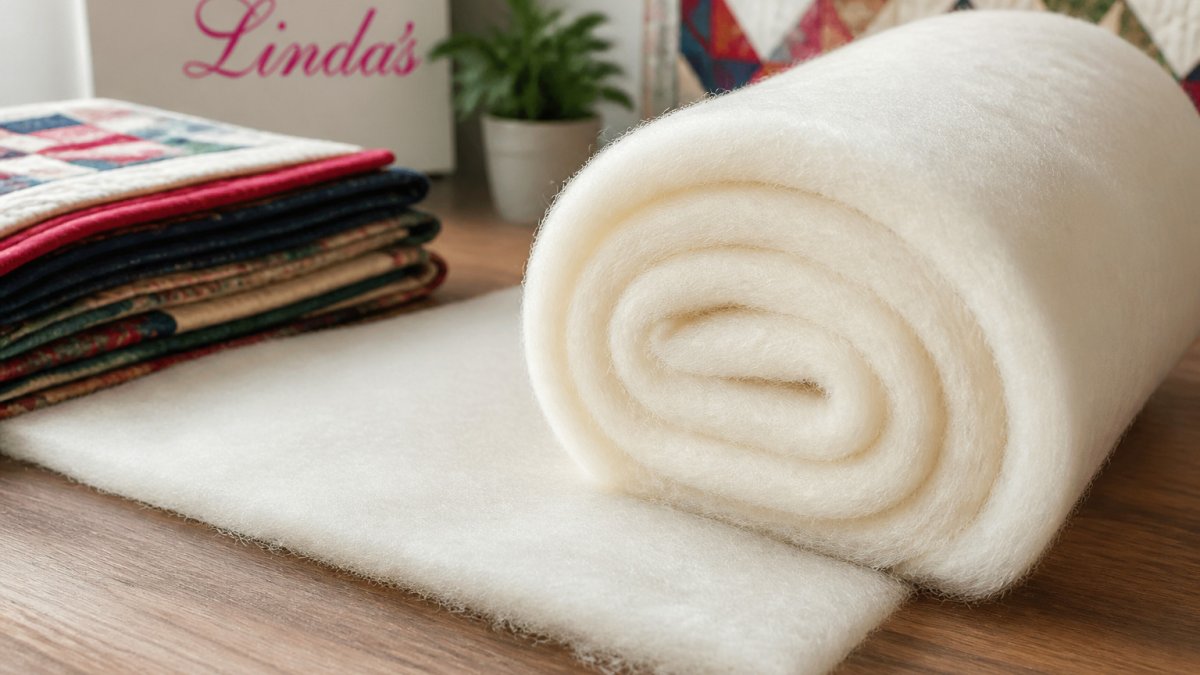
Wool batting is worth the price for heirloom quilts, winter bedding, and hand quilting, but it is often overkill for everyday throws you wash constantly. Wool costs more than cotton or polyester, yet it gives warmth without weight, soft drape, and good loft recovery.
- Compare batting by cost per square foot, not sticker price, for the size you need.
- A queen Hobbs Heirloom Wool package covers a full-size bed quilt; check the product page for the current price.
- Some wool battings shrink; the Tuscany and Hobbs listings state 3-5%.
- Wash wool in cool water and lay it flat to dry; avoid hot water and high heat.
- Match the batting to the care you will give it and the quilt's use.
Table of Contents
- What Wool Batting Costs Compared With Cotton and Polyester
- Wool vs. Cotton Batting: Where Each One Wins
- The Pros and Cons of Wool Batting
- Warmth, Drape and Loft: What You Actually Get for the Money
- How to Wash a Quilt With Wool Batting
- Best Batting for a Winter Quilt
- Choosing the Right Wool Batting for Your Next Quilt
- Frequently Asked Questions
Wool batting costs more than cotton or polyester, and for a lot of quilters that premium is hard to justify. But for the right project, it can be the most rewarding money you spend on a quilt. This guide from Linda's Electric Quilters breaks down what wool batting actually costs, what you get for that money, and who should buy it.
Batting is the layer between the quilt top and backing, and it shapes how the finished quilt feels, looks, and lasts. Wool batting is a natural fiber batting prized for its warmth, soft drape, and springy loft. Linda's Electric Quilters carries several wool options. The short answer: wool is worth the price for heirloom quilts, winter bedding, and hand quilting, and it is often overkill for everyday throws you will wash constantly.
What Wool Batting Costs Compared With Cotton and Polyester
Wool batting generally sits at the premium end of the batting aisle. Price depends on size and brand, so compare by the package size you actually need, not by the roll or by a craft-size piece.
At Linda's Electric Quilters, our wool options range from the Quilters Dream Wool craft-size package and the Tuscany 60 in x 60 in throw package to the Hobbs Heirloom Wool and Tuscany queen packages. The queen-size wool packages are the ones to price out for a full-size bed quilt budget.
To make the premium concrete, calculate cost per square foot for the size you need. A queen batting package covers roughly 90 in x 108 in, or about 67.5 square feet. Divide the queen package price by its square footage to compare it with other sizes. A throw-size package at 60 in x 60 in covers 25 square feet, so compare its price per square foot with the queen: smaller packages usually cost more per square foot, which is why buying the size closest to your quilt matters.
Use this method against current listings: divide the package price by the square footage of the batting, then multiply by the square footage of your quilt top plus a few inches of overhang on each side. That gives you the true batting cost for one quilt.
A queen quilt needs about 67.5 square feet of batting, so the arithmetic above applies directly to your project.
Before you commit, check the price per square foot of the size you need rather than the sticker price on a smaller piece, and factor in whether you will need to buy two packages to cover a large quilt.
The article's own prices make the premium easy to see at a glance.
| Wool batting option | Package size |
|---|---|
| Quilters Dream Wool (pre-order) | Craft size |
| Tuscany wool | 60 in x 60 in throw |
| Hobbs Heirloom Wool | Queen |
| Tuscany wool | Queen |
Wool vs. Cotton Batting: Where Each One Wins
Cotton and wool serve different quilters. Cotton and wool serve different needs. Neither is universally better.
Choose cotton if you want a quilt that goes in the washer often and does not need to be coddled. Choose wool if you want a quilt that feels heavy and warm without weighing a ton, and that holds its loft through years of use. Wool fibers trap air, which creates insulation at a lighter weight.
The Pros and Cons of Wool Batting
Wool has real advantages, and it has real drawbacks. Here is how we weigh them.
Pros
- Warmth without weight. Wool is breathable and traps air in its fibers.
- Soft drape and loft. Wool offers a soft drape and loft.
- Resilience. Wool has good loft recovery.
- Natural fiber. Many quilters prefer a natural material for heirloom pieces.
Cons
- Higher price. Wool costs more than cotton or polyester, and the premium adds up on a queen or king size.
- Shrinkage risk. Some wool battings shrink somewhat; the Tuscany and Hobbs Heirloom listings state 3-5%. Plan for that before you finish a quilt.
- Skin sensitivity. Some people may find wool irritating against the skin, so test a sample before committing.
- Care demands. Wool needs gentler handling than cotton, which affects how you wash a finished quilt.
Watch out: wool batting can shift or lump if you quilt it too loosely. Follow the maximum stitch distance printed on your product label, which for our Tuscany batting is up to 3 inches apart.
Quilters Dream Wool Batting Package (Available For Pre-Order) — Craft 46" × 36" →
Warmth, Drape and Loft: What You Actually Get for the Money
The fibers trap air, creating insulation at a comparatively light weight. Loft is the thickness that makes a quilt look plush.
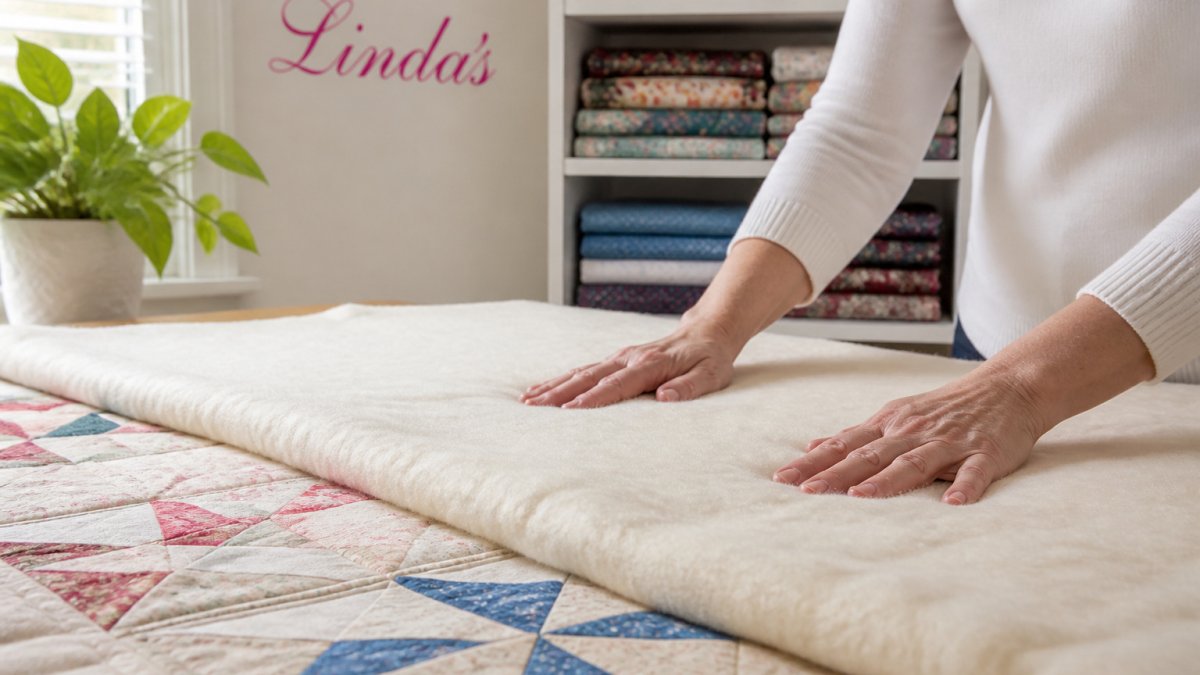
Our Quilters Dream Wool batting is described as having a soft thermal-bonded loft of more than 1/3 inch, and it can be stitched up to 8 inches apart. The Hobbs Heirloom Wool batting lists an approximate loft of 1/4 to 3/8 inch and can be quilted up to 4 inches apart. The difference in loft and stitch distance is the kind of detail that determines the finished look, so match the batting to the quilt design, not just the bed size.
How to Wash a Quilt With Wool Batting
Care is where many quilters get wool wrong, and it is also where the long-term cost of ownership lives. Purchase price is a one-time number; how you wash, dry, and store a wool quilt determines whether it lasts decades or needs replacing in a few years.
Our Tuscany wool guidance is to wash in cool water by hand and lay the quilt flat to dry. If you prefer the machine, use the gentle cycle with no spin and cool water. Be especially careful with front-loading washers, since their intense spin can strain a quilt and distort the batting.
Quilters Dream Wool, by contrast, is described as machine washable and dryable on a cold setting without shrinkage, and it should be kept away from ironing and heat to protect the loft. If a crease appears, fluffing in a cool dryer with a damp cloth for a few minutes can help it spring back. Hobbs Heirloom Wool is also recommended to avoid pre-washing. Always check the label on your specific batting before you wash, and make a small test sample first.
Hand washing and flat drying cost time rather than money. Hot-water washing and high-heat drying can compact wool and cause lumps.
Store wool quilts clean and fully dry, folded loosely or rolled.
Weigh the care burden against how often the quilt will be washed. A wall hanging or heirloom that is spot-cleaned and aired seasonally asks very little of you. A daily-use bed quilt that goes through the wash monthly asks more, and that is the scenario where cotton's easier care can offset wool's performance advantages. Match the batting to the care you are realistically willing to give it.
Best Batting for a Winter Quilt
For a winter quilt, warmth and loft are the priorities, so wool is a strong fit. A quilt meant for cold nights benefits from wool's insulating air pockets, and it stays comfortable without the bulk of heavier fills.
For a winter bed, the Hobbs Heirloom Wool queen package is a lightweight, breathable batting that resists bearding and migration. The Quilters Dream Wool option is currently a pre-order item. The Tuscany 60 in x 60 in throw package is a smaller option.
Choosing the Right Wool Batting for Your Next Quilt
Start with the use case, then the size, then the budget. Here is a quick framework:
- Heirloom or show quilt: Choose a premium wool for loft and resilience, such as Quilters Dream Wool or Hobbs Heirloom Wool.
- Everyday throw or lap quilt: A smaller Tuscany wool package keeps costs down while still delivering warmth.
- Full-size bed quilt for winter: A queen-size wool package gives you the most warmth per dollar of wool.
- Machine quilting with dense stitching: Check the stitch-distance spec, since some wool battings are designed for wider spacing.
Also consider how you will wash the finished quilt. Always test a sample of your chosen batting with your fabrics before committing to a full project.
Wool batting may suit projects where warmth, drape, and loft matter most and you are willing to care for the quilt. If you want to see how these wool options handle a project, browse our wool batting selection at Linda's Electric Quilters, or start with a sample to test your own fabric pairing before you cut.
Frequently Asked Questions
Is wool batting better than cotton?
Neither is better in every case. Wool and cotton suit different projects. If you want a warm winter quilt that holds its loft and you can accept hand or gentle washing, wool is usually the stronger choice. If you plan to wash a quilt often and want to spend less, cotton is the practical pick.
Does wool batting shrink or need special care?
Superwashed wool, such as the Tuscany and Quilters Dream Wool battings sold at Linda's Electric Quilters, is treated to reduce shrinkage. Tuscany lists a shrinkage of 3-5%, and Hobbs Heirloom Wool lists the same range. Both are typically washed in cool water and laid flat to dry. Avoid high heat, ironing and hot dryers, since heat can soften the loft.
Can you machine wash a quilt with wool batting?
Yes, with precautions. The Tuscany listing recommends a gentle cycle with no spin in cool water, and cautions that front-loading washers with intense spin cycles can be hard on quilts. Quilters Dream Wool may be machine washed and dried on a cold setting without shrinkage. Test a sample first, since the product's care instructions matter more than general rules.
How warm is a quilt made with wool batting?
Wool breathes and traps air in its fibers. The Tuscany listing describes this batting as lightweight, while Quilters Dream Wool offers a loft of more than 1/3 inch. Hobbs Heirloom Wool has a loft of 1/4 to 3/8 inch. Loft determines how warm a quilt feels, so choose a batting with the loft that suits your climate.



