
Quick Summary
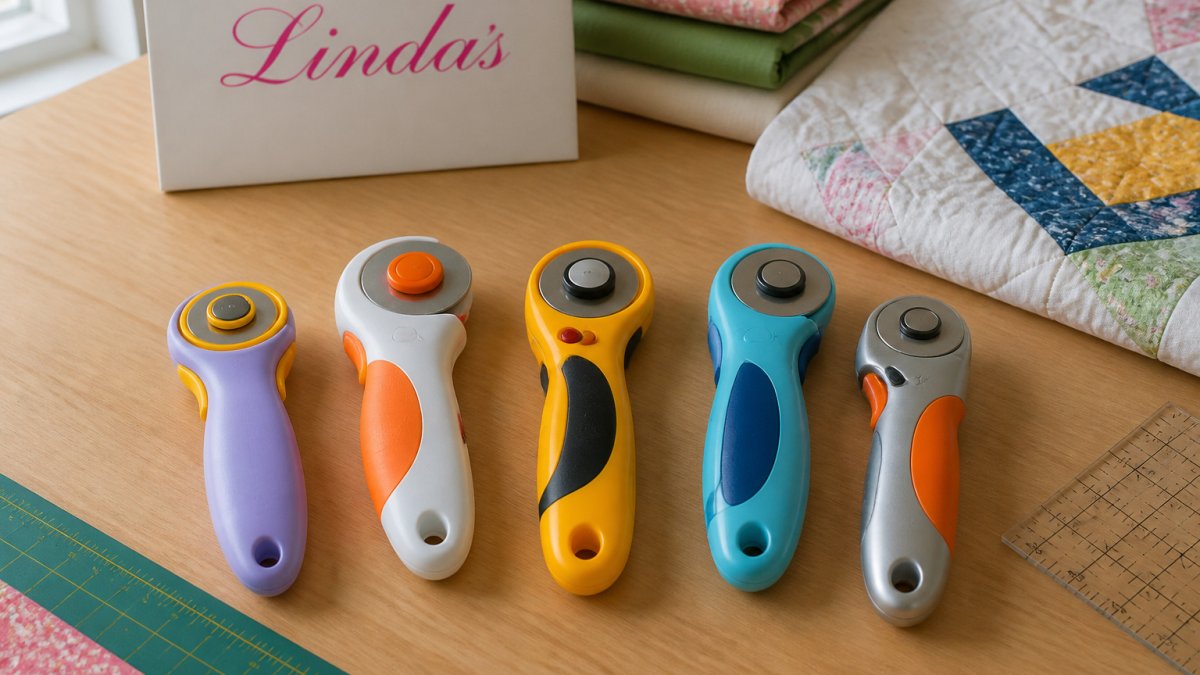
The best ergonomic rotary cutters for arthritic hands have curved or loop handles, squeeze triggers, and soft grips that reduce pinch force. The 45mm Ergonomic Rotary Cutter Magenta, the Famore 45mm, Linda's 60mm, the Easy Change DuoLoop, and the TrueCut Comfort Cutter are five strong options.
- Handle shape matters more than blade size for sore hands, because it sets how much grip strength each cut takes.
- A squeeze trigger is easier on arthritic thumbs than a sustained pressing action.
- Choose a blade change with one screw or a magnetic hub to avoid losing small parts.
- Raise your cutting mat so your elbow sits near 90 degrees and your wrist stays neutral.
Table of Contents
- Why Handle Design Matters More Than Blade Size for Sore Hands
- How to Reduce Hand Strain While Quilting: Selection Criteria
- Quick Comparison: The Five Cutters at a Glance
- Top 5 Ergonomic Rotary Cutters for Arthritic Hands
- Best Quilting Notions for Arthritis: Beyond the Cutter
- Common Mistakes That Undo Ergonomic Benefits
- Choosing the Cutter to Order for Your Next Session
- Frequently Asked Questions
Why Handle Design Matters More Than Blade Size for Sore Hands
Handle design, not blade size, decides whether a rotary cutter is comfortable for arthritic hands. A 45mm blade and a 60mm blade both cut fabric well, but the handle determines how much grip strength, wrist rotation and pinch force each cut demands. For a quilter with thumb or finger joint pain, that difference shapes every session.
Most standard cutters ask you to pinch and hold a straight, hard handle while pushing down through the cut. That grip load concentrates on the thumb base and the knuckles. A curved or ergonomic handle spreads the load across the palm, so the joints carry less stress.
Linda's Electric Quilters carries several cutters built around this idea. The 45mm Ergonomic Rotary Cutter Magenta, for example, uses a curved handle with a squeeze trigger and an anti-slip grip, which is designed to lessen hand fatigue. When comparing ergonomic rotary cutters, a handle you can hold comfortably for the length of a session matters more than the sharpest blade.

Watch out: a heavier cutter is not always easier. Extra weight can tire the wrist even when the handle shape is good, so test the balance before you commit.
How to Reduce Hand Strain While Quilting: Selection Criteria
Reducing hand strain starts with choosing a cutter that matches how your hands actually work, not how they look on a spec sheet.
1. Handle shape and palm contact. A straight, hard handle forces a pinch grip, which loads the thumb base (the carpometacarpal joint) and the knuckles.
2. Trigger or squeeze action vs. pressing action. A squeeze trigger engages the blade with finger flexion, which most arthritic hands tolerate better than the sustained downward press a spring-loaded button requires.
3. Grip material and diameter. Soft, rubberized, or textured grips reduce the gripping force needed to keep the cutter from slipping. A slightly larger barrel diameter also helps, because a wider grip lets the fingers curl less tightly.
4. Blade-change effort. This is the criterion most reviews skip, and it is where arthritic users lose the most time and patience. Count the steps: a single screw with a captured blade is manageable; small springs, washers, and a separate nut are not.
5. Safety lock you can work one-handed. A dual-action lock that clicks open for long cutting sessions and closed for storage is easier than a stiff sliding button. Test that you can engage it with your thumb alone.
A short checklist helps narrow the field:
- Curved or loop handle that fills the palm
- Squeeze or trigger action rather than sustained pressing
- Soft, non-slip grip with a slightly wider barrel
- Blade change with one screw or a magnetic hub, no loose springs or washers
- Safety lock you can operate with one hand
- Weight balanced toward the blade, not the back of the handle
Blade size comes last, but it is not irrelevant. A 45mm blade suits most strip and block cutting and is easier to control on thin cotton. A 60mm blade handles thick layers and batting with fewer passes, which matters because every extra pass is another squeeze.
Quick Comparison: The Five Cutters at a Glance
| Cutter | Handle Style | Starting Price | Best For |
|---|---|---|---|
| 45mm Ergonomic Rotary Cutter Magenta | Curved, squeeze trigger | See product page | Everyday strip cutting |
| Famore 45mm Ergonomic Rotary Cutter | Ergonomic, ball bearing | See product page | Smooth, low-pressure cuts |
| Linda's 60mm Ergonomic Rotary Cutter | Trigger handle, ball bearing | See product page | Thick fabric and batting |
| Easy Change DuoLoop Rotary 45mm 60mm | Curved loop handle | See product page | Switching blade sizes |
| TrueCut Comfort Cutter 45mm | Comfort curve grip | See product page | Wrist-friendly cutting |
Top 5 Ergonomic Rotary Cutters for Arthritic Hands
1. 45mm Ergonomic Rotary Cutter Magenta
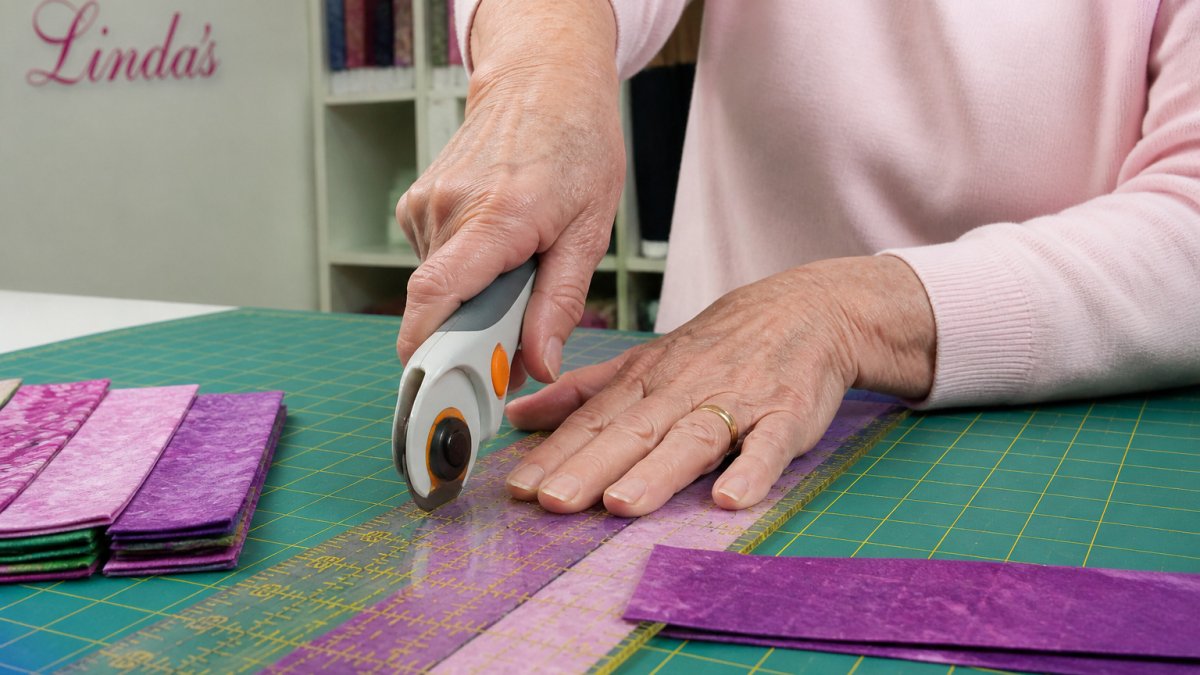
This is the most popular size and handle in the Magenta line. The curved handle and squeeze trigger reduce the grip force needed for each cut, and the dual-action safety lock lets you lock the blade open for high-volume cutting or closed for storage. The cutter is pre-loaded with an OLFA Endurance Blade.
Best for: quilters who cut many strips and want a squeeze action over a pressing action.
2. Famore 45mm Ergonomic Rotary Cutter
This cutter uses a patent-pending ball bearing blade system, which lets the blade rotate with minimal pressure. The handle is weighted for balance and has a soft, rubberized grip. Blade replacement takes one screw, with no small washers or springs to lose.
Best for: quilters who want smooth, low-effort cuts along rulers and templates. Skip if: you need a heavier cutter for thick layers.
3. Linda's 60mm Ergonomic Rotary Cutter
Built in collaboration with Famoré, this 60mm cutter is designed for thick fabrics and multiple layers. The ball bearing system delivers skip-free cutting with less pressure on the handle, even through batting and denim.
Best for: quilters cutting batting, denim or many layers at once.
45mm Ergonomic Rotary Cutter Magenta →
4. Easy Change DuoLoop Rotary 45mm 60mm
This two-in-one cutter switches between 45mm and 60mm blades. A magnetic blade hub makes changes touch-free, and the curved loop handle with SoftGrip holds the cutter naturally while you position fabric. Both blades are coated in titanium.
Best for: quilters who alternate between strip cutting and heavy layers and don't want two tools. Skip if: you only ever cut one size, since you pay for a second blade you won't use.
5. TrueCut Comfort Cutter 45mm
The comfort curve grip aligns with the wrist, which keeps the cutting force over the blade rather than in the wrist and arm. The cutter is available for left- or right-handed use and includes a removable guide that works with the TrueCut Ruler Track.
Best for: quilters who find a straight handle strains the wrist.
Best Quilting Notions for Arthritis: Beyond the Cutter
The cutter is only one part of a comfortable setup. Cutting mat height and surface also affect comfort. A mat that sits too low forces you to round your shoulders and flex your wrist downward through every cut, which adds strain no ergonomic handle can offset. A mat that sits too high pushes your elbow up and loads the shoulder.
Raising the mat. Some quilters raise their cutting surface to a comfortable height, using a dedicated cutting table or a stable raised surface. Test by placing your hand flat on the mat: your elbow should be bent near 90 degrees, not locked straight or winged out.
Mat surface and thickness. A thin, worn mat lets the blade sink and drag, which forces you to push harder. A thicker self-healing mat gives the blade a consistent surface and reduces the pressure needed per cut.
Ruler and template choices. A ruler with a lip or a track system keeps the cutter guided so you can push with your arm rather than steer with your fingers. Templates that clamp or adhere to the fabric reduce the pinch force needed to hold them in place. Stabilizing your grip with these tools minimizes repetitive strain, though incorporating cold compression sleeves can also provide lasting relief for finger arthritis after a long afternoon of cutting.
Hand-sewing and thread notions. For hand sewing, choose a needle with a larger eye and a thread that lets you work with a relaxed grip rather than a tight pinch. Our guide to choosing the right hand sewing needle for your project walks through the options. You can compare thread options in our quilting thread comparison for professional use. For a broader selection of thread, browse our quilting threads to compare weights and finishes. You can also see more professional quilting notions for additional tools.
Common Mistakes That Undo Ergonomic Benefits
A comfortable cutter can still cause strain if you use it the wrong way. A common mistake is pressing down hard to force the blade through dense fabric. A sharp blade cuts with lighter pressure, so replace a dull blade when it starts to drag.
Another mistake is cutting in long, uninterrupted sessions. Take short breaks, and switch hands if your setup allows it. Finally, many quilters keep the cutter in a position that bends the wrist. Adjust the cutting mat height so your forearm stays roughly level with the table.
Choosing the Cutter to Order for Your Next Session
Start with the cutting you do most. If it is everyday strip cutting, the 45mm Ergonomic Rotary Cutter Magenta is one option. If your projects involve batting and thick layers, Linda's 60mm Ergonomic Rotary Cutter is designed for that work. If you switch between sizes often, the Easy Change DuoLoop lets you use two blade sizes in one tool.
Whichever you choose, test the grip before you commit. A cutter that feels comfortable in your hand for ten minutes is more useful than one that looks good on paper. Our team at Linda's Electric Quilters can help you choose a cutter for your projects.
Frequently Asked Questions
What is the best rotary cutter for someone with arthritis?
Look for a curved or loop handle with a soft, non-slip grip and a squeeze trigger or ball-bearing blade, since these reduce the force your fingers and wrist must apply. Among the options in this guide, the 45mm Ergonomic Rotary Cutter Magenta is described as using a curved handle with a squeeze trigger to lessen hand fatigue, and the Famore 45mm model uses a ball bearing blade system that asks for minimal pressure. Test the grip in your hand before buying, and choose the blade size that matches your typical project thickness.
How do ergonomic rotary cutters help with hand pain?
Ergonomic cutters spread the work across your hand instead of concentrating it in a pinch grip. Curved handles and anti-slip grips help keep your wrist in a neutral position, and blade systems that rotate smoothly need less downward pressure. Manufacturers describe these features as reducing wrist and hand fatigue, but the product listings do not include clinical trials. If pain persists, check with your doctor or occupational therapist before changing your cutting routine.
Are there rotary cutters that don't require a constant squeeze?
Yes. Designs with a dual-action safety lock can be locked open for longer cutting sessions, which reduces repeated gripping. The 45mm Ergonomic Rotary Cutter Magenta can be locked open for high-volume cutting, and the 45 mm Deluxe Ergonomic Rotary Cutter allows the blade to lock open for comfort. Locking the blade open still requires caution, so keep your fingers clear of the blade path and lock it closed when you set the cutter down.
What features should I look for in a rotary cutter if I have joint pain?
Prioritize a comfortable, non-slip handle, balanced weight, and an easy blade change so you do not need to pinch tiny parts. Check whether the blade can be replaced with one screw or a magnetic hub, which the Famore and Quilters Select models describe. Also consider whether the cutter works for both hands, since using your stronger or unaffected hand can help balance the load. Choose a size that fits your projects, because a 60mm blade can cut thicker layers in fewer passes.
Can using a rotary cutter with a wrist brace improve comfort?
A wrist brace can limit movement and may help some people maintain a neutral wrist position, but no product listing in this catalogue claims that bracing improves cutting comfort. Focus first on the cutter's handle design and your cutting posture, then ask your healthcare provider whether a brace suits your condition before wearing one while handling blades.



