
Table of Contents
- Why Online Shops Offer Superior Interfacing Selection
- Types of Interfacing for Quilting and Garment Construction
- How to Choose Interfacing for Garments and Projects
- Best Online Fabric Stores for Notions and Specialty Interfacing
- Bulk Purchasing and Wholesale Options for Home Sewers
- Shipping, Inventory Availability, and Cost-Effectiveness
- Sustainability and Eco-Friendly Interfacing Choices
- Frequently Asked Questions
Last Updated: September 2, 2026
Why Online Shops Offer Superior Interfacing Selection
Finding the right interfacing can feel like searching for a needle in a haystack at your local craft store. Walk into most big-box retailers and you'll find a limited selection of basic stabilizers, usually just a few weights of fusible interfacing and maybe one or two sew-in options. The reality is that online shops with wider interfacing variety have become essential for serious quilters and sewists. According to IBISWorld market analysis, the online hobby and craft supplies market reached $25.3 billion in 2026, with specialized retailers capturing an increasingly larger share of sales.
This shift isn't accidental. Online retailers can stock inventory that physical stores simply cannot support. A brick-and-mortar location has limited shelf space and must balance dozens of product categories. An online shop can dedicate entire sections to interfacing alone, offering everything from lightweight fusible webs to specialized foam stabilizers and heat-moldable options. At Linda's Electric Quilters, we've observed that customers frequently search for specific interfacing types that local stores don't carry, forcing them to piece together projects from multiple sources or settle for inferior substitutes.

The difference extends beyond selection. Online shops can source directly from manufacturers, negotiate better bulk pricing, and pass savings to customers. They also maintain current inventory of the latest product innovations, like eco-friendly interfacing options and specialty stabilizers designed for specific techniques. Physical stores often stock what moved last season, not what's trending now.
Types of Interfacing for Quilting and Garment Construction
Understanding interfacing types is the foundation of choosing correctly. Interfacing serves one core purpose: providing structure and stability to fabric during construction. But the method of application and the material composition create distinct categories that perform differently depending on your project.
Fusible vs. Sew-In Interfacing
Fusible interfacing is activated by heat and bonds permanently to fabric through an adhesive backing. You iron it onto your fabric, creating a no-sew bond that's three times stronger than traditional interfacing without adding weight or stiffness. Fusible options work best for projects where you need permanent structure, garment collars, cuffs, waistbands, and quilt labels.
Sew-in interfacing is stitched directly into seams during construction. It offers more flexibility than fusible and works with delicate fabrics that might scorch under an iron. Sewn-in stabilizers are ideal for lightweight silks, delicate linens, and projects where you want the interfacing to move slightly with the fabric rather than lock it in place.
The choice depends on your fabric weight and project requirements. Heavy cotton quilting fabrics almost always benefit from fusible interfacing because they can withstand the heat and the permanent bond adds necessary structure. Lightweight garment fabrics often require sew-in options to preserve drape and flexibility.
Gurukula Kangri University's research on handicraft production found that digital marketing and product variety significantly influence consumer decisions in craft supply purchases, particularly when specialized products like specific interfacing types are involved.
Fabric Weight and Stabilizer Options
Interfacing weight determines how much structure it adds to your fabric. The category system ranges from featherweight to extra-firm, and matching weight to your project prevents common problems like stiffness, puckering, or insufficient support.
Lightweight interfacing (featherweight to light) works with delicate fabrics and fine details. Use these for silk blouses, heirloom garments, and projects where drape matters. They add minimal bulk and maintain the fabric's natural hand.
Medium-weight interfacing handles most standard quilting cottons and everyday garment fabrics. This is the workhorse category, suitable for quilt labels, garment construction, and home décor projects. Most sewists keep medium-weight options on hand for general projects.
Firm and extra-firm stabilizers provide maximum structure for projects like fabric boxes, hat brims, and structured handbags. These non-woven materials hold their shape even when manipulated, making them essential for three-dimensional projects.
Specialty stabilizers add another dimension. Foam stabilizers create padding without bulk, fleece stabilizers add warmth and body to quilts, and heat-moldable options let you shape fabric into dimensional forms. Online retailers stock these specialty options in depth, while typical big-box stores carry a limited selection.
How to Choose Interfacing for Garments and Projects
Choosing correctly starts with understanding what your project demands. Ask three questions: What is the fabric weight? What function does the interfacing serve? Will the project need to move or maintain rigid structure?
For garment construction, interfacing typically supports specific areas: collars need medium-weight fusible to hold their shape, waistbands need firm support to prevent rolling, and cuffs need enough structure to maintain definition through washing. A cotton dress shirt collar uses medium-weight fusible interfacing. A silk blouse collar uses lightweight fusible to preserve drape. The same garment type requires different interfacing depending on fabric choice.
Quilting projects have different requirements. Quilt labels benefit from lightweight fusible to prevent fraying without adding bulk. Appliqué work often uses fusible web specifically designed for adhesion without visible stitching. Large quilts might use fleece stabilizers to add warmth without the weight of batting alone.
Test your choice on scraps before committing to a full project. Iron fusible interfacing onto a fabric scrap and wash it to confirm the bond holds. Sew stabilizer into a seam and evaluate how the fabric behaves. This five-minute test prevents discovering problems after you've completed half the project.
The brands matter too. Professional-grade interfacing like HeatnBond and Pellon maintains consistent quality across batches, crucial for projects where color, weight, or adhesive strength varies. Budget alternatives sometimes skimp on adhesive or use inconsistent fiber blends, leading to separation or uneven stiffness.
Best Online Fabric Stores for Notions and Specialty Interfacing
Online retailers dominate the interfacing market because they've solved the inventory problem that limits physical stores. According to Dataintelo's quilting fabric market analysis, online stores account for approximately 38.6% of total quilting fabric market revenue, with specialty retailers capturing the highest margins through curated selections and expert positioning.
Specialty Retailers vs. General Marketplaces
Specialty fabric retailers and quilting shops with strong online presence offer advantages that general marketplaces cannot match. They employ staff who understand interfacing, not just what's in stock, but how different products perform in real projects. Their websites feature detailed specifications, application guides, and often video tutorials showing interfacing in use.
Linda's Electric Quilters exemplifies this approach. With over 50,000 items in stock, the selection includes HeatnBond interfacing in multiple weights (firm, medium, featherweight, and fleece options), Pellon specialty stabilizers, and other brands that excel in specific applications. The HeatnBond Firm White 20 in x 25 yd starts at $57.59 and provides professional-grade structure for serious projects. For quilters needing flexibility, the Flex Foam 1Sided Fusible Jelly Roll Strip at $23.19 adds body without stiffness.

General marketplaces cast wider nets but lack depth. They stock bestsellers and popular items, but rarely carry the specialty stabilizers that solve specific problems. If you need heat-moldable interfacing for fabric bowl projects or specialty fleece for quilted garments, you'll search in vain on general platforms. Specialty retailers maintain these niche products because their customers demand them.
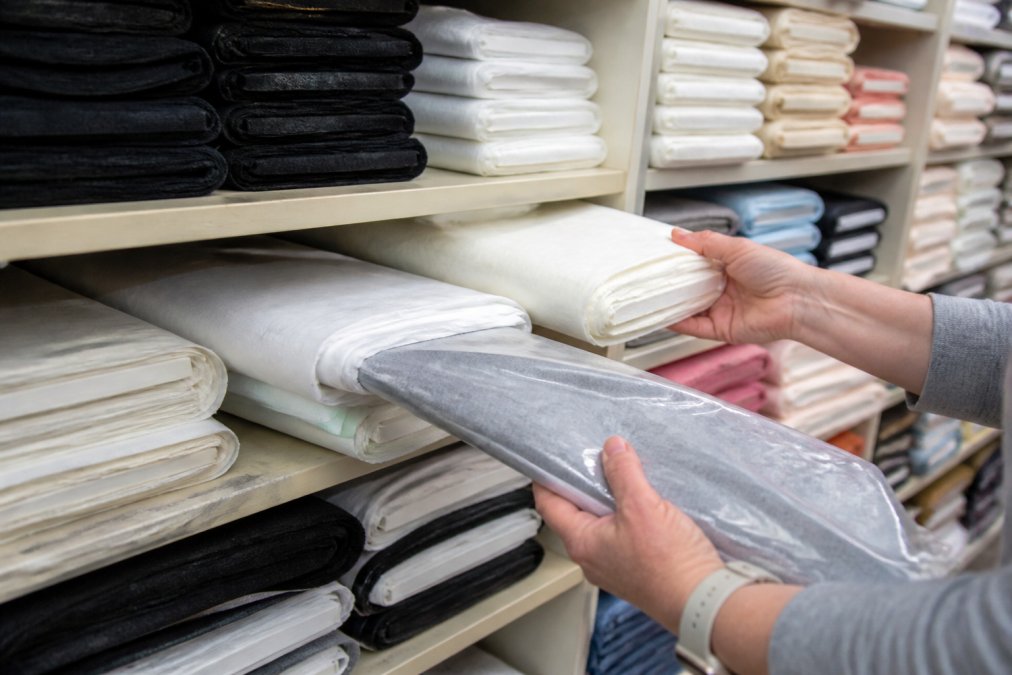
The difference extends to customer service. Specialty retailers answer questions about which interfacing works best for your specific project. General marketplaces offer product pages and customer reviews, but lack the expertise to guide choices. A quilter with a specific problem, say, preventing puckering on lightweight silk, benefits enormously from a retailer who understands that lightweight fusible interfacing and careful pressing technique solve the issue together.
Inventory consistency matters too. Specialty retailers maintain stock of core products because they understand which items sewists need repeatedly. You can order the same interfacing month after month with confidence it will be available. General marketplaces sometimes discontinue items without warning, leaving you searching for alternatives mid-project.
Bulk Purchasing and Wholesale Options for Home Sewers
Serious quilters and professional sewists often reach a point where retail quantities become inefficient. Buying interfacing by the yard or in small bolts works for occasional projects, but someone making multiple quilts annually faces rising costs and storage challenges.
Bulk purchasing options exist for home sewers, though they differ from traditional wholesale accounts. Many specialty retailers offer bulk discounts on bolt purchases. Buying a full 25-yard bolt of HeatnBond interfacing costs significantly less per yard than purchasing by the yard. For quilters working on large-scale projects or producing multiple pieces annually, this approach reduces costs.

Some online retailers partner with distributors who sell to home sewers in semi-bulk quantities. These options split the difference between retail and wholesale, you buy larger quantities than typical retail but smaller than a full commercial account. Pricing tiers usually activate at specific purchase thresholds, rewarding committed customers without requiring business licensing or minimum order quantities.
Storage becomes the practical constraint. A 25-yard bolt takes significant closet space, and interfacing degrades if stored in humid conditions or direct sunlight. Home sewers must balance bulk savings against realistic storage capacity and project timeline. Buying a year's worth of interfacing makes financial sense only if you'll use it within that timeframe.
Professional quilters and embroidery artists often establish wholesale relationships directly with manufacturers or authorized distributors. This requires business documentation and typically involves minimum order quantities, but pricing drops dramatically at volume.
Shipping, Inventory Availability, and Cost-Effectiveness
Shipping logistics often determine whether online shopping saves money or adds cost. Interfacing is lightweight relative to its volume, making shipping costs reasonable for most orders. A 25-yard bolt of interfacing costs $5-10 to ship via standard ground delivery, which is typically included in free shipping thresholds.
Inventory availability varies significantly across retailers. Specialty online shops maintain deeper stock of core products because their business model depends on selection. Popular items like HeatnBond Firm White and Pellon stabilizers are usually in stock with quick shipping. Specialty items, heat-moldable interfacing or eco-friendly options, may require longer lead times or special orders.
Linda's Electric Quilters maintains strong inventory of professional-grade interfacing, often shipping within 24 hours for in-stock items. The Heat Moldable Double Sided Fusible Plus Stabilizer at $14.39 and the StitchnSew Pattern Material Non-Woven Sew-In at $5.49 exemplify the range available, from specialty applications to everyday notions.
Cost-effectiveness depends on comparing total cost, product price plus shipping, against local alternatives. A specialty interfacing that costs $15 online plus $5 shipping ($20 total) often costs $18-22 at a local store when you factor in gas and time. Online shopping wins on selection almost always, but price advantage varies by product and location.
General craft chains compete primarily on price for common items but cannot match selection for specialty products. They're convenient for emergency purchases when you need interfacing today, but online retailers offer better value for planned projects where you have time to wait for delivery.
Sustainability and Eco-Friendly Interfacing Choices
Environmental consciousness increasingly influences craft supply choices. Sewists seeking sustainable options face limited selection at big-box retailers, which stock primarily conventional polyester interfacing. Online specialty retailers increasingly carry eco-friendly alternatives that appeal to environmentally aware crafters.
Sustainable interfacing options include organic cotton fusible interfacing (made from cotton grown without synthetic pesticides), recycled polyester stabilizers, and plant-based adhesive formulations. These products cost more than conventional interfacing but appeal to sewists who prioritize environmental impact.
The sustainability conversation extends beyond material. Buying from online specialty retailers often means purchasing from smaller businesses with lower environmental footprints than large retailers. Direct-to-consumer models reduce packaging waste and transportation inefficiency compared to distribution through big-box chains.
Research from Gurukula Kangri University's study on sustainable handicrafts demonstrates that consumers increasingly seek eco-friendly craft materials and that digital marketing effectively communicates sustainability attributes. Online retailers better serve this market segment through detailed product information and targeted marketing to environmentally conscious buyers.
The trade-off is availability. Eco-friendly interfacing remains niche, not all online retailers stock it, and selection is limited compared to conventional options. Specialty retailers focused on sustainable materials often maintain these products, but you may need to search beyond general craft retailers.
Finding reputable online shops that carry a wider variety of interfacing than local big-box craft stores transforms your sewing and quilting experience. Specialty online retailers solve the inventory problem through curated selection, expert guidance, and direct sourcing from manufacturers. Whether you need basic fusible interfacing for everyday projects or specialty stabilizers for advanced techniques, online shops deliver options that physical stores simply cannot stock.
Linda's Electric Quilters provides the selection serious sewists demand. With extensive inventory of professional-grade interfacing from trusted brands, detailed product specifications, and expert resources through the Crafters Roundtable podcast, you gain access to supplies and knowledge that elevate your craft. Shop now and discover why dedicated quilters and sewists choose specialized online retailers for their notions and interfacing needs.
=== FAQ ANSWERS (audit these too, same rules) ===
[1] Q: How do I choose the right weight of interfacing for my fabric? A: Interfacing weight should match your fabric weight and project purpose. Lightweight interfacing works with delicate fabrics like silk and lightweight cotton, while medium-weight suits standard quilting cottons and garment construction. Heavy-weight interfacing provides firm support for structured projects like bags and tailored garments. Check your pattern instructions first, then examine your fabric, if it's thin and drapes, use lightweight; if it's sturdy, medium or heavy-weight works better. Online shops like Linda's Electric Quilters carry all weight options so you can compare and select precisely what your project needs.
[2] Q: Can I find specialized fusible and sew-in interfacing online that isn't available in stores? A: Yes. Online specialty retailers stock far more variety than brick-and-mortar locations. Big-box stores typically carry only 5-10 basic interfacing options, while reputable online shops offer 30-50+ types, including niche products like clear-fuse for appliqué, foam stabilizers for bags, and specialty sew-in materials for tailoring supplies. Linda's Electric Quilters, for example, stocks HeatnBond firm, medium-weight, and woven interfacing alongside Pellon Clear-Fuse and specialty foam options, giving you access to professional-grade materials home sewers rarely find locally.
[3] Q: Are online fabric stores more cost-effective for bulk interfacing purchases? A: Often yes, especially for large projects. Online retailers buy in higher volumes, allowing them to offer better per-yard pricing on bolts compared to small retail packages. A 25-yard bolt of HeatnBond Firm White costs $57.59 at Linda's Electric Quilters, roughly $2.30 per yard, versus buying small pre-cut packages at big-box stores, which can run $3-5 per yard. Wholesale accounts and bulk options through specialized online shops provide even deeper discounts for serious quilters and professional sewists, making online sourcing the smarter choice for large-scale projects.
[4] Q: What brands of interfacing do professional tailors and quilters prefer? A: Professional-grade materials like HeatnBond and Pellon dominate the market because they deliver consistent quality and durability. HeatnBond products form bonds three times stronger than traditional fusible web without adding weight or stiffness, making them ideal for garment construction and detailed quilting work. Pellon's Clear-Fuse excels in appliqué and craft projects. Most professionals choose fusible interfacing for speed and reliability, though sew-in options remain essential for delicate or heirloom garments. Online specialty retailers stock these trusted brands in full range of weights and types, whereas big-box stores typically carry only entry-level alternatives.
Frequently Asked Questions
How do I choose the right weight of interfacing for my fabric?
Interfacing weight should match your fabric weight and project purpose. Lightweight interfacing works with delicate fabrics like silk and lightweight cotton, while medium-weight suits standard quilting cottons and garment construction. Heavy-weight interfacing provides firm support for structured projects like bags and tailored garments. Check your pattern instructions first, then examine your fabric, if it's thin and drapes, use lightweight; if it's sturdy, medium or heavy-weight works better. Online shops like Linda's Electric Quilters carry all weight options so you can compare and select precisely what your project needs.
Can I find specialized fusible and sew-in interfacing online that isn't available in stores?
Yes. Online specialty retailers stock far more variety than brick-and-mortar locations. Big-box stores typically carry only 5-10 basic interfacing options, while reputable online shops offer 30-50+ types, including niche products like clear-fuse for appliqué, foam stabilizers for bags, and specialty sew-in materials for tailoring supplies. Linda's Electric Quilters, for example, stocks HeatnBond firm, medium-weight, and woven interfacing alongside Pellon Clear-Fuse and specialty foam options, giving you access to professional-grade materials home sewers rarely find locally.
Are online fabric stores more cost-effective for bulk interfacing purchases?
Often yes, especially for large projects. Online retailers buy in higher volumes, allowing them to offer better per-yard pricing on bolts compared to small retail packages. A 25-yard bolt of HeatnBond Firm White costs $57.59 at Linda's Electric Quilters, roughly $2.30 per yard, versus buying small pre-cut packages at big-box stores, which can run $3-5 per yard. Wholesale accounts and bulk options through specialized online shops provide even deeper discounts for serious quilters and professional sewists, making online sourcing the smarter choice for large-scale projects.
What brands of interfacing do professional tailors and quilters prefer?
Professional-grade materials like HeatnBond and Pellon dominate the market because they deliver consistent quality and durability. HeatnBond products form bonds three times stronger than traditional fusible web without adding weight or stiffness, making them ideal for garment construction and detailed quilting work. Pellon's Clear-Fuse excels in appliqué and craft projects. Most professionals choose fusible interfacing for speed and reliability, though sew-in options remain essential for delicate or heirloom garments. Online specialty retailers stock these trusted brands in full range of weights and types, whereas big-box stores typically carry only entry-level alternatives.
This article was written using GrandRanker