
Table of Contents
- How Premium Quilting Thread Construction Prevents Fraying
- The Role of Fiber Quality and Long-Staple Cotton in Stitch Integrity
- Thread Weight Guide for Quilters: Choosing the Right Thickness
- Glide Thread Benefits and Smoothness in Machine Quilting
- How to Prevent Thread Breakage in Sewing Machines
- Needle Size, Thread Path, and Tension Adjustments That Matter
- Why Natural Cotton Outperforms Synthetic Threads for Fraying Prevention
- Frequently Asked Questions
Last Updated: September 18, 2026
How Premium Quilting Thread Construction Prevents Fraying
Premium quilting thread prevents fraying through superior fiber construction that withstands the mechanical stress of needle penetration and fabric movement. According to YLI Threads educational seminar findings, 98% of common thread problems can be solved through proper thread selection, needle choice, and tension adjustments. This statistic underscores a critical truth: the thread itself carries enormous responsibility for stitch integrity.
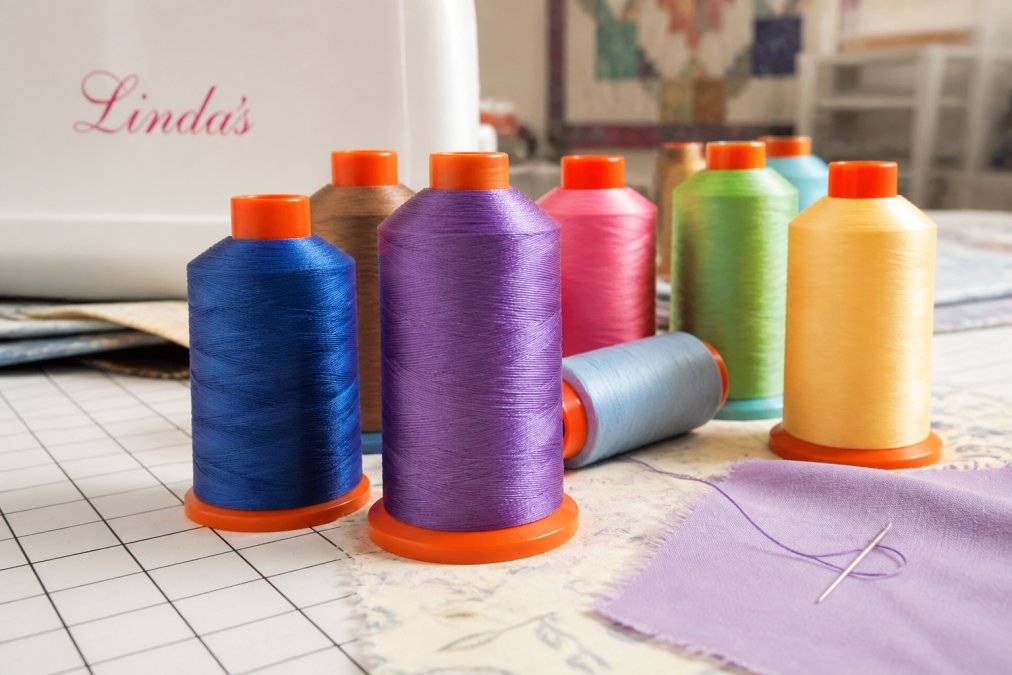
Quilters often blame their machines or skills when the real culprit is substandard thread. Premium quilting thread is engineered with tightly twisted fibers that resist splitting during the piercing action of the needle. The 2-ply construction of quality threads like Aurifil's 50wt cotton creates a unified strand that holds together under tension, whereas cheaper threads with loose twists fray almost immediately under the same conditions.

The difference becomes visible under scrutiny. High-quality thread maintains consistent diameter throughout its length, meaning the needle eye encounters uniform resistance. Budget thread exhibits diameter variation, thick spots and thin spots, forcing the needle to work unevenly. This inconsistency triggers the fraying cascade: the needle catches a thin section, the filaments separate, and what began as a minor weakness becomes visible thread breakage in your quilt.
The Role of Fiber Quality and Long-Staple Cotton in Stitch Integrity
Long-staple cotton fibers are the foundation of thread that doesn't fray. These longer individual fibers, measured in fiber length, can be twisted together more tightly, creating denser, more cohesive thread. Missouri Star Quilt Co.'s thread guidance identifies long-staple fibers as the critical factor in producing stronger, lower-lint thread that resists breakage during machine quilting.
The contrast between short-staple and long-staple cotton is dramatic. Short-staple fibers are inherently weaker and require looser twisting to prevent breakage during manufacturing. This loose twist leaves gaps in the thread structure, weak points where the needle's pressure causes immediate separation. Long-staple fibers, conversely, tolerate aggressive twisting without damage, allowing manufacturers to pack more fiber into each strand. The result is a thread with superior tensile strength that resists the shearing forces inside your needle.
Mercerized cotton represents another advancement in fiber quality. The mercerization process chemically treats cotton fibers to increase their strength and luster. This treatment closes the fiber's surface, reducing its absorbency and making it more resistant to snagging on machine components. When you use mercerized long-staple cotton thread, like the Aurifil 50wt available at Linda's Electric Quilters, you're combining two protective mechanisms: the inherent strength of long fibers plus the surface durability of mercerization.

Lint buildup inside your machine is often a direct signal that your thread is shedding. Short-staple threads generate excessive lint because loose fibers escape during thread movement through the needle eye and tension discs. Premium long-staple thread produces minimal lint, keeping your needle plate and bobbin area cleaner, which prevents the mechanical jams that trigger more severe fraying and breakage.
Thread Weight Guide for Quilters: Choosing the Right Thickness
Thread weight determines how the thread interacts with your needle and fabric layers. The weight scale runs counterintuitively: higher numbers mean thinner thread. A 50wt thread is thinner than 40wt, and 40wt is thinner than 30wt. For most machine quilting, 50wt is the standard because it provides the optimal balance between tensile strength and needle compatibility.
Thinner thread (higher numbers like 60wt or 80wt) creates less friction as it passes through the needle eye, reducing heat buildup and the risk of thread degradation. However, thinner thread is also more fragile and prone to breakage under tension. Thicker thread (lower numbers like 30wt or 28wt) provides more substance in your stitch but demands larger needle eyes and creates more friction during passage. The friction generates heat, which weakens thread fibers and accelerates fraying.
For most quilters, 50wt cotton thread represents the sweet spot. It's strong enough to withstand normal machine tension without breaking, yet thin enough to pass smoothly through standard quilting needles without excessive friction. The Aurifil 50wt threads at Linda's Electric Quilters offer 1,422 yards per spool, providing ample yardage for large projects while maintaining consistent performance throughout your stitching.

Specialty weights serve specific purposes. Topstitch needles accommodate thicker thread (28wt to 40wt) for decorative stitching where you want visible thread presence. Free-motion quilting often benefits from 40wt thread when you're working at slower speeds and have full control over tension. The key is matching thread weight to needle size, a topic we'll address in detail below.
Glide Thread Benefits and Smoothness in Machine Quilting
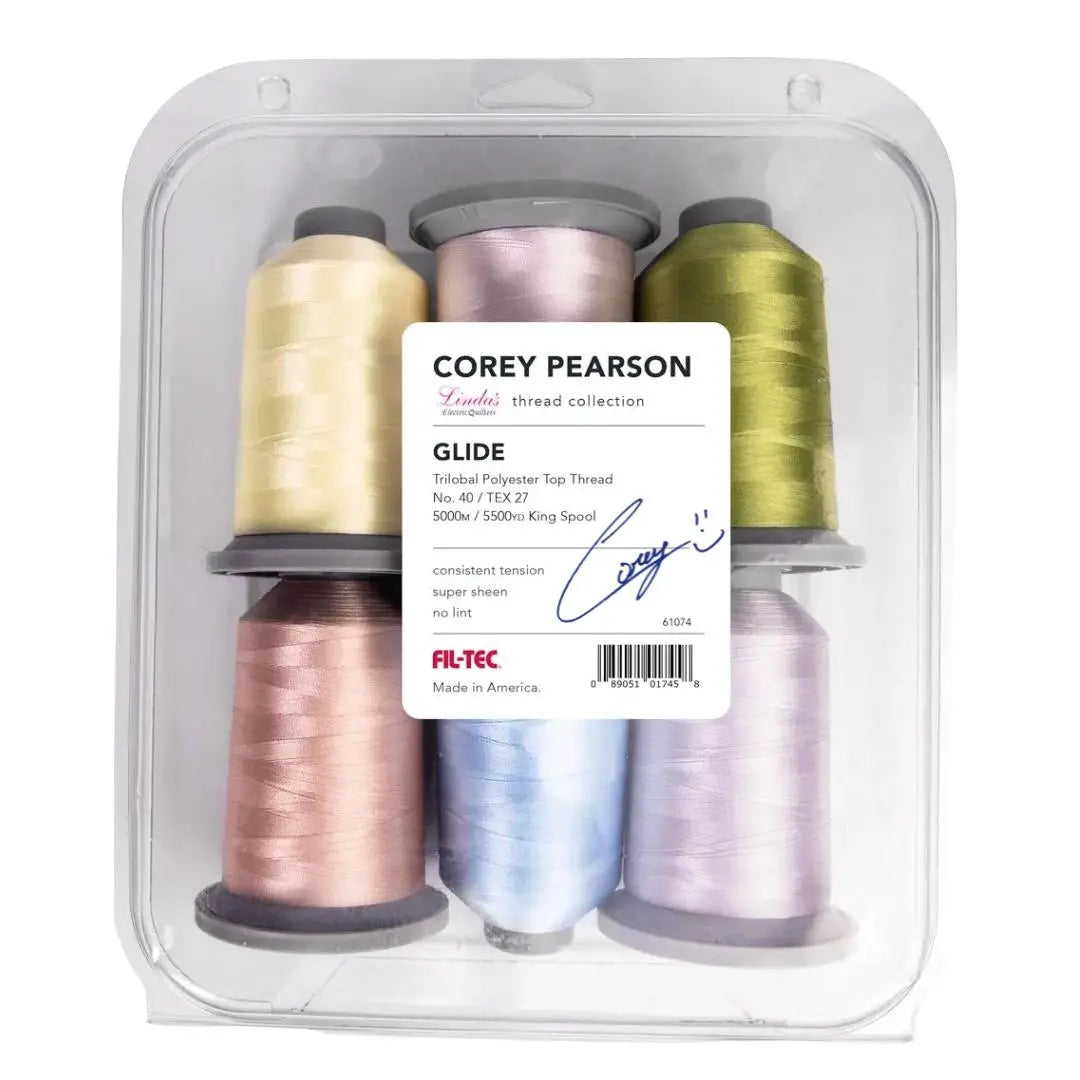
Glide thread benefits quilters by providing exceptional smoothness that reduces friction throughout the thread path. Glide is a polyester-based thread with a polished surface that slides effortlessly through tension discs, guides, and the needle eye. This smoothness directly prevents fraying because less friction means less heat, and less heat means the thread's structural integrity stays intact.
The glide thread benefits extend beyond fraying prevention. The smooth surface reduces shredding at the needle eye, that frustrating phenomenon where you see loose fibers coming off the thread as it enters the needle. Smoother thread also produces more consistent stitch tension because it moves predictably through your machine's tension system. Inconsistent tension is a hidden cause of fraying: tight tension on some stitches and loose tension on others creates variable stress on the thread, causing weak points where fraying initiates.
2026 Chalk Aurifil Cotton 50wt Large →
However, glide thread is polyester, not cotton. For quilters committed to 100% cotton quilts, glide represents a compromise. Cotton thread offers superior color vibrancy and a more traditional aesthetic, while glide offers mechanical performance. Many quilters use glide for piecing, where thread visibility matters less, and switch to premium cotton for quilting where the thread becomes part of the visual design.
The smoothness factor matters most during high-speed machine quilting. At 3,000+ stitches per minute, friction becomes a real problem. Premium smooth threads handle this speed better than rough, loosely-twisted alternatives. If you're doing free-motion quilting at moderate speeds (1,500-2,000 SPM), the smoothness benefit is less critical, but it still helps.
How to Prevent Thread Breakage in Sewing Machines
Preventing thread breakage requires attention to the entire thread path, not just the needle. Thread moves from the spool through multiple guides, tension discs, and finally through the needle eye. A single obstruction anywhere along this path can cause fraying and breakage.
Start with spool orientation. The spool should sit on the spindle with the thread unwinding naturally, not fighting against the spool's rotation. If thread unwinds against resistance, it experiences unnecessary tension before it even reaches the tension discs. This pre-tension weakens the thread and makes it vulnerable to fraying during the needle's piercing action.
Next, check your needle. A bent, dulled, or incorrectly sized needle is the most common cause of thread breakage. The needle should be straight (hold it against a flat surface to verify), sharp (a burr-free eye with no rough spots), and appropriately sized for your thread weight. A needle that's too small for your thread forces the thread to bend sharply as it enters the eye, creating stress points where fraying begins.
Clean your machine's thread path regularly.
Needle Size, Thread Path, and Tension Adjustments That Matter
The needle-to-thread ratio is the fundamental principle governing thread performance. Your needle size must accommodate your thread weight without forcing the thread into the eye at an angle. A thread that bends sharply entering the needle eye experiences immediate stress and begins fraying before the needle even pierces fabric.
Why Natural Cotton Outperforms Synthetic Threads for Fraying Prevention
Natural cotton thread outperforms synthetic alternatives for fraying prevention because cotton fibers naturally resist the specific stresses that cause thread separation. Cotton's crystalline structure provides inherent stiffness that helps filaments stay together when squeezed by the needle eye. Synthetic fibers like polyester are more plastic, they deform under pressure rather than resisting it, which allows individual filaments to slip past each other and fray.
Frequently Asked Questions
What makes premium quilting thread better at preventing fraying than regular thread?
Premium quilting thread is constructed from long-staple fibers like 100% Mako cotton, which creates stronger, smoother filaments that resist abrasion as they pass through the needle eye and tension discs. According to industry research, 98% of common thread problems can be solved through proper thread selection, needle choice, and tension adjustments. The superior fiber construction of premium thread minimizes lint buildup and reduces the mechanical stress that causes fraying during machine quilting.
How does thread weight affect fraying and breakage in quilting?
Thread weight determines the thread's diameter and how it interacts with your machine's tension discs and needle eye. A 50wt thread, like Aurifil's popular cotton option, is thin yet strong, creating remarkably flat seams with reduced tension stress. Heavier threads (like 40wt) can create too much friction in the needle, while lighter threads may lack tensile strength. Matching the correct thread weight to your needle size prevents excessive tension that leads to shredding and fraying during free-motion quilting.
Does thread lint really cause fraying and tension problems?
Yes. Low-quality threads shed lint as they pass through your machine, and this debris accumulates in the tension discs, needle plate, and thread guides, causing inconsistent tension and increased friction. Premium threads made from long-staple fibers produce significantly less lint, which maintains consistent tension throughout your project and prevents the mechanical stress that leads to thread breakage and fabric fraying. Proper thread-path optimization and regular machine maintenance work together with high-quality thread to eliminate this issue.
Should I use cotton or polyester quilting thread to prevent fraying?
Natural cotton thread, especially 100% Mako cotton like Aurifil, offers excellent fraying prevention due to its abrasion resistance and ability to maintain consistent tension as it moves through the needle and quilt sandwich. Cotton's inherent properties help it withstand the friction of machine quilting without shredding. While polyester offers durability, it can be slippery and prone to tension inconsistencies. For many quilters, premium cotton thread delivers reliable stitch integrity and fraying prevention.