Why Serious Quilters Choose Wool
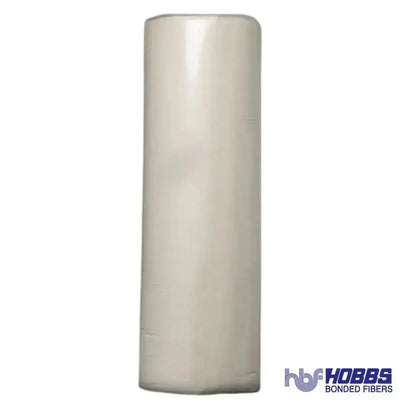
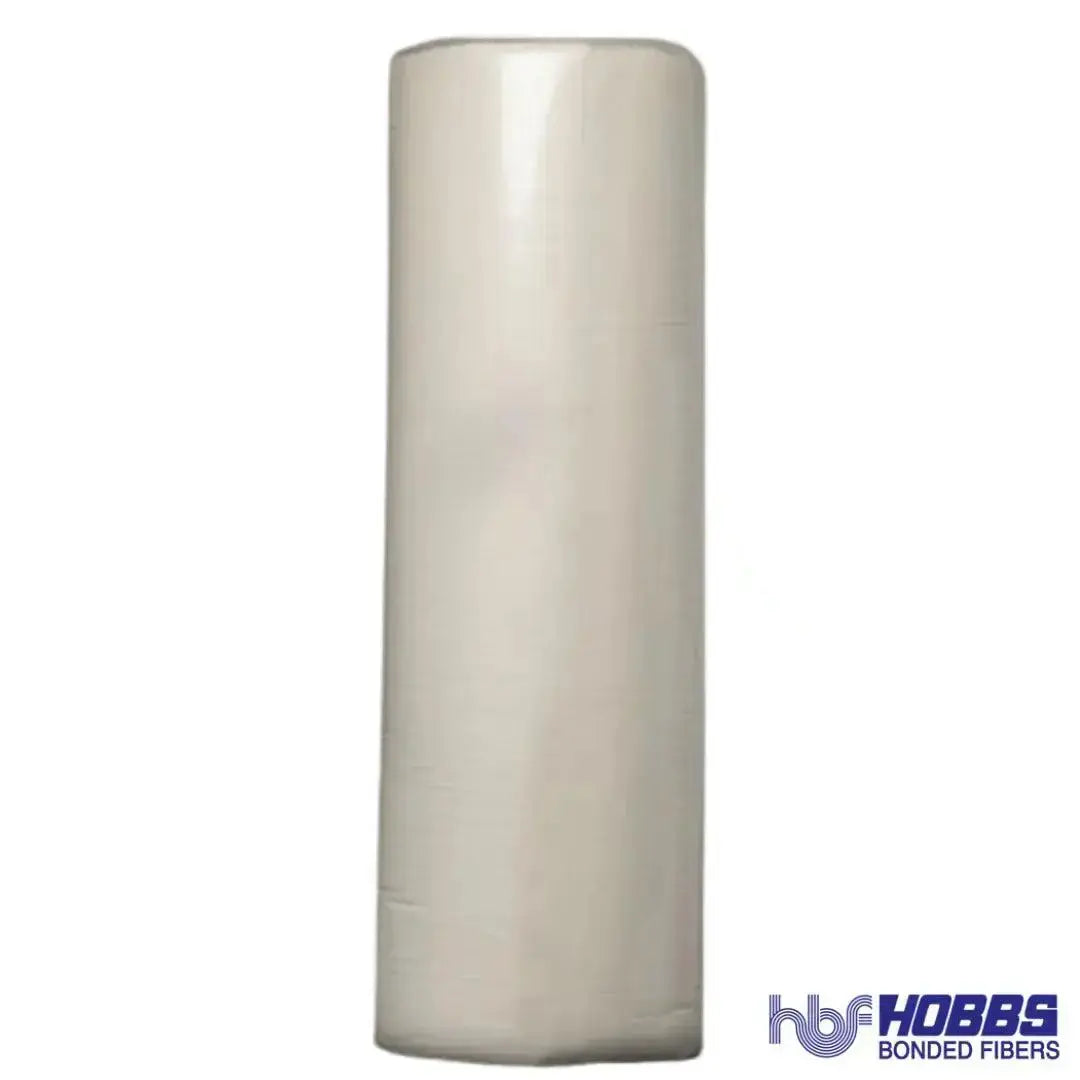
Wool batting is not for every quilt -- but for the quilt it is right for, nothing else comes close. The Hobbs Heirloom Wool Batting 108 inch wide roll is one of the finest batting products available for longarm quilters who want exceptional warmth, extraordinary drape, and the distinctive needle-glide that makes both hand and machine quilting feel effortless. If you have never quilted with wool batting, this guide will explain why so many experienced quilters consider it their premium choice for heirloom and special-occasion work. To compare fibres before committing, start with the Hobbs sample packs; for the cotton-blend workhorses, see the 80/20 Heirloom 96 inch guide and other specialty battings including Bigelow wool.
What Is the Hobbs Heirloom Wool Batting?
Hobbs Heirloom Wool is processed from fine, clean wool fibers that have been scoured, carded, and needle-punched into a consistent, stable batting layer. There is no scrim, no bonding agents, and no synthetic filler -- just pure wool, processed to Hobbs's quality standards. The 108 inch width covers large queen and most king tops without seaming, making it practical for full-size longarm work.
Wool is a natural protein fiber with unique structural properties. Each wool fiber has a microscopic scale structure that traps air exceptionally well, producing outstanding insulation with minimal weight. This is why a wool-filled quilt feels dramatically warmer than a cotton quilt of the same thickness -- and why wool quilts are a perennial favorite in cold-weather climates and as winter bed quilts.
What Makes Wool Batting Different
- Warmth-to-weight ratio -- Wool provides more warmth per ounce than any other natural batting fiber. A thin wool batting quilted at moderate density produces a bed quilt warm enough for cold winters without the weight of a heavy cotton or polyester filling.
- Extraordinary drape -- Wool drapes with a softness and fluidity that cotton and polyester cannot replicate. Finished wool-filled quilts pool and fold like fabric rather than holding a stiff shape.
- Natural moisture management -- Wool fibers absorb and release moisture vapor without feeling damp, making wool quilts naturally breathable and comfortable through the night.
- Needle-glide for hand quilting -- Wool batting pulls a hand needle through so smoothly and effortlessly that many hand quilters will use nothing else for fine hand work. The fiber structure simply does not resist the needle the way cotton does.
- Natural resilience -- Wool fibers spring back beautifully after compression. A wool quilt that has been folded and stored will relax and loft back to its original fullness within hours.
Top 10 Uses for Hobbs Heirloom Wool Batting 108 Inch
- Winter Bed Quilts -- The primary use case. A wool batting produces a bed quilt that is genuinely warm without being heavy or stuffy.
- Heirloom and Competition Hand Quilting -- The effortless needle-glide makes wool the preferred batting for finest hand quilting work.
- Show Quilts with Exceptional Drape -- Competition quilts that hang at shows benefit from wool's graceful drape and fluid movement.
- Art Quilts with Sculptural Drape -- Wool-filled art quilts fold, pool, and hang with organic grace that synthetic battings cannot produce.
- Holiday Quilts and Throws -- Seasonal quilts used during cold-weather months benefit from wool's warmth and natural breathability.
- Whole-Cloth Quilts on Fine Fabric -- Wool batting supports fine silk and cotton whole-cloth quilts with exceptional drape and a luxurious hand feel.
- Baby Quilts for Cold Climates -- Lightweight warmth without bulk makes wool an excellent choice for baby quilts in cold-weather regions.
- Wedding and Heirloom Quilts -- The premium nature of wool batting signals quality in a way that adds to the meaning of a quilt made for a special occasion.
- Longarm Custom Work for Discerning Customers -- Offering wool batting as an upgrade option at your longarm studio is a legitimate premium service that many customers will pay for.
- Quilts Destined for Dry or Mountainous Climates -- Wool performs especially well in dry climates where its moisture management properties help maintain comfort through temperature swings.
What Wool Batting Pairs Well With
Thread
Fine cotton thread is the classic partner for wool batting. The cotton thread and wool batting share natural fiber affinity, and the combination produces a soft, integrated finish that is particularly beautiful in hand quilting. For machine quilting on wool, fine 60wt or 80wt polyester threads (Superior Bottom Line, Fil-Tec Magna Glide Delights) produce excellent results with minimal friction. Avoid very heavy thread weights on fine wool battings.
Fabric
Wool batting is exceptional under fine cotton, silk, and wool-blend quilt tops. It is particularly well-suited to batiks, fine hand-dyed fabrics, and high-thread-count cottons where drape and touch are part of the design intention. The fiber weight and density are well-matched to finer fabrics -- pairing wool batting with coarse or heavy fabrics is technically fine but does not fully utilize the batting's qualities.
Backing
Flannel backings complement wool batting beautifully, adding warmth and softness to the hand feel of the finished quilt. Wide-back cotton flannel in 108 inch width pairs perfectly with this batting for a supremely cozy finished product.
Care and Washing Wool-Filled Quilts
Wool requires gentle care to prevent felting and shrinkage. Machine wash on the wool or delicate cycle in cool water with a wool-safe detergent (Eucalan, Soak). Do not agitate or wring. Lay flat to dry or dry on low heat in a large-capacity dryer with wool dryer balls. Avoid high heat, which can cause irreversible felting. Dry cleaning is also safe and appropriate for heirloom wool quilts. With proper care, a wool-filled quilt will last for generations.
Frequently Asked Questions
Will wool batting trigger wool allergies?
Wool allergies are rare -- most sensitivities attributed to wool are actually reactions to the lanolin in poorly processed wool or to the coarse texture of low-grade fiber. Hobbs Heirloom Wool is processed from fine-grade wool with lanolin largely removed. Most people with wool sensitivity tolerate this batting without issue when it is enclosed inside the quilt sandwich. If severe wool allergy is a concern, the cotton or 80/20 battings are the safer choice.
Does wool batting beard through fabric?
Fine wool fibers can migrate through loosely woven fabrics over time, similar to other natural fiber battings. Pairing wool batting with tightly woven fabrics (thread count 60 or higher) minimizes this risk significantly.
Can I use wool batting on a computerized longarm system?
Yes. The needle-punched construction is stable enough for computerized longarm work. Use a sharp needle (size 16 to 18), maintain consistent tension, and quilt at moderate speed. Wool batting responds well to machine quilting and produces excellent stitch definition.
How does wool compare to cotton batting for warmth?
Wool is significantly warmer per unit of thickness than cotton. A 4oz wool batting will provide noticeably more warmth than a comparable weight cotton batting. For bed quilts intended as the primary warm layer in cold climates, wool is the clear choice.
Will wool batting felt if I wash the finished quilt?
Needle-punched wool batting is processed to reduce felting risk in normal washing conditions. Follow the gentle care instructions (cool water, wool-safe detergent, no agitation, low or no heat) and felting is not a concern under normal circumstances.
Shop the Hobbs Heirloom Wool Batting 108 Inch Roll
For warmth, drape, and that irreplaceable hand-quilting needle-glide, nothing competes with fine wool batting. Experience the difference for yourself.