Why Interface at All? The Foundation of Professional Results
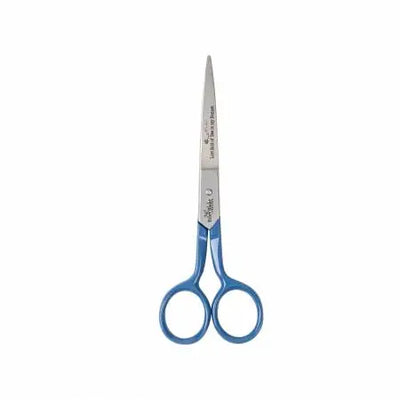
Interfacing is the hidden ingredient in professional-looking bags, garments, and quilting projects. Applied to fabric before construction, interfacing adds body, stability, and structure that the fashion fabric alone cannot provide. Without it, bag handles droop, collar points won't lay flat, and quilt label fabrics shift under applique. With the right interfacing applied correctly, every project looks finished, intentional, and professionally made. Pellon SF101 Shape-Flex is the standard that the quilting and sewing community has relied on for decades. For related stabilizers and notions, see the notions and accessories hub and the Famore Cutlery scissors guide for the cutting tools that pair with precision interfacing work.
What Is Pellon SF101 Shape-Flex?
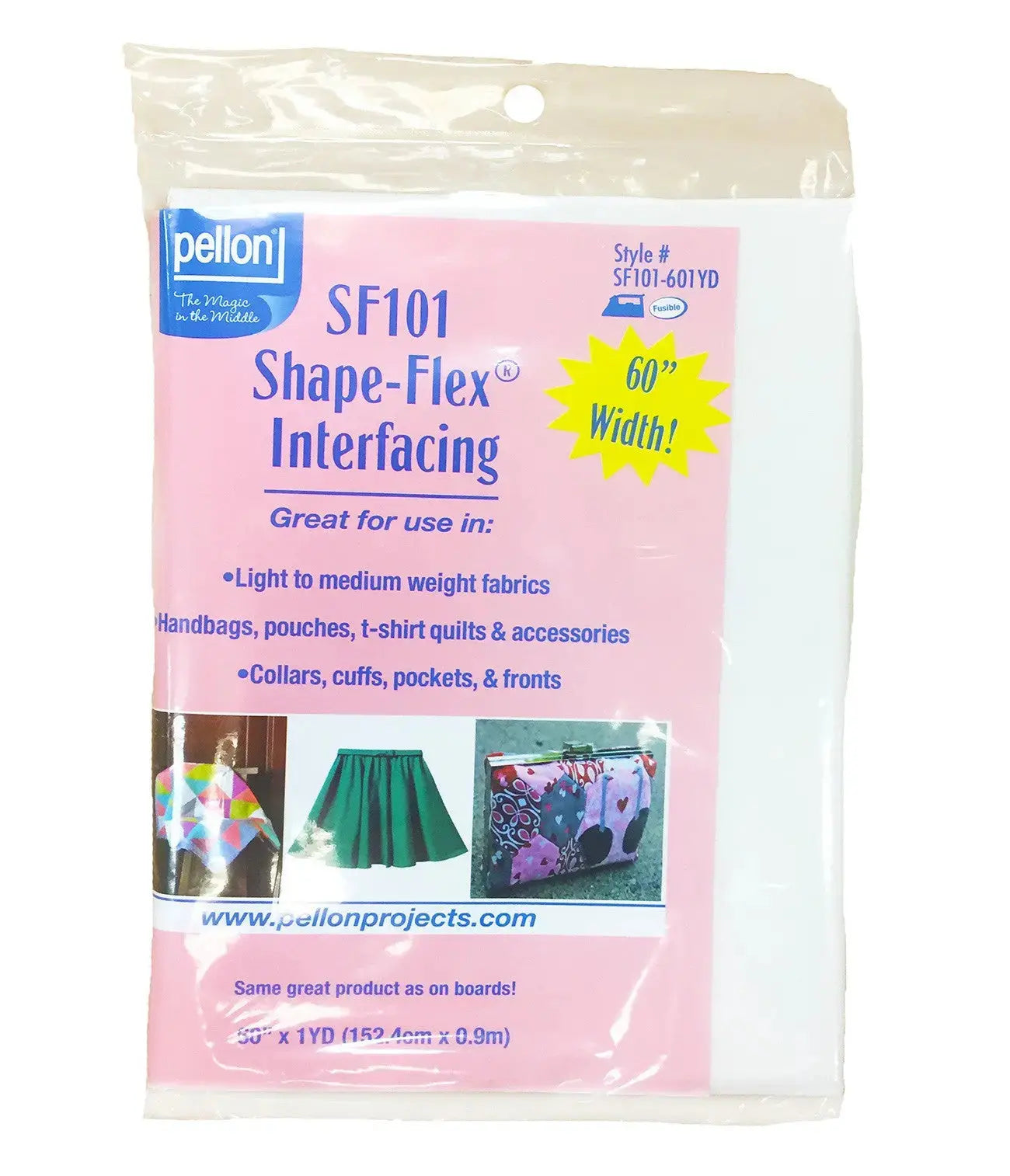
SF101 is a woven fusible interfacing made from 100% cotton. The woven construction means the interfacing has grain lines, stretch behavior, and hand feel that closely mimic fashion fabric. This is the critical difference between woven interfacing and non-woven alternatives: woven interfacing moves with your fabric, drapes naturally, and does not create a stiff, papery feeling in the finished project. The fusible adhesive on one side activates with heat and steam from a household iron, bonding permanently to your fabric surface.
Woven vs. Non-Woven Interfacing: Why It Matters
Non-woven interfacing (like Pellon 911FF) is made from random fiber bonding with no grain structure. It is less expensive and adequate for many applications, but it does not drape like fabric, can feel slightly stiff, and is prone to bubbling or separating at the edges under stress. Woven interfacing like SF101 drapes with the fabric, breathes like cotton, and remains stable through washing and wear. For anything where hand feel and drape matter -- garments, bags, quilt labels, and applique bases -- woven interfacing is the professional choice.
Top 10 Uses for Pellon SF101 Shape-Flex
- Quilt Labels -- Apply SF101 to the back of your label fabric before printing or embroidering to prevent shifting and fraying during the labeling process.
- Tote Bags and Handbags -- Gives bag body panels the structure needed to hold their shape while maintaining a supple, fabric-like hand feel.
- Bag Handles and Straps -- Provides the stability to prevent stretching under load without the rigidity of craft foam alternatives.
- Applique Preparation -- Interface applique fabrics before cutting shapes to stabilize the grain and prevent fraying during fusing and stitching.
- Garment Facings -- The classic use case: collar facings, neckline facings, and cuff interfacing for a crisp, professional finish.
- Quilt Binding -- Some quilters interface binding strips for added body and easier folding on heavy or bulky quilts.
- Zippered Pouches and Organizers -- Adds structure to the outer fabric of zippered accessories while preserving fabric character.
- Wall Hanging Sleeves -- Interface sleeve fabric to prevent sagging and ensure a straight, professional installation.
- Button Plackets and Buttonholes -- Essential for buttonhole stability in garments and bags.
- Foundation for Embroidery and Monogramming -- Stabilizes fabric before embroidery to prevent puckering and shift.
How to Apply SF101 Correctly
Applying woven fusible interfacing correctly makes the difference between a permanent, smooth bond and a bubbled, peeling result. The process is straightforward but unforgiving of shortcuts:
- Pre-wash your fabric if the finished project will be washed. SF101 does not need pre-washing but fabric shrinkage after bonding is irreversible.
- Rough-cut your interfacing slightly larger than your fabric piece.
- Place the interfacing adhesive-side down on the wrong side of the fabric.
- Cover with a damp press cloth.
- Press (do not slide) your iron at the cotton or wool setting for 10 to 15 seconds per section, using firm pressure.
- Let the bonded piece cool completely before moving or trimming to size.
The most common mistake is using insufficient heat, pressure, or time. If the bond feels weak after cooling, re-press with a hotter iron and more time. A proper bond should be firm, flat, and inseparable by hand.
What SF101 Pairs Well With
Fabric Types
SF101 is designed for light to medium-weight woven fabrics: quilting cotton, linen, chambray, light canvas, and similar fabrics. It is generally not recommended for very sheer fabrics (the adhesive may show through), very thick fabrics (insufficient adhesive penetration), or knit fabrics (where a knit-compatible interfacing is the better choice).
Projects
Any project combining structure and drape -- bags, garments, quilting accessories, home dec items. Projects that need to hold their shape through use and washing without feeling stiff. Bag makers should also see our bag sewing patterns guide for project pairings.
Frequently Asked Questions
Is SF101 washable?
Yes. Once properly fused, SF101 is machine washable and dry-cleanable. Follow the care instructions for the fashion fabric, not the interfacing specifically.
What is the 60 inch width used for?
The 60 inch width is the standard for garment sewing, allowing interfacing to be cut on the same grain as garment pieces without seaming. For quilting bag projects, the extra width reduces waste when cutting large panels.
Can I use SF101 on batiks or hand-dyes?
Yes. The cotton woven construction is compatible with any cotton fabric. Test with a scrap first to ensure the iron temperature does not affect any dye treatments in the fabric.
What is the difference between SF101 and Pellon 809 Décor-Bond?
SF101 is a lightweight woven interfacing designed for apparel and soft quilting accessories. Décor-Bond is a heavier non-woven product for structured home dec projects like window treatments and stiff bag panels. Choose SF101 when drape and hand feel matter; choose Décor-Bond when maximum stiffness and structure are the priority.
Does SF101 come in black?
Yes. SF101 is available in white and black. Use black interfacing under dark fabrics to prevent any white adhesive from showing at cut edges or through the fabric.
Shop Pellon SF101 Shape-Flex Interfacing
The interfacing standard that quilters and sewists have trusted for decades. Available by the yard in white.