The Problem With Light Batting Under Dark Quilts
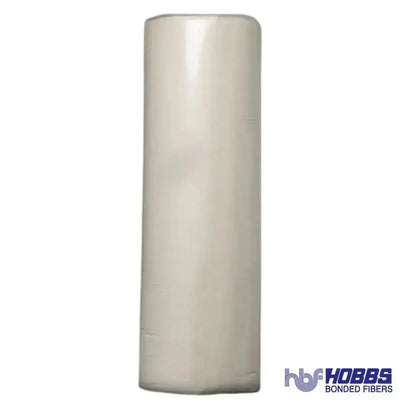
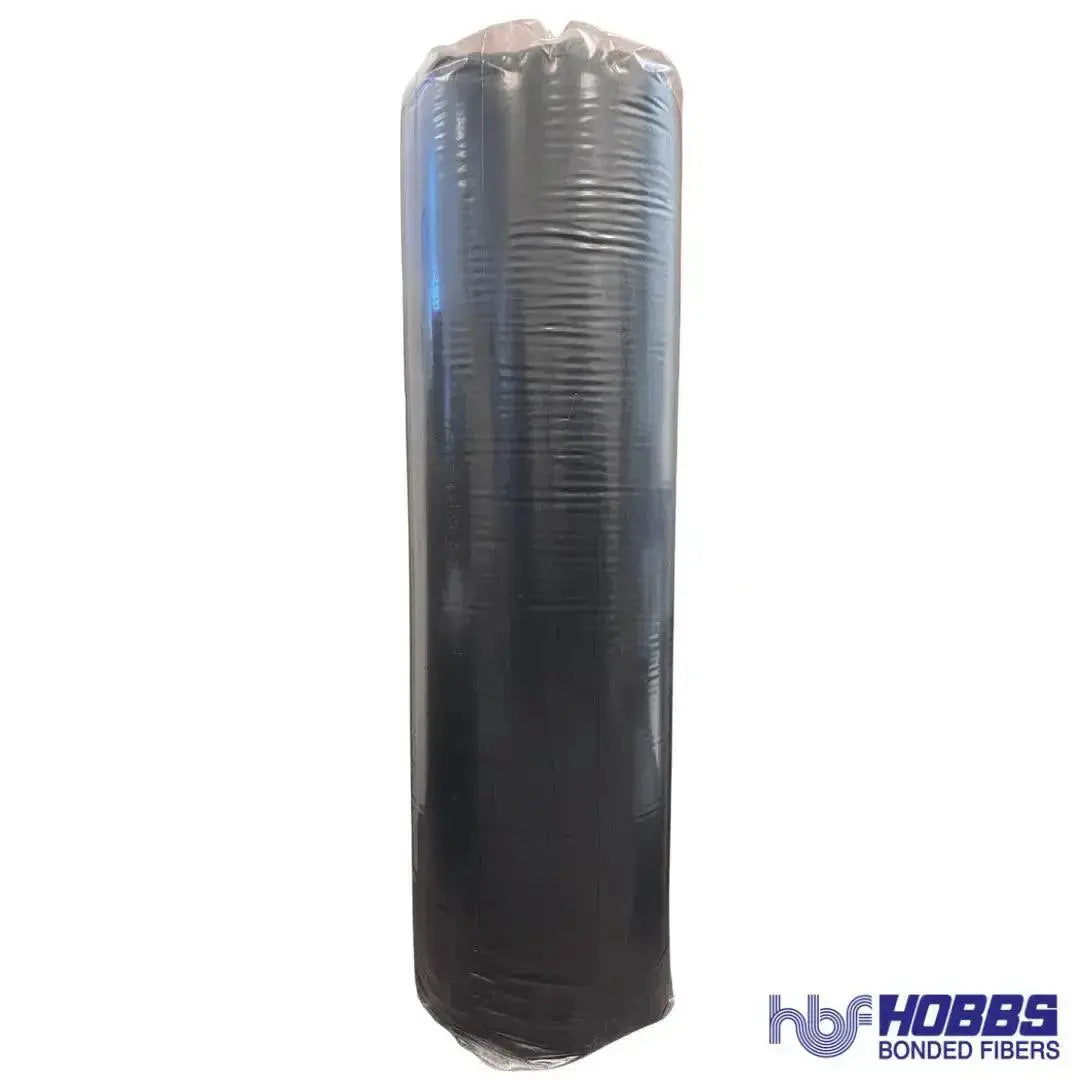
When a natural cream or white batting is used under a quilt with dark or black fabric, the batting can show through the fabric as a faint warm cast, especially in areas of dense quilting where the batting is compressed. More critically, if the fabric frays or develops a tiny hole at a quilting line over time, the white batting fiber becomes visible against the dark fabric -- a jarring contrast that ruins the professional appearance of the finished quilt. The solution is simple: use black batting under dark quilts. The Hobbs Heirloom Black Batting 80/20 108 inch Wide Roll was made exactly for this purpose. It shares the construction of the standard 80/20 Heirloom roll; for the opposite problem -- pure whites under light quilts -- see the bleached 108 inch guide, and to test the range first, the Hobbs sample packs.
What Is the Hobbs Heirloom Black Batting?
This is the same trusted 80/20 Heirloom construction -- 80% cotton, 20% polyester, needle-punched, scrim-free -- but processed with black fiber to match the visual field of dark quilt tops and backings. The fiber quality, loft, drape, and quilting behavior are identical to the standard natural Heirloom product. The only difference is the color, and for dark quilts, that color difference is everything.
At 108 inches wide, it covers large queen tops without seaming -- the practical sweet spot for dark contemporary and modern quilts that often run large.
When to Use Black Batting: Top 10 Scenarios
- Quilts With Black or Very Dark Backgrounds -- The primary use case. Black, deep navy, charcoal, and dark brown backgrounds all benefit from a dark batting underneath.
- Modern Quilts With High-Contrast Dark/Light Design -- Any design where light fabrics are paired with very dark fabrics benefits from black batting to keep the dark areas reading cleanly.
- Minimalist and Graphic Quilts -- Black negative space in modern quilts looks deeper and more intentional over black batting.
- Halloween and Gothic-Themed Quilts -- Thematic dark-palette quilts benefit from the consistent dark base.
- Art Quilts With Dark Color Fields -- Large dark color areas in art quilts look richer and more saturated over black batting.
- Competition Quilts With Dark Backgrounds -- Eliminates any risk of batting show-through under competition lighting, which can be unforgiving.
- Dark Whole-Cloth Quilts -- The batting is the background. Black batting maintains the integrity of deep, rich whole-cloth designs.
- T-Shirt and Memory Quilts With Dark Shirts -- Dark t-shirt fabrics often have significant stretch; black batting behind them prevents any light show-through during display.
- Quilts Using Batiks With Dark Colorways -- Deep batik colors can be semi-transparent; black batting prevents the batting from influencing the color.
- Any Project Where Precision Professional Appearance Matters -- Matching batting color to quilt color is a professional detail that separates studio-quality work from home-level work.
Quilting Black Batting: Practical Tips
Black batting behaves identically to natural Heirloom in terms of quilting performance. However, a few practical adjustments improve the experience. Use a bright, contrasting thread color for basting so it is visible for removal after quilting. For thread selection, black or dark polyester thread (Superior Bottom Line in black, Glide in a dark shade) blends beautifully. For white or light thread designs on dark quilts, the contrast is enhanced by the black batting making the dark fabric look its richest.
What It Pairs Well With
Fabric
Any dark fabric collection benefits from black batting. Moda black basics, Northcott Galaxy, Robert Kaufman Kona Black, and dark batik collections from Island Batik and others all pair naturally with this batting. The visual consistency is immediately noticeable.
Thread
Black, dark gray, and charcoal threads are natural companions. For designs that feature light thread on dark fabric -- silver, white, or metallic -- the black batting behind the dark fabric makes the thread pop more dramatically by maintaining the depth of the background color.
Backing
Black or very dark wide-back fabric backings complete the visual consistency. A black batting with a dark backing creates a quilt sandwich where no light batting can influence the finished appearance from any angle.
Frequently Asked Questions
Does black batting show lint or fiber on finished quilts?
Black batting has similar fiber characteristics to natural Heirloom. In the enclosed quilt sandwich, lint is not a concern. If you are handling cut batting, dark fibers are more visible on light surfaces -- keep your cutting and loading area in mind.
Is black batting harder to work with on the longarm?
No. The quilting behavior is identical to natural Heirloom. There is no difference in feeding, tension, or stitch quality between the black and natural versions.
Do I need to use black thread with black batting?
No. Thread color choice is determined by the quilt design, not the batting color. The batting is enclosed between fabric layers and is not visible in the finished quilt regardless of thread color.
What if I use black batting on a quilt with both dark and light areas?
For quilts with mostly dark fabric and some light accent areas, black batting is still the better choice. The small amount of light fabric over black batting shows minimal batting influence, and the consistent dark batting is far preferable to natural batting showing through the extensive dark areas.
Is this batting available in a 96 inch width?
The black batting is available in 108 inch roll and package formats. Check our site for current width availability as the product line may be updated.
Shop Hobbs Heirloom Black Batting 108 Inch Roll
The professional standard for dark quilt work. When your quilt top goes dark, your batting should too.