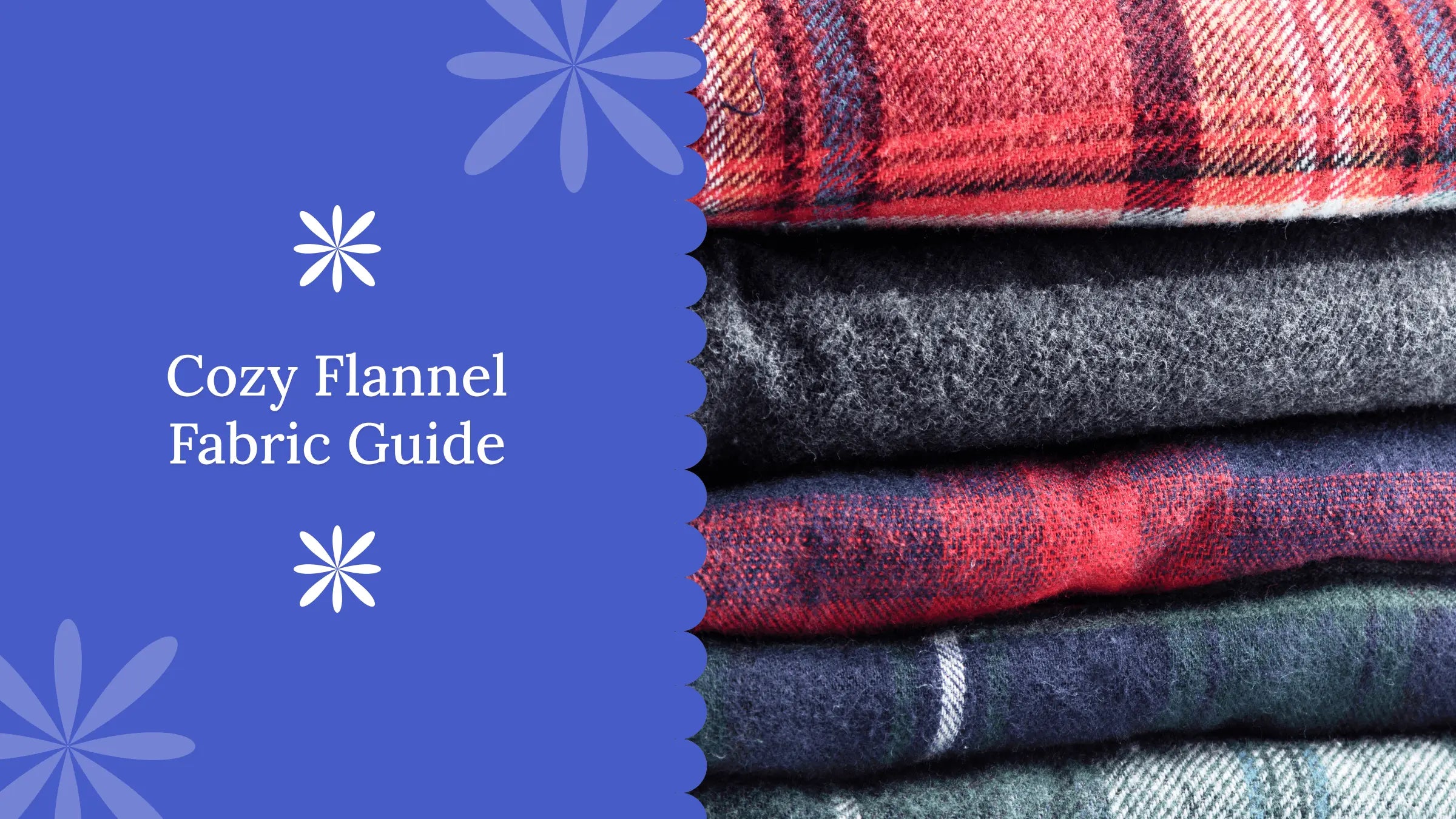
Flannel is one of those fabrics people recognize instantly by touch. It’s known for its soft feel and brushed surface.
In short, this fabric type is made for comfort. That’s why it’s everywhere - from cozy clothing, quilts, and blankets to all kinds of DIY sewing projects.
A lot of sewists search for cheap flannel by the yard, especially when buying in bulk. However, choosing the right flannel takes more than that. The quality, type, and finish should all play a role as you make your decision.
In this guide, we cover what flannel fabric is. We discuss the main flannel types and how to choose the best material for different uses. Moreover, we also tell you about where to buy flannel fabric online. With these tips, you can purchase without second-guessing your choices.
What Is Flannel Fabric?
Flannel is a soft, woven fabric. It is mostly known for its brushed surface. Commonly, flannel is made from cotton, wool, or polyester. For added durability or stretch, some variations include blends.
What Makes Flannel Different from Other Fabrics
Flannel goes through a brushing process. This creates that soft texture that people love.
The brushed feel does a few important things:
-
It traps air to retain warmth.
-
It gives the fabric a slightly fuzzy, comfortable feel.
-
It softens the overall structure, making it more flexible to sew.
Flannel is distinctly more relaxed. It has a natural lived-in softness, even when it’s brand new. It doesn’t have cotton’s crispness or synthetic fabric’s slickness.
Common Uses for Flannel Fabric
Flannel is a versatile fabric.
Sewists often use it for:
-
Pajamas
-
Loungewear
-
Shirts
-
Casual clothing
-
Quilts, quilt backings
-
Baby blankets, receiving blankets
-
Winter accessories
-
Crafts
It’s especially popular for projects where comfort matters just as much as appearance.
Types of Flannel Fabric You Should Know

Cotton Flannel
Cotton flannel is the most common type. It’s generally used for clothing and quilting. The fabric breathes well because of its natural fiber. It also feels comfortable against the skin.
Best of all, it handles washing better than synthetic alternatives. No wonder, it’s a go-to choice for quilter fabric and everyday sewing material.
Flannelette Material
Flannelette is often confused with standard flannel. However, it’s typically a lighter-weight version. Structure-wise, it’s still brushed but is slightly thinner and less bulky.
Flannelette is most ideal for layering or for warmer climates. No wonder, the fabric is often used for sleepwear and lightweight blankets.
Snuggle Flannel Fabric
Snuggle flannel fabric is extremely soft. Usually, it’s brushed more intensely to achieve an extra plush feel. Some versions are slightly denser. You’ll often see it used for baby blankets and throw blankets. If you’re doing comfort-focused quilting projects, this fabric works well.
How to Choose the Best Flannel Fabric for Your Project
1. Consider the Fabric Weight
Flannel comes in different weights. This affects how the fabric feels and behaves.
For example, light flannel is best for pajamas and shirts. Meanwhile, heavy flannel is better for blankets and cold-weather clothing.
Of course, weight likewise impacts drape. Lighter fabrics flow more easily. Heavier ones feel more structured.
2. Check Fabric Quality
This is where many “cheap flannel material” options fall short.
Good-quality flannel should have a tight weave. It should also have consistent brushing and minimal shedding. Meanwhile, high-quality flannel holds its softness longer. It also shrinks more predictably.
3. Choose the Right Flannel for Clothing
You need to pick the flannel type that matches how the garment will be worn. Some projects deserve breathability and drape. Others benefit from added warmth or structure.
The guide below helps you quickly pair common clothing pieces with the most suitable flannel type. With this, you get both comfort and performance in your finished work.
|
Clothing Type |
Recommended Flannel Type |
Why It Works Well |
Notes |
|
Pajamas |
Cotton flannel / Flannelette |
Soft and breathable for sleepwear |
Choose lightweight to medium weight for comfort |
|
Shirts |
Cotton flannel |
Durable with enough structure for everyday wear |
Medium weight works best for shape and layering |
|
Dresses |
Lightweight cotton flannel |
Soft drape with warmth without feeling too heavy |
Look for finer weaves to avoid bulk |
|
Children’s Clothing |
Snuggle flannel / Cotton flannel |
Extra softness for sensitive skin, gentle and cozy |
Prewash to manage shrinkage |
Cheap Flannel Fabric by the Yard: How to Find Good Deals
Finding flannel by the yard cheap doesn’t mean settling for poor quality. It’s really about knowing where to look.
Here are a few ways to save without sacrificing performance:
-
Buy in bulk
Purchasing multiple yards can lower the price per yard. This is especially helpful if you need larger cuts. It ensures you have consistent fabric from the same batch. If you sew often, this strategy can save you more money over time. -
Watch for seasonal sales
Fall and winter are typically the best seasons to stock some fabric. During these months, many retailers run sales or clear out older inventory. High-quality yet cheap flannel products become easier to find and buy. -
Look at fabric remnants
Remnants are smaller fabric cuts sold at cheaper costs. They’re ideal for patchwork and quilting blocks. You can experiment with different prints without committing to full yardage. -
Shop online discounts
Some online fabric shops offer limited-time deals. Plus, they often have a wider product selection compared to physical stores. It’s also easier to compare prices and fabric types when you buy online.
Where to Buy Flannel Fabric Online
Consider these crucial pointers:
What to Look for in an Online Fabric Store
A good shop should provide more than fabric variety.
So, look for:
-
Detailed descriptions (weight, fiber content, use cases)
-
Clear images that show texture and color
-
Wide selection of prints and solids
-
Reliable shipping
-
Consistent stock
Also, take note that you can’t touch the fabric when you shop online. It’s always best to purchase from reliable sources with positive customer reviews.
Benefits of Buying Flannel Fabric by the Yard Online
Buying fabric by the yard online gives you greater control and flexibility.
You get:
-
Access to a wider range of styles and colors
-
Easier comparison between fabric types
-
Availability of specialty quilting fabrics
It also allows you to plan projects precisely. You can order exact yardage instead of relying on pre-cut pieces.
Popular Sewing Projects Using Flannel Fabric

Flannel works across a wide range of projects, from practical to decorative.
Flannel Pajamas
Flannel is a natural choice for sleepwear. It’s comfortable against the skin. Plus, it holds up well with repeated washing.
Tip: Choose a lightweight to medium-weight flannel. Also, prewashing is especially important here. Besides, pajamas are worn close to the body. It helps prevent shrinkage after the garment is finished.
Quilts and Patchwork Projects
Flannel quilts have a distinct softness and warmth. They’re especially popular for rag quilts, winter quilts, and cozy throws. Just keep in mind that flannel adds bulk. In that case, seam planning becomes more important.
Tip: Many quilters prefer using flannel for quilt backing. It creates a warmer, softer finish. Use a walking foot when sewing multiple flannel layers together. It helps feed the fabric more evenly and reduces shifting.
Baby Blankets and Snuggle Blankets
This is where the fabric really shines. Its softness makes it ideal for baby items, especially when using snuggle flannel fabric.
Tip: Many sewists round the edges slightly. This makes blankets easier to bind. A double-layer flannel setup adds extra warmth without needing heavy batting.
Flannel Shirts and Casual Clothing
Flannel shirts need to be comfortable to wear. Cotton flannel works best for this project. This fabric type offers structure without the stiffness.
Tip: When sewing shirts, notice grain alignment. That way, the fabric drapes properly on the body. Use sharp needles to avoid pulling the weave. Press seams frequently to maintain a clean finish, especially around collars and cuffs.
Tips for Sewing with Flannel Fabric

Flannel is a beginner-friendly fabric. However, a few adjustments can make your results much better.
-
Prewash your fabric
Flannel shrinks more than standard quilting cottons. Prewashing avoids uneven sizing after your project is completed. It also softens the fabric and removes excess dye. This is especially important if you’re combining multiple fabrics in a single project. -
Use the right needle
A universal 80/12 needle works well for most flannel projects. If you’re working with thicker flannel or multiple layers, you may need a slightly heavier needle. You may also use fresh needles to prevent skipped stitches and fabric damage. -
Stabilize seams
Flannel can stretch slightly, especially along the grain. Pins or sewing clips help keep layers aligned as you sew. Taking your time here improves overall stitch consistency. -
Expect some lint
Flannel naturally sheds fibers. This commonly happens during cutting and sewing. Regular machine cleaning helps you deal with lint buildup in the bobbin area and tension discs. Also, using quality thread reduces excess lint over time.
Frequently Asked Questions About Flannel Fabric
Is flannel the same as flannelette?
Not exactly. Flannelette is typically a lighter version of flannel. It has a softer, thinner structure. In fact, it’s often used for sleepwear and bedding. On the other hand, standard flannel is slightly heavier and more versatile. Both are brushed fabrics.
Is flannel good for clothing?
Yes. Flannel is excellent for clothing. It’s soft and comfortable against the skin. This makes it ideal for shirts, pajamas, and casual wear. Cotton flannel, in particular, offers a good balance of warmth and breathability. Just be sure to prewash the fabric to account for shrinkage before sewing.
How much flannel fabric do I need for a project?
It depends on your project’s scale. Small ones like baby blankets may only require 1 to 2 yards. Quilts or garments may need several yards more.
In any case, plan your pattern and measure carefully. This can help you avoid running short of flannel mid-project. When in doubt, it’s safer to buy slightly more fabric than you need.
Is flannel good for quilts?
Yes. Flannel is a great choice for quilts. It works well for both quilt tops and backings.
However, it can add greater bulk, compared to standard quilting cotton. Most quilters prefer it for rag quilts or winter quilts because of its unique texture and warmth. With proper handling, it creates a durable, polished result.
Final Thoughts: Choosing the Right Flannel Fabric
Flannel becomes much easier to work with once you understand how they behave. Choosing the right type will help you avoid guesswork.
Quality matters much here. A well-made flannel stays soft and sews more smoothly. More importantly, it holds up better. Your finished project gives a more polished look even after repeated washing.
Buying from a trusted fabric source can definitely make a big difference. Material consistency is a must, especially for quilts, blankets, and multi-fabric projects.
If you’re ready to begin sewing, listen up. Our flannel fabric selection includes multiple options for quilting and other cozy handmade creations.