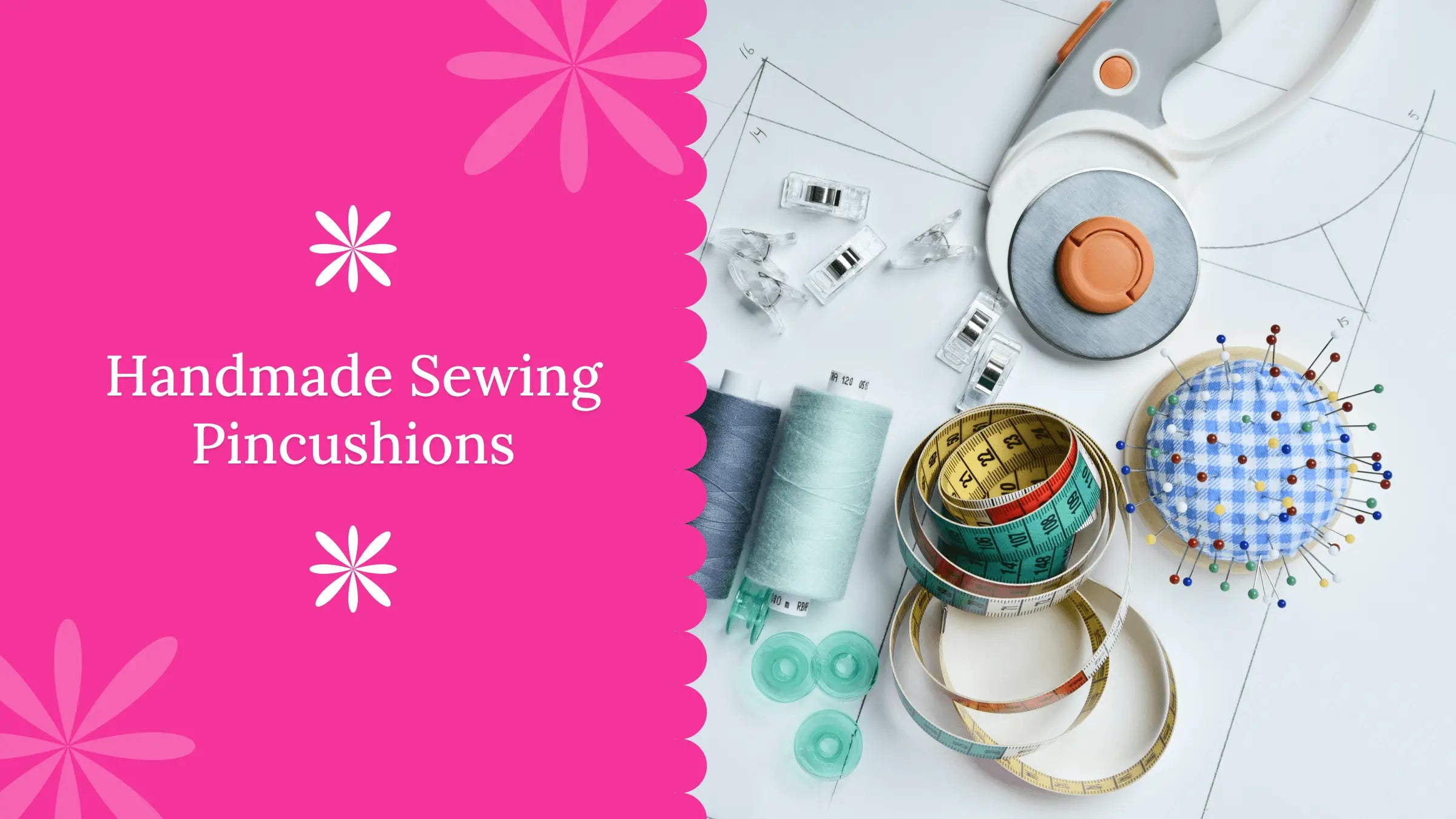
Sometimes, the smallest sewing tools are the ones you reach for the most.
Case in point, a good pincushion may seem simple. But it quietly helps move your project smoothly from start to finish.
Pincushion for sewing keeps your pins organized. It also protects loose ones from scattering across your table or floor. Your tools stay accessible while you work.
For many sewists, pin cushion sewing is a normal part of their daily workflow. You grab pins, return them, and reposition fabric. You then repeat the process countless times during a single project. No wonder, pincushions have remained one of the most essential sewing accessories around.
This guide will cover what pincushions are used for. We also teach you how to make your own pin cushions for sewing and the different designs commonly used by sewists and quilters.
What Is a Pincushion and Why Sewists Use Them
A pincushion is a small cushion that holds sewing pins and needles. Its purpose sounds simple, but without it, pins disappear quickly. They end up dropped on the floor or scattered across the worktable.
A pincushion keeps everything accessible in one place. It becomes particularly helpful when you’re working long hours. For example, sewing quilts require constant pinning and repositioning. When your tools are organized, you can focus more on working. You won’t have to stop repeatedly just to search for your pins.
In addition, pincushions also improve safety. Loose pins are surprisingly easy to lose and step on. You get to avoid accidents and even protect your fabric.
They are often positioned beside the sewing machine or cutting mat. Some sewists use multiple, depending on the project’s scope.
The History and Tradition of Sewing Pincushions
Historically, pincushions functioned as protective “vaults” for expensive, hand-forged needles.
By the Victorian era, creating handcrafted pincushions became an art form. Sewists hand-stitched elaborate designs like tiny shoes or animals. Some even crafted ceramic “half-dolls.” These pieces were packed tightly with natural fillers like raw wool or fine sawdust. They held pins securely while preventing rust.
This era also introduced the iconic tomato pincushion. According to folklore, a fresh tomato placed on a mantelpiece brought good luck to a new home. To keep the tradition practical, sewists started making replicas using red scrap fabric. Eventually, they realized these dense spheres were perfect for storing pins.
Common Types of Pincushions Used in Sewing

Some pincushion designs prioritize convenience, portability, or decoration.
Examples of common types include:
Classic Tomato Pincushion
The classic tomato pincushion is the most recognizable design. It’s pretty easy to spot on a busy sewing table. Its rounded shape allows pins to slide in smoothly from different angles.
Many traditional versions are packed firmly. This keeps pins upright and accessible during sewing sessions.
Wrist Pincushions
Wrist pincushions attach around the wrist using elastic bands or fabric straps. They’re especially useful during garment fitting. They keep pins constantly within quick reach. Dressmakers prefer them, especially when working with large fabric pieces that require frequent repositioning.
Magnetic Pincushions
Magnetic pincushions use magnets to hold pins securely. They make cleanup faster because dropped pins can be swept up quickly with the magnetic surface.
Decorative Handmade Pincushions
Handmade pincushions are common among quilters and craft enthusiasts. Many use patchwork, embroidery, appliqué, or seasonal fabrics to create unique, personalized designs.
Some sewists treat pincushions almost like miniature quilting projects. They become a way to practice techniques while creating something functional at the same time.
Best Materials for Pincushion Stuffing

The pincushions stuffing determines how well it holds your needles. In addition, it directly affects how it feels and how long it lasts. Some fillings create a firmer surface. Others produce a softer cushion.
Cotton Fiberfill
Cotton fiberfill is one of the most common modern stuffing materials. It creates a soft but stable cushion that works well for everyday sewing. Because cotton compresses naturally, it holds pins securely without feeling overly stiff.
One downside is that cotton can compact with heavy use. This may cause the pincushion to feel flatter and less supportive. In humid spaces, it may also absorb moisture more easily than synthetic fillings.
Wool
Wool has been used in pincushions for generations. It creates a dense cushion that grips pins well while maintaining shape. Moreover, it naturally resists moisture. It also creates a firmer feel compared to lightweight synthetic fillings.
Take note, however, that wool is usually more expensive than standard fiberfill materials. Some wool fillings can also feel too firm for those who prefer softer pincushions.
Crushed Walnut Shells
Crushed walnut shells are especially popular among quilters. The texture creates a heavier pincushion that stays in place during use. Many sewists also believe that walnut shells sharpen the pins as they repeatedly move in and out of the cushion.
The main drawback? It’s weight. Walnut-filled pincushions are noticeably heavier. In addition, fine shell particles may also leak if seams are not sewn securely.
Polyester Fiberfill
Polyester fiberfill is affordable and lightweight. Beginners prefer it because it’s simple to work with.
However, softer polyester stuffing may lose its firmness if the pincushion is heavily used.
How to Make Pin Cushions for Sewing

Making your own pincushion is both practical and rewarding. Even beginners can sew one using simple materials. You only need small fabric pieces and basic sewing techniques. In fact, anyone can finish most pincushions in a short afternoon.
Here’s a simple beginner-friendly process:
1. Choose your fabric.
Tightly woven cotton works especially well for pincushions. It’s durable and easy to sew. Plus, it holds pins securely without stretching too much.
2. Cut your fabric pieces.
Cut two matching shapes from your fabric. Squares and circles are the easiest options because the seams are simple and beginner-friendly.
3. Pin the fabric together.
Place the fabric pieces right sides together. Pinning helps keep the layers aligned while sewing.
4. Sew around the edges.
Stitch around the perimeter using a basic straight stitch. Leave a small opening. That way, you can turn the fabric and add the stuffing later.
5. Turn the fabric right side out.
Carefully flip the fabric through the opening. Gently push out the corners or curved edges for a cleaner shape.
6. Fill the pincushion firmly.
Add your chosen pincushion stuffing until the cushion feels full. A firmer pincushion usually holds pins better and keeps its shape longer.
7. Close the opening.
Use a ladder stitch or simple hand stitching to close the remaining gap neatly. Take small stitches to help the seam blend into the fabric.
Beginner tip: slightly overstuff the pincushion. Many first-time sewists leave too much empty space inside. This creates a loose cushion that doesn’t support pins very well. So, it’s better to have more stuffings than less.
Simple Pincushion Patterns for Beginners
Easy pincushion patterns help beginners start and finish a project without getting overwhelmed. These designs do not use complicated shapes or techniques.
Square Pincushion
The square pincushion is probably the easiest to sew. Straight seams make it beginner-friendly. It’s also a great way to use fabric scraps left over from your projects.
Circular Pincushion
Circular pincushions take slightly more patience. The curved seams require slower stitching. However, they are still manageable for beginners with basic sewing skills.
Patchwork Pincushion
Patchwork pincushions allow small fabric pieces to be combined creatively. Newbie sewists use these projects to practice color coordination and piecing techniques.
Vintage Style Tomato Pincushion
Vintage tomato pincushions remain a favorite among sewists. They combine function with nostalgic sewing tradition. They’re also excellent decorative pieces that serve a practical purpose daily.
Tips for Sewing Durable Pincushions
A good pincushion should hold its shape through constant daily use. That’s why durable construction matters just as much as appearance.
Using tightly woven fabric helps the pincushion resist stretching and repeated pin insertion. Quilting cotton, canvas, and linen blends make excellent fabric choices. These fabrics also hold their shape better. In addition, tighter weaves reduce fraying around seams. That helps the pincushion stay neat even with daily use.
Double stitching seams also improves strength. Pins create pressure over time, especially around heavily used areas. Reinforced seams are less likely to split or loosen after repeated handling. This becomes especially important for heavily stuffed pincushions.
Firm stuffing not only helps maintain shape. It also prevents pins from sinking too deeply into the cushion. Many experienced sewists prefer a dense fill because it keeps the pincushion functional longer. A firmer cushion also makes pins easier to grab quickly. It even helps the pincushion feel more stable on the sewing table.
Another practical tip is to avoid overly delicate decorative fabrics if the pincushion will see daily use. Beautiful fabrics still work well. But sturdier materials usually last longer in active sewing rooms. Delicate fabrics may wear thin faster around pin entry points. If you want a decorative look, consider combining durable base fabrics with smaller accent details instead.
How Pincushions Help Organize Sewing Workspaces
-
Keeping Pins Within Reach
With a pincushion, you have your pins nearby at all times. This keeps your hands focused on the project instead of constantly searching around the table. Most sewists also place their pincushions beside the sewing machine or cutting mat for easy access. -
Reducing Sewing Interruptions
Stopping to look for missing pins can break concentration. Even small interruptions add up, especially when you’re doing detailed work. An organized workspace removes that problem. -
Preventing Lost Needles and Pins
In addition to slowing you down, lost pins can also become safety hazards. With a pincushion, every pin has a proper storage spot between uses.
Understanding Handmade Pincushion Pricing
Several factors influence pincushion pricing:
|
Factor |
How It Affects Price |
|
Materials |
Premium fabrics or wool filling increase cost. |
|
Craftsmanship |
Hand stitching, detailed finishing require more time. |
|
Design Complexity |
Patchwork, appliqué designs take longer to create. |
|
Handmade vs Mass Produced |
Handmade pincushions typically cost more due to labor. |
Basic handmade pincushions range from $5 to $20. Decorative or collectible versions may cost more depending on detail and customization.
For Etsy sellers and craft makers, pricing also reflects creative design work and sewing experience. Of course, material quality plays a major role in the final price. Case in point, a pincushion made with premium fabric or specialty stuffing will cost more to produce. Custom embroidery and hand-finished details can further increase the value. Today, some buyers are willing to pay more for unique handmade pieces that feel unique and personal.
Creative Ideas for Decorative Pincushions

Decorative pincushions combine practicality with creativity.
Examples include:
Vintage Themed Pincushions
Vintage-inspired fabrics, lace trims, and embroidery details create a classic appearance. Sewists enjoy pairing these designs with traditional sewing accessories for a cohesive look.
Patchwork Pincushions
Patchwork pincushions are perfect for using leftover quilting fabric. Small scraps can be combined into colorful miniature designs. These projects allow quilters to practice piecing accuracy on a smaller scale.
Embroidered Pincushions
Embroidery adds texture and personalization. Some sewists stitch initials or other decorative borders on their pincushions. Even simple embroidery can make a small project feel more unique.
Seasonal Pincushions
Holiday fabrics and seasonal themes are especially popular among craft makers. Pumpkin pincushions, winter-themed designs, and floral spring versions are common examples. These small projects work well as handmade gifts for friends or family members.
Final Thoughts
A simple pincushion sure plays a major role in everyday sewing. Not only does it help organize pins. It also improves your workflow. Ultimately, it just makes sewing spaces safer.
Again, the stuffing you choose affects the pincushion’s performance. Firmer fillings generally create better support. In addition, quality fabric and strong seams improve durability.
For beginners, handmade pincushions make an excellent first project. They’re easy to sew and highly customizable. You can later experiment with different fabrics and designs as your skills grow. Some sewists prefer classic tomato pincushions. Others enjoy creating elaborate patchwork or embroidered versions that reflect their personal style.
Whether you make or simply one, having a reliable pincushion makes a great difference in your sewing routine. Besides, it’s one of those tools you reach for constantly without even thinking about it.