Babies start learning long before they can speak. They initially do so through touch, sight, and everyday noises. New textures and colors quickly grab their attention. Even simple interactions become learning opportunities. Over time, these experiences support their early development.
Sensory toys are more than simple playthings.
In fact, they help babies learn about the world.
Different materials create sensory experiences through touch, movement, and sound. This encourages curiosity. Sensory play becomes an important part of daily learning.
Crafting these handmade toys adds another layer of meaning. They allow gift makers to create something personal while tailoring textures, fabrics, and colors to a baby’s needs.
Furthermore, DIY sensory toys make practical projects for beginners. Leftover scraps can be used.
In this guide, we’ll cover what exactly these toys are and why they matter. We also explain which fabrics are best to use. Finally, we’ll even share some beginner-friendly sewing tips.
What Are Sensory Toys for Babies?
Sensory toys stimulate the baby’s senses. These toys encourage them to explore the world by:
-
touching,
-
squeezing,
-
grabbing
-
hearing,
-
and observing different materials.
For infants, sensory exploration is important. Touch plays one of the biggest roles in their development. They naturally hold objects and bring them close to their faces.
For example, they discover textures by rubbing fabric between their fingers. They learn about “cause and effect” when a toy crinkles or rattles. Even simple movements strengthen their coordination and awareness.
Unlike plastic toys, sensory toys focus on varied tactile experiences. Different fabrics create varying sensations. This keeps babies curious and engaged. Many parents also appreciate that these fabric toys are safe, lightweight, and very easy to personalize.
Examples of these toys include:
-
Soft textured fabrics
-
Crinkle materials
-
Ribbon tags
-
Gentle rattles or squeakers
-
Plush sensory blocks
-
Small comfort loveys
-
Quilted fabric toys
Benefits of Sensory Toys for Baby Development
Sensory toys not only entertain babies. More than that, they support the development of essential skills during a child’s earliest stages of growth.
Builds Tactile Awareness
Babies respond to different textures and materials. They eventually recognize that smooth cotton feels different from flannel. Young ones begin developing tactile awareness as they touch these surfaces repeatedly. This type of sensory input helps them understand differences in texture and softness.
Tactile exploration also encourages fascination. Babies naturally spend more time interacting with toys that offer multiple textures and sensations.
Encourages Fine Motor Skills
Simple sensory toys help infants practice grabbing, squeezing, and holding objects. These repetitive movements strengthen small hand muscles. They even improve coordination.
Ribbon tags and fabric loops are especially attractive. They encourage babies to pinch and pull gently. Actually, even basic fabric toys help young ones learn basic hand-to-hand movement and grip control.
Promotes Curiosity
Bright colors, soft movement, and gentle sounds capture a baby’s attention.
A crinkle sound or dangling ribbon may encourage babies to focus longer. They eventually interact more actively with the toy. This type of engagement shows visual tracking and attention development.
Because sensory toys respond differently depending on how babies touch them, they often keep little ones interested longer than static objects.
Supports Early Brain Development
Sensory play supports early sensory processing and neural development. Through it, babies get to connect physical experiences with learning.
Every time they hear a crinkle, feel a texture, or move a toy, their brains process new information. These repeated experiences help strengthen sensory pathways. Babies gain early learning skills.
Even simple actions like squeezing a soft sensory block or rubbing textured fabric contribute to cognitive development.
Best Fabrics for DIY Baby Sensory Toys

Babies respond strongly to texture. So the materials you choose directly affect the overall toy experience. Some fabrics create smooth tactile feedback. Others add warmth or plush texture for comfort-focused toys.
That said, beginners should learn and understand how different fabrics behave during sewing. Besides, some are easier to cut and stitch. Meanwhile, softer textured fabrics may require a little more control at the machine.
The guide below compares some of the most commonly used fabrics for sensory toys. We also explain where each one works best:
|
Fabric Type |
Texture |
Best Uses |
Beginner Friendly? |
Notes |
|
Quilting cotton |
Smooth |
Sensory squares, patchwork toys |
Yes |
Easy to sew and widely available |
|
Flannel |
Gentle and warm |
Loveys, blankets, soft toys |
Yes |
Comfortable for baby skin |
|
Minky / Cuddle Fabric |
Plush and textured |
Sensory blocks, comfort toys |
Moderate |
Very soft but can shift while sewing |
|
Fleece |
Soft with slight stretch |
Plush toys, sensory accessories |
Yes |
Doesn’t fray easily |
Materials and Tools Needed
Most DIY sensory toys use simple sewing supplies. In fact, most crafters may already have these materials and tools at home.
Some of the most basic ones are:
-
Fabric scraps
These form the outer layers of the toy. Quilting cotton, flannel, fleece, and minky scraps are often used. They make these sewing projects budget-friendly. -
Batting or stuffing
This fills the toy and gives it shape. Batting creates a soft, lightweight feel. Polyester stuffing makes toys more plush. -
Thread
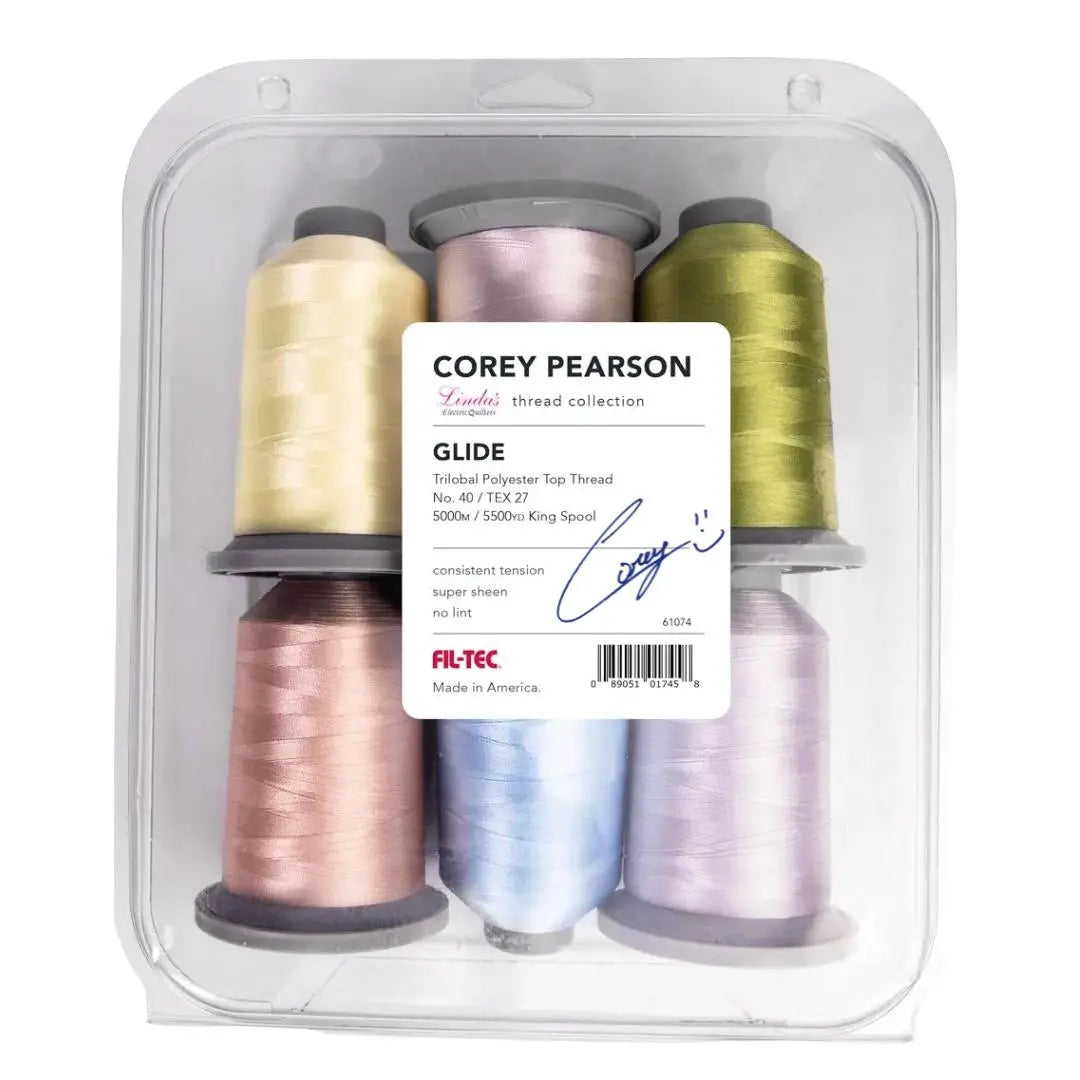
Using strong thread is important because baby toys are handled frequently. They are often pulled or squeezed. Cotton-wrapped polyester thread is a common choice. It combines strength with flexibility for secure seams. -
Scissors or rotary cutter
These are used to cut fabric shapes cleanly and accurately. Sharp cutting tools ensure even edges. They also make sewing easier and improve the final shape of the toy. -
Pins or sewing clips
These hold fabric pieces in place before sewing. Clips are especially useful for thicker fabrics or layered pieces. Because they don’t distort the fabric like pins sometimes can. -
Sewing machine or hand sewing needle
A sewing machine makes construction faster, especially for small seams that require strength. Of course, hand sewing is another option. Going manual works well for small finishing areas that need extra control. -
Ribbon or textured trims
These add sensory variety and are often used in tag toys. Babies can grasp, pull, and explore different textures. As a result, it enhances sensory development. -
Optional: Crinkle material
This is a thin insert that creates a crinkling sound when touched. It adds auditory stimulation. It is usually sewn securely between fabric layers. -
Optional: Squeakers
Small baby-safe squeakers are inserted inside toys for sound effects. They are commonly used in plush sensory toys. Just make sure they’re fully enclosed for safety. -
Optional: Wooden rings
These are often added to teething toys or stroller toys. They provide a firm texture for babies to grasp or chew. Again, make sure they’re securely attached.
Safety Tips for Handmade Baby Toys
Safety should always come first. Your baby toys should be carefully constructed and durable.
Here are some practical reminders to achieve that:
Avoid Small Detachable Parts
Buttons, beads, and loose embellishments may create choking hazards. If decorative details are included, they should be embroidered. They should be securely stitched rather than glued.
Secure All Seams Carefully
Weak seams can open during use. Keep in mind that babies always pull or chew on their fabric toys. Double stitching high-stress areas is a must. It improves durability and prevents stuffing from escaping.
Use Baby-Safe Fabrics
Soft natural fabrics work best for baby toys. Cotton and flannel are perfect examples. Avoid fabrics that are heavily treated or rough textured. They will likely irritate babies with sensitive skin.
Prewash Fabrics Before Sewing
Prewashing removes excess dye and manufacturing residue. In addition, it helps manage shrinkage before the toy is assembled.
Check Toys Regularly
Even well-made toys should be inspected occasionally. Look for loose seams, worn ribbons, or damaged stitching. This is especially necessary after repeated washing or use.
5 Easy DIY Sensory Toy Ideas for Babies

Sensory toys don’t need to be complicated. In fact, many of the best projects use simple shapes. The needed sewing techniques are also fairly straightforward.
Fabric Sensory Squares
Fabric sensory squares are among the easiest toy projects for beginners. These toys are usually made from two fabric squares sewn together with batting or crinkle material inside.
The fun comes from mixing textures. One side might use quilting cotton. The other may use minky, fleece, or flannel. Babies love exploring the differences by rubbing and squeezing the toy.
To create one, cut two matching fabric squares. Place them right sides together. Sew around the edges . Leave a small opening. Then turn the piece right side out. Add batting or crinkle material before closing the opening with topstitching.
Ribbon Tag Toy
Ribbon tag toys are ideal for teething babies. Small ribbon loops are sewn into the edges. That way, infants can grab and chew safely.
Satin, grosgrain, and textured ribbons all feel different in a baby’s hands. An effective beginner tip is to stitch ribbon loops twice for added durability.
Soft Fabric Sensory Block
Soft sensory blocks are fabric cubes filled with lightweight stuffing.
Babies can squeeze, toss, and stack them safely. These blocks become more engaging when each side uses varying fabrics or textures. For extra simulation, some makers also add crinkle inserts or small rattles inside the toy.
Cubes require sewing multiple seams together neatly. For this reason, they can be a good beginner project for practicing construction accuracy.
Crinkle Sensory Toy
Crinkle toys include a safe crinkly material sewn between fabric layers. The sound and texture create instant sensory feedback when babies squeeze or move the toy.
Many sewists use clean food-safe crinkle material made for baby projects. These toys combine sound stimulation with tactile play.
Mini Sensory Lovey
Mini loveys are small comfort toys. They usually feature cushioned fabrics, ribbon tags, or textured corners. They may also use lightweight batting.
The tiny size is intentional. That way, little ones can easily hold them.
Many parents use these toys during stroller rides or travel because they’re lightweight and portable. Gentle flannel and minky combinations are especially popular for these projects.
Step-by-Step Example Tutorial: Simple Fabric Sensory Toy

This simple sensory square is a great place to start for beginners.
Step 1: Cut Your Fabric Squares
-
Cut two fabric squares about 6 inches wide.
-
This size works well because it’s easy for babies to grab and hold.
-
Choose contrasting textures to create more sensory interest.
Step 2: Add Ribbon Loops
-
Cut several short ribbon pieces and fold them into loops.
-
Pin them between the fabric layers with the loop ends facing inward.
-
Space them evenly around the edges.
Step 3: Sew Around the Edges
-
Place the fabric squares right sides together.
-
Sew around the edges.
-
Use a small seam allowance while leaving a turning gap.
-
Backstitch carefully at the ribbon sections as those areas receive more pulling.
Step 4: Turn the Toy Right Side Out
-
Carefully turn the toy through the opening.
-
Push the corners outward gently using a blunt tool or finger.
Step 5: Add Batting or Crinkle Material
-
Insert batting, crinkle material, or lightweight stuffing.
-
Avoid overstuffing. Flatter sensory toys are easier for infants to grip.
Step 6: Close and Topstitch
-
Fold the opening inward and topstitch around the entire toy.
-
This closes the opening while reinforcing the edges for durability.
Once finished, inspect all seams carefully before use.
Creative Variations to Try
One of the best things about sensory toys is how customizable they are. Even simple beginner projects can become more creative with small adjustments.
Patchwork Sensory Toys
Patchwork designs combine multiple fabrics into one toy. This creates extra visual interest while adding more textures for babies to explore.
Patchwork also works well for using leftover quilting scraps.
Animal-Shaped Toys
Simple animal shapes make sensory toys feel more playful. Clouds, stars, bears, and bunny shapes are especially popular for baby gifts. Beginners should still keep the overall shapes simple for easier sewing.
Quilt-Block Sensory Toys
Mini quilt-block panels can be turned into sensory squares or soft blocks. This is a creative way for quilters to use extra blocks or practice designs.
Stroller Clip Toys
Some sensory toys include loops or clips for attaching to strollers and carriers. These projects help keep toys accessible during outings. However, attachments should always be securely sewn and carefully tested for safety.
Using Fabric Scraps for Sensory Toys
Most toy designs use small fabric pieces. This makes them ideal for leftover quilting cottons, flannel scraps, or unused fabric remnants. Many quilters save favorite fabric scraps specifically for projects like these.
Using scraps also allows for more texture combinations and color variety. A single toy might include smooth cotton, plush minky, soft fleece, and textured ribbon all in one project. This approach reduces waste while creating something useful.
Scrap projects are also less intimidating for beginners. Additionally, they only require small fabric investments.
Beginner Sewing Tips for Baby Toys
Baby toys are generally beginner-friendly. However, a few sewing habits can improve results significantly:
Use Strong Thread
Baby toys receive frequent handling, pulling, and washing. Using strong thread helps seams stay secure. Cotton-wrapped polyester thread often works well for durability.
Reinforce Seams
Double stitching stress points adds strength. Ribbon sections, corners, and openings usually experience the most tension during use.
Press Seams Carefully
Pressing helps projects look cleaner and more professional. Even simple sensory toys benefit from flat, well-pressed seams.
Avoid Overly Thick Fabrics
Very thick fabric combinations can become difficult to sew. Moreover, they become uncomfortable for babies to hold. Balancing textures with manageable thickness creates better results.
Sew Slowly Around Small Sections
Corners and ribbon loops require extra accuracy. Slowing down slightly often produces cleaner stitching and stronger construction.
Common Mistakes to Avoid
Small sewing errors affect the appearance and safety of sensory toys.
Here are some pitfalls to watch out for:
Using Loose Embellishments
Buttons and glued decorations should generally be avoided. Soft embroidered details are much safer for baby projects.
Making Toys Too Large
Large sensory toys can become awkward for babies to grip comfortably. Smaller lightweight toys are easier for tiny hands to explore.
Forgetting to Secure Trims
Ribbon tags and loops should always be stitched securely. Weak stitching may loosen after repeated pulling or washing.
Understuffing Soft Toys
Underfilled toys lose shape quickly. Balanced stuffing helps them feel more durable and supportive.
Ignoring Fabric Shrinkage
Some fabrics shrink significantly after washing. Prewashing before sewing helps avoid uneven results later.
DIY Sensory Toys as Baby Gifts
Handmade sensory toys make thoughtful and meaningful gifts. Unlike mass-produced toys, these projects feel personal because they reflect time, care, and creativity.
Many sewists create sensory toys for:
-
Baby showers
-
Newborn welcome gifts
-
First birthdays
-
Keepsake boxes
-
Holiday gifts
Parents appreciate these gifts because they’re practical and sentimental.
Sensory toys are also easy to personalize with fabric colors or themes that match nursery designs. So for quilters and sewists, these projects become a creative way to share handmade skills with growing families. Because most sensory toys are relatively small, they also work well as quick weekend sewing projects.
Frequently Asked Questions
Are DIY sensory toys safe for babies?
Yes, as long as they’re sewn securely and made without small detachable parts. Babies explore toys by grabbing, chewing, and pulling on them. So, durability matters.
Reinforcing seams prevent openings from forming. It’s also important to avoid buttons, beads, or loosely attached trims that could become choking hazards. Many sewists double-check stitching before gifting handmade baby toys. Regular inspection is a good habit once the toy is being used frequently.
What age are sensory toys for?
Most are suitable for newborns to 12 months. However, different styles become more useful as young ones develop stronger coordination and interest. Younger babies often respond most to soft textures and high-contrast fabrics. Older babies may enjoy toys that crinkle, squeeze, or include ribbon tags for grasping practice.
Soft sensory blocks and textured toys also become more interactive as hand strength improves. Choosing simple, lightweight toys usually works best for early stages.
What fabrics are safest?
Soft natural fabrics like cotton and flannel are commonly recommended. They are breathable and gentle on sensitive skin. Many sewists also use minky or fleece. They add softness and sensory variety.
Fabrics should feel comfortable and avoid rough textures that may irritate babies. Furthermore, strong woven fabrics tend to hold seams more securely during repeated washing. Choosing washable materials also makes long-term care much easier for parents.
Can beginners sew sensory toys?
Yes. Many sensory toy projects use very simple shapes. They also require beginner-friendly sewing techniques. Fabric sensory squares and ribbon tag toys are often recommended as first projects because they require only basic straight stitching. These smaller projects also help beginners practice seam allowances, turning corners, and topstitching. Since the fabric pieces are small, they’re also ideal for using leftover quilting scraps. Most projects can be completed in a short afternoon with basic sewing supplies.
What can I use for crinkle material?
Many sewists use food-safe crinkle inserts designed specifically for baby sewing projects. These materials are lightweight, flexible, and create the soft crackling sound babies enjoy during sensory play.
The crinkle layer should always be fully enclosed inside the toy with secure stitching around all edges. Washable materials are usually the safest choice because baby toys need frequent cleaning. Some crafters also place the crinkle layer between batting to soften the texture slightly. Testing the sound level beforehand can also help create a more comfortable sensory experience for younger babies.

Final Thoughts
DIY sensory toys combine creativity, practicality, and meaningful handmade gifting in one simple project. Even basic fabric toys can support a baby’s early development through texture, movement, sound, and touch.
For beginners, these projects are an approachable way to practice sewing skills without needing large amounts of fabric or complicated patterns. They also provide endless opportunities for customization. Different fabrics, ribbons, textures, and shapes allow every toy to feel unique.
Many sewists continue making sensory toys long after learning the basics. In fact, these projects are quick to finish, useful, and deeply personal.
Most importantly, handmade sensory toys create moments of connection. A simple fabric square or soft lovey may seem small. But for a baby learning about the world, those textures and sensations become part of everyday discovery.
With a few fabric scraps and beginner sewing techniques, you can create toys that are both beautiful and meaningful for growing families.