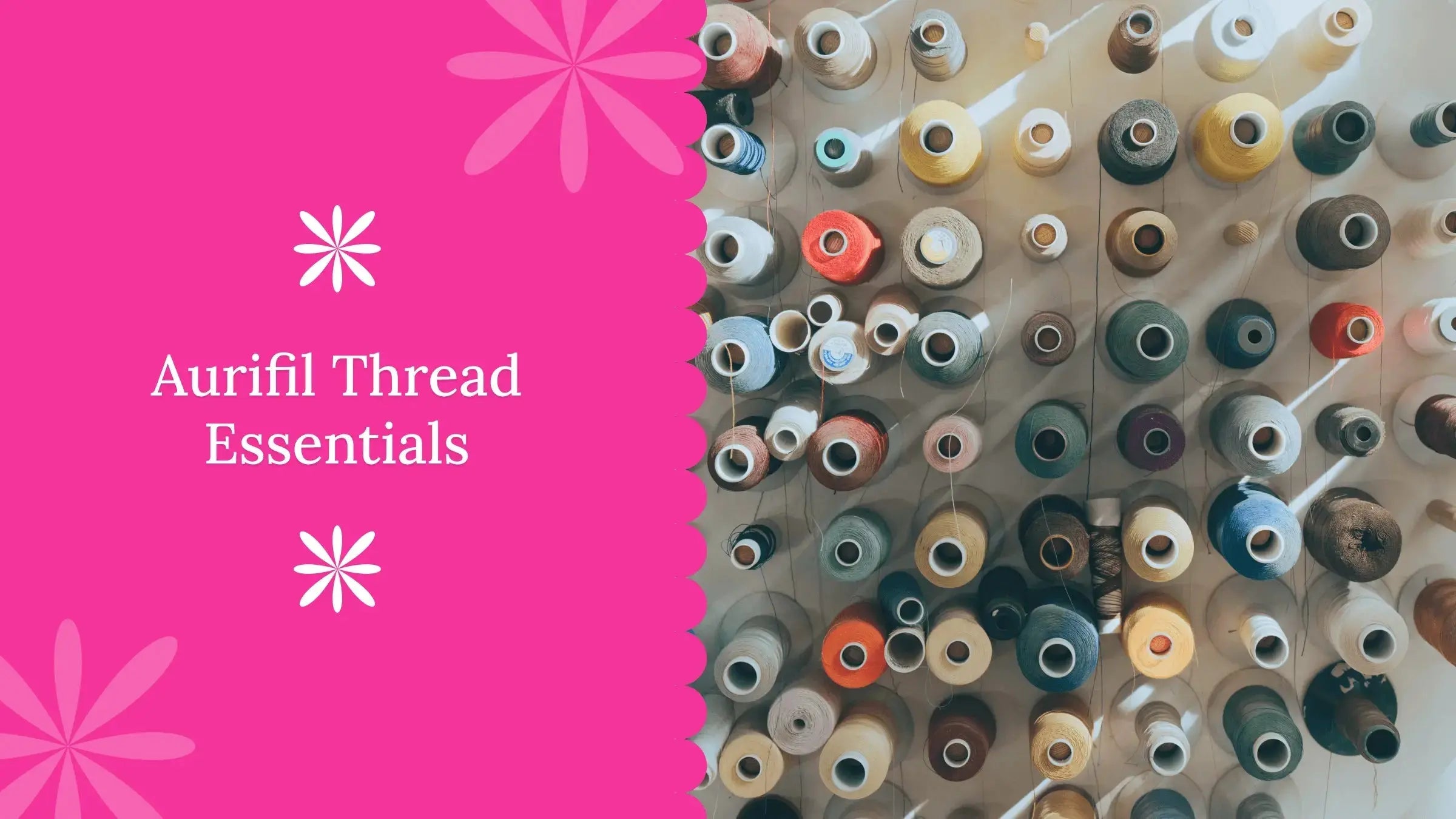
Here’s one important lesson about quilting: your thread matters just as much as your fabric.
You can piece with precision and press every seam perfectly. But if you still end up with a quilt that doesn’t look or feel right? Well, the culprit may not always be bad technique. It might be poor thread.
Thread choice directly affects stitch quality and seam strength. Or even the way your quilt drapes. For this reason, experienced quilters favor premium thread brands like Aurifil every time.
Whether you’re hearing about Aurifil quilting thread for the first time or trying to understand why 50 weight cotton thread is so widely recommended, our guide below explains everything in simple, practical terms.
What Aurifil Thread Is
Aurifil is an Italian thread manufacturer known for producing high-quality cotton threads.
What sets the brand apart is its use of long-staple Egyptian cotton. This type of cotton has longer fibers. This translates to fewer thread breaks and smoother finishes. Also, the fibers are spun tightly and evenly. As a result, the thread feels noticeably refined compared to lower-quality options.
Aurifil has indeed built a positive reputation in the industry. Professional quilters and instructors use it because it performs well project after project. Case in point, Gathered describes the Aurifil 50 wt thread as the “perfect thread” for stitching.
Why Aurifil Thread Is Popular Among Quilters
There’s a reason Aurifil has such a loyal following. It solves several common frustrations quilters deal with on a regular basis.
Low lint production
Some threads shed fibers that collect inside your machine. This affects both tension and stitch quality. Aurifil produces very little lint, which keeps your machine running smoothly.
Strong yet fine structure
Aurifil threads are both thin and strong. That combination is especially useful in quilting, where bulky seams affect the final look.
Smooth stitching
The evenly spun thread feeds smoothly through the machine. As such, you’ll notice fewer breaks and better stitches.
Reliable consistency
Every spool behaves the same way. When you’re working on large quilts or repeating patterns, you save time and reduce frustration.
Understanding Thread Weight in Quilting

In quilting, higher thread weight numbers mean thinner thread.
So:
-
40 wt → thicker
-
50 wt → medium/fine
-
60 wt → fine
-
80 wt → very fine
To sum it up, thread weight affects how your stitches look and behave.
-
Thicker threads create more visible stitches
-
Finer threads blend into the fabric and create flatter seams
Here’s a quick reference to help you understand this better:
|
Thread Weight |
Thickness |
Common Uses |
Visual Effect |
|
40 wt |
Thick |
Quilting, decorative stitching |
More visible stitches |
|
50 wt |
Medium/fine |
Piecing, general quilting |
Balanced, subtle |
|
60 wt |
Fine |
Appliqué, detailed work |
Minimal visibility |
|
80 wt |
Very fine |
Micro quilting, hand appliqué |
Nearly invisible |
Thread weight is that balance between visibility and structure. 40 wt threads sit more prominently on top of the fabric. They’re ideal when you want quilting lines to stand out. 50 wt and finer threads sink into the fabric. They create flatter seams and a cleaner finish. This is especially important when piecing blocks or working with intricate designs.
Here’s the golden rule for beginners: If you’re unsure, start with 50 wt.
This thread type is forgiving and performs well across most quilting tasks without requiring major tension adjustments.
What 50 Weight Cotton Thread Is
50 weight cotton thread is usually considered the standard for quilting. It’s a fine 2-ply thread, made from two strands twisted together. This gives it durability and thinness to work well for most quilting tasks.
What makes it so useful:
-
Thin enough to reduce seam bulk
-
Strong enough to hold seams securely
-
Smooth enough for quality stitching
Because of this balance, 50 weight thread is often the default choice for quilters, especially when working with cotton fabrics.
Another reason the 50 weight thread stands out is its predictability. It behaves consistently across different machines, fabric types, and quilting techniques. That counts when you’re working on larger projects where small mistakes add up over time.
It also pairs naturally with standard quilting cotton. Since both the fabric and thread are similar in scale and structure, the stitches settle neatly into the fabric. It doesn’t sit on top or pull against the fabric. This creates a more professional-looking result.
Common Uses for 50 Weight Thread in Quilting

Piecing Quilt Blocks
Seam bulk becomes a real issue when piecing quilt blocks. Multiple seams intersect. Ticker thread can create noticeable buildup.
Fine thread like 50 weight keeps seams flat and creates an overall polished look. Moreover, it improves accuracy when matching points.
Machine Quilting
Consistency is everything in machine quilting. Uneven stitches stand out immediately.
The 50 wt thread works well because it moves smoothly through the machine and handles tension adjustments more effectively. It’s especially useful when you want the quilting texture to show without the thread overpowering the design.
Appliqué Sewing
Appliqué involves precise edge stitching. Visible thread can affect the final look. 50 wt thread blends into the fabric more easily and creates less visual distraction. This makes it a reliable choice for delicate work.
Aurifil Thread Color Systems
Instead of using color names alone, each Aurifil thread has a unique number. This is especially useful when:
-
Matching thread to fabric
-
Reordering for larger projects
-
Maintaining consistency across multiple quilts
Light gray, beige, and off-white are some of the go-to neutral choices for quilters. These shades blend well with a wide range of fabrics. They also reduce the need for constant thread changes.
How to Choose the Right Aurifil Thread for Your Project
To choose the best thread, consider how each element affects your final result.
Project Type
Start with how the thread will function in your quilt.
As noted earlier, 50 weight is ideal for piecing. It reduces seam bulk and your blocks lie flat. This becomes especially important in complex patterns where multiple seams intersect.
For quilting, your choice depends on visibility. If you want the stitching to blend into the fabric, stick with 50 weight. Need quilting lines to stand out? Use a slightly heavier thread like 40 weight.
Thread becomes part of the design in decorative stitching. Visibility, texture, and even sheen matter more than subtlety.
Also, think about the scale of your project. Large quilts benefit from finer threads because they keep the overall texture balanced. Smaller or more decorative pieces can handle slightly heavier threads without looking bulky.
Fabric Type
When something feels off, it’s usually a mismatch between the fabric type and thread weight. The two should always work together.
Standard quilting cotton pairs naturally with 50 weight thread. Both are balanced in structure. So, the thread sinks into the fabric without distorting it.
Heavier fabrics may need thicker thread to maintain stitch strength. Meanwhile, lighter fabrics benefit from fine thread. It prevents puckering and tension issues.
Layering also plays a big role here. Quilts with batting and backing create more resistance. They can affect how thread tension behaves. A well-matched thread maintains neat stitch formation across all layers.
Thread Color Selection
Matching thread color to fabric creates a polished look. It’s ideal for piecing and detailed work. Besides, you don’t want stitches to draw attention. Contrasting thread, on the other hand, highlights stitching. This is preferable in quilting designs where the thread becomes part of the visual texture.
Many quilters also rely on “blending neutrals.” Shades like soft gray or beige work across multiple fabrics. These colors reduce thread changes without compromising the overall look.
If you’re unsure, test your thread on a fabric scrap first. Colors may look different once stitched, especially under lighting or when layered over patterned fabric. A quick test helps you avoid surprises in your final piece.
Tips for Sewing and Quilting with Aurifil Thread

Even the best thread performs differently depending on your setup. Small adjustments make a noticeable difference.
Adjust Machine Tension
Sewing machines need proper tension settings. It’s always best to test on scrap fabric before starting. This way, you can catch small issues early (slight looping, uneven stitches) that are much harder to fix later.
With fine threads like 50 wt, tension adjustments are usually minimal, but they still matter. Even a slight imbalance can show up in your stitches. This is especially true on lighter fabrics or detailed quilting lines.
Choose the Right Needle
Thread and needle work as a pair. A universal 80/12 needle is a safe starting point for quilting cotton and 50 wt thread,. A worn or incorrect needle may cause skipped stitches or thread breakage. So, change your needle regularly.
If you notice repeated thread breaks or rough stitching, try switching to a fresh needle before adjusting anything else. It’s a simple step that typically solves the problem immediately.
Maintain a Clean Machine
Using low-lint thread like Aurifil helps. But no machine stays clean forever. Dust and lint still build up over time in the bobbin area. Regular cleaning keeps your thread path smooth.
A quick clean after every major project can make a big difference in long-term machine performance. It also makes your thread feed more consistently.
Watch Your Sewing Speed
Speed affects thread performance. Sewing too fast increases friction, especially during long quilting lines. Slowing down slightly results in smoother stitching and fewer thread issues.
A steady pace maintains even stitches and reduces the chances of tension fluctuations mid-project.
Where to Find Deals on Aurifil Thread
There are smart ways to buy Aurifil without overspending. If you search “where can I find the best deals on Aurifil threads near me,” these are the most likely results:
-
Quilting supply stores
Local quilt shops often carry Aurifil products and may offer curated thread collections. While prices can be slightly higher, you benefit from expert advice. Plus, you get to inspect the colors in person. -
Online fabric retailers
Online stores usually offer the widest thread selections. These sources sell hard-to-find colors and spool sizes. They’re also more likely to run promotions. As such, they can be a great option for stocking up. -
Quilting marketplaces
Specialty marketplaces sometimes bundle threads into sets. These collections are useful if you’re building a color library or working on multiple projects. -
Seasonal sales and bulk buying
Many quilters wait for sales events to purchase thread in bulk. Larger spools or multi-pack sets reduce the cost per yard. If you quilt regularly, buying ahead can save both time and money.
Comparing Aurifil Thread with Other Quilting Threads
When comparing Aurifil with other quilting threads, the differences become clear. One of the first things quilters notice is lint. Poor quality threads tend to shed more. Aurifil’s low-lint structure reduces that buildup.
Thread strength is another strength of Aurifil. While many threads are labeled as strong, the real test comes during long quilting sessions or when sewing through multiple layers. The brand is less likely to break under tension.
Stitch consistency also plays a big role. An evenly spun thread feeds more smoothly through the machine. It produces uniform stitches with balanced tension. In contrast, inconsistent thread leads to subtle variations that affect stitch quality and overall finish.
Ultimately, these differences shape the overall sewing experience. With a high-quality thread, everything just works. You spend less time troubleshooting and more time quilting. No wonder, many quilters continue to choose Aurifil once they’ve experienced the difference.
Common Thread Mistakes Quilters Make
Most thread-related problems come down to a few avoidable habits:
Using the wrong thread weight is one of the most common issues. Using thread that’s too thick can create bulky seams. Meanwhile, thread that’s too fine may not be sturdy enough. Matching the thread weight to your project solves these issues.
Skipping test stitches is another easy mistake. It’s always tempting to start sewing right away. However, a quick test helps you confirm tension and stitch quality. You see how the thread behaves with your specific fabric. This allows you to save time and prevent frustrations later on.
Incorrect tension settings can also cause problems that don’t always show up immediately. Sometimes issues only appear after several lines of stitching, which makes them difficult to fix. Small, gradual adjustments are far more effective than large changes.
Mixing incompatible threads between the top and bobbin can create imbalance as well. While it may work in certain situations, it can also cause inconsistent tension unless carefully tested beforehand.
Finally, it’s easy to overlook needle condition. A dull or incorrect needle can mimic thread issues. If something feels off, checking and replacing your needle is the fastest fix
Final Thoughts
Thread may seem like a small detail in quilting. But in reality, it quietly shapes everything.
Aurifil has definitely earned its place in the quilting community. The thread delivers reliability and clean results. It doesn’t fight your machine or your fabric. Instead, it works with them.
When it comes to versatility, the 50 wt cotton thread remains one of the most dependable choices out there. It balances holding power with subtlety and ease of use for most quilting projects.
The real takeaway? Pay attention to your thread. Try different weights and test what works best for your style.
Because once you find the right thread, sewing feels smoother.
Your finished quilts will reflect that in how they look and feel.