What’s the difference between smooth sewing and constant frustration?
It could be your thread.
It may seem like a small detail but a simple thread holds your entire project together.
The right one gives you smooth stitches and strong seams. The wrong one? You get breakage and uneven tension.
Different sewing projects also demand different thread types. Case in point, quilting threads behave differently from embroidery threads. Also, garment sewing calls for something durable.
In this guide, we’ll break down:
-
different sewing threads and what they’re used for
-
trusted thread brands
-
how to choose and where to buy quality threads
Whether you sew for fun or business, this blog is for you.
Understanding Sewing Thread: What It Is and Why Quality Matters
What Sewing Thread Is Made Of
Sewing thread is a twisted fiber designed to move through fabric. It holds layers together.
Most threads are made from:
-
Cotton
Blends well with cotton fabrics. Commonly used for quilting. -
Polyester
Slightly stretchy and durable. Ideal for everyday sewing and garments. -
Silk
Smooth and fine. Best for delicate, high-end projects. -
Nylon
Sturdy and resilient. Suited for heavy-duty use.
Why Thread Quality Matters in Sewing
Stronger stitches
Quality thread has better tensile strength. Your seams won’t snap under stress.
Better machine performance
Cheap thread sheds lint and dust. This builds up inside your sewing machine and affects performance.
Reduced breakage
Low-quality threads often have weak spots that snap mid-stitch.
Cleaner, consistent seams
Quality thread feeds smoothly. It results in even tension and professional-looking stitches.
In short: good thread improves your results.
Common Types of Sewing Thread

Cotton Thread
Cotton thread is ideal for projects where consistency matters. One of its biggest advantages is how well it presses. Likewise, it handles high heat without distorting. This is essential when you’re pressing seams repeatedly.
However, cotton thread has less elasticity than polyester. It’s not ideal for fabrics that stretch. Also, it produces more lint than synthetic threads.
That said, cotton thread is best for:
-
quilting
-
patchwork
-
natural fabrics
Polyester Thread
Polyester thread is best for natural and synthetic fabrics. It’s a safe choice if you’re unsure about what to use.
This thread type has a slight stretch. It allows seams to move without breaking. As such, it’s perfect for clothing and other everyday items.
Another big advantage is that quality polyester produces very little lint. There’s less buildup inside your sewing machine and fewer maintenance headaches.
Polyester is best for:
-
general sewing
-
garments
-
durable seams
Embroidery Thread
Embroidery threads are made for decoration, not structural seams. They’re smoother, shinier, and not as strong as standard threads.
The two most common types are:
Rayon embroidery thread
-
known for its beautiful, high-gloss finish
-
soft and smooth, ideal for intricate designs
-
best for decorative work that won’t face heavy wear
Polyester embroidery thread
-
less shiny than rayon but much more durable
-
resistant to fading and shrinking
-
ideal for items that will be washed frequently
Quilting Thread
Quilting threads come in cotton and polyester varieties. Here’s the difference:
|
Cotton quilting thread |
Polyester quilting thread |
|
|
Popular Thread Brands Known for Quality

Aurifil
Made from long-staple Egyptian cotton, Aurifil thread is known for its strength and smooth finish. One of its best features is its low lint production. This reduces the need for frequent machine cleaning.
Coats & Clark
Coats & Clark products are often sold in craft stores and general retailers. It’s reliable and affordable. The all-purpose polyester thread handles everyday sewing tasks.
Glide
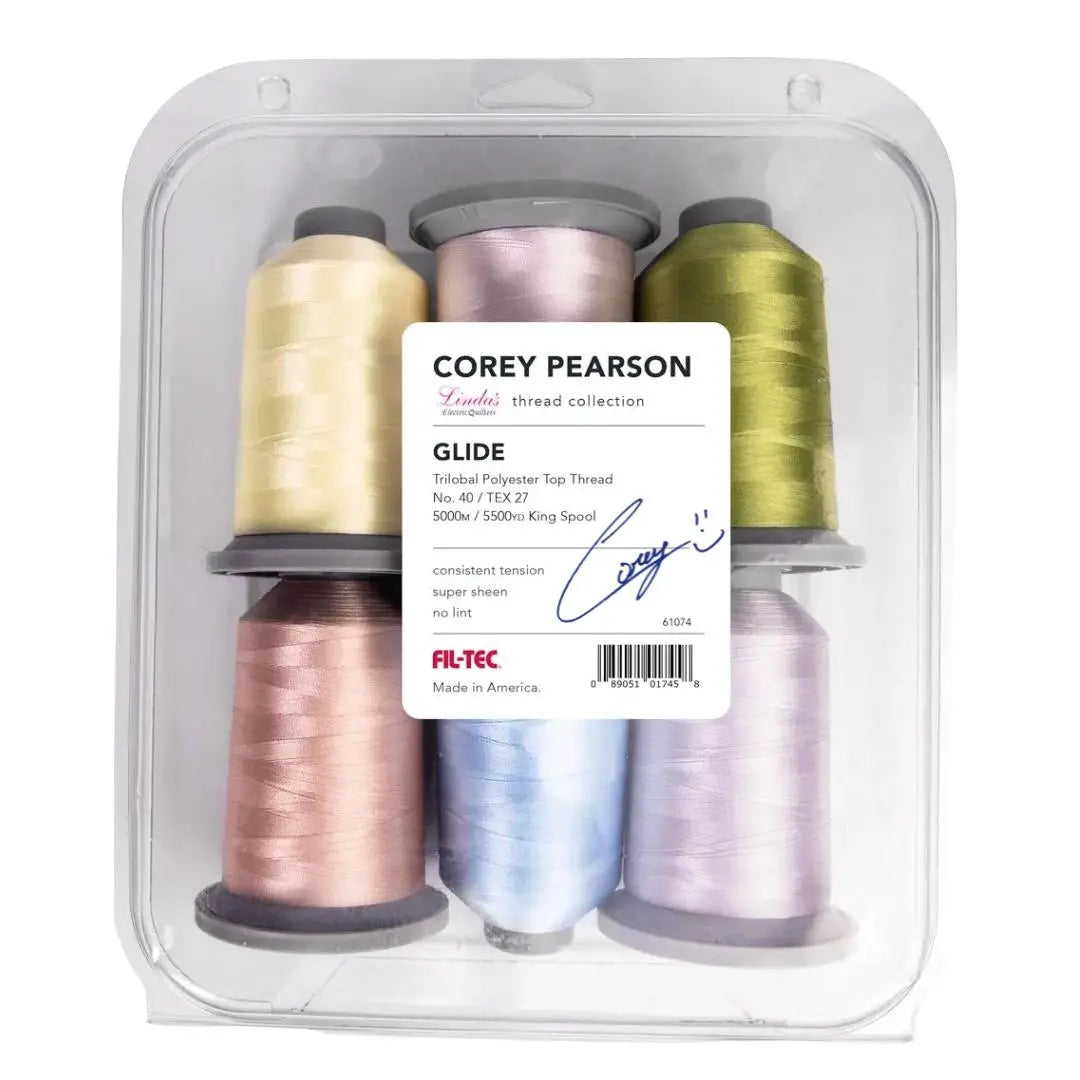
Glide thread is well known among machine embroiderers and quilters. It’s a trilobal polyester thread, which means it has a subtle sheen without excessive gloss. More importantly, it runs cleanly through machines with very little breakage. This is a major reason it’s trusted for larger or more time-intensive projects.
Gutermann
Gutermann performs reliably in most sewing machines. Its threads feed evenly and hold tension well. This helps reduce common issues like breakage or uneven stitches. As such, Gutermann threads are especially useful when switching between different fabrics or projects.
Superior Threads
Superior Threads offers high-strength polyester, decorative threads, and more. This focus on performance makes them a favorite for machine quilting and decorative stitching.
How to Choose High-Quality Thread for Sewing Machines

Check Thread Strength
A good thread feels smooth when you run it between your fingers. It shouldn’t feel brittle.
A simple test: gently pull the thread between your hands. If it snaps easily or feels weak, it’s not going to perform well in your sewing machine. Weak thread leads to constant breakage. It interrupts your workflow and affects stitch consistency.
Strong thread ensures:
-
durable seams that hold up over time
-
fewer interruptions from thread breakage
-
more consistent tension and stitch formation
Look for Low-Lint Threads
Low-quality thread sheds tiny fibers as it moves through the machine. These fibers collect in the bobbin area, tension discs, and feed system. That buildup can interfere with how smoothly the thread moves, leading to:
-
inconsistent tension
-
skipped stitches
-
frequent cleaning and maintenance
Quality sewing thread minimizes lint. It runs cleaner and helps your machine stay in better condition. Moreover, it reduces the chances of performance issues during longer sewing sessions.
Choose the Right Thread Weight

Understanding the basics helps you match the thread to your project more effectively:
40 wt
-
slightly thicker and more visible
-
ideal for decorative stitching and topstitching
-
adds definition to quilting lines
50 wt
-
standard, all-purpose weight
-
commonly used for piecing quilts and general sewing
-
provides a good balance between strength and subtlety
60 wt
-
finer and less visible
-
ideal for detailed work or delicate fabrics
-
useful for intricate quilting
Best Thread for Different Sewing Projects
Best Thread for Quilting
Cotton and polyester threads are widely used for quilting. Cotton thread blends seamlessly with cotton fabrics. It presses well and creates a traditional finish. However, it produces more lint and has less stretch. On the other hand, polyester thread is more durable. It glides easily through multiple layers.
Best Thread for Garment Sewing
Polyester thread is commonly used for garments. It allows seams to move with the fabric without breaking. This is especially important for sewing fitted garments or items that are worn frequently.
Polyester also resists shrinking and fading. It performs consistently across a wide range of materials, from lightweight cotton to synthetic blends.
Best Thread for Machine Embroidery
Polyester embroidery thread performs reliably at high machine speeds. It also holds color well. This makes it a good option for items that will be washed or used frequently. In comparison, rayon embroidery thread is known for its high sheen. It produces vibrant designs but is slightly more delicate than polyester.
The choice between the two depends on the project, whether you prioritize durability or visual finish.
Best Thread for Heavy Fabrics
Heavy-duty polyester or nylon thread handles dense layers and high-stress seams. These threads are designed to work with denim, canvas, or upholstery fabric. Pairing this thread with the correct needle size makes a significant difference in performance.
Thread Types and Best Use Cases
Use this as a general guide when choosing thread for your projects:
|
Thread Type |
Best Use Cases |
Key Benefits |
Limitations |
|
Cotton Thread |
Quilting, patchwork |
Natural, heat-resistant, soft finish |
Less stretch, more lint |
|
Polyester Thread |
Garments, general sewing |
Strong, flexible, low lint |
Slight sheen may not suit all quilts |
|
Embroidery Thread |
Decorative stitching |
High sheen, vibrant colors |
Not ideal for structural seams |
|
Quilting Thread |
Quilt piecing & finishing |
Designed for layered stitching |
Choice varies (cotton vs poly) |
Where to Buy Sewing Thread Online
Online fabric retailers
These are often the go-to for serious sewists. You’ll typically find multiple thread brands, a full range of thread weights, and an extensive color library. Buyers also love the available product descriptions and customer reviews.
Craft stores
Craft stores carry all-purpose threads for everyday sewing and repairs. However, their selection of specialty threads are often limited. While they’re a good starting point, you may outgrow them as your projects become more complicated.
Specialty sewing stores
Specialty stores focus specifically on sewing and quilting supplies. Their product selection is more curated. More importantly, they have knowledgeable staff who can recommend the right thread based on your fabric, machine, and project type.
Buying from dedicated sewing suppliers has clear benefits. You’re less likely to get counterfeit or mislabeled thread. These suppliers also store thread properly. Plus, they carry professional-grade brands.
Wholesale Thread Suppliers for Businesses
Buying thread in bulk reduces the cost per spool. It ensures you have consistent thread batches, which is important for color matching and stitch performance. With fewer reorders, you get less downtime.
Thread distributors cater to tailors, manufacturers, and large-scale sewing operations. If you’re sewing in volume, buying wholesale saves you money. These sources offer access to a wider range of brands. Many also provide guidance on product selection. This can be helpful when scaling production or switching materials.
Tailoring shops and manufacturers rely on a steady thread supply. In larger operations, even small variations in thread quality can affect stitching speed, machine performance, and overall product finish.
Understanding the Price of Sewing Thread
Thread prices vary based on several factors:
-
Material quality
Long-staple cotton, premium polyester, or silk cost more to produce. Cheaper threads often use shorter fibers. -
Brand reputation
Established brands invest in quality control and manufacturing. That reliability often comes with a higher price tag. -
Spool size
Larger spools typically cost more upfront. But they offer better value per meter or yard. Smaller spools are more affordable but they run out quickly on larger projects. -
Specialty features
Embroidery or metallic threads require more complex manufacturing processes. These added features (sheen, elasticity, etc.) raise the cost.
Cheap threads might seem like a good deal, but don’t take the risk.They lead to more breakage, poor stitch quality, and increased machine wear. In the long run, investing in quality thread saves time, effort, and money.
Tips for Storing and Using Sewing Thread
Store away from sunlight
Direct sunlight and heat weaken thread fibers. Prolonged exposure causes fading and brittleness. It’s best to store thread in a cool, shaded area like a drawer or cabinet.
Keep threads dust-free
Dust and lint settle on exposed spools. As the thread feeds through the machine, those particles get pulled into the tension system and bobbin area. This contributes to potential performance issues. Keep threads in closed containers.
Organize by color and weight
Grouping spools by color helps you quickly find the right match for your fabric. Meanwhile, organizing by weight ensures you’re using the correct thread for each project. This reduces the chances of using the wrong thread.
Avoid humidity and extreme conditions
Moisture weakens fibers. In some cases, it leads to mildew or degradation. Store thread in a dry, stable environment to maintain its strength and usability.
With proper storage and a little organization, your thread will stay ready to perform whenever you need it.
Frequently Asked Questions About Sewing Thread
What is the best sewing thread brand?
There isn’t a “best” brand that works for everyone. However, Gutermann, Aurifil, and Superior Threads are trusted by experienced sewists. These brands offer a wide range of thread types and weights. Ultimately, the best brand is one that matches your projects.
Is cotton or polyester thread better?
It depends on your project. Cotton thread is mostly ideal for quilting and has a soft finish. Polyester thread is stronger and more flexible. Many sewists keep both thread types on hand. That way, they can choose based on the specific needs of each project.
What thread works best for sewing machines?
Most machines perform best with quality thread. Polyester thread is a reliable choice because it feeds evenly and handles tension well. Cotton thread is also good for quilting. Avoid cheap or old thread, as it can cause breakage and tension issues.
What thread should beginners use?
Beginners should start with all-purpose polyester thread. It’s easy to work with and compatible with most sewing machines and fabrics. It also holds up well to mistakes, adjustments, and re-sewing, which is part of the learning process.
Final Thoughts: Choosing the Right Thread for Your Sewing Projects
Thread may be small, but it carries a lot of responsibility. Choosing the right one affects stitch quality and durability. When you use quality thread, sewing becomes easier and far more enjoyable.
As you gain experience, you’ll develop thread preferences. You’ll learn which ones your machine likes and suits your projects.
So, start with quality. Pay attention to how your thread performs. When in doubt, choose materials from reliable sewing suppliers. They understand the demands of real projects.
Because in sewing, the smallest details often make the biggest difference.