The popular advice is simple: use the thinnest clear sewing thread you can find. On a modern longarm, that advice can create more trouble than it solves. Clear sewing thread is a precision consumable, not just transparent fishing line. Its diameter, fiber, needle, tensioning, and bobbin setup determine whether your quilting looks clean or ends with thread breaks, skipped stitches, and bird-nesting.
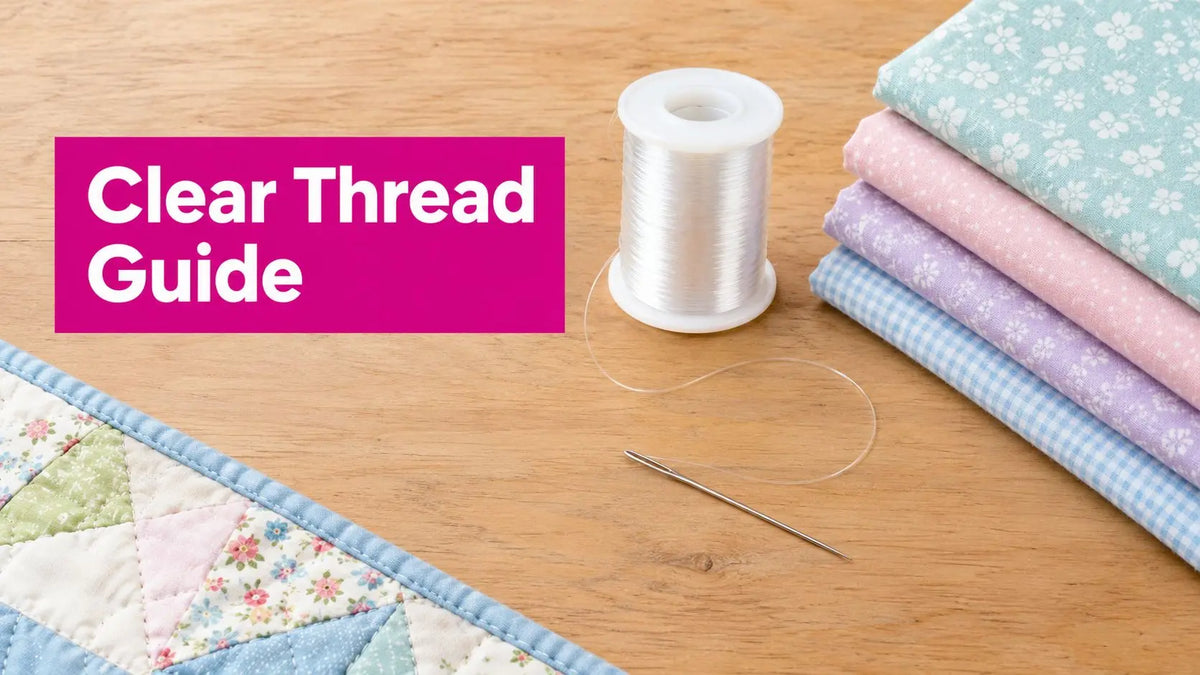
Clear monofilament is a single-strand synthetic thread designed for nearly invisible stitching. Modern versions can be around .004 inches or less, and technical references report average elongation of about 31%, helping the thread move with fabric instead of snapping under movement (Etsy's clear monofilament overview). The professional result comes from choosing the thread that runs cleanly through your machine, even when a slightly thicker option is less invisible.
Rethinking Invisible Thread for Modern Longarms
Clear sewing thread earned its reputation the hard way. Earlier monofilament versions were described as thick, stiff, and “like fishing line,” which made them difficult for sewing machines to handle. Today's products are finer, softer, and more flexible, but the old reputation still influences buying decisions. Many quilters see a transparent spool and assume every clear thread behaves the same.
It doesn't. A .004-inch monofilament and a .006-inch monofilament place different demands on the needle eye, tension discs, thread path, and bobbin casing. Technical thread guidance pairs .004-inch, Tex 8 thread with 55/7 to 65/9 needles, while .006-inch, Tex 18 thread calls for 70/10 to 80/12 needles (The Thread Exchange monofilament information). That difference matters far more than the word “clear” on the label.
The machine-tuning mindset
Our team in McKinney, Texas, treats clear thread selection as a tensioning exercise. The correct question isn't only, “How invisible is this thread?” It's also:
- Does the thread pass smoothly through the needle eye?
- Can the tension system control it without loops?
- Does the bobbin casing hold consistent pressure?
- Will the thread tolerate the quilt's movement and finishing process?
A transparent stitch that breaks every few inches isn't a professional finish. A slightly more visible thread that runs steadily can produce a better quilt because the stitch line stays continuous and the tension remains balanced.
Practical rule: Test clear sewing thread on a layered sample using the same batting loft, backing, needle, bobbin, and quilting speed you'll use on the finished quilt.
Clear thread is especially useful when a single thread color would fight with a multicolored quilt top. It can secure appliqué, soften the appearance of decorative quilting, and create a clean finish without visible topstitching. The transparent seam also reduces the need to rethread for every fabric color, which makes inventory and workflow simpler (clear monofilament product guidance).
Nylon vs Polyester Monofilament Materials
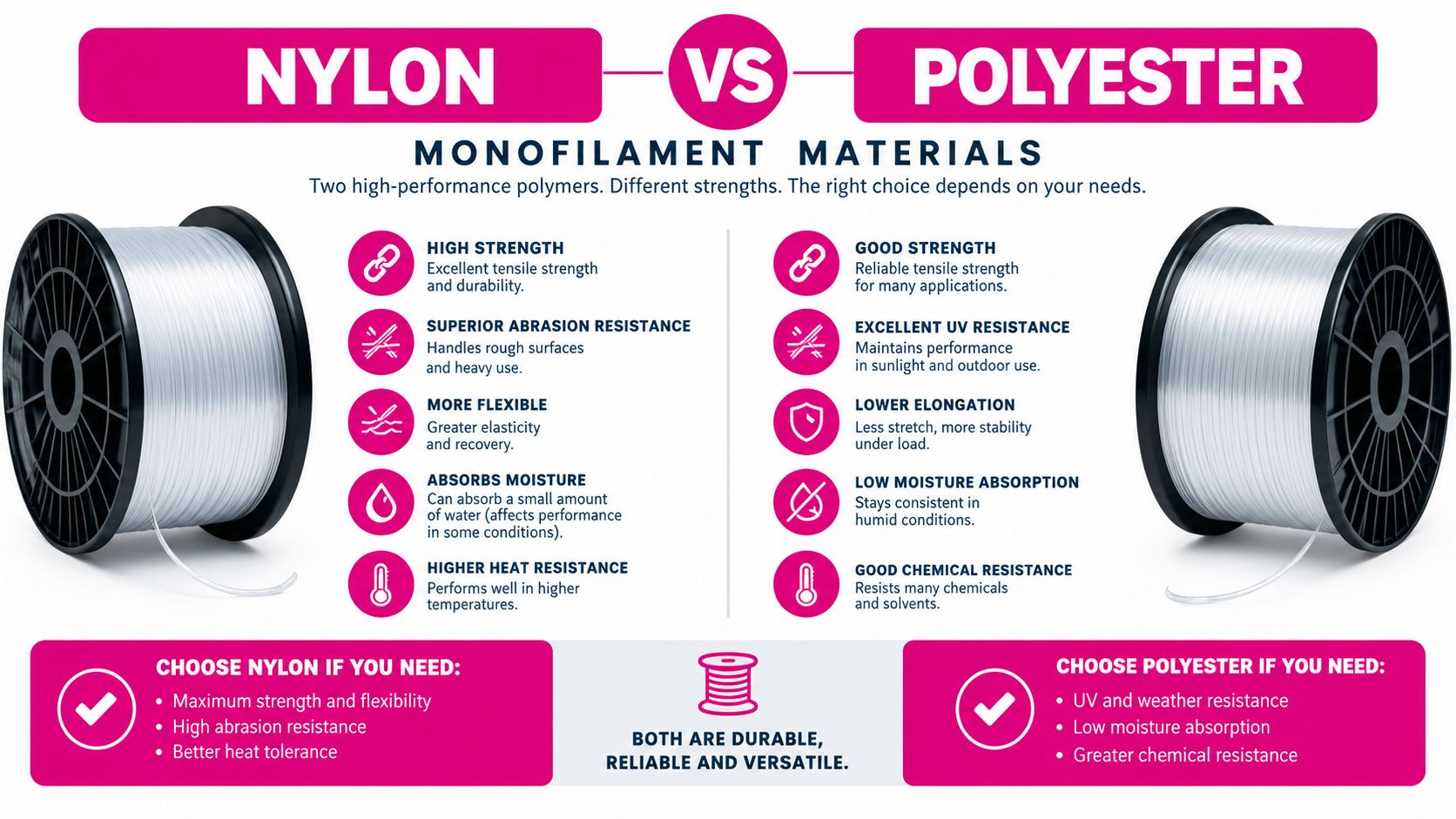
Fiber choice controls how clear sewing thread behaves after it leaves the machine. Nylon monofilament is generally more elastic and strong, while polyester monofilament offers better heat and UV resistance (Mettler technical guidance on clear thread). That distinction becomes important when a quilt will be pressed heavily, displayed near daylight, or handled frequently.
Nylon often feels softer and gives more readily during stitching. That elasticity can be forgiving on fabric with movement, but it also means the thread may respond poorly to excessive iron heat. Sewing guidance recommends low-heat pressing and a pressing cloth for nylon clear thread (Handmadelytics guide to sewing with invisible thread). Direct heat can soften or distort the monofilament, especially where the thread sits close to the quilt surface.
Polyester is the more stable choice for projects expected to encounter heat or ultraviolet exposure. A published clear polyester specification lists a 1000 denier size with approximately 7 pounds of nominal break strength and 17% elongation at break, with a recommended Nm 90–110 needle range (Mettler clear thread specifications). Heavier polyester sizes trade some subtlety for handling and seam strength.
Choosing by project conditions
| Project condition | Nylon monofilament | Polyester monofilament |
|---|---|---|
| Stretch and fabric movement | More elastic and forgiving | Less elastic, more stable |
| Pressing exposure | Requires low heat and a pressing cloth | Better suited to higher heat |
| UV exposure | Less resistant | Better UV resistance |
| Long-term stability | Useful when softness matters | Preferable for display or frequent handling |
| Quilting priority | Movement and flexibility | Durability and heat resistance |
For a wall quilt that will receive careful handling, polyester is usually the safer long-term material. For a flexible decorative project where softness and stretch matter more than pressing tolerance, nylon can be a reasonable choice.
Check the fiber before you load the spool. “Invisible” describes appearance, not performance. Both clear and smoke-colored invisible thread are commonly available in nylon and polyester, and polyester holds up better against ultraviolet light and higher temperatures (Sewing.org invisible thread guideline).
Matching Thread Diameter to Needle Sizes
The needle is often the first place to look when clear sewing thread breaks. A monofilament that's too large for the eye can rub, shred, or heat up as it passes through the needle. A needle that's too large for a fine thread can disturb the fabric and create an unstable stitch formation.
Thread diameter and Tex describe the thread's physical size. Needle size describes the needle's shaft and eye dimensions. They work as a system, not as separate purchasing decisions.
Use the size chart as a starting point
| Thread diameter | Tex / denier | Recommended needle size |
|---|---|---|
| .004 inch | Tex 8 / 85 denier | 55/7–65/9 |
| .005 inch | Tex 14 / 130 denier | 65/9–70/10 |
| .006 inch | Tex 18 / 180 denier | 70/10–80/12 |
These pairings come from technical monofilament guidance (thread diameter and needle compatibility chart). Treat them as a starting point, then test on your actual longarm and quilt sandwich. Fabric density, batting loft, stitch length, and machine speed can change the result.
What the wrong needle looks like
A needle that's too small may force the thread against the eye and groove. The monofilament can abrade, flatten, or snap before the stitch forms. You may see fraying near the needle, repeated breaks at higher speed, or a stitch that suddenly loses its top tension.
A needle that's too large can create a different set of problems. The oversized eye may leave a visible puncture, loosen the fabric around the stitch, or allow the thread to move unpredictably. On a longarm, that can show up as uneven tension on the quilt back or a line of loose stitches.
Start with a fresh needle. Thread damage can occur before the machine develops an obvious timing or tension problem. Confirm that the thread sits fully in the tension path, then sew a sample at the intended speed. If the thread still breaks, move one needle size within the appropriate range before making dramatic bobbin adjustments.
Needle sizing also affects standard sewing and embroidery machines. Fine clear sewing thread is better suited to a fine needle, while heavier monofilament needs a larger eye and groove. Matching the pair reduces friction and gives the loop former a more consistent opportunity to catch the thread.
The Shift Toward Machine-Specific Thread
Clear sewing thread is moving away from the generic “one spool fits everything” category. Current product catalogs offer monofilament in multiple diameters, from ultra-thin options to heavier-duty sizes, with needle recommendations that vary by thread size (The Thread Exchange monofilament thread catalog). Some transparent products are also packaged specifically for quilting with thread in both the upper path and bobbin.
That specialization reflects a larger sewing economy. One independent estimate places the global sewing thread market at about USD 3.66 billion in 2024, with a projection of USD 4.28 billion by 2030 and a 2.7% CAGR (sewing thread market context). Another estimate places the market at USD 8,758.6 million in 2024, projecting USD 12,266.18 million by 2032 at a 4.3% CAGR (broader sewing thread market estimate). The estimates use different market definitions, but both point to a substantial consumables category.
Industry guidance states that roughly 95% of manufactured sewing thread is used in commercial and industrial sewing (commercial sewing thread context). Professional garment, upholstery, and technical-sewing demands push manufacturers toward predictable tension, controlled stretch, and reliable performance. Quilters benefit when those requirements reach longarm products.
Reliability beats extreme thinness
The thinnest spool isn't automatically the right spool. Ultra-fine clear sewing thread can disappear beautifully, but it may demand a finer needle, careful tensioning, and slower troubleshooting. A slightly heavier monofilament may be easier to control through the tension discs and bobbin casing, particularly on a high-speed longarm.
Linda's Electric Quilters offers clear thread options including Clear-Glide, a 60wt polyester thread, and Clear-Quilt, a 50wt cotton thread, through its product and deals selections. Compare the thread's fiber, weight, and intended use rather than choosing only by the word “clear.”
A good buying test is simple. Purchase enough thread for a controlled sample, confirm the machine can maintain balanced stitches, and then inspect the quilt back. If the thread breaks, loops, or requires constant hand adjustment, it's the wrong match for that setup, regardless of how transparent it looks.
Best Use Cases for Invisible Stitching
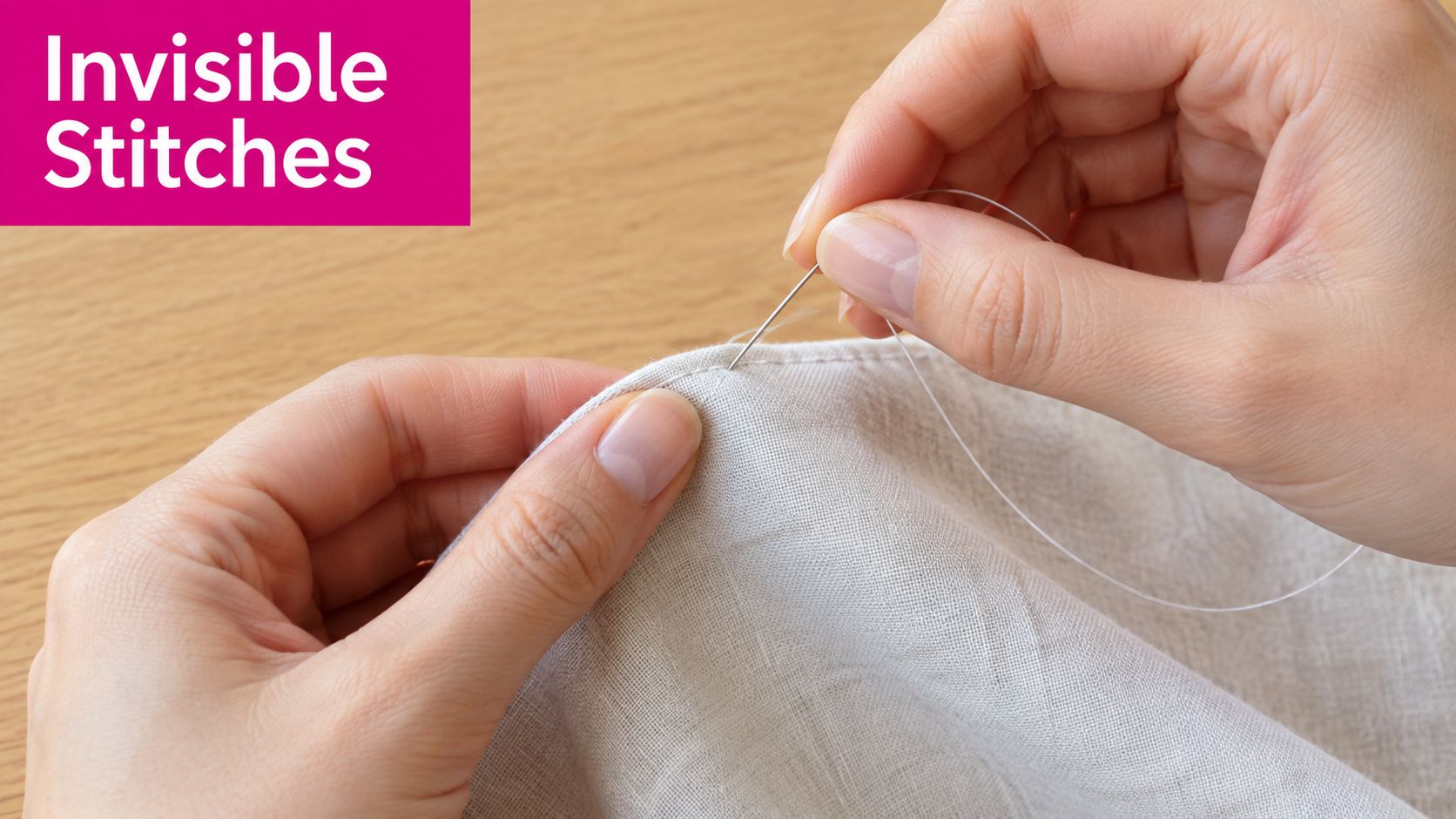
Clear sewing thread earns its place when color matching would be more distracting than helpful. It works particularly well over prints, multicolored appliqué, and decorative motifs where a contrasting thread would interrupt the design. It can also secure a binding edge or add restrained quilting texture without introducing another visible color.
Top thread or bobbin thread
Using clear sewing thread in the needle lets the quilting blend into the top. This is useful for free-motion designs across fabrics with several colors or for appliqué where the edge should remain visually quiet. Keep the needle thread light enough for the needle and tension system, then use a compatible bobbin thread that lets you read the back of the quilt clearly.
Using monofilament in the bobbin can reduce color changes, but it also adds another slippery thread to the bobbin casing. A balanced setup may require careful bobbin tension adjustment and a controlled test before loading the full quilt. If loops appear on the back, don't assume the thread itself is defective. Check threading, bobbin seating, needle condition, and tension in that order.
True clear thread generally blends better with light fabrics. Smoke-colored invisible thread is often more suitable for dark fabric, while clear is preferred for light fabric (Sewing Parts Online thread reference). On a mixed-color quilt, evaluate the dominant value and the location of the quilting. A smoke thread may disappear into navy and charcoal areas but look gray over pale cotton.
Where the stretch helps
Monofilament's average elongation of about 31% can help a seam or quilting line move with fabric rather than snapping under tension (clear monofilament technical overview). That makes clear sewing thread useful for quilting with movement, wearable art, flexible borders, and decorative stitching where a rigid thread could stand out or break.
It's also useful for attaching appliqué pieces when the fabric colors change across the shape. The stitch remains subtle, and the thread inventory stays simpler because you don't need a separate spool for every shade.
For a practical workflow, sew a short sample over the busiest portion of the quilt. Inspect both the top and the backing under normal room light. Invisible stitching is a visual goal, but clean tension and uninterrupted stitches are the functional goal.
Troubleshooting Tension and Heat Damage
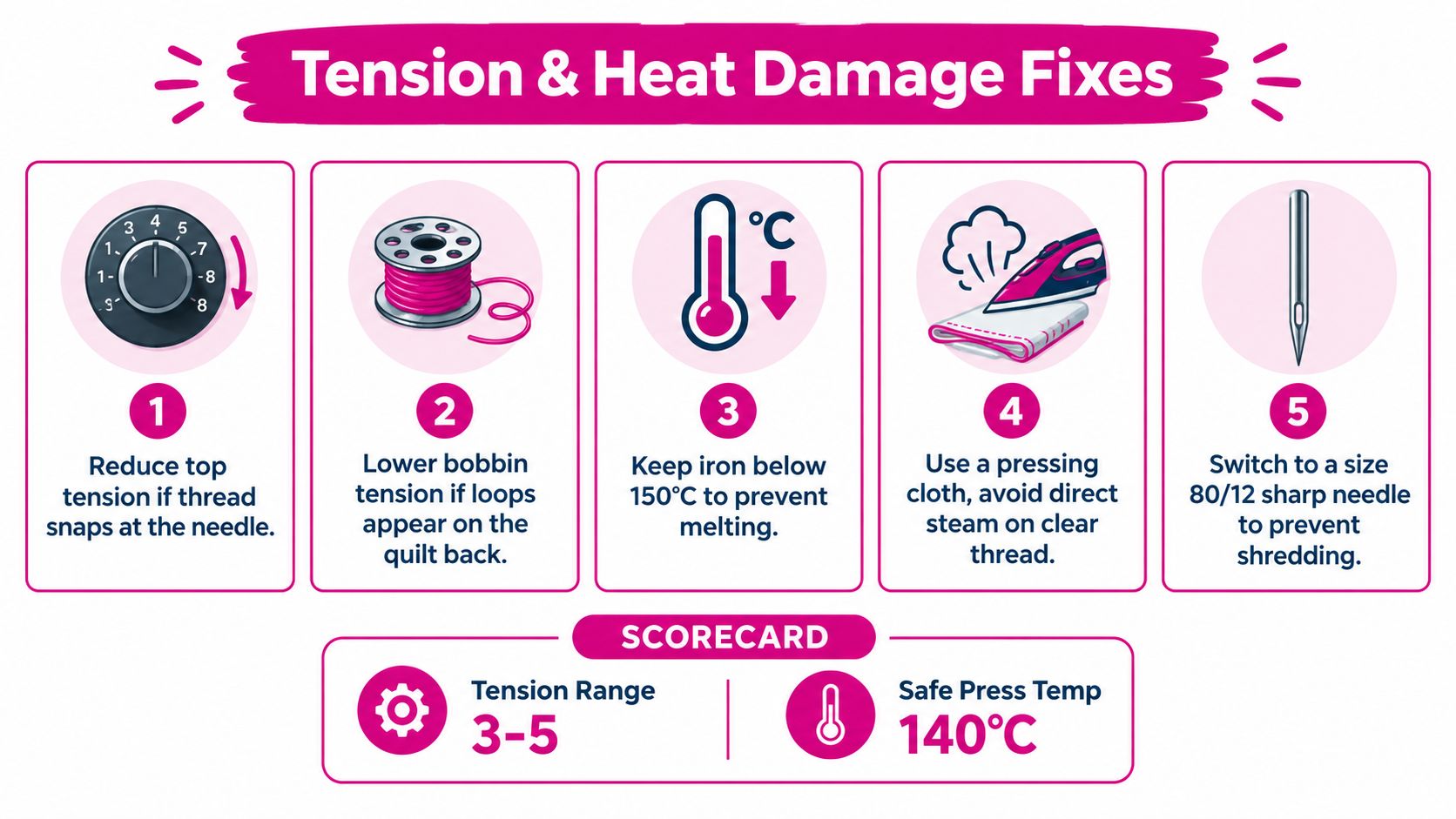
Clear sewing thread is slippery, so tension problems can appear quickly. A bird's nest on the quilt back usually means the upper thread isn't seated correctly, the top tension is too loose for the setup, or the needle thread has escaped the tension discs. Bobbin casing pressure can also contribute when monofilament is used below.
Start with the upper path. Rethread with the presser foot raised, confirm that the thread enters every guide, and check the take-up lever. Then sew a test line and inspect the back before touching the bobbin casing. Small, deliberate adjustments are safer than turning multiple dials at once.
A controlled troubleshooting sequence
- Needle thread breaks: Reduce top tension slightly, inspect the needle eye, and confirm the thread diameter matches the needle.
- Loops appear on the quilt back: Check upper threading first, then evaluate bobbin casing pressure if the problem continues.
- Thread shreds: Replace the needle and move to an appropriate size. A rough needle eye can damage monofilament quickly.
- Stitches skip: Confirm the needle is seated correctly and isn't too fine for the thread and quilt sandwich.
- Thread melts or deforms: Stop pressing and identify whether the spool is nylon. Use low heat and a pressing cloth.
Pro tip: If you're troubleshooting a clear thread break, don't change top tension, bobbin tension, needle size, and speed at the same time. Change one variable, sew a sample, and record the result.
Heat deserves its own warning. Nylon clear sewing thread should receive low-heat handling with a pressing cloth, while polyester tolerates more heat and is better suited to projects that require heavier pressing (heat guidance for invisible thread). Keep the iron moving, avoid pressing directly over exposed monofilament, and test on a scrap from the actual quilt.
A short visual demonstration can help you identify whether the problem is tension or thread placement. Use the clear thread tension and heat troubleshooting video alongside a sample sandwich rather than testing first on the finished quilt.
Frequently Asked Questions About Clear Thread
Does clear sewing thread expire?
Monofilament doesn't have a simple expiration date printed into its behavior. Age, heat, ultraviolet exposure, dust, and poor storage can weaken or distort a spool. If the thread feels brittle, has a strong memory, or breaks during a gentle hand test, don't load it into a longarm.
How should monofilament spools be stored?
Store clear sewing thread away from direct sunlight and heat. Keep the spool clean, upright, and protected from dust. Avoid storing it where the thread can unwind loosely, because uncontrolled unwinding can increase coiling and memory when the thread enters the machine.
Is clear thread safe for machine embroidery?
It can work for selected decorative applications, but test it with the stabilizer, needle, hooping, and design density you plan to use. Dense embroidery creates repeated needle movement and friction, so a thread that behaves well in straight quilting may need different tension and speed settings in embroidery.
Should clear thread go in the needle or bobbin?
Use it in the needle when you want the top quilting or appliqué stitching to blend into the surface. Use it in the bobbin only after testing the bobbin casing and tension, because slippery monofilament can change how the bobbin thread releases.
What should I buy for a first test?
Choose the material according to the project's exposure to heat and light, then select the diameter by the needle chart. Build a sample using the actual batting loft, backing, and quilting speed. If the setup produces consistent tension without repeated breaks, it's a better choice than an ultra-thin thread that disappears but won't run reliably.
Linda's Electric Quilters carries quilting threads, batting, fabrics, notions, and other project supplies for testing and finishing detailed work. Browse the selection at Linda's Electric Quilters, choose a compatible monofilament and needle, and build a test sandwich before committing your clear stitching to the full quilt.