Walking into a quilt shop or scrolling a notions page for the first time can make even a motivated sewist freeze. You need items for sewing, but every shelf seems to insist that everything is essential. It isn't. A sewist doesn't need a giant toolkit on day one. They need a short list of tools that work, a few consumables that won't fight the machine, and a clear sense of what can wait.
That's how we approach it in McKinney. Buy the foundation first. Add upgrades when they solve a real problem. Skip the gadgets that look clever but don't improve accuracy, pressing, cutting, or stitch formation. If you're sewing garments, piecing quilts, making gifts, or easing into embroidery, a thoughtful toolkit will take you much further than an overflowing drawer of random notions.
Your Guide to the Best Items for Sewing
A lot of sewists start the same way. They need thread for a repair, then see rotary cutters, clips, specialty feet, pressing tools, rulers, awls, turners, templates, and storage gadgets. By the time they leave the aisle, they've either overspent or given up.
That confusion makes sense. Many sewing lists pile beginner basics and advanced specialty tools into one long shopping checklist. One of the biggest gaps in sewing education is knowing which items for sewing are essential and which are optional by project type, especially for beginners comparing long “must-have” lists, as noted in Winslets' discussion of sewing tools and prioritization.
The better approach is to sort tools into three groups:
- Use every project. Scissors, needles, thread, pins or clips, measuring tools, and a seam ripper.
- Upgrade when accuracy starts to matter more. Rotary cutter, self-healing mat, acrylic rulers, pressing aids, and specialty feet.
- Buy only for a specific technique. Embroidery stabilizer, longarm rulers, machine-specific parts, or niche pressing forms.
Practical rule: If a tool doesn't improve cutting accuracy, seam consistency, pressing quality, or stitch reliability, it probably doesn't belong in your first round of purchases.
That's a key way to reduce decision fatigue. Don't shop for every possible project you might someday make. Shop for the project that's on your table right now. If you're piecing quilt tops, your priorities will look different from someone hemming garments or stitching machine embroidery on knits.
What Are the Core Tools for Sewing
A workable sewing setup starts with a short list. These are the items for sewing that earn their space every single week.

The tools that should be in every kit
- Fabric shears. Keep one pair only for fabric. Once they touch paper, fusible packaging, or cardboard, you'll feel it in the cut. For quilting cotton, apparel wovens, and batting trims, clean blade action matters more than fancy branding.
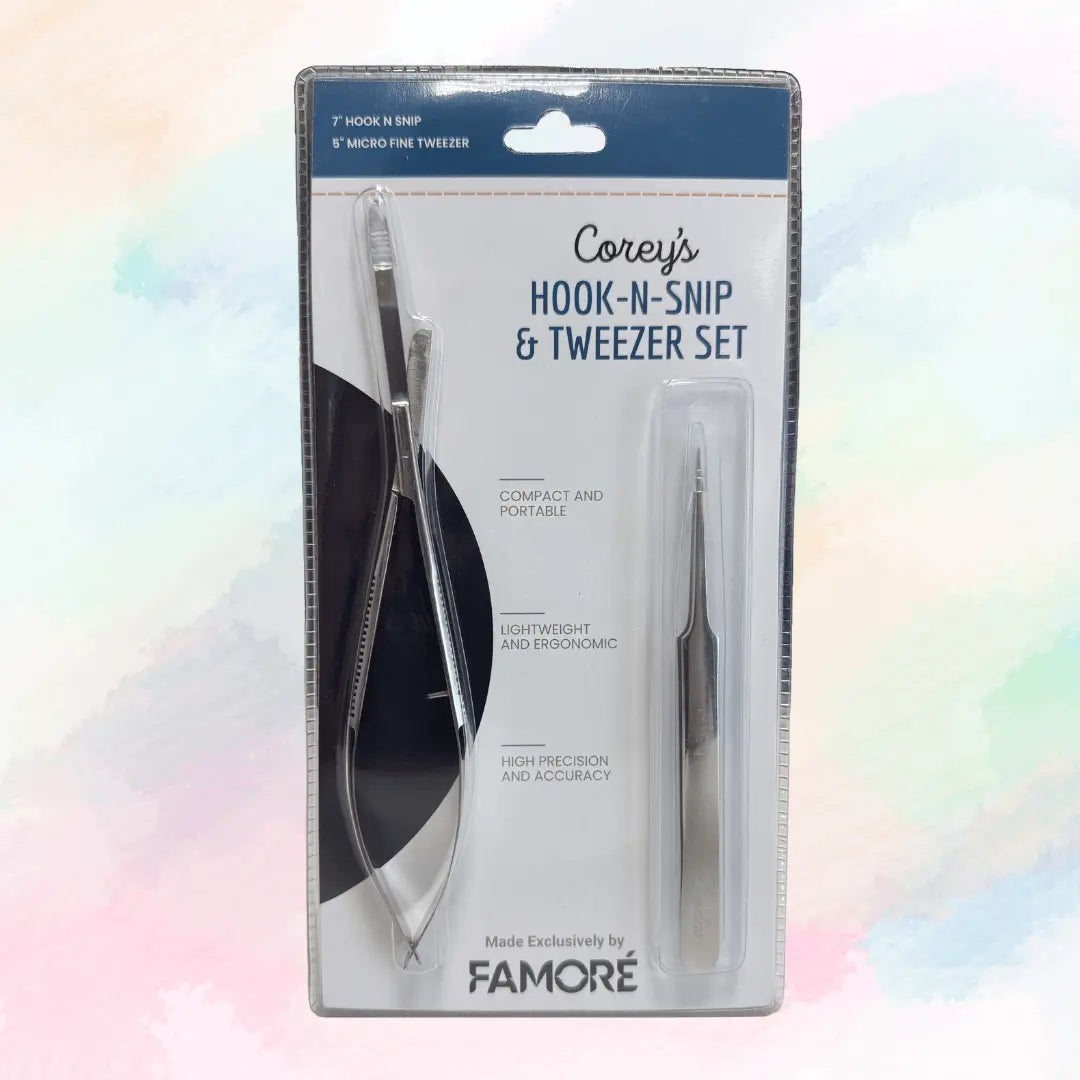
- Small thread snips. These aren't the same as dressmaker shears. Snips stay by the machine and handle loose ends, chain piecing trims, and quick clipping jobs.
- Seam ripper. Everyone uses one. Good sewists use one often because they care about accuracy. A comfortable handle matters if you're opening long seams or correcting topstitching.
- Pins or clips. Pins are still useful for exact placement, curves, and matching seam intersections. Clips are handy for layered seams, bindings, and anything bulky.
- Flexible measuring tape. Garment sewing requires it. Quilters still need one for borders, backing prep, and the occasional non-square reality check.
- Marking tool. Chalk, pencil, or removable marker. Test first on scrap fabric, especially on dark solids and tightly woven fabric.
- Hand-sewing needles. You'll need them for bindings, repairs, closures, and finishing work that looks better by hand.
- Machine needles. Many beginners make a common mistake with these.
Why machine needles matter more than people think
A universal sewing machine needle works for many projects, but fabric should decide the needle, not habit. The wrong point can distort fibers, enlarge stitch holes, and increase skipped stitches. Stretch fabrics do better with a stretch needle, and heavier fabrics need a heavy-duty needle for proper penetration and stitch formation, as described in Instructables' sewing tools and supplies guide.
That sounds technical, but the payoff is simple. Better needle choice means cleaner seams and less machine drama.
If your machine suddenly starts skipping stitches on a fabric that used to sew well, change the needle before you blame the thread, the bobbin, or the machine timing.
What quality looks like in core tools
Cheap basics often fail in small, irritating ways. Scissors fold fabric instead of slicing it. Pins snag. A flimsy tape measure stretches out. A rough seam ripper frays thread instead of cutting it cleanly.
A strong starter kit should feel controlled in the hand. You shouldn't have to fight it.
Here's a helpful walkthrough if you want to see common notions in action before you buy more:
What to buy first if funds are tight
If you can only pick a few items today, start here:
- Good fabric shears
- A fresh pack of machine needles
- Thread in a few neutral colors
- Pins or clips
- A seam ripper
- A measuring tape
That short list will handle mending, beginner quilt blocks, pillow covers, tote bags, and most basic garment practice. If you need to fill in the rest slowly, that's normal.
Choosing Your Essential Sewing Consumables
Tools let you sew. Consumables decide how the project behaves, wears, presses, and holds up after use. Thread and fabric are where a lot of frustration begins, especially when the combination looks fine on the bolt but performs poorly under the needle.
Our team in McKinney sees this all the time with piecing and quilting. Cheap thread sheds lint, drags through tension discs, and introduces inconsistency that people mistake for machine trouble. A smoother thread usually gives you a calmer stitch path and less cleanup in the bobbin area.

Start with thread that matches the job
Thread choice isn't just color. It affects stitch definition, durability, and how the seam handles stress.
| Thread Type | Characteristics | Best For |
|---|---|---|
| Cotton thread | Natural fiber feel, matte look, presses well | Quilting cotton, piecing, natural-fiber projects |
| Polyester thread | Strong, smooth, versatile, lower fuss in many machines | General sewing, garments, home decor, high-speed stitching |
| Embroidery thread | Decorative sheen, meant for visible stitching rather than seam construction | Machine embroidery, decorative details, lettering |
A few practical guidelines help:
- For piecing quilts, many sewists prefer cotton for a flatter, more traditional finish.
- For garments and mixed-fiber fabrics, polyester is often a dependable all-purpose option.
- For visible embroidery, use embroidery thread on top and match the stabilizer and needle to the fabric.
If you're stocking up gradually, keep a few neutrals on hand and add project colors as needed. That keeps your thread drawer useful instead of crowded.
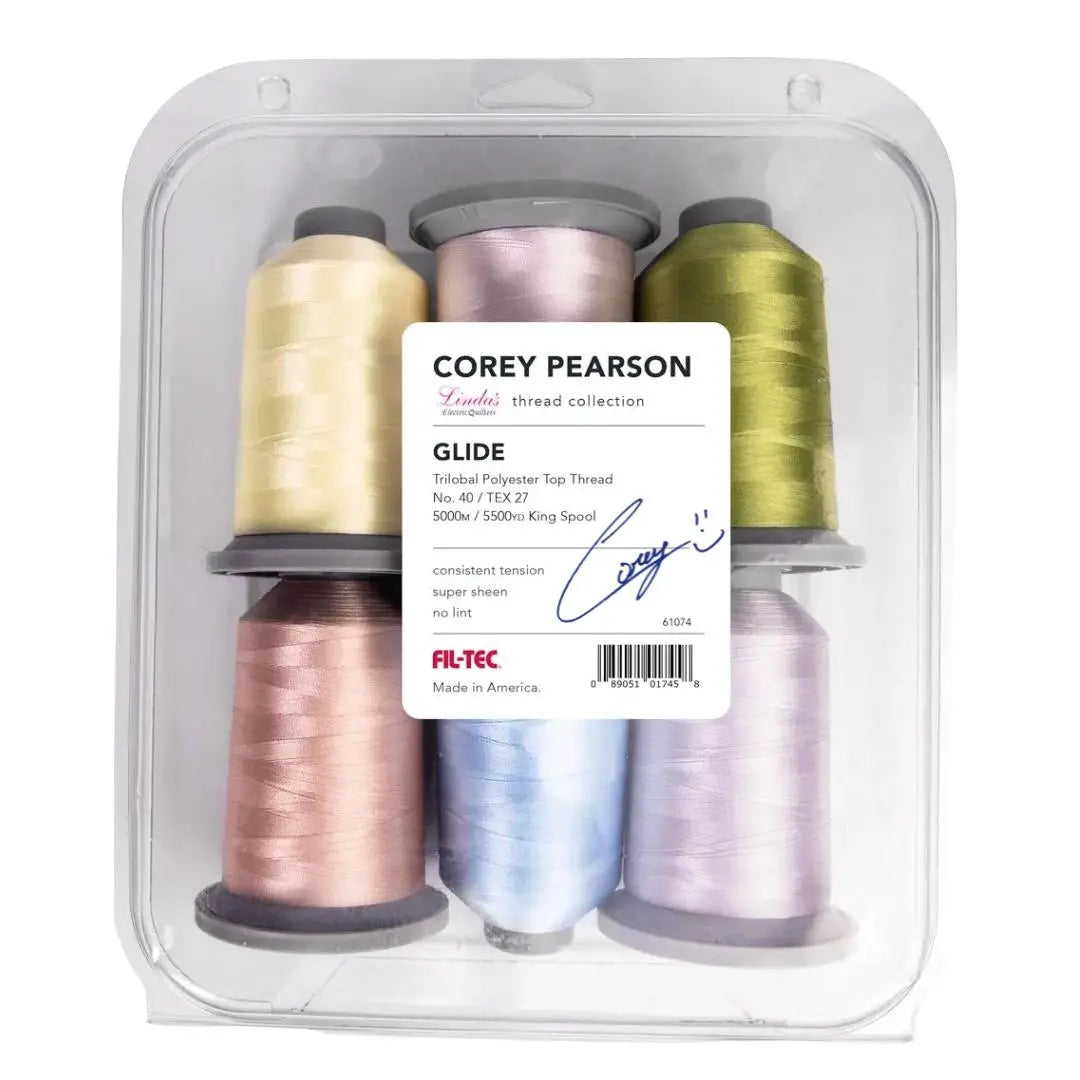
A lot of shoppers who want a smoother polyester option browse Glide Thread because it fits quilting and decorative machine work without forcing a giant first purchase.
Fabric hand and loft matter more than beginners expect
Two words come up constantly in serious sewing rooms: hand and loft.
Hand is how a fabric feels and drapes. Crisp cotton behaves differently from fluid rayon or slippery silk. The same pattern can look structured or soft depending on hand.
Loft is the thickness or springiness of a material. Quilters usually think about loft in batting, but it matters in layered sewing too. High-loft layers need different handling than flat woven cottons because bulk changes feeding, pressing, and seam intersections.
A pattern can be right and still look wrong if the fabric hand fights the design. That's not bad sewing. That's bad pairing.
What to avoid with consumables
Some consumables are false savings.
- Bargain thread with visible lint or rough winding can create tensioning headaches.
- Mystery fabric blends are hard to predict under heat and steam.
- Wrong stabilizer or interfacing can make a neat project look rippled or stiff.
For quilters, batting choice also changes drape, warmth, and stitch definition. If your project includes layers, it helps to compare batting options before you cut, because batting affects the finished feel as much as the top fabric does.
How Can I Upgrade My Sewing Toolkit
Once your basics are covered, the smartest upgrade for most sewists isn't another gadget. It's a cutting system. That means a rotary cutter, a self-healing mat, and a clear acrylic ruler.
Scissors still belong in the sewing room. But for straight strips, repeated units, patchwork, and clean garment layout work, a proper cutting setup saves time and reduces avoidable error.
Why cutting upgrades pay for themselves in accuracy
For reliable cut accuracy, quilting and garment workflows benefit from a self-healing cutting mat paired with a clear ruler. A common utility size is 18" x 24" for the mat and 6" x 24" for the acrylic ruler, which supports stable edge alignment, repeatable seam allowances, and cleaner rotary-cut results than freehand cutting, according to SIY Sew It Yourself's notion guide.
That's exactly why this upgrade matters. Bad cutting doesn't stay at the cutting table. It shows up later as:
- Seams that won't match
- Blocks that drift out of square
- Borders that wave
- Garment pieces that mysteriously refuse to align

The upgrades that make the biggest difference
Not every upgrade changes your sewing day. These usually do.
- Rotary cutter. Best for strips, patchwork shapes, and stacked cuts.
- Acrylic ruler. Lets you see grain, print direction, and edge alignment while cutting.
- Self-healing mat. Protects the blade and gives you a gridded work surface.
- Magnetic pin holder. Convenient for fast grabbing and cleanup, especially at the machine.
- Tailor's ham or pressing aid. Helpful for shaping curved seams, darts, collars, and sleeve caps.
- Specialty presser feet. A walking foot, quarter-inch foot, or zipper foot can solve very specific problems cleanly.
What can wait
You probably don't need every clever notion in the first year. Decorative specialty rulers, niche turning tools, novelty marking gadgets, and duplicate versions of the same cutter usually fall into the “later” category.
I'd rather see a sewist buy one reliable ruler than a drawer full of gadgets that never improve the work.
Shop-floor advice: If you quilt, cutting accuracy is a quality issue, not a convenience issue.
If you want a practical next step after the core kit, a cutting system is where I'd put the money.
Specialty Items for Longarm Quilting and Embroidery
Longarm quilting and machine embroidery ask more from your setup than basic sewing does. The margins are tighter. Stitch consistency matters more. Small mismatches in thread, needle, stabilizer, or tensioning show up quickly on the finished piece.
What longarm quilters should prioritize
On a longarm, thread path smoothness and needle choice affect everything. If a thread frays, a needle is slightly wrong for the quilt sandwich, or the bobbin casing has buildup, you'll see it in the stitch quality.
Our team in McKinney, Texas, has spent a lot of time testing threads on Innova longarm machines. In daily use, smooth low-lint polyester options tend to run cleanly at speed and reduce the nuisance issues that interrupt quilting flow.
A practical place to start is the thread itself. The 10000 White Glide Polyester Thread is one example of a smooth polyester spool used for quilting and other machine applications where consistency matters.

What embroidery sewists need that basic sewing doesn't
Embroidery adds one consumable that beginners often underestimate: stabilizer.
Use the wrong stabilizer and the design may tunnel, pucker, shift, or distort the base fabric. The right choice depends on the fabric and the finished use.
- Cut-away stabilizer works well when the fabric needs lasting support.
- Tear-away stabilizer suits projects where clean removal matters and the fabric is stable enough.
- Wash-away stabilizer helps when you don't want visible backing left behind.
Needles matter here too. Dense embroidery on the wrong needle can shred thread or scar the fabric surface.
The longarm and embroidery extras worth buying on purpose
These aren't impulse purchases. They solve specific technical needs.
| Specialty Item | What It Helps With | Best Use |
|---|---|---|
| Longarm ruler | Consistent guided motifs and controlled lines | Ruler work on framed quilts |
| Bobbin maintenance tools | Cleaner bobbin area and steadier stitch quality | Routine longarm upkeep |
| Stabilizer | Supports fabric during embroidery | Machine embroidery on garments, towels, quilts |
| Specialty needle selection | Better penetration and reduced stitch issues | Thick quilt sandwiches, stretch fabrics, dense designs |
If you're learning technique as you build your supply list, a related tutorial like Wideback Fabric Basics helps with planning, especially when your quilting projects get larger and material choices start affecting loading and finishing decisions.
How Do I Build a Sewing Kit on a Budget
A budget sewing kit works best when it's built in layers. That sounds simple, but it's how you avoid buying filler. The biggest kit isn't always necessary. You need a kit that solves the next problem well.
In the United States, consumer spending on sewing materials averaged $28.76 per consumer unit in 2023, according to Statista's annual sewing materials expenditure series. That fits what many sewists already know from experience. Sewing often grows through smaller recurring purchases rather than one huge shopping trip.

Buy in phases instead of buying a giant kit
A smart budget plan looks like this.
Phase one is the usable minimum.
Get fabric shears, basic thread colors, machine needles, pins or clips, a measuring tape, and a seam ripper.
Phase two is where frustration drops.
Add a rotary cutter, ruler, mat, and better marking tools.
Phase three is project-specific.
Buy batting, stabilizer, specialty presser feet, or longarm tools only when a project requires them.
That order matters. The wrong order leads to drawers full of novelty notions and no decent scissors.
Where to splurge and where to save
Some items earn the extra spend immediately. Others don't.
- Splurge on shears. A poor cut affects everything after it.
- Splurge on thread. Smooth, reliable thread helps stitch quality and tensioning.
- Save on storage at first. You can organize with simple boxes or tins until your collection grows.
- Save on duplicate notions. One good seam ripper beats three cheap ones.
- Splurge carefully on rulers. Buy the size you'll use often, not a full ruler library.
Pro tip: Starter kits can be useful, but check whether they include real essentials or just filler. A kit with weak scissors, low-grade thread, and random gadgets often costs more in the long run because you'll replace the important parts first.
Which household substitutes work and which don't
Budget sewing doesn't mean careless sewing. Some substitutes are perfectly reasonable. Others create waste.
Good low-cost substitutions often include:
- Washers as pattern weights for keeping pattern pieces steady
- Simple containers for bobbin or clip storage
- A clean pressing cloth from household cotton
Less reliable substitutions include:
- Random scissors for fabric, because dull blades chew edges
- Improvised clips with rough edges, which can mark delicate fabric
- Unknown markers, because they may stain or resist removal
That trade-off matters. A substitute is only smart if it preserves safety, precision, and fabric quality.
Budget by project type, not by fantasy sewing
If you only mend clothes, don't shop like a quilter. If you piece quilt tops, don't start by buying embroidery stabilizers. Build around your real use.
For example:
- Garment sewing needs measuring accuracy, pressing support, and fabric-sensitive needles.
- Quilting benefits early from rotary cutting tools, rulers, thread consistency, and batting planning.
- Hand sewing can start with a much smaller list than machine quilting or embroidery.
The easiest way to save money is to stop buying for projects you aren't making yet. The second easiest is to buy fewer, better tools.
Frequently Asked Questions About Sewing Items
Questions about items for sewing usually come down to maintenance, prioritization, and knowing what alters results. Here are the answers we give most often in the shop.
What sewing items should a beginner buy first
Start with the basics you'll use every time: fabric shears, thread, machine needles, a seam ripper, pins or clips, and a measuring tape. If quilting is your main goal, add a rotary cutter, ruler, and mat next. If garments are the goal, put that next round of money into pressing tools and better marking tools.
The key is prioritizing by project type so you don't spend on optional tools too early.
Do I need expensive sewing tools to get good results
No. You need reliable tools in the places where precision matters. Good shears, suitable needles, and decent thread matter much more than a drawer full of novelty notions.
A modest toolkit with strong fundamentals will outperform a crowded toolkit full of weak basics.
How often should I replace sewing machine needles
Replace them when performance drops, when you switch to a very different fabric, or when the needle has seen enough use that stitch quality starts slipping. A bent or dulled needle can cause skipped stitches, rough seam appearance, and unnecessary wear on the fabric.
If a machine suddenly acts temperamental, a fresh needle is one of the first things to try.
Are rotary cutters better than scissors
For many quilting and straight-edge cutting tasks, yes. They're faster and often more accurate when paired with a ruler and mat. Scissors still matter for clipping curves, trimming seam allowances, cutting awkward shapes, and general sewing room tasks.
Most experienced sewists end up using both. They just use them for different jobs.
Which sewing tools are essential and which are optional
That depends on what you sew, but the general divide is clear. Core items are shears, needles, thread, measuring tools, pins or clips, and a seam ripper. Optional items are the ones tied to a technique, such as embroidery stabilizer, longarm rulers, or specialty pressing forms.
If you're trying to sort the list, ask one question: does this tool improve cutting, stitching, pressing, or finishing on the projects I make right now?
For a quick visual refresher on tool handling and machine setup, it helps to watch a sewing demonstration before adding more tools to your cart. Seeing how a notion is used often tells you faster than a product label whether it belongs in your room.
FAQ schema markup
<script type="application/ld+json">
{
  "@context":"https://schema.org",
  "@type":"FAQPage",
  "mainEntity":[
    {
      "@type":"Question",
      "name":"What sewing items should a beginner buy first",
      "acceptedAnswer":{
        "@type":"Answer",
        "text":"A beginner should start with fabric shears, thread, machine needles, a seam ripper, pins or clips, and a measuring tape. Quilters should add a rotary cutter, ruler, and mat next."
      }
    },
    {
      "@type":"Question",
      "name":"Do I need expensive sewing tools to get good results",
      "acceptedAnswer":{
        "@type":"Answer",
        "text":"No. Reliable basics matter more than buying every gadget. Good shears, suitable needles, and quality thread usually improve results more than novelty notions."
      }
    },
    {
      "@type":"Question",
      "name":"How often should I replace sewing machine needles",
      "acceptedAnswer":{
        "@type":"Answer",
        "text":"Replace needles when stitch quality drops, when switching to a very different fabric, or when the needle may be bent or dull."
      }
    },
    {
      "@type":"Question",
      "name":"Are rotary cutters better than scissors",
      "acceptedAnswer":{
        "@type":"Answer",
        "text":"For many quilting and straight-edge cutting tasks, rotary cutters are faster and often more accurate when used with a ruler and mat. Scissors are still important for curves, trimming, and detail work."
      }
    },
    {
      "@type":"Question",
      "name":"Which sewing tools are essential and which are optional",
      "acceptedAnswer":{
        "@type":"Answer",
        "text":"Essential tools include shears, needles, thread, measuring tools, pins or clips, and a seam ripper. Optional tools depend on project type, such as stabilizers for embroidery or rulers for longarm quilting."
      }
    }
  ]
}
</script>
If you're ready to build a smarter sewing kit, browse the notions, thread, batting, and project supplies at Linda's Electric Quilters. If you're not sure what belongs in your cart yet, start with the project you want to finish next, then choose the tools that make that project easier, cleaner, and more enjoyable to sew.