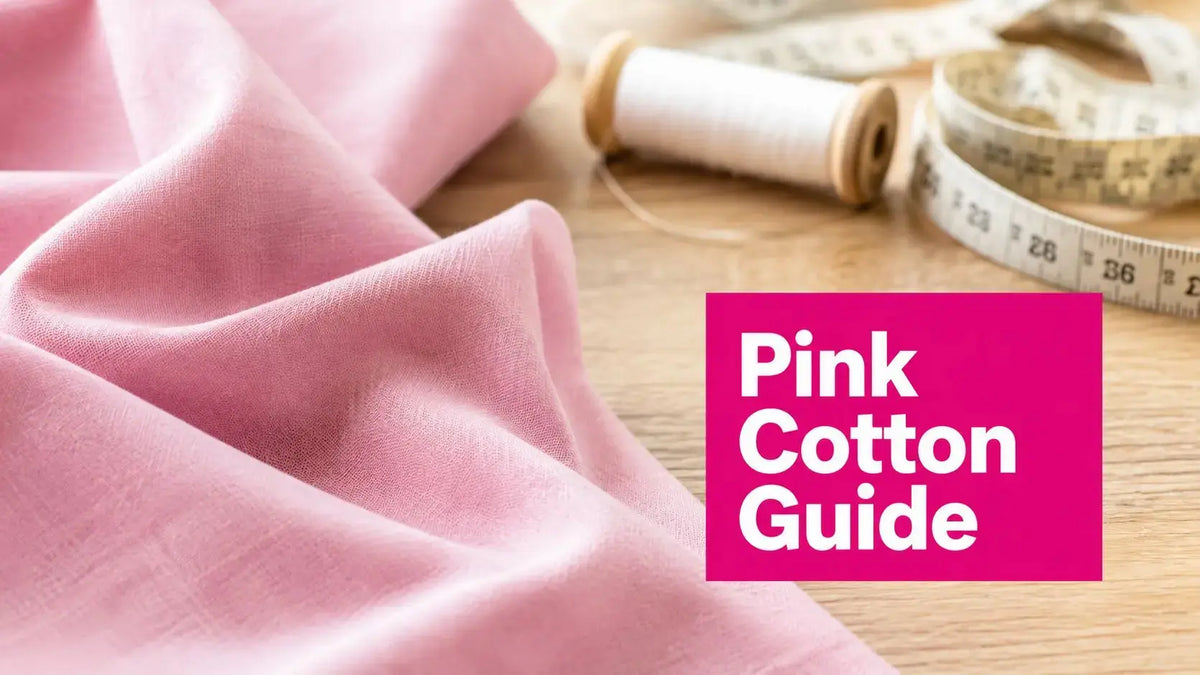
You can stand in front of two pink bolts that look almost identical and still end up with two very different sewing experiences. One pink cotton fabric may press flat, hold a seam, and keep its color after washing. The other may fuzz, shift, or bleed just enough to turn a clean project into a repair job.
That's why pink cotton fabric is a technical decision, not just a color choice. The fiber, weave, weight, and finish decide how it feels under the needle and how it behaves after the first wash. In a quilt shop, that distinction matters fast, especially when the project has to survive real use.
What Pink Cotton Fabric Really Is
At the counter, pink often reads as a style choice. In practice, pink cotton fabric is a fiber choice first, then a color choice. Cotton itself is a cellulose-based natural fiber from the Gossypium plant, and one industry guide says a single cotton boll contains about 250,000 individual fibers and that cotton is roughly 90% cellulose (Fibre2Fashion cotton fabric guide). That structure is why cotton usually feels familiar, breathes well, and presses in a way sewists trust.
The color is only half the story
Pink became a mainstream textile color because it has real fashion history behind it. A textile-history source notes that pink rose sharply in popularity in the 18th century during the French court of Louis XV, and another historical timeline says the pink-as-feminine association shifted much later in the 1950s in the United States. That long runway matters because it helps explain why pink cotton fabric isn't a novelty aisle item, it's a stable category in quilting, apparel, and home sewing.

For buyers who want a portfolio example of how pink can be presented in a textile context, the Next Point Digital ecommerce portfolio is a useful visual reference.
Practical rule: If two pinks look similar on screen, assume the better fabric is the one with clearer fiber and finish details on the listing.
The part most shoppers miss is that pink cotton fabric changes with weave and finish. A soft pink quilting cotton and a smooth pink poplin can both read as “pink,” but they won't behave the same at piecing, pressing, or washing. That's why the rest of the buying process needs to focus on how the cloth is built, not just how it looks in the photo.
Fiber Types and Weaves You Will Encounter
Start with the fiber, then check the weave. Long-staple cotton usually gives pink a smoother surface and a more even-looking dye result, while short-staple cotton can feel fuzzier and show wear sooner on a shade that gets a lot of visual attention.
Plain weave, poplin, voile, and broadcloth
Plain weave is the simplest structure to read on a bolt. Warp and weft cross evenly, so the cloth usually stays predictable under the presser foot. That is why many quilting-weight pinks fall into this group, and why the hand feels familiar to most sewists.
Poplin is a practical pink cotton fabric choice because it reads as smooth and crisp. A plain-weave poplin listing shows a weight of 125 g/m² and a width of 146 cm (pink cotton fabric listing). Voile feels lighter and airier, so it fits better when drape matters more than structure. Broadcloth sits in the middle, with enough body for shirts and simple garments without feeling stiff.
The finish changes the hand as much as the weave does. Mercerized cotton usually looks cleaner and takes dye more evenly, while washed cotton has a softer touch and a more relaxed texture. For pink, that difference shows up fast. A smoother finish usually keeps the color presentation steadier in high-friction projects, while a washed finish can feel comfortable right away but show more crease texture.
Shop-floor shortcut: If the pink feels fuzzy in your hand before you buy it, expect more visible surface wear later.
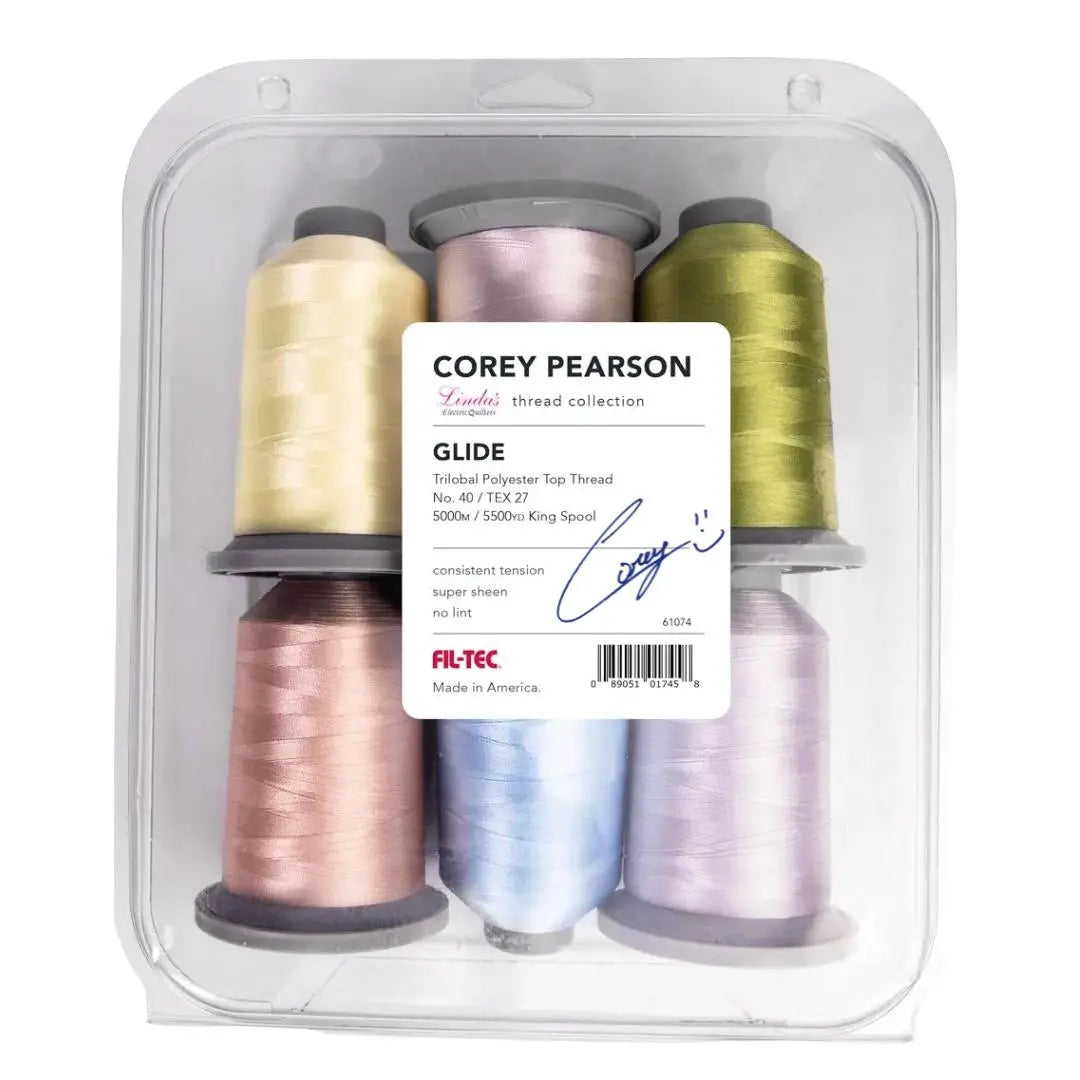
If you are matching fabric and thread for a smooth seam, the 008 Sand Dollar Signature Cotton Thread fits the same technical idea. Its three-ply, long-staple cotton construction and mercerized finish suit a stable pink cotton fabric, especially for longarm quilting and general sewing.
- Plain weave pinks suit quilting, patchwork, and lining work.
- Poplin pinks suit shirts, children's garments, and crisp details.
- Voile pinks suit drapier tops and lightweight layers.
- Broadcloth pinks suit everyday sewing where you want body without bulk.
Reading Fabric Weight and What It Means for Your Project
Weight is where pink cotton fabric stops being a color choice and starts acting like a project choice. Plain-woven pink cotton commonly sits in the lightweight to midweight range for shirting and quilting, while washed cotton can feel noticeably heavier, as noted in the poplin specification above and the washed cotton listing. Heavier cloth gives more opacity and less seam show-through. Lighter cloth pieces more easily and presses flatter.
What the numbers feel like in your hands
A lighter pink cotton fabric usually behaves better in patchwork with lots of intersections. It folds without fighting the seam allowances, and it does not add the same bulk in corners. A denser cloth feels more substantial, and that extra body helps when the fabric needs to hold up on a pillow front or a garment that sees regular wear.
| Pink Cotton Weight Ranges by Project Type | Feel and Drape | Best Project Fit |
|---|---|---|
| 120 to 130 g/m² | Light, soft, easy to press | Piecing, garments, lining, delicate patchwork |
| 135 to 150 g/m² | Balanced body, still manageable | Quilting cotton, children's clothing, general sewing |
| Around 170 g/m² | More opaque, firmer hand | Pillow fronts, durable garments, washed-cotton décor |
The trade-off is bulk versus coverage. If a pink is too light for the job, seam allowances can show through and the quilt top may look flatter than you expected. If it is too heavy, intersections can feel thick and the machine may need a longer stitch length and a sharper needle to keep the seam from distorting.
Oeko-Tex certification gives a practical signal for skin-contact projects, and one washed pink cotton listing specifies Oeko-Tex Standard 100 Class II, 170 g/m², and 100% cotton. That kind of detail matters when the project will sit close to skin, like baby items or pillowcases. It also helps confirm that the fabric has enough body for frequent handling without feeling stiff.
Prints, Dyes, and How to Test Colorfastness
A pink cotton fabric can look right on the bolt and still misbehave in the wash if the dye sits loosely on the surface. Printed pinks, yarn-dyed pinks, and piece-dyed pinks do not hold color the same way, because the color may stay near the surface or travel through the yarn more evenly. Fiber structure, weave density, and finish all shape how that color holds up, not just the shade itself.
A simple test before you cut
Use a scrap, not the full yardage. Dampen a white cloth with cool water, press it onto the pink fabric, rub gently, then apply moderate heat with a warm iron for a few seconds and check for transfer. If the white cloth picks up color, treat the fabric as a risk until it is prewashed and tested again.
Practical rule: Do not trust the swatch alone. A small pink sample can look stable and still bleed once the fabric gets agitation and heat.
Prewashing helps control shrinkage and lets you find trouble before the project is assembled. Detergent choice matters, and so does the drying method, because heat and friction can expose weak dye bonds. Some sewists use dye-locking products or vinegar soaks, but those steps do not guarantee success, so the safe move is to test first and cut later.

The earlier fiber and weave choices matter here too. A tightly woven, smoother pink usually gives you a better starting point for color stability than a fuzzy, loose construction. A finish can change the result as well, since some treatments hold dye on the surface more than others, and that shows up as soon as moisture and heat enter the picture. As noted in the weight specifications above, a fabric with more body may feel dependable in hand, but colorfastness still has to be tested on the actual cloth you plan to sew.
Prewashing and Preparing Pink Cotton for the Cutting Table
Prewashing pink cotton fabric isn't fussy work, it's damage control. Pink is one of those colors that can telegraph onto lighter quilt backs, sashing, or lining if the dye isn't settled before assembly. A small mistake during prep can turn into an ugly surprise after the first wash.

Prep choices that save the project
Use the same basic wash routine you expect the finished piece to get. If the quilt will be washed warm and dried in a machine, prewash the fabric in a similar way so shrinkage happens before cutting, not after binding. Press the cloth dry enough to flatten it, because wrinkles throw off the grain line and make cutting less accurate.
Pro tip: Cut a small corner, press it, and wash that first if the bolt feels questionable. That tiny test shows you how the pink handles shrinkage and color before you commit a full yard.
After prewashing, let the fabric relax fully before you square it up. If you're working with multiple pinks in one quilt, prewashing them together in similar conditions reduces uneven behavior later. That matters even more on pieced projects with pale backgrounds, where a bleeding pink can stain a block that was perfectly matched on the design wall.
For sewists who want to compare fabric prep paths across projects, here's the practical split:
- Quilting: Prewash when mixing shades or using light backs.
- Apparel: Prewash when fit and shrinkage matter.
- Home décor: Prewash when the item will be laundered often.
- Embroidery bases: Prewash when the fabric needs to stay stable under stitching.
The right prep routine doesn't just protect color, it protects your measurements and your seams. If the fabric changes after you cut it, every alignment decision downstream gets harder.
Matching Pink Cotton to Quilts, Apparel, Home Decor, and Embroidery
A good pink cotton fabric choice depends on what the piece has to do, not just how cute it looks in a stack. A baby quilt needs different behavior than a child's dress. A pillow front needs more body than an embroidery base, and a scrap quilt can absorb more variation than a sewn garment.
Project fit by use case
For a baby quilt, a midweight quilting cotton makes the most sense, especially when the listing includes a skin-contact certification like Oeko-Tex. That gives you enough body for piecing and enough confidence for everyday use. For a child's dress, lighter pink poplin or voile gives better drape and less stiffness at seams.
A decorative pillow can take a heavier washed cotton because the front needs some structure and the seams won't be as stressed as a garment seam. For machine embroidery, use a tightly woven pink cotton fabric so the stitch pattern doesn't sink into the surface. Loose weave and high-stretch hand both make the design less crisp.
The how AI stylists work article is useful if you're planning garment color coordination from a styling angle, because it shows how matching can be mapped before you cut. That same mindset helps with pink cotton fabric, especially when you're pairing a main pink with neutrals or one accent print.
A few practical pairings work again and again:
- Blush pink: best for cream, sage, and warm wood tones.
- Rose pink: works well with gray, navy, and soft florals.
- Fuchsia pink: needs a controlled neutral so it doesn't take over the block.
- Dusty pink: behaves well in scrappy quilts and quieter décor palettes.
Specialty textiles like velvet can sit beside pink cotton fabric as an accent, but they don't replace cotton's piecing stability. That's the part most hobbyists learn the hard way. Cotton still wins for predictable seam behavior on most quilts and stitched décor.
Yardage Math, Pattern Matching, and Color Pairings
Pink cotton fabric runs out fastest when the buyer ignores shrinkage, repeats, and mistakes. A simple project can usually work with a 10% shrinkage allowance, while a complex or directional project needs more room, and the article plan below shows the practical split. When the fabric includes a directional print or a border repeat, the cutting math gets less forgiving.
What to add before you order
| Pink Cotton Pairings for Common Project Palettes | Best Neutrals | Accent Pairings |
|---|---|---|
| Blush | Cream, warm white | Sage, soft gold |
| Dusty pink | Gray, oatmeal | Navy, muted green |
| Rose | Ivory, charcoal | Navy, floral mixes |
| Fuchsia | White, black | Teal, clear brights |
Pattern matching matters most with stripes, border prints, and large florals. If the repeat is obvious, give yourself extra cloth so you can line up the design without stealing from the seam allowance. For simple projects, the math stays simpler. For directional layouts, a buffer prevents the kind of shortfall that sends you back to the store halfway through the cut list.
Practical rule: Buy the main pink before the contrast fabrics, then check the shade against your neutral under the same light you'll sew in.
The strongest pairings usually come from contrast you can control. Cream softens pink, gray cools it down, navy sharpens it, sage keeps it natural, and warm woods make it feel calm in home décor. That's the kind of pairing logic that holds together whether you're building a quilt top, a tote, or a nursery project.
Buying Pink Cotton Online and What to Check on Arrival
Online shopping for pink cotton fabric works well when the listing gives you the right specs. Look for fiber content, GSM, width, finish, and any certification that matters to the project. Screens can make a saturated fuchsia look softer than it is, or turn a dusty pink into something warmer, so the product photo is only part of the decision.
When the fabric arrives, inspect the cut edge, check for print shifts, and look for dye inconsistencies before washing the whole order. If the bolt fails the test, set it aside and document the issue right away. A reputable shop should be able to help you evaluate whether the problem is a one-off cut or a larger batch issue.
For readers building a cotton stash, Linda's Electric Quilters carries a broad fabric selection along with threads, batting, notions, and educational resources for quilting and sewing.
If you're ready to choose pink cotton fabric with more confidence, visit Linda's Electric Quilters and shop the cotton, thread, and quilting supplies that fit your next project. Their fabric selection and educational resources make it easier to match weight, weave, and color before you ever cut into yardage.