Use this bar to show information about your cookie policy.
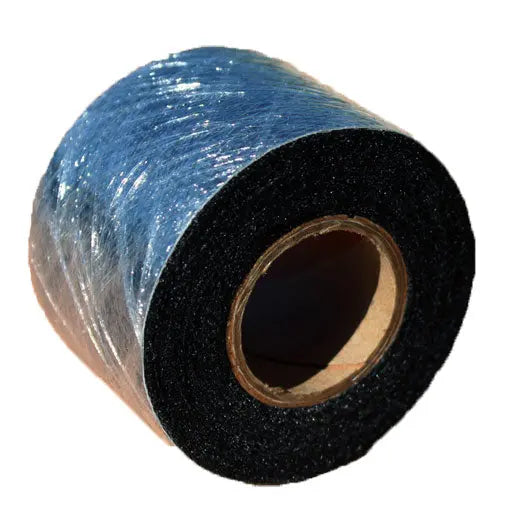
Heat Press Batting Together Tape
1 product
Showing 1 - 1 of 1 product
Heat Press Batting Together Tape is the batting-remnant recovery tool — iron-activated tape that fuses two batting edges into one flat, longarm-safe piece with no sewn ridge.
Product Details
Method: Butt edges (never overlap), tape over the join, dry iron at medium until bonded, cool before handling
Result: Flat permanent join — no ridge, no needle-catch, invisible through top and backing
Batting types: Cotton, poly, and blends; sample-test wool and specialty battings first
Durability: Survives frame tension and machine washing in the finished quilt
Prep rule: Trim both edges straight before joining — the tape wants a clean butt seam
Frequently Asked Questions
What does this tape turn batting scraps into?
Full-size batting — every roll end and trimmed-off side panel becomes usable inventory instead of waste. For a studio cutting from 30-yard rolls, the recovered remnants amount to free quilts per roll.
Why not just sew batting pieces together?
The ridge — a sewn batting seam telegraphs as a felt line in the finished quilt and catches needles on the frame. The fused butt join lies at batting thickness; in the finished quilt it doesn't exist.
The one application rule that matters?
Butt, don't overlap — overlapped edges double the loft at the seam and create exactly the ridge the tape exists to avoid. Straight-trimmed edges touching, tape across, iron.
Where in the quilt should a join land?
Anywhere, honestly — a proper join is undetectable — but cautious studios run joins horizontally so frame rolling tension crosses the seam instead of riding along it.
How much tape per join?
Seam length — a queen-width join runs ~90" of tape; check the listing for roll length and plan a roll per several joins.