
Table of Contents
- Batting Comparison at a Glance
- How to Choose Batting Based on Your Quilt's Purpose
- Cotton vs Polyester Batting: What's the Real Difference?
- Quilt Batting Loft Explained: From Low to High
- Batting Size and Shrinkage for Longarm Quilting
- Quilters Dream Batting: A Premium Alternative
- Specialty Batting: Wool, Bamboo, and Fusible Options
- Conclusion: Your Batting Checklist
- Frequently Asked Questions
Last Updated: September 5, 2026
Choosing the right batting can make or break a quilt, yet it's often an afterthought. The process comes down to three factors: how the quilt will be used, how you plan to quilt it, and your personal preferences for feel and care. At Linda's Electric Quilters, we've helped thousands of quilters match the perfect batting to their projects, and there isn't one "right" answer.
Most quilters settle on an 80/20 cotton-polyester blend as their everyday workhorse, and anecdotal evidence from quilting communities suggests these blends are a standard, frequently repurchased choice Quilting community discussions on batting preferences. That said, your project's purpose should drive the decision more than habit. Below, we'll walk through the main batting categories, what makes each one unique, and exactly how to match them to your quilting goals.
Batting Comparison at a Glance
Batting is the middle layer of your quilt sandwich, determining drape, warmth, and texture. The main options are cotton, polyester, wool, bamboo, and blends.
| Batting Type | Best For | Key Traits | Care Notes |
|---|---|---|---|
| 80/20 Cotton-Poly Blend | Everyday quilts, beginners | Balanced drape, low shrinkage, forgiving | Machine washable, minimal bearding |
| 100% Cotton | Heirloom, hand quilting | Flat, breathable, shrinks for vintage look | Expect 3-5% shrinkage |
| Polyester | Baby quilts, wall hangings | High loft, lightweight, no shrinkage | Machine washable, can beard |
| Wool | Warmth, winter quilts | Lofty, resilient, excellent drape | Dry clean or gentle wash |
| Bamboo | Eco-conscious, softness | Silky, breathable, drapes beautifully | Machine washable, low shrinkage |
A quick note on structure: batting is either needle-punched, bonded, or both. Needle-punched batting resists fiber migration better, while bonded batting holds together through repeated washing. Many quality battings, like the Hobbs Heirloom line, use both methods for maximum durability.

How to Choose Batting Based on Your Quilt's Purpose
Start with the quilt's end use, because that single question eliminates most options immediately. A baby quilt washed weekly needs different batting than a decorative wall hanging.
For heavy use and frequent washing, cotton or cotton-blend batting performs best, softening with each wash and developing that coveted crinkly texture. For winter naps, wool provides exceptional warmth without the weight of multiple cotton layers. Wall hangings and art quilts benefit from low-loft, flat battings like 100% cotton or bamboo.
Professional longarm quilters typically require at least 4 inches of extra batting on each side of the quilt top, so plan for 8 inches total in both height and width Longarm batting size requirements. That extra margin gives the machine something to grip during loading and ensures your quilt top isn't cut short.
Cotton vs Polyester Batting: What's the Real Difference?
The cotton versus polyester debate is the most common question we hear, and the answer depends on what you value in a finished quilt. Cotton batting lies flat, breathes naturally, and shrinks slightly to create that classic puckered look many quilters love. Polyester batting offers loft and resilience, bouncing back after washing without any shrinkage.
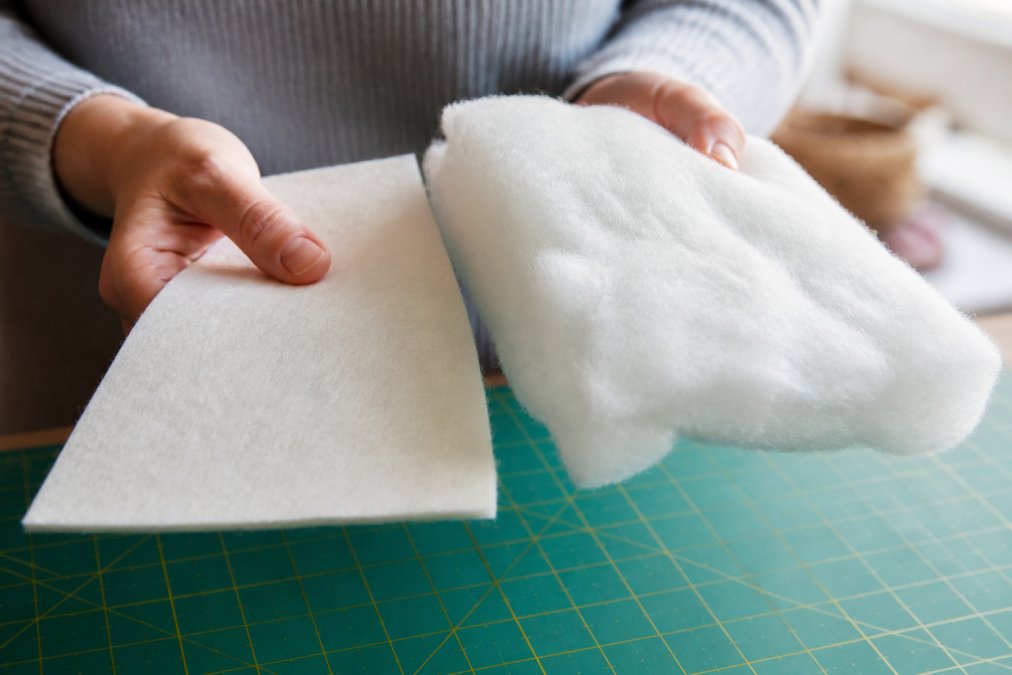
Cotton batting requires closer quilting lines, typically every 2 to 4 inches, to prevent shifting and bearding. Polyester, with its bonded structure, can handle lines up to 8 inches apart, making it more forgiving for beginners or sparse quilting.
The 80/20 blend splits the difference, giving you cotton's soft drape and breathability with polyester's resilience and easier care. Most quilters find it the easiest to work with, making it the safest bet for a first quilt or a gift you'll wash repeatedly.
Quilt Batting Loft Explained: From Low to High
Loft refers to the thickness and fluffiness of batting, affecting both the quilting experience and finished look. Low-loft batting sits flat, making dense quilting patterns pop with crisp definition. High-loft batting adds cushion and warmth but can obscure intricate designs.
Low-loft options include most cotton and bamboo battings, measuring roughly 1/8 inch thick, ideal for wall hangings and heavy quilting. Medium-loft batting, like most 80/20 blends, measures around 1/4 inch and works well for bed quilts needing warmth without bulk.
High-loft polyester batting can reach 1/2 inch or more, creating a puffy, comforter-like appearance. But high loft makes machine quilting more challenging: the presser foot can sink in, causing uneven stitches, and the bulk makes maneuvering a large quilt difficult.
Troubleshooting Loft-Related Problems: Bearding and Fiber Migration
Loft is not just about appearance, it directly influences two of the most common batting failures: bearding and fiber migration.
Bearding is the gradual appearance of tiny batting fibers poking through the quilt top or backing, creating a fuzzy surface. It happens when loose fibers work through the fabric weave over time, especially with repeated washing. Low-loft, needle-punched battings (like most cotton and bamboo) are least likely to beard because fibers are mechanically entangled. High-loft polyester battings that are only resin-bonded are the most prone.
Bearding will be highly visible with dark fabric and white batting. A common pattern among longarm quilters is to avoid high-loft polyester for dark or tightly woven fabrics, choosing instead a needle-punched cotton blend.
Fiber migration is the shifting of batting fibers inside the quilt sandwich, leading to thin spots or clumping after washing. This is more likely with high-loft battings and widely spaced quilting lines. The general rule: the higher the loft, the closer your quilting lines need to be. A low-loft cotton can handle lines 4 inches apart, while a high-loft polyester may require lines every 2 inches.
How to Fix a Quilt with Shifted Batting
If your batting has shifted after washing, creating a lumpy or thin area, there is a practical fix. Assess whether it has bunched or migrated. If bunched, carefully open a seam along the edge, reach inside, and gently redistribute the batting with your fingers. Smooth it flat, then hand-stitch the seam closed. This works best with cotton or cotton-blend battings.
If the batting has thinned permanently in a high-use area, add a second layer of low-loft batting to that region. Cut a patch slightly larger than the thin area, insert it through the opened seam, and smooth it into place. This salvage technique can extend the life of a well-loved quilt.
Some quilters experiment with layering multiple types of batting, combining a flat, dense layer with a poofy one. This adds significant bulk and complexity to the quilting process, so it's generally not recommended for most projects Fairfield World's batting layering guidance.
Batting Size and Shrinkage for Longarm Quilting
Longarm quilting demands precision with batting dimensions. Before loading a quilt onto a longarm frame, your batting must extend at least 4 inches beyond the quilt top on all sides, an 8-inch total allowance in both width and height, giving the machine rollers enough fabric to grip securely. evaluating wool quality.
Shrinkage is the second critical factor. Natural fibers, especially cotton, shrink when washed, pulling the quilt top and backing into that desirable crinkled texture. But with precise borders or a pieced backing, uncontrolled shrinkage can distort your work.
For longarm projects, many quilters prefer 80/20 blends because they shrink less than pure cotton while still offering natural fiber benefits. Hobbs Heirloom 80/20 batting is needle-punched and lightly resin-bonded, giving it exceptional strength for longarm tension. It's available in 96-inch wide rolls for large projects, shipped in boxes to prevent creasing.
Quilters Dream Batting: A Premium Alternative
When your project demands the best, Quilters Dream batting delivers a level of consistency that serious quilters appreciate. The Dream line includes cotton, polyester, wool, and bamboo options, each engineered for specific needs.
The standout is Quilters Dream Bamboo, a luxurious blend of bamboo, Tussah silk, Tencel, and cotton. The fibers are blended, carded, crosslapped, and finely needle-punched to create a batting that is exceptionally soft, strong, and breathable, a compelling option for those prioritizing natural, environmentally friendly materials.

Quilters Dream batting is a favorite among longarm quilters for its consistent thickness and lack of thin spots. The needle-punching process prevents fiber migration and bearding even after repeated washing. While premium battings cost more, the reliability and finish quality often justify the investment, especially for heirloom pieces.
Specialty Batting: Wool, Bamboo, and Fusible Options
Specialty battings open up new possibilities, but choosing among them often comes down to two questions most guides ignore: your local climate and your sensitivity to allergens.
Wool Batting: Warmth Without the Weight
Wool batting provides an unmatched warmth-to-weight ratio, making it a top choice for winter quilts in colder regions. Its natural crimp creates insulating air pockets that trap body heat more efficiently than cotton or polyester of the same thickness.
However, wool’s performance changes dramatically with humidity. In a damp climate, wool absorbs moisture, feeling heavy and slow to dry. In dry climates, it retains its loft and breathability beautifully. If you live in a humid region, consider a wool blend (often 80% wool, 20% polyester), which resists moisture absorption better than pure wool.
Wool also requires more careful laundering than cotton blends. Most manufacturers recommend dry cleaning or a very gentle cold-water hand wash. If your quilt will see frequent machine washing, think kids’ quilts or everyday throws, wool is generally a poor fit.
Bamboo Batting: The Allergy-Friendly and Climate-Responsive Choice
Bamboo batting has gained popularity for its eco-friendly profile and silky hand feel, but its real standout feature is hypoallergenic performance. Bamboo fibers are naturally resistant to dust mites and mold, making it an excellent choice for quilters with allergies or asthma. Unlike polyester, bamboo is highly breathable and wicks moisture away, making it a strong option for summer quilts in hot, humid climates.
A common pattern among quilters with sensitive skin is switching to bamboo after irritation from polyester or wool. Bamboo is also one of the few options that drapes like fabric rather than feeling stiff, which is why it's frequently chosen for wearable quilts or lightweight throws.
One trade-off: bamboo batting is typically lower loft and more expensive per yard than cotton or polyester. It also requires closer quilting lines (every 2 to 3 inches) to prevent shifting. If you are quilting a large bed quilt with widely spaced stitches, bamboo may not be the most forgiving choice.
Fusible Batting: A Time-Saver with a Caveat
Fusible batting deserves special attention for its time-saving potential. Hobbs Heirloom 80/20 Fusible batting has an iron-on adhesive on both sides, eliminating the need for pinning or spray-basting. Simply press the batting to your quilt top and backing, creating a stable quilt sandwich ready for quilting.

The adhesive is activated by heat, which can add slight stiffness to the finished quilt. For wall hangings or art quilts, this is rarely a problem. For a bed quilt that needs to drape softly, the stiffness may be noticeable. A common workaround is to use fusible batting only for basting, then quilt densely enough that the adhesive breaks down slightly with washing, restoring drape.
For those who prefer the traditional fusible approach, the Hobbs Heirloom 80/20 Fusible Batting Package offers a pre-cut option sized for a single quilt, available in crib through king dimensions.
Conclusion: Your Batting Checklist
Choosing batting doesn't need to be complicated if you work through a simple checklist before buying. Start with the quilt's purpose and washing frequency, then consider your quilting method and stitch spacing, and finally factor in your preferences for drape, loft, and texture.
For most projects, an 80/20 cotton-polyester blend offers the best balance of ease, durability, and finish quality. Linda's Electric Quilters carries a full range of batting options, including Hobbs Heirloom packages and rolls, Quilters Dream specialty battings, and fusible varieties, all available with free shipping on rolls. Our 700-plus educational videos can walk you through your first project step by step, so you never have to figure it out alone.
Frequently Asked Questions
What kind of batting do most quilters use?
Most quilters prefer an 80/20 cotton-polyester blend. It offers the flat, traditional look of cotton with the added strength and reduced shrinkage of polyester. This blend is forgiving for both hand and machine quilting, making it a versatile choice for a majority of projects, from wall hangings to bed quilts.
Is polyester or cotton batting better for beginners?
Cotton-polyester blends, like an 80/20, are often the best choice for beginners. They are less slippery than pure polyester and more forgiving than 100% cotton. The blend is easier to handle when basting and has a consistent drape, making the quilting process more manageable for those still developing their skills.
How does batting loft affect the final look of a quilt?
Batting loft determines the puffiness and definition of your quilting stitches. Low-loft batting gives a flat, vintage look and makes dense quilting designs stand out. High-loft batting creates a puffy, cozy feel but can make intricate quilting lines less visible. Your choice depends on the aesthetic you want to achieve.
What is the difference between cotton batting and 80/20 batting for quilting?
100% cotton batting shrinks more than an 80/20 blend, giving the quilt a crinkly, antique texture after washing. It also requires tighter quilting, typically every 2-4 inches. An 80/20 blend, like the Hobbs Heirloom, shrinks less and allows for a wider stitch distance, making it a lower-maintenance option that still offers good drape.
How do I determine the right batting weight for my quilt design?
Match the batting weight to your quilting density. If you plan to quilt densely with tight motifs, choose a low-loft, flat batting. For designs with spaced-out quilting lines, a mid-loft batting that allows a wider stitch distance is safer. Always check the manufacturer's recommended maximum stitch distance for the batting you choose.
What does batting with scrim mean?
A scrim is a light, non-woven mesh layer that is needle-punched into the batting to add stability. This helps prevent stretching and distortion while you handle and quilt the fabric. Batting with scrim, like the Hobbs Heirloom 100% Cotton with Scrim, is ideal for large projects and longarm quilting because it maintains its shape.
The right batting transforms a good quilt into a great one, and the choice comes down to matching the fiber to your project's needs. Whether you're quilting a cozy baby blanket or a heirloom bed quilt, Linda's Electric Quilters has the batting selection and expert guidance to help you get it right. Shop our batting collection today and start your next project with confidence.
This article was written using GrandRanker