Table of Contents
- Why Quilters Look Beyond Shabby Fabrics for Wideback
- What to Look for in a Wideback Fabric Alternative
- 108 Inch Quilt Backing Fabric: Sizes, Colors, and Pricing
- How to Calculate Quilt Backing Yardage Before You Buy
- Yaya Han Fabric and Other Non-Traditional Backing Options
- Pre-Washing, Shrinkage, and Sustainability for Widebacks
- Frequently Asked Questions
Last Updated: September 16, 2026
Why Quilters Look Beyond Shabby Fabrics for Wideback
Wideback fabric is quilt backing sold in extra-wide widths, typically 108 inches, so a single length covers a queen or king quilt without a pieced seam down the middle. Shabby Fabrics earned recognition as one of America's Best Online Shops in 2026, according to Newsweek's annual ranking of online retail performance, but that broad retail accolade doesn't automatically make it the best source for every backing project. At Linda's Electric Quilters, we hear the same three complaints from quilters shopping for wideback: limited colorways in stock, backing priced higher than the quilt top itself, and shipping delays that stall a project mid-piecing. The deeper issue is that most quilters treat wideback as a single product category when it's really three: dedicated 108-inch quilting cotton, household substitutes like sheets and duvet covers, and pieced backs made from standard-width yardage. Each has a different cost structure, a different compatibility profile with longarm machines, and a different failure mode.
What to Look for in a Wideback Fabric Alternative
The best wideback alternative is one that matches your quilt's fiber content, holds up to longarm tension, and covers your finished dimensions with enough overage for quilting take-up. Get any of those three wrong and you'll be re-cutting backing after the top is already assembled.
Fiber Content, Thread Count, and Quilting Weight
Backing needs to behave like the quilt top it sits behind. A cotton top paired with a high-thread-count polyester sheet will quilt at different rates, and the mismatch shows up as puckering after the first wash. Quilting-weight cotton, usually around 4 to 4.5 ounces per square yard, is the safest match for most pieced tops. Thread count matters less than weave density: a tight percale flat sheet can work, but a loose-knit or brushed microfiber will fight your needle.
Longarm Compatibility and Seamless Backing
Longarm machines need backing that loads square and stays square. Seamless backing, meaning a single 108-inch panel with no horizontal seam, eliminates the bulk that causes skipped stitches and tension drift at the seam line. If you're piecing a back from narrower yardage, put the seam horizontal rather than vertical and press it open; a vertical seam running the length of the quilt is the single most common cause of longarm drag.
108 Inch Quilt Backing Fabric: Sizes, Colors, and Pricing
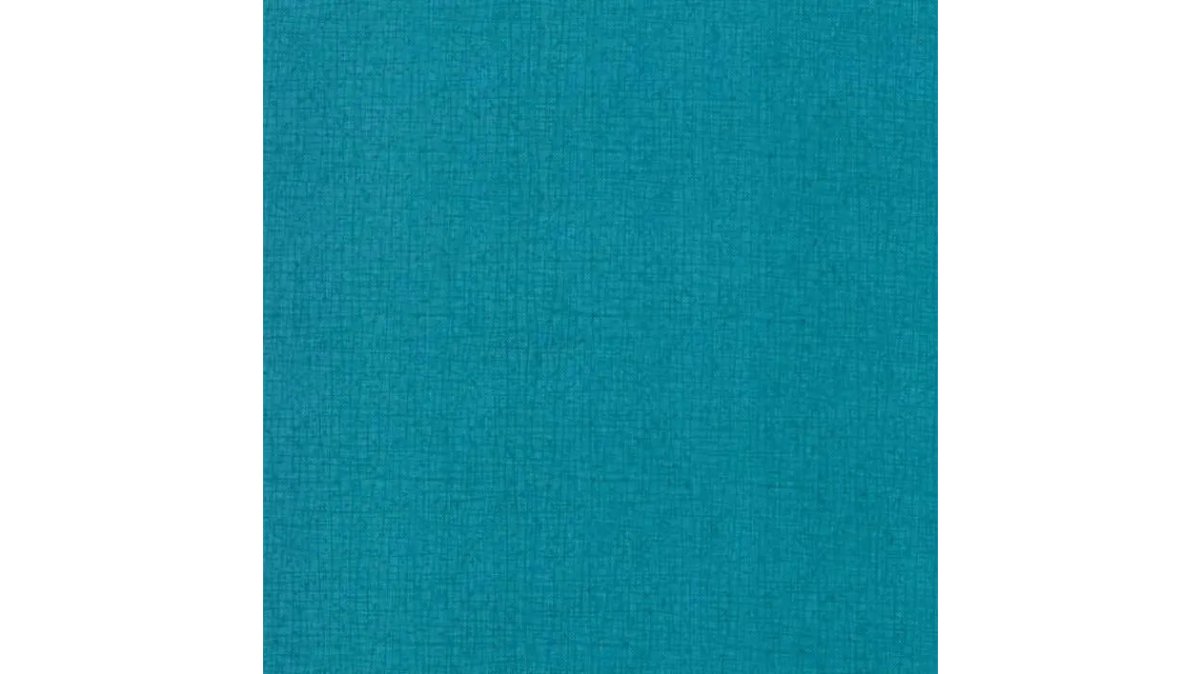
A 108-inch wideback is the standard for king and queen quilts because it covers the full width in one cut. Linda's Electric Quilters stocks Moda Thatched widebacks at $17.49 per yard in Natural Cream, Blue Turquoise, Green Pine, Grey, and Blue Navy, all 100% cotton at 108 inches wide. That price sits above the roughly $11 per yard some quilters report paying for budget wide backing in community threads on r/quilting discussions of affordable wide backing, but the comparison isn't apples to apples. For a king quilt needing 3 yards, a 108-inch Moda cotton wideback provides a comfortable overhang.

How to Calculate Quilt Backing Yardage Before You Buy
Backing yardage equals quilt width plus 8 inches, divided by the fabric width, then multiplied by quilt length plus 8 inches. The 8-inch allowance covers quilting take-up, longarm clamping, and squaring up after the quilt comes off the frame.

Backing Layout Math for Queen, King, and Oversized Quilts
| Quilt Size | Finished Dimensions | Backing Needed at 108" Wide | Yardage to Buy |
|---|---|---|---|
| Twin | 70" x 90" | 78" x 98" | 2.75 yards |
| Queen | 90" x 108" | 98" x 116" | 3.25 yards |
| King | 110" x 108" | 118" x 116" | 3.5 yards |
| Oversized King | 120" x 120" | 128" x 128" | 3.75 yards |
Round up to the nearest quarter yard and add one extra yard if your longarm quilter loads backing with clamps rather than zippers. Running short by 2 inches after the top is quilted means buying a second cut in a different dye lot, which is a mistake you only make once.
Yaya Han Fabric and Other Non-Traditional Backing Options
Non-traditional backing works when the material matches the quilt's use case. Cosplay and costume fabrics, including the stretch and specialty textiles sold under the Yaya Han fabric line, are engineered for garments and wearable pieces, not for the tension a longarm applies across a 108-inch span. They can serve a wall hanging or art quilt where the back is decorative, but they are a poor fit for a bed quilt that will be washed repeatedly.
| Backing Source | Typical Cost | Usable Width | Cost per Sq. In. | Fiber Match Risk |
|---|---|---|---|---|
| King flat sheet | $25-$60 | ~102" | ~$0.002-$0.005 | High (often cotton-poly blend) |
| King duvet cover | $30-$60 | ~104" | ~$0.003-$0.006 | High (blend or microfiber) |
| Budget 108" wideback | ~$11/yd | 104"-108" | ~$0.003 | Low (usually 100% cotton) |
| Premium 108" wideback | ~$17.49/yd | 108" | ~$0.0045 | Low (100% cotton, matched hand) |
Pre-washing a duvet cover or flat sheet before cutting it for backing is not optional. A cotton-rich cover can shrink 3 to 5 percent on the first wash, and if that shrinkage happens after quilting, the backing pulls the top out of square and the quilt will never lie flat again. Wash on hot, dry on high, and measure the actual usable width before you commit to a layout.
Pre-Washing, Shrinkage, and Sustainability for Widebacks
Whether to pre-wash wideback divides the quilting community, but the decision is not arbitrary, it depends on fiber content, how the quilt will be used, and how your longarm quilter loads the frame. The Quiltworx Support Network discussion of wideback pre-washing captures both camps, and neither is wrong in isolation. What most guides skip is the shrinkage math by fiber type, which is the part that actually determines whether your backing still fits after the first wash.
Natural Cream Thatched Cotton Wideback →
Shrinkage Rates by Fiber Content
Different backing materials shrink at different rates, and the mismatch between backing and top is what causes a finished quilt to pucker or pull out of square.
How Shrinkage Interacts with Longarm Loading
Longarm quilters load backing under tension, and pre-washed backing behaves differently on the frame than unwashed backing. Unwashed cotton still has sizing and finish that give it a crisp hand, which many quilters find easier to load square. Pre-washed cotton is softer and can stretch slightly under roller tension, but it will not shrink further after quilting. The trade-off is real: unwashed backing loads easier but shrinks after quilting; pre-washed backing loads softer but holds its finished dimensions.
Sustainability and Sourcing
On the sustainability side, 2026 trend forecasting from Hancock's of Paducah's 2026 quilting trend report points to earthy, sustainable textures and maximalist florals driving fabric selection, and pre-cut programs have already reshaped how quilters under 45 approach the craft, according to University of Minnesota research on pre-cut fabrics' impact on quiltmaking. For backing specifically, the sustainability levers are narrower than for quilt tops because the yardage is large and the color options are limited.
Three concrete moves that actually reduce waste:
- Buy the right yardage once. Overbuying "just in case" is the single largest source of backing waste. Use the yardage formula and round up to the nearest quarter yard, not the nearest half.
- Source organic cotton wideback when the colorway allows. Organic cotton backing is available from several quilting-focused mills, and the price premium over conventional cotton is typically 10 to 20 percent, smaller than most quilters assume.
- Upcycle a 100% cotton sheet or duvet cover for a scrap or utility quilt where color matching is not critical. This is the lowest-cost, lowest-waste option, provided you verify fiber content and pre-wash.
Buy your wideback and your binding from the same dye lot when the backing color is visible on the finished edge. A cream backing paired with a cream binding from a different production run can read as two different colors under daylight.
Frequently Asked Questions
What can I use instead of traditional wideback quilting fabric?
You can use a king-size duvet cover, a flat sheet, or pieced quilting cotton as a wideback fabric alternative. Duvet covers typically cost $30 to $60 and offer unique patterns, while pieced 44-inch fabric works if you account for seam allowance and grainline. For a seamless 108-inch option, Moda's Thatched line at $17.49 per yard is a reliable choice for longarm quilting.
How do I calculate quilt backing yardage for a king-size quilt?
For a 108-inch wideback, measure your quilt top's length, add 8 inches for overage, then divide by 36 to get yardage. A 100-inch long quilt needs about 3 yards. For 44-inch fabric, you'll piece two lengths, so double the yardage and add seam allowance. Always round up to the nearest quarter yard to avoid shortages.
Is yaya han fabric suitable for quilt backing?
Yaya Han fabric is designed for cosplay and apparel, typically featuring stretch or specialty finishes. It's not ideal for quilt backing because cotton quilting weight is preferred for longarm compatibility and shrinkage consistency. If you want a bold print on the back, look for 108-inch cotton wideback options instead, which hold up better to quilting and washing.
Should I pre-wash wideback fabric before quilting?
Some quilters pre-wash wideback fabric to remove chemicals and prevent shrinkage, while others use it directly off the bolt. If you pre-wash, use cold water and a color catcher, then tumble dry low. Pre-washing adds time but reduces the risk of uneven shrinkage after your quilt is finished, especially with cotton backing.
What's the most cost-effective backing for a large quilt?
Cost-effective backing depends on your quilt size. Wideback fabric at $17.49 per yard for 108-inch width often beats piecing 44-inch fabric when you factor in time and seam allowance. King-size duvet covers at $30 to $60 can be cheaper for one-off projects, but check fiber content and thread count to ensure it holds up to longarm quilting.